Say hello.

Thanks for your interest in StreamLayer! Please fill out the form below and we’ll contact you to schedule a demo. Or, if you prefer, you can send us an email at hello@streamlayer.io.

Choose option
Thank you!
Thanks for your interest in StreamLayer. We have received your message and will be contacting you soon to discuss.
Oops! Something went wrong while submitting the form.
Feb 10, 2026 •
Pause Ads
CTV
Programmatic Ads

IAB Just Standardized Pause Ads. Here's Why That Changes Everything.

In late 2025, IAB Tech Lab released its CTV Ad Portfolio — a formal set of standards for six connected TV ad formats: Pause, Menu, Screensaver, In-Scene, Squeezebacks, and Overlay. The public comment period closed in January 2026. And while all six formats matter, one stands out as the most immediately impactful: the standardization of pause ads.

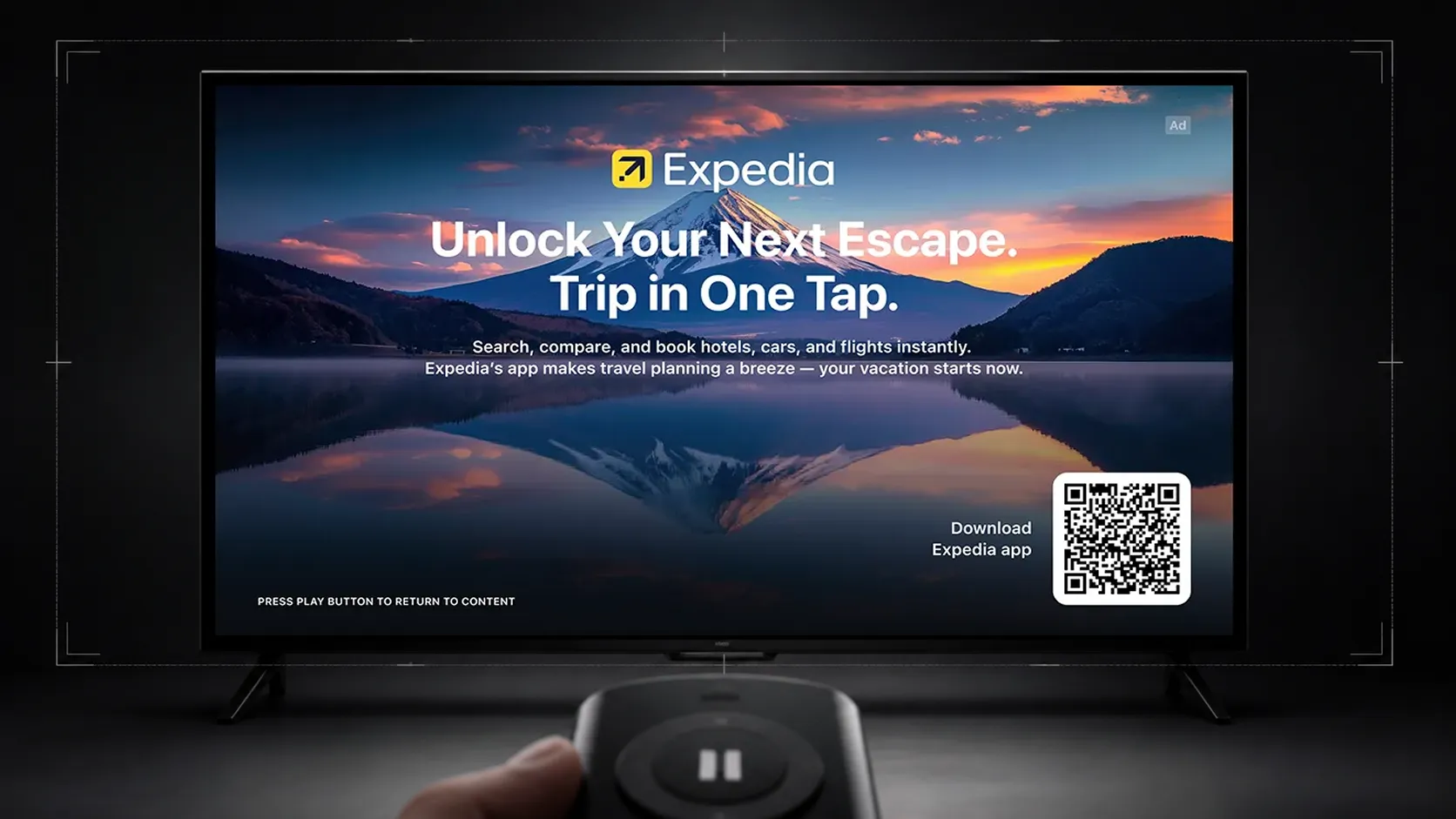
Pause ads have been around since Hulu introduced the concept in 2019. But for years, they remained a niche format — custom-built, sold on a direct basis, and impossible to transact programmatically because every platform implemented them differently. The IAB standardization changes that. For the first time, pause ads have a formal specification that enables consistent creative production, programmatic buying and selling, and cross-platform measurement.

This guide explains what the IAB CTV Ad Portfolio means for pause ads, why standardization is the inflection point this format needed, and how platforms that were already building pause ad capabilities are now positioned to capture a wave of demand.


What the IAB Standards Define

The IAB Tech Lab's CTV Ad Portfolio provides technical specifications for how each ad format should be implemented, including creative dimensions, interaction models, OpenRTB signaling, and measurement requirements.

For pause ads specifically, the standards address several areas that previously made the format difficult to scale:

Creative specifications. Standardized dimensions, file types, and safe zones ensure that a pause ad creative produced for one platform will render correctly on another. This eliminates the need for platform-specific creative production, which was a major friction point for advertisers.

OpenRTB signaling. The standards define how pause ad inventory should be signaled in programmatic bid requests, including the ad format identifier, the expected display duration, the platform and device type, and available interaction capabilities. This allows demand-side platforms (DSPs) to recognize and bid on pause ad inventory the same way they bid on pre-roll or mid-roll.

Interaction framework. The standards specify how viewer interaction with pause ads should be handled — whether the ad is static or interactive, what happens when the viewer resumes playback, and how engagement metrics should be reported.

Measurement requirements. Standardized viewability, completion, and engagement metrics ensure that pause ad performance can be compared across platforms and against other ad formats using a common framework.

Why Standardization Matters

The pause ad format has always had strong fundamentals. Research from BrightLine (cited by EMARKETER) shows a 34% lift in unaided recall for pause ads. MAGNA data indicates that 81% of viewers pause content to avoid missing important moments, and 51% take action after viewing a pause ad. With 100% share of voice during the pause, the brand owns the screen until playback resumes.

So why hasn't the format scaled to match these performance numbers? Because without standardization, every implementation was different.

Before Standardization

Each streaming platform built its own pause ad system with proprietary creative specs, proprietary delivery mechanisms, and proprietary reporting. An advertiser who wanted to run pause ads across Hulu, Peacock, Fubo, and Paramount+ had to produce four different creative assets, negotiate four separate direct deals, and reconcile four different measurement reports.

For DSPs and programmatic buyers, pause ads were invisible. There was no way to target, bid on, or measure pause ad inventory through automated channels. Pause ads existed in a premium-but-siloed pocket of the market.

After Standardization

With IAB standards in place, the friction drops dramatically. Advertisers produce one creative asset that works across all compliant platforms. DSPs can target and bid on pause ad inventory programmatically through OpenRTB. Measurement is consistent across platforms, enabling cross-platform reach and frequency management.

The practical impact is that pause ads move from a direct-sold, custom format to a programmatically available inventory type — dramatically expanding the number of buyers who can access it.

The Programmatic Unlock

The programmatic angle is the most important consequence of standardization. Today, the vast majority of CTV advertising is transacted programmatically. Advertisers and agencies manage campaigns through DSPs that bid on inventory in real-time auctions. If an ad format isn't available through these programmatic channels, it's effectively invisible to most of the market's buying power.

Standardized pause ads become available through the same DSPs, the same budgets, and the same campaign workflows that advertisers already use for pre-roll and mid-roll video. This doesn't just add a new format option — it opens pause ad inventory to the full depth of programmatic demand.

The early movers in programmatic pause ads are already visible. PubMatic scaled pause advertising campaigns across CTV in partnership with dentsu, with PubMatic's CTV business surging 50% year-over-year and reaching 26 of the top 30 streaming platforms globally. Fubo began offering pause ads programmatically through Magnite's ClearLine. DirecTV Advertising deployed pause ads in partnership with TripleLift.

These aren't experiments. They're commercial deployments at scale, enabled by the movement toward standardization.

What Makes Pause Ads Different from Other CTV Formats

Among the six formats standardized by IAB Tech Lab, pause ads have unique characteristics that make them particularly attractive:

Viewer-Initiated Context

Unlike overlays or squeezebacks (which are triggered by the platform or by game events), pause ads are triggered by the viewer's own action. The viewer chose to pause. They're not watching actively. They're in a receptive state — no competing content, no time pressure, and full visual attention on the screen.

This viewer-initiated context is fundamentally different from any other ad format. The viewer has signaled availability, and the ad appears in response.

100% Share of Voice

During a pause, there's no other content on screen competing for attention. The ad has complete share of voice — no split attention, no adjacent content, no scrolling past. This is the highest-attention advertising real estate in the entire streaming experience.

Natural Duration

The ad persists for as long as the viewer remains paused, which averages several minutes. This extended dwell time — achieved without forcing the viewer to watch — creates opportunities for interactive elements, product exploration, and brand storytelling that 15-30 second video spots can't support.

Non-Disruptive Perception

Because the viewer initiated the pause (they're getting a drink, checking their phone, answering the door), the ad doesn't feel like an interruption of their viewing. This matters enormously for brand perception. Viewers attribute disruption to the platform, but they don't perceive pause ads as disruptive because they chose to pause.

Interactive Pause Ads: The Next Evolution

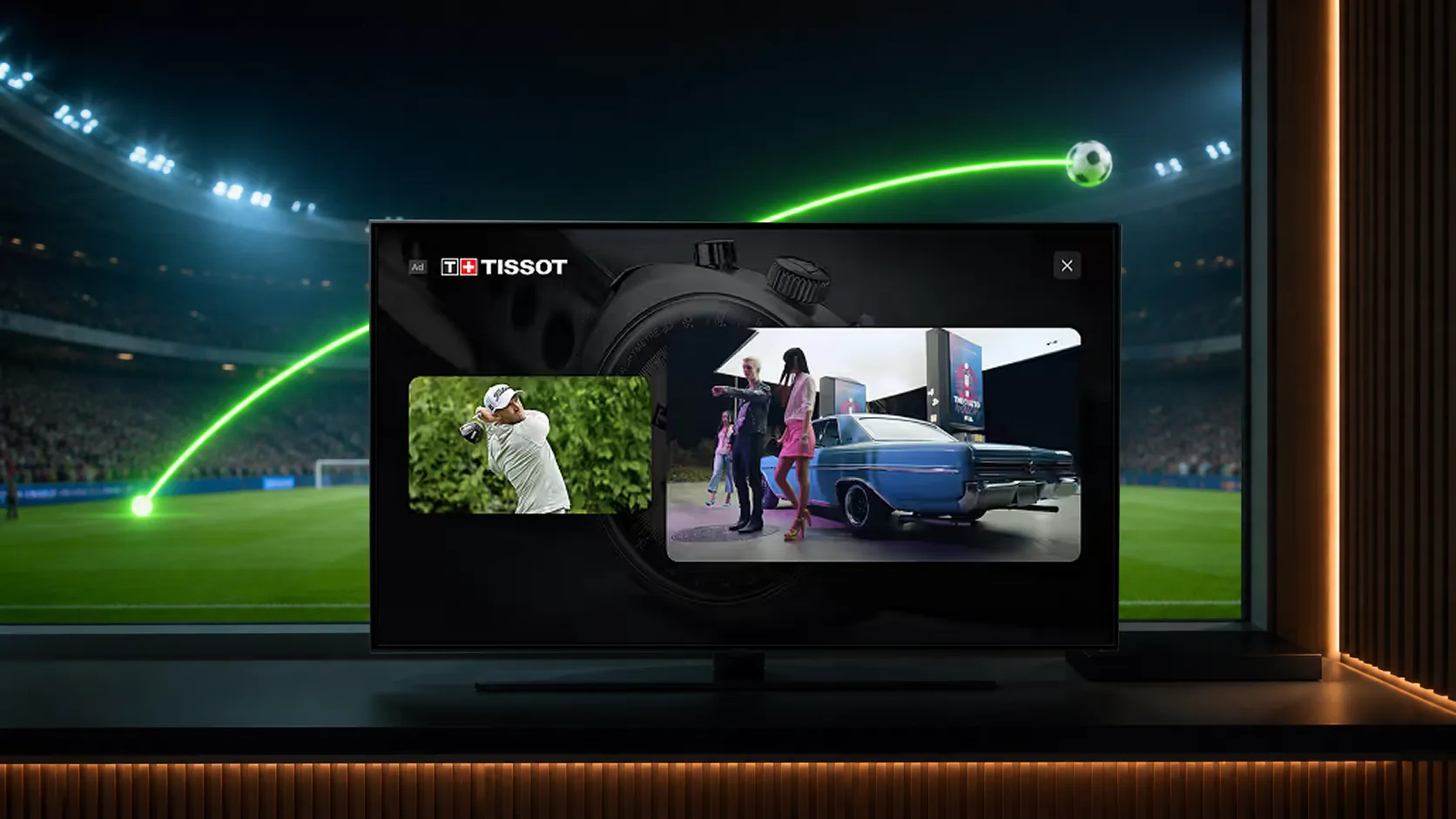
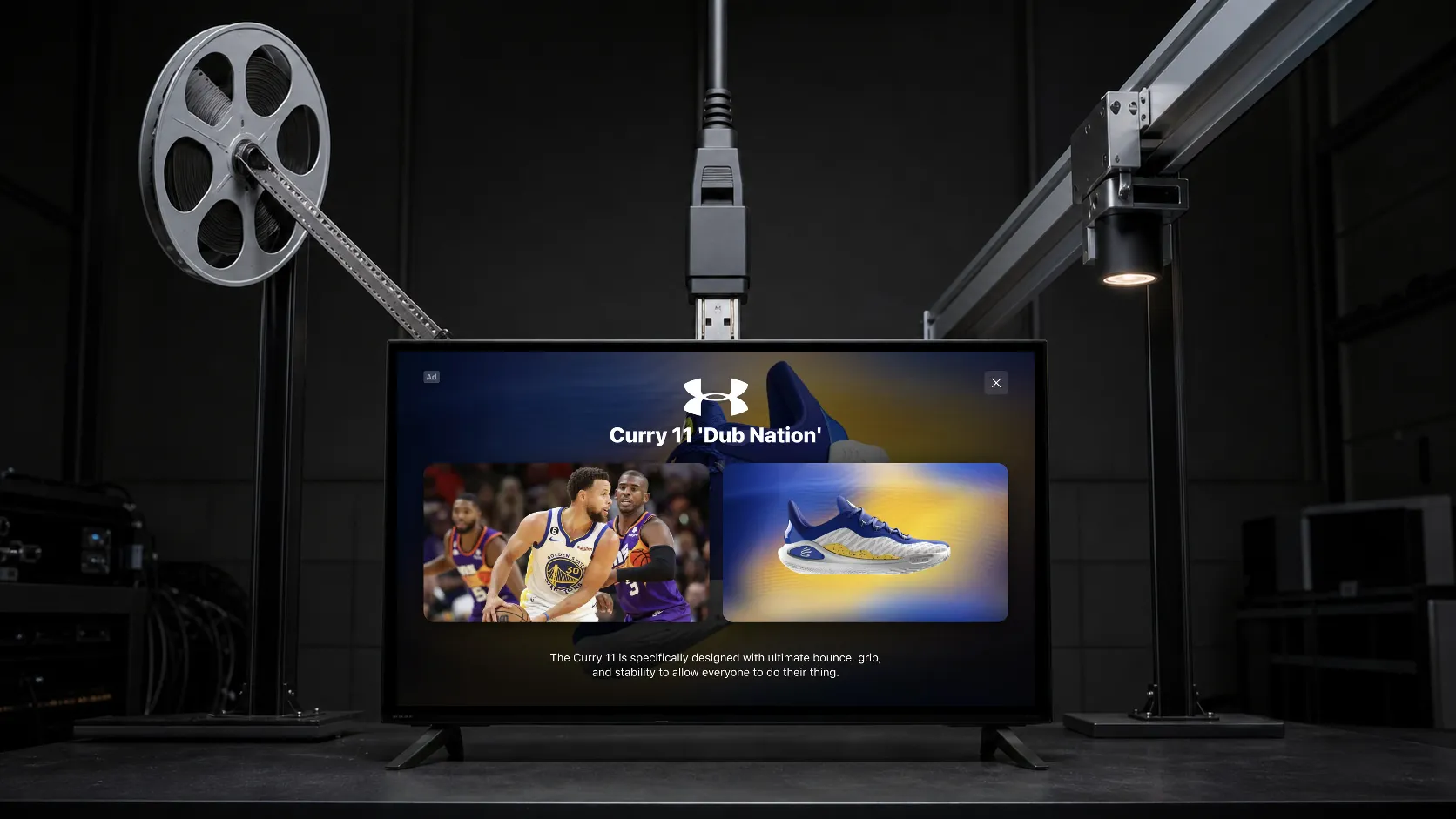
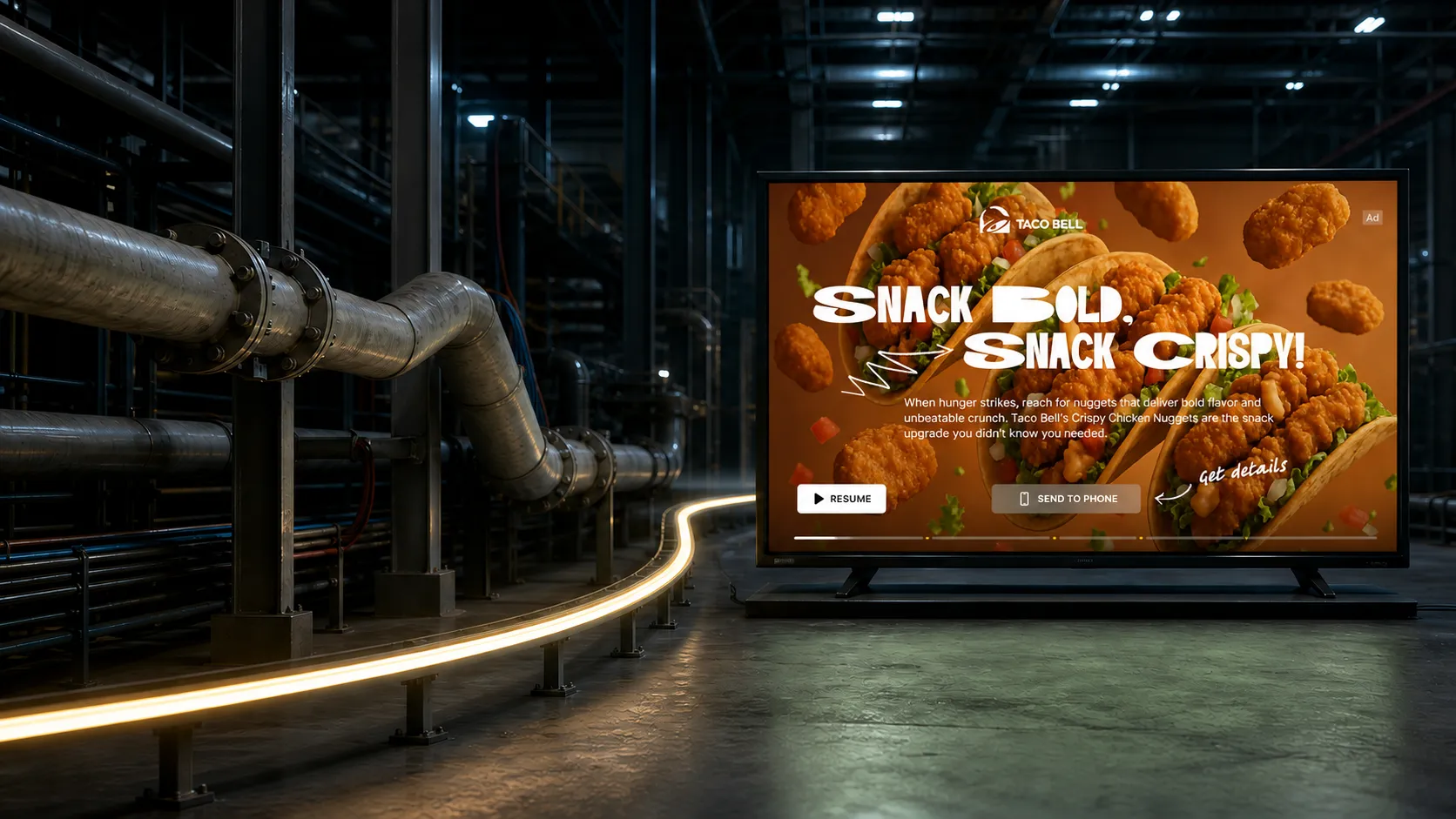
Static pause ads — a brand image with a QR code — are the current standard. But the IAB framework supports interactive pause ads, and this is where the format's true potential lies.

Live Stats Integration

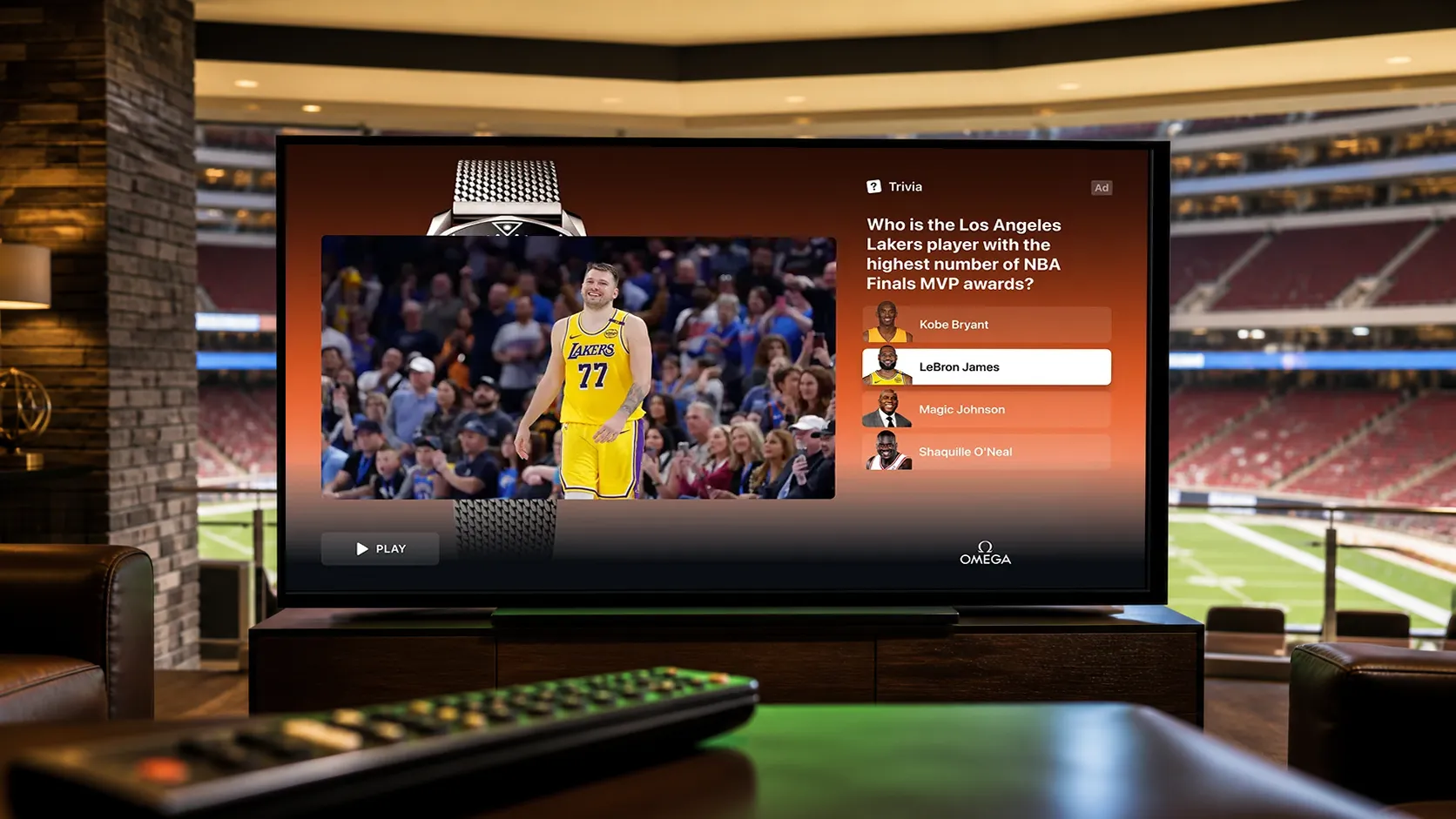
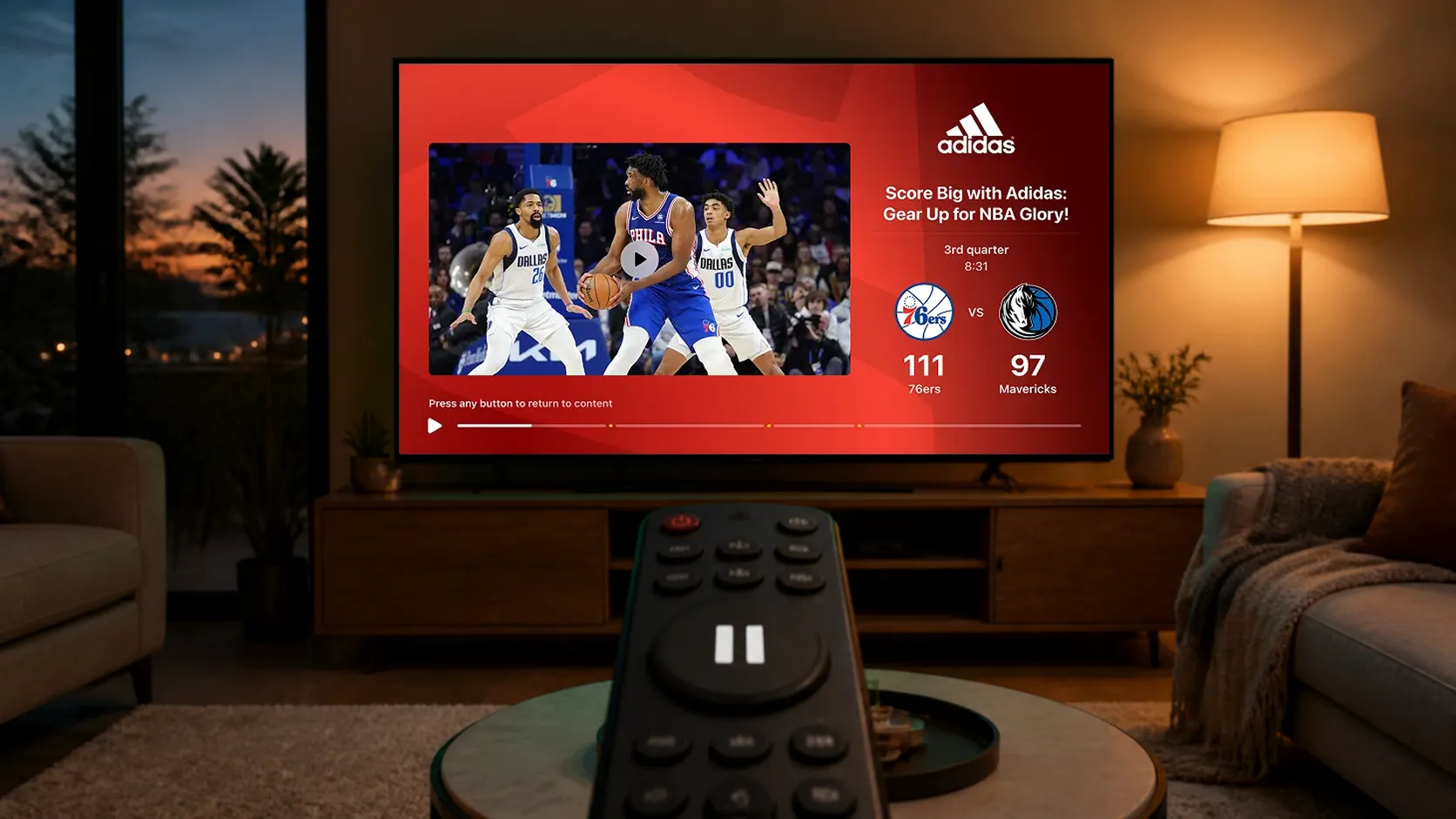
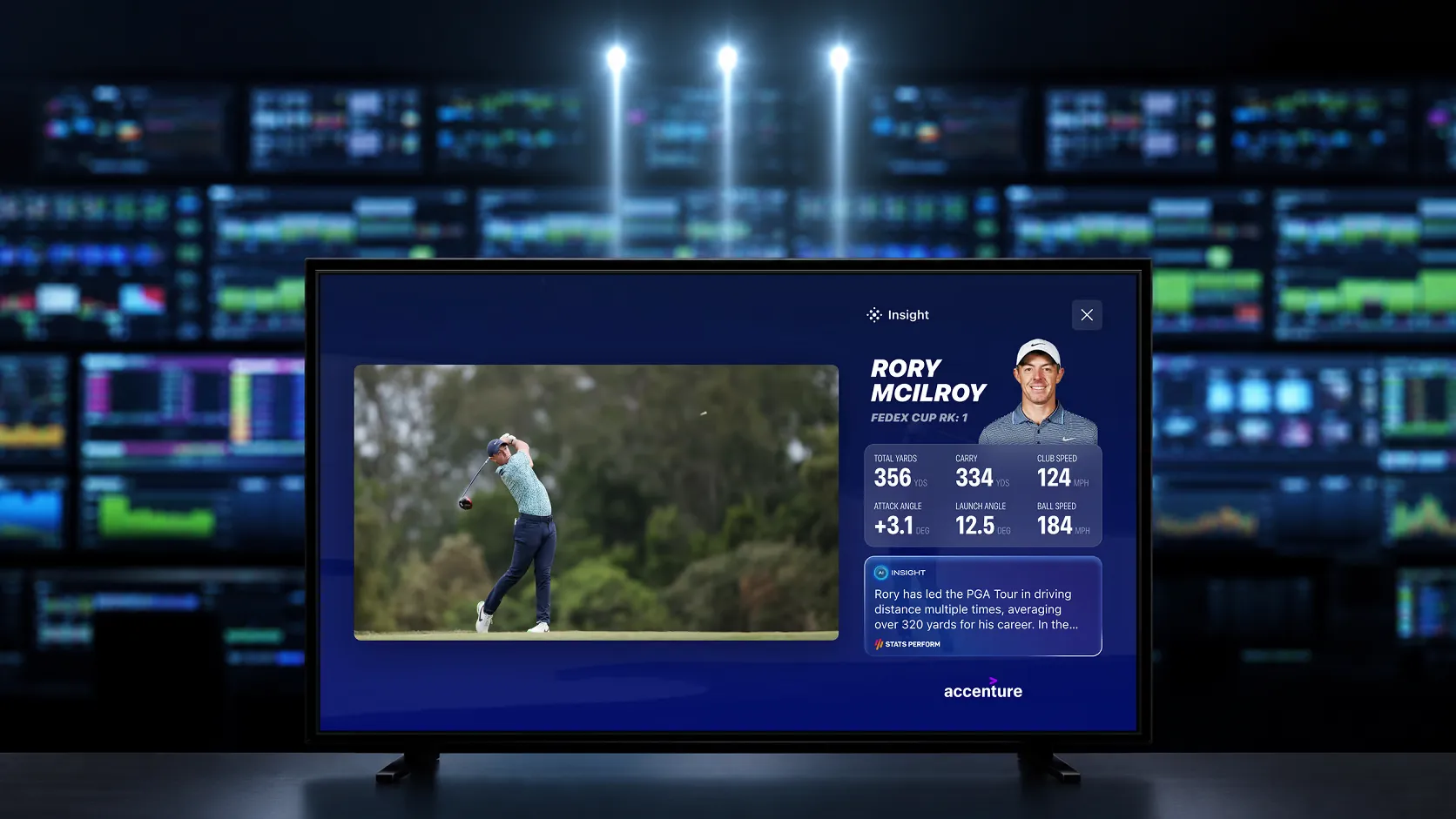
Pause ads that integrate with live sports data APIs can display real-time game, team, or league statistics alongside branded content. A viewer who pauses during a basketball game sees the current score, player stats, and upcoming schedule — sponsored by a brand. The ad provides genuine value (the information the viewer wants) while delivering brand exposure.

Shoppable Experiences

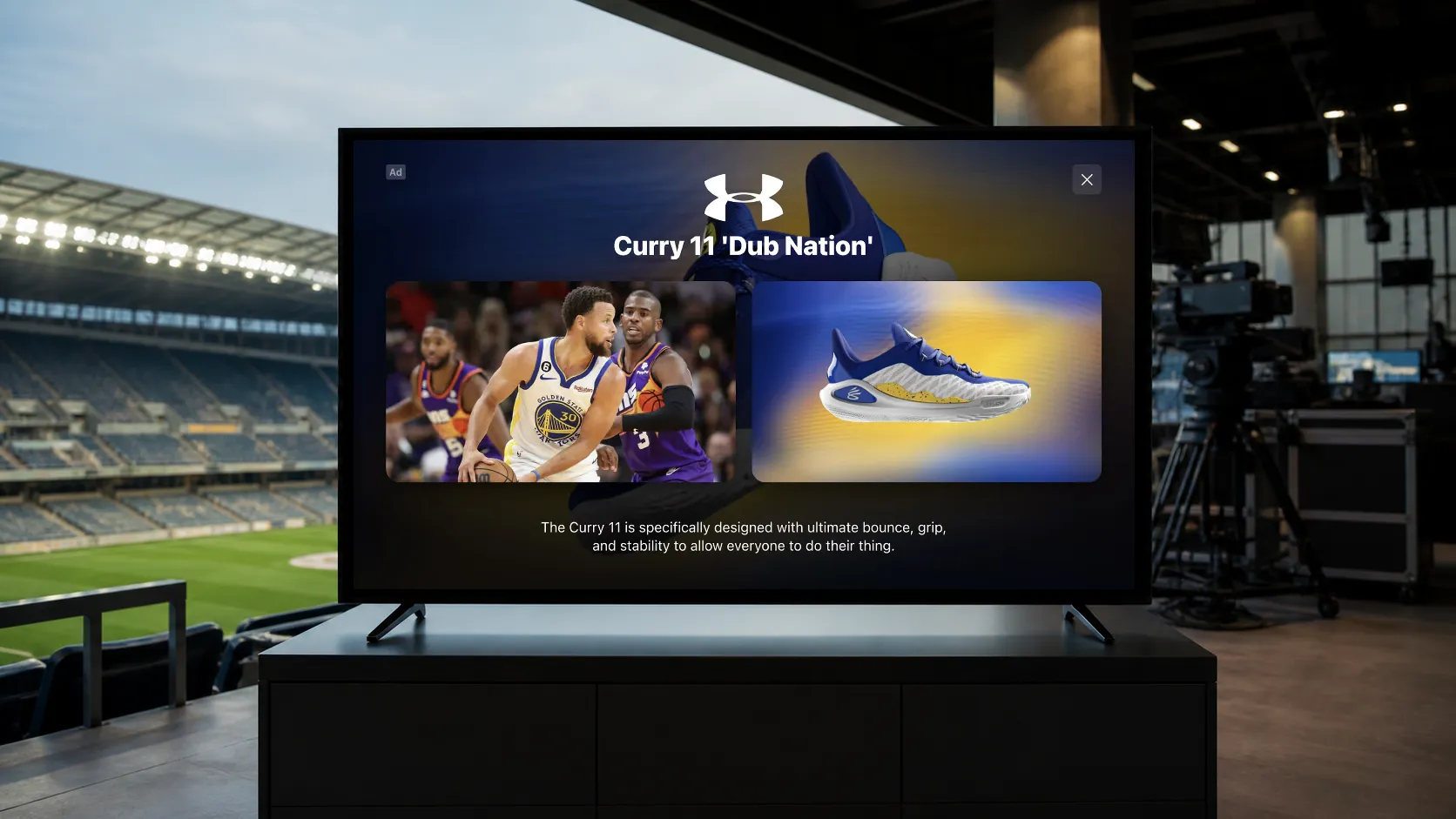
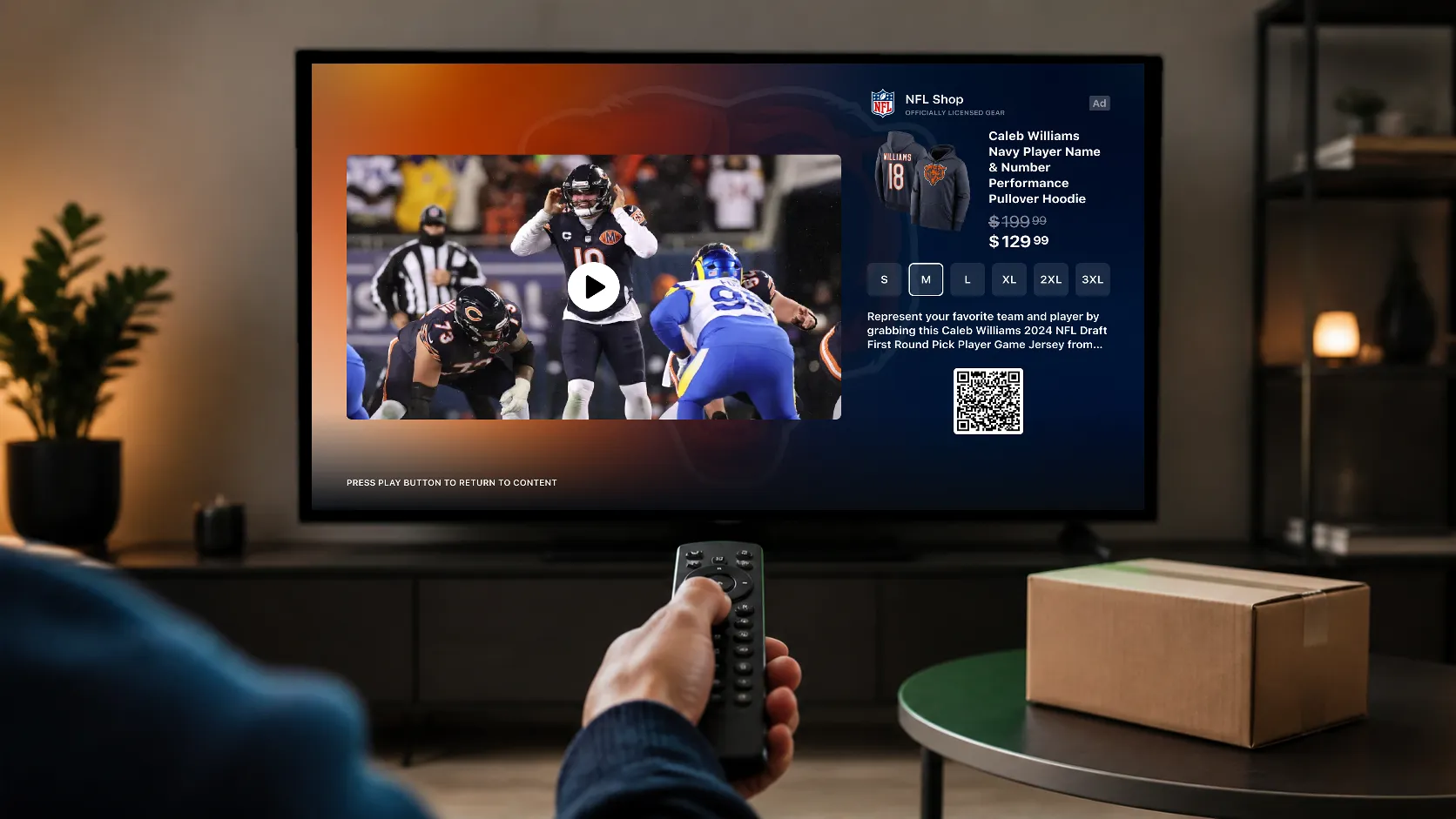
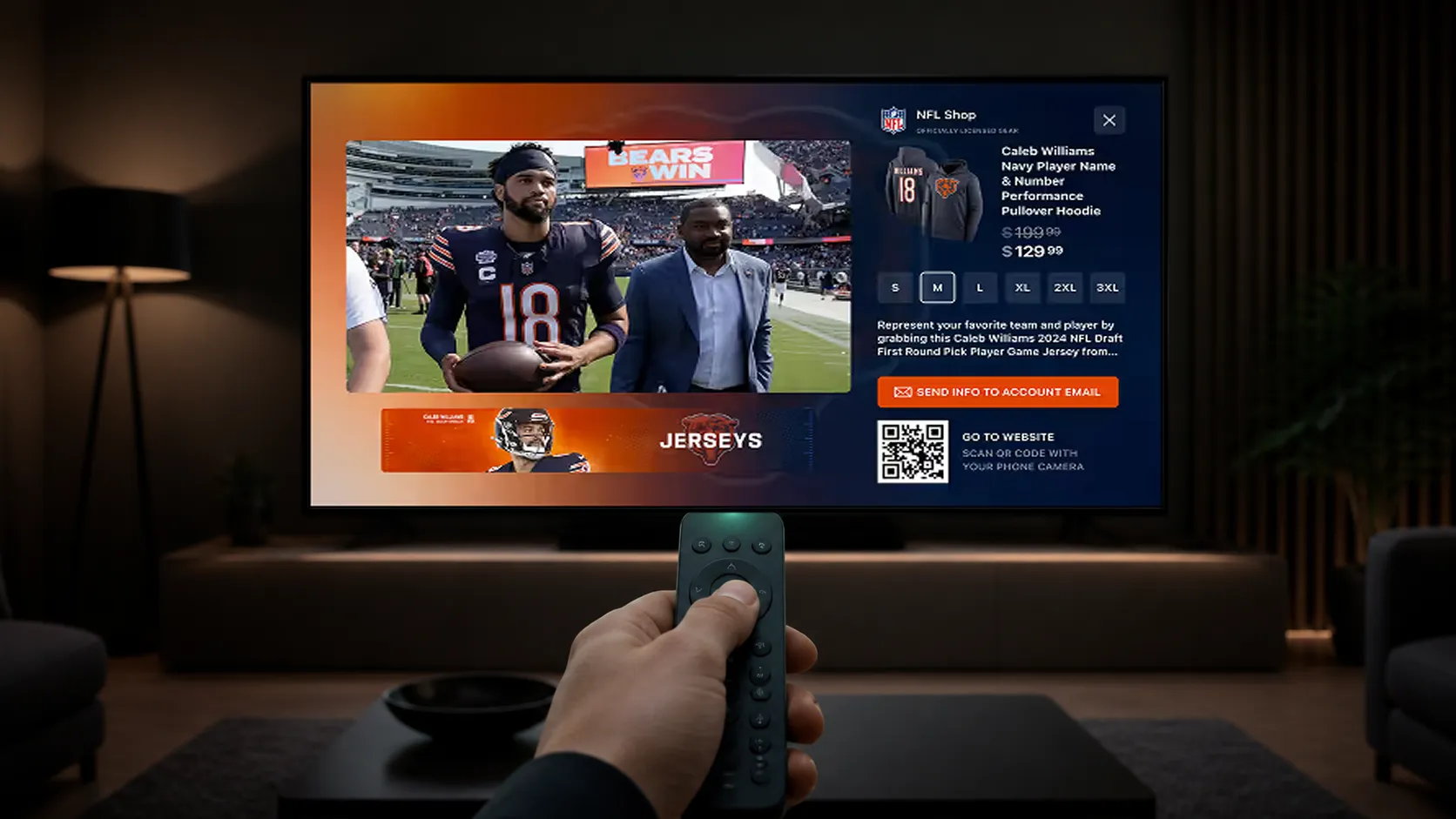
A pause ad can display a product with a one-tap purchase path. Because the viewer is already in a passive state (they chose to pause), they have more time and attention to explore a product than they would during active viewing. The pause state is actually the best moment for commerce-oriented advertising because there's no competing content demanding attention.

Prediction and Engagement Prompts

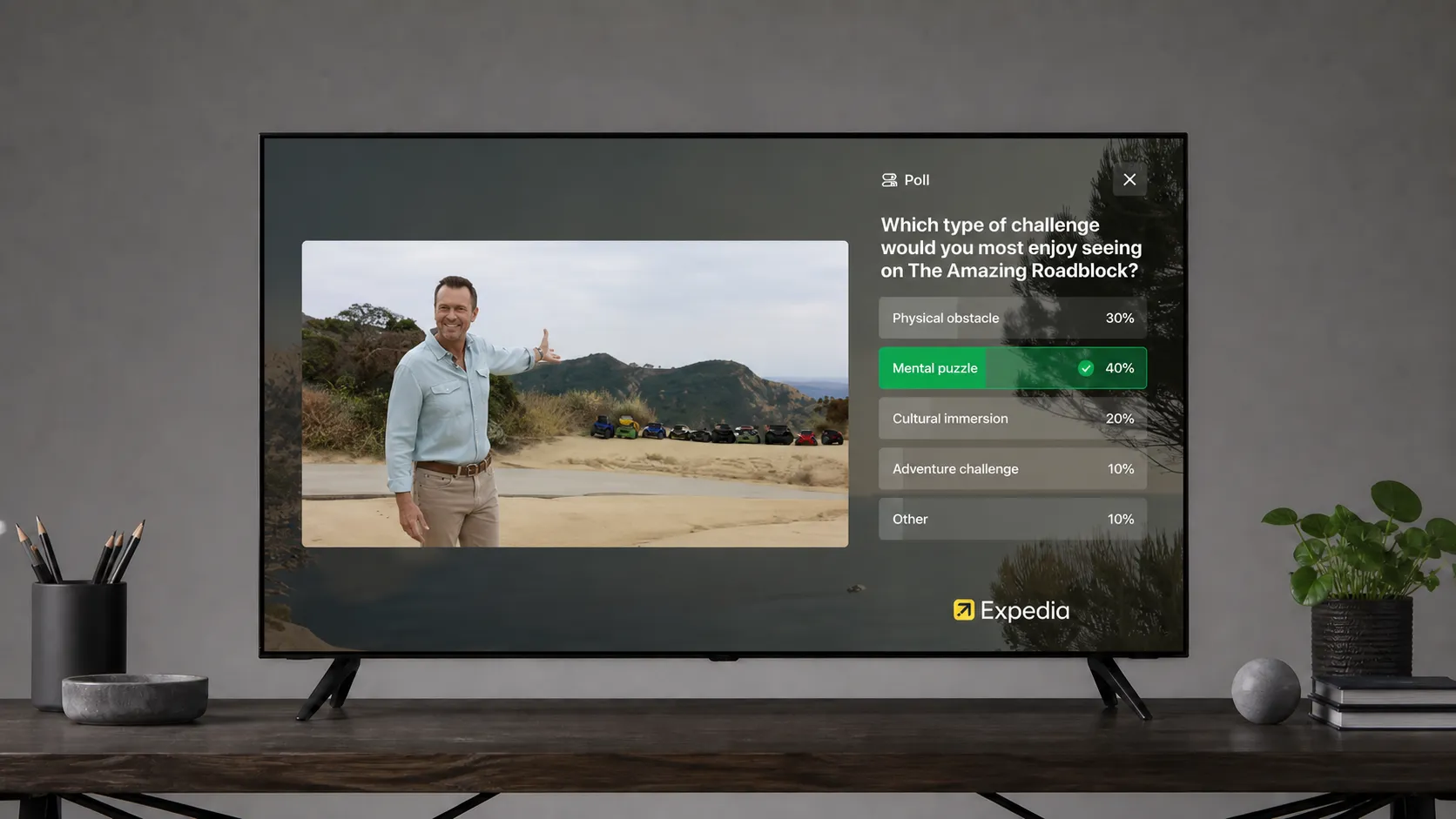
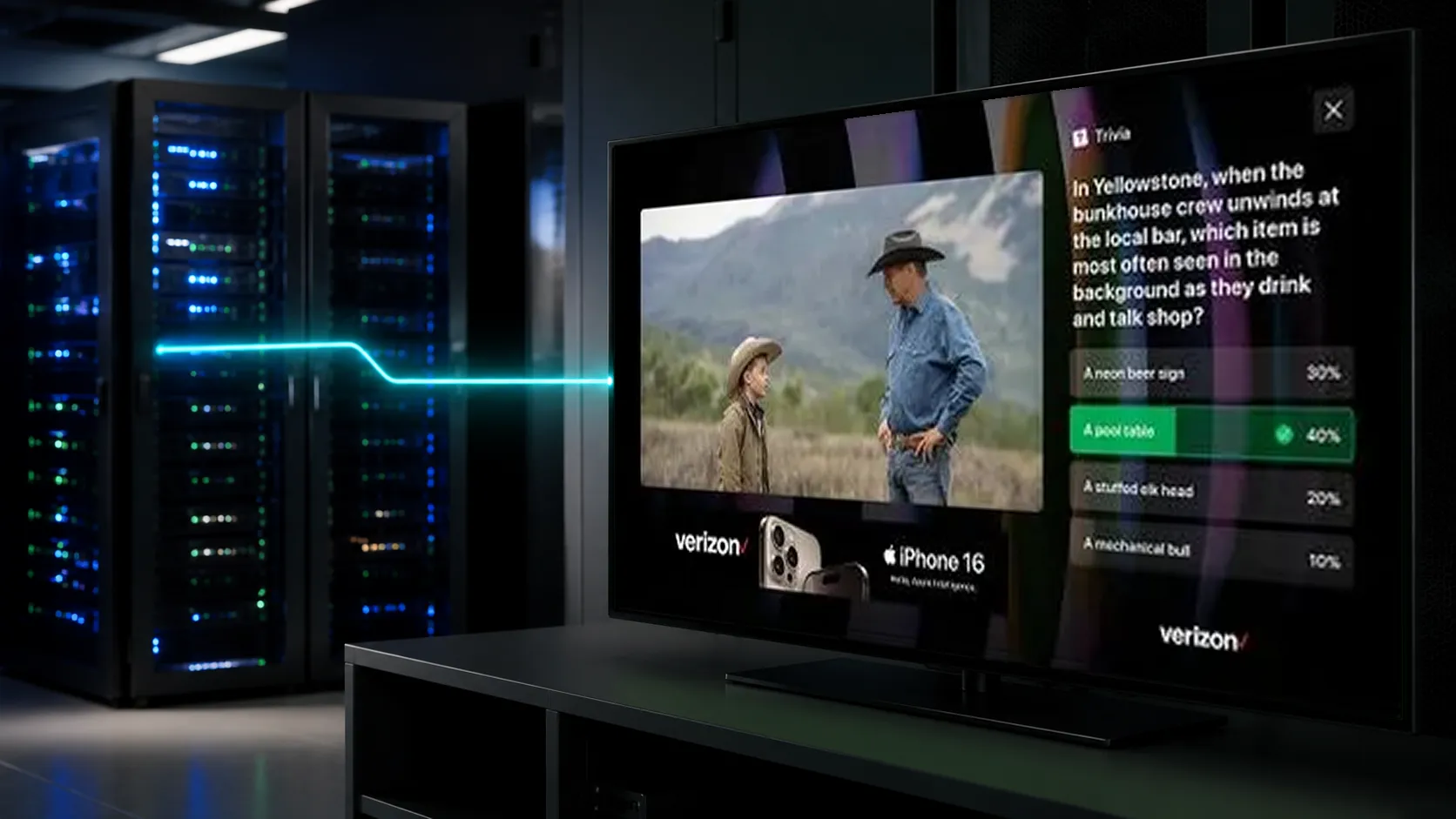
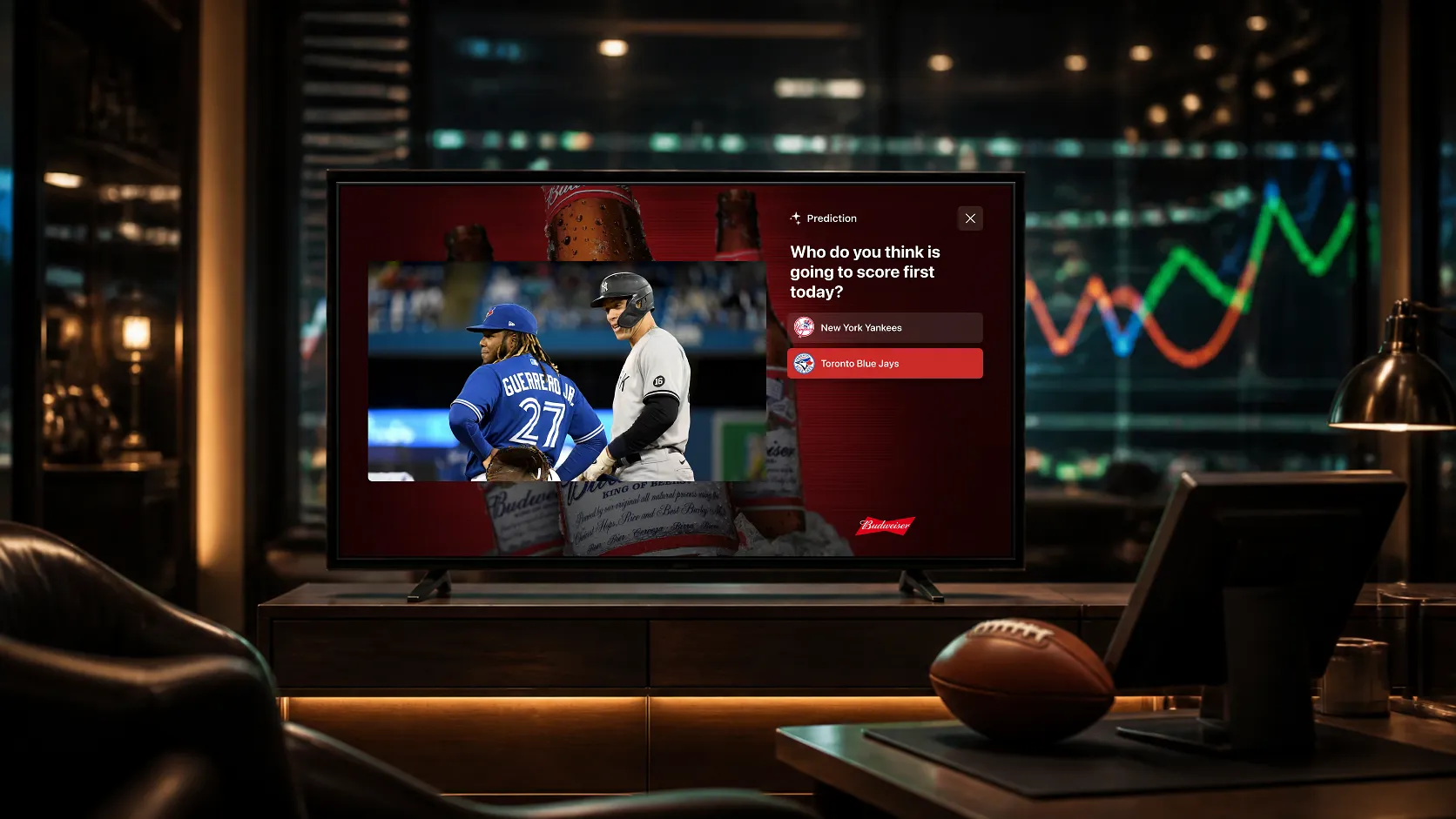
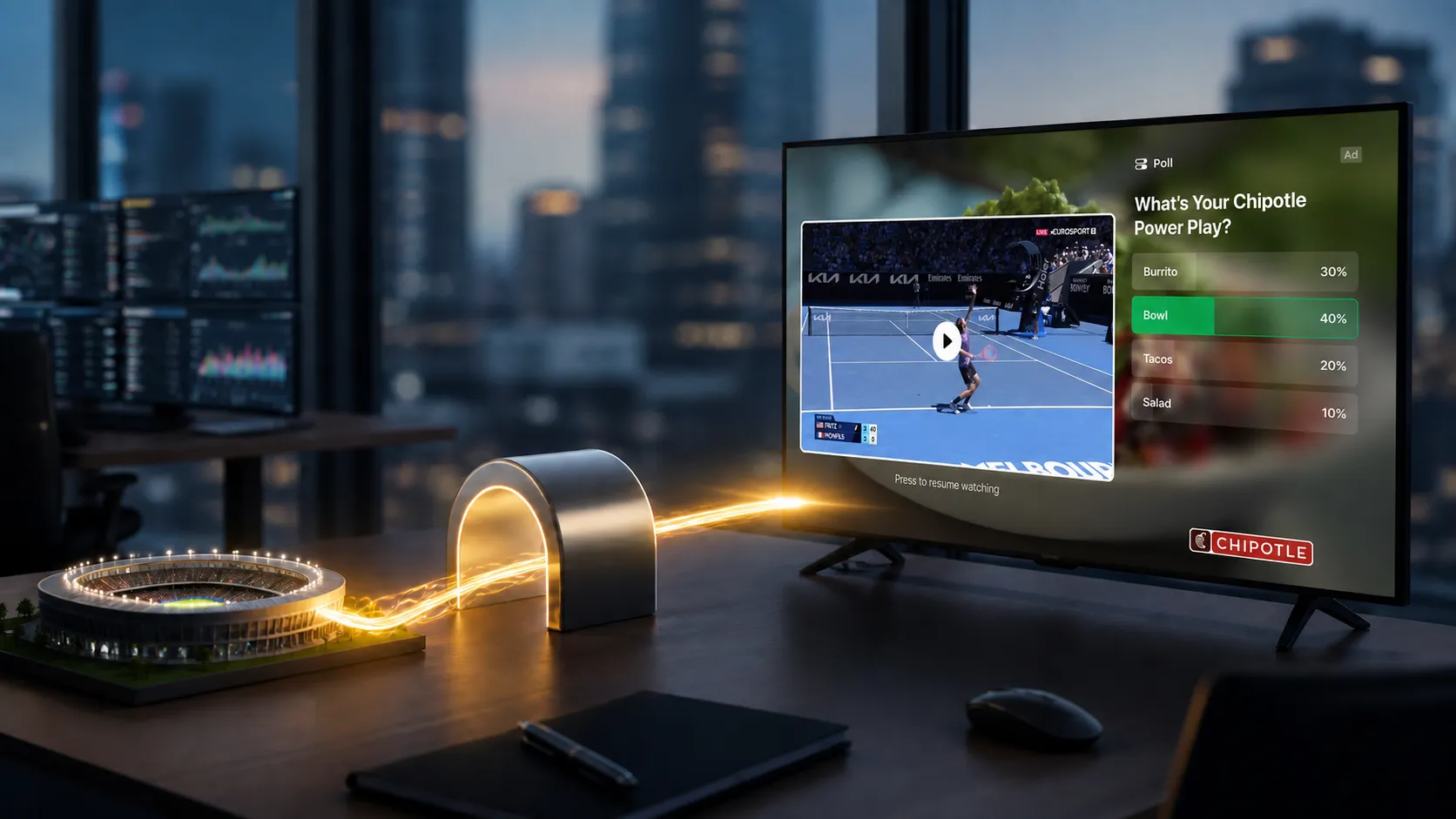
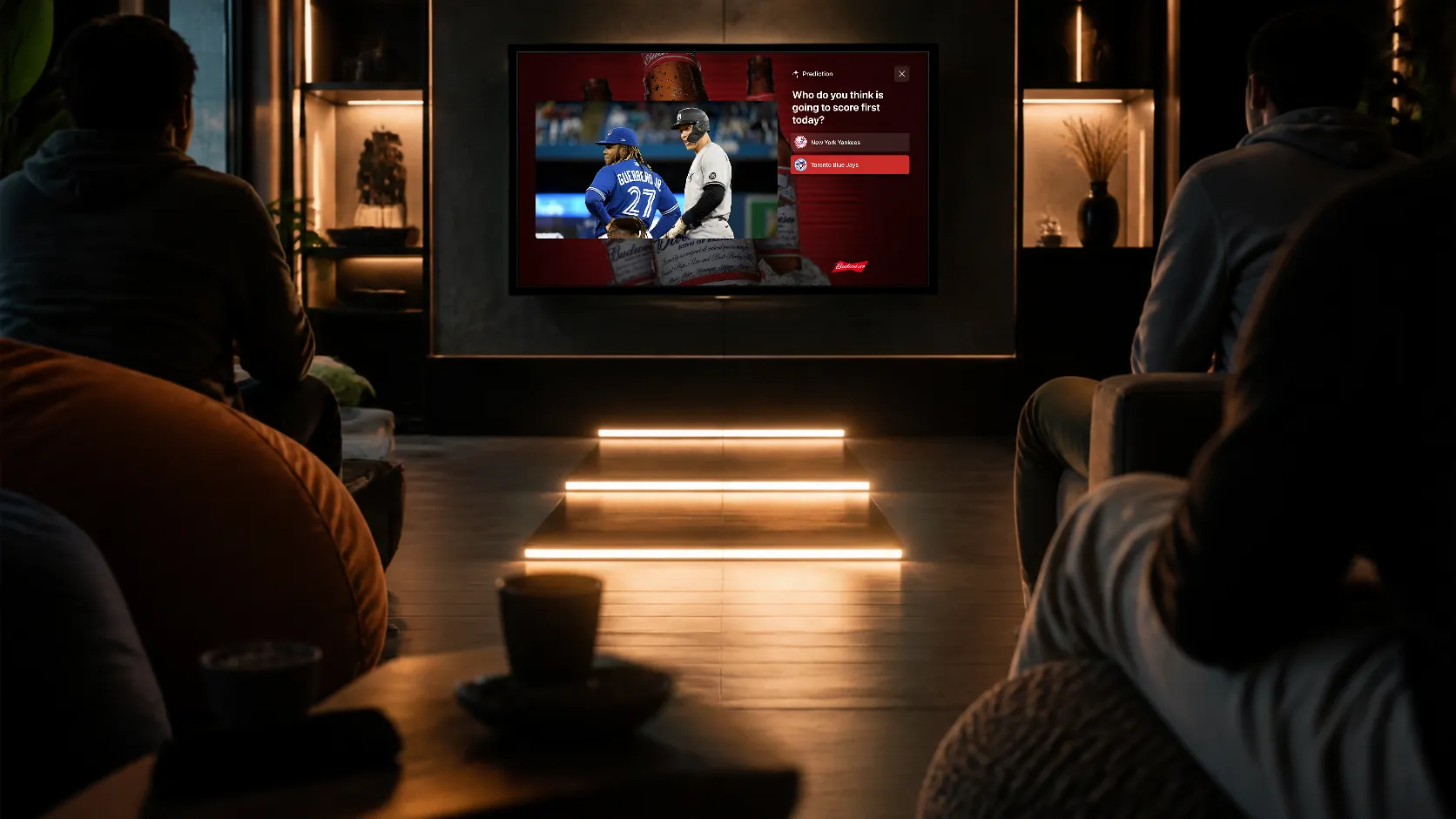
"While you're paused — predict the second-half outcome." Interactive pause ads that offer engagement activities give the viewer something to do during their break, creating a positive association with the ad experience rather than the neutral-to-negative association of static display.

Content Discovery

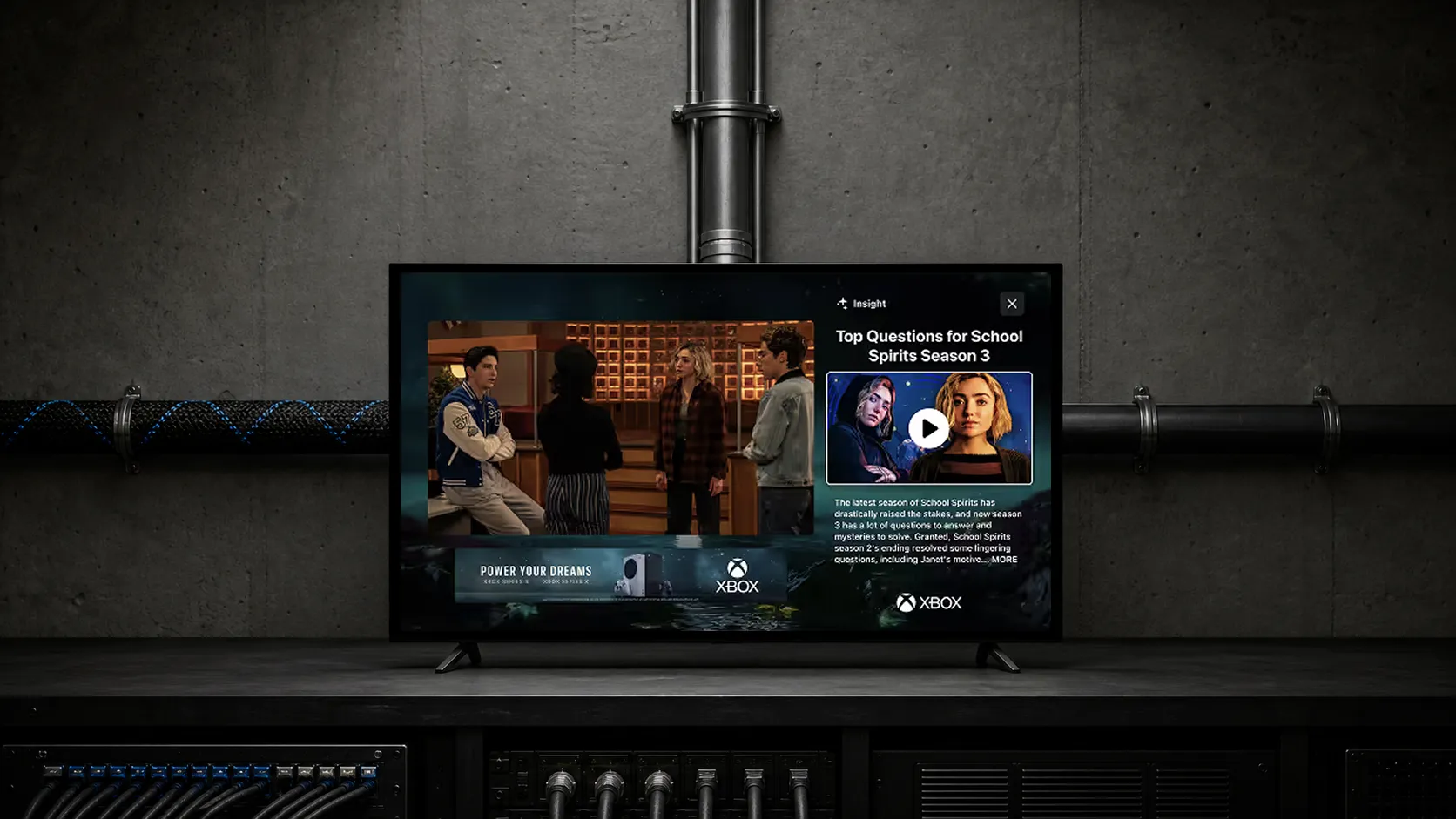
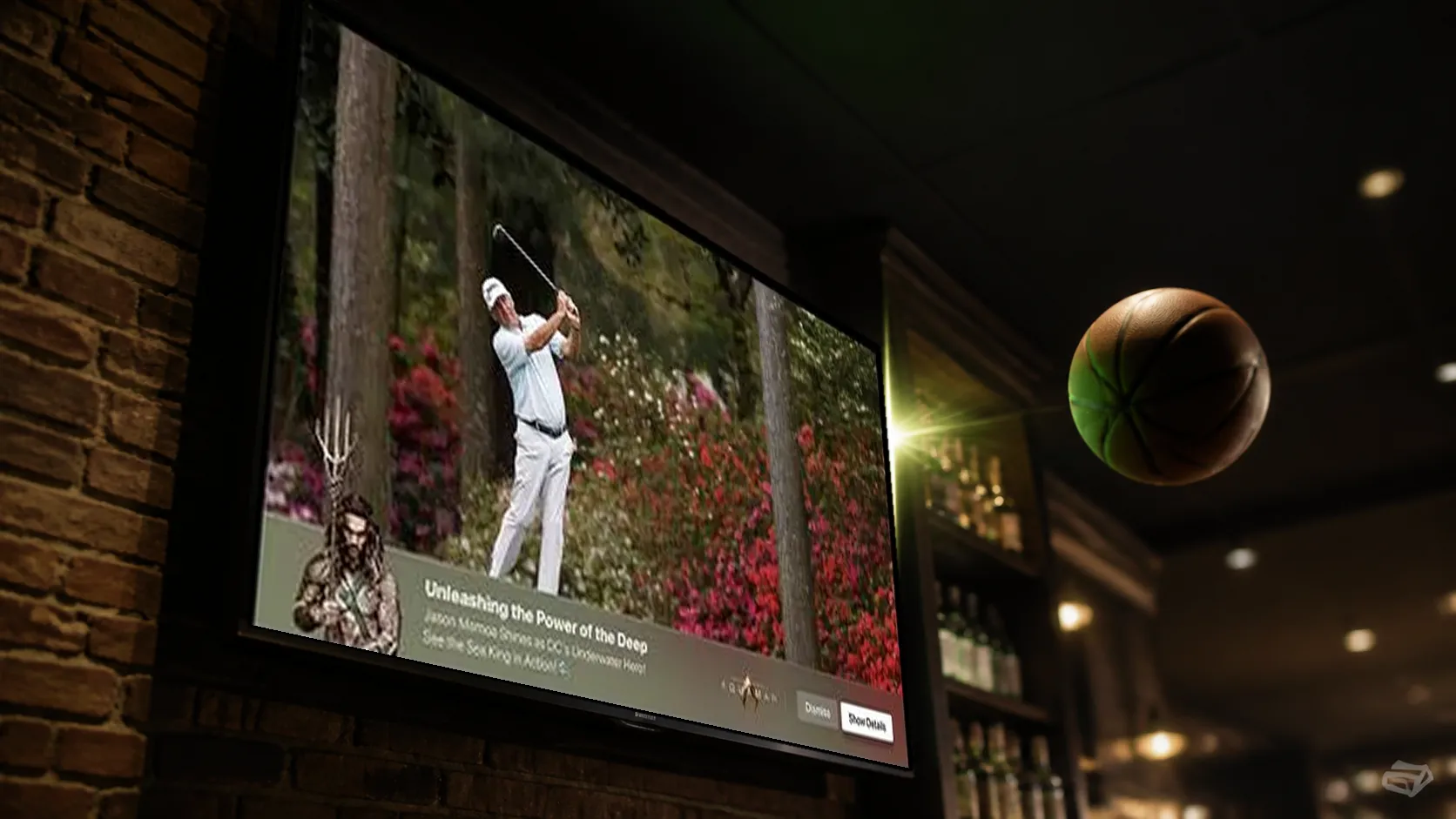
For streaming platforms, pause ads are an effective surface for promoting other content — upcoming games, trending shows, new series. The pause state is a natural moment for "what to watch next" recommendations, and the platform's own recommendation engine can power personalized suggestions.

Platform Readiness

For streaming platforms, the IAB standardization creates an immediate question: is your platform ready to sell standardized pause ads?

The technical requirements include:

Pause event detection. The platform needs to reliably detect when a viewer pauses playback and signal the ad system to request a pause ad creative.

Creative rendering. The platform needs to render the standardized creative format — with proper dimensions, interaction support, and transition animations — across all supported devices.

Programmatic integration. The platform's ad server needs to generate OpenRTB bid requests that signal pause ad inventory with the correct format identifiers and contextual signals.

Measurement reporting. The platform needs to track and report pause ad metrics (impressions, dwell time, interactions, engagement rate) according to the standardized framework.

Live data integration. For platforms offering interactive or stats-enhanced pause ads, the ad system needs to connect with live sports data APIs to generate contextual, real-time content within the ad unit.

Platforms that already have these capabilities — pause detection, overlay rendering, programmatic connectivity, and live data integration — are positioned to immediately capture the demand that standardization is unlocking. Platforms that need to build these capabilities are facing a timeline measured in quarters, not weeks.

The Market Timing

CTV advertising is projected to reach $38 billion in 2026, growing 14% year-over-year. Pause ads represent a growing percentage of that total as standardization enables programmatic scale. The platforms that can offer standardized pause ads with interactive capabilities and live data integration will command premium pricing in a market that's hungry for high-attention, non-disruptive ad formats.

The IAB didn't just standardize a format. It unlocked a market.

Table of Contents

Subscribe to Updates

Receive exclusive content and promotions straight to your inbox.

Thank you! Your submission has been received!
Oops! Something went wrong while submitting the form.

Other Posts

Hey StreamLayer, analyze last play data, players involved, game state, sponsor and generate 2 short promotions.

Key Moment Analysis
Stephen Curry makes 28-foot three point jumper (Andrew Wiggins assists)
Key Moment Analysis
Stephen Curry makes 28-foot three point jumper (Andrew Wiggins assists)
Game Status
1st 7:44
Warriors 13 7 Sacramento
Audience
Identified S.Curry fan in preferences
Dynamic Content Engine
Curry’s is wearing 11 'Championship Mindset'
Dynamic Content Engine
Curry’s is wearing 11 'Championship Mindset'
Key Moment Analysis
Stephen Curry makes 28-foot three point jumper (Andrew Wiggins assists)
Game Status
1st 7:44
Warriors 13 7 Sacramento
Audience
Identified S.Curry fan in preferences
Dynamic Content Engine
Curry’s is wearing 11 'Championship Mindset'
Key Moment Analysis
Stephen Curry makes 28-foot three point jumper (Andrew Wiggins assists)
Game Status
1st 7:44
Warriors 13 7 Sacramento
Audience
Identified S.Curry fan in preferences
Dynamic Content Engine
Curry’s is wearing 11 'Championship Mindset'

Insightful engagement.

StreamLayer’s AI analyzes extensive data sets post-event to uncover what drives engagement, continuously optimizing interactive content to deliver peak performance every time.

Discover Ad Platform  􀄫