Programmatic Pause Ads: A Publisher and Buyer Guide
September 18, 2026 · StreamLayer
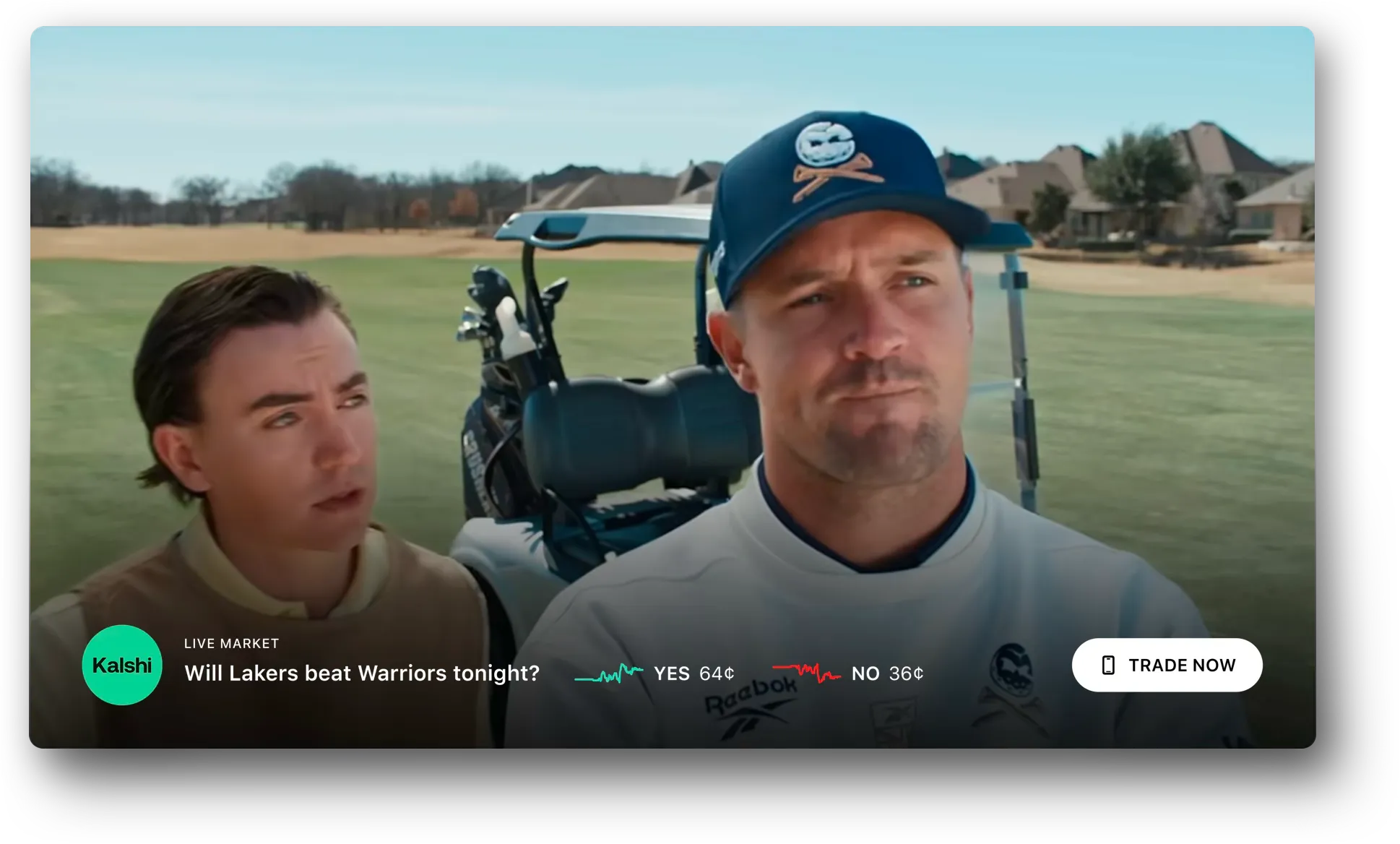
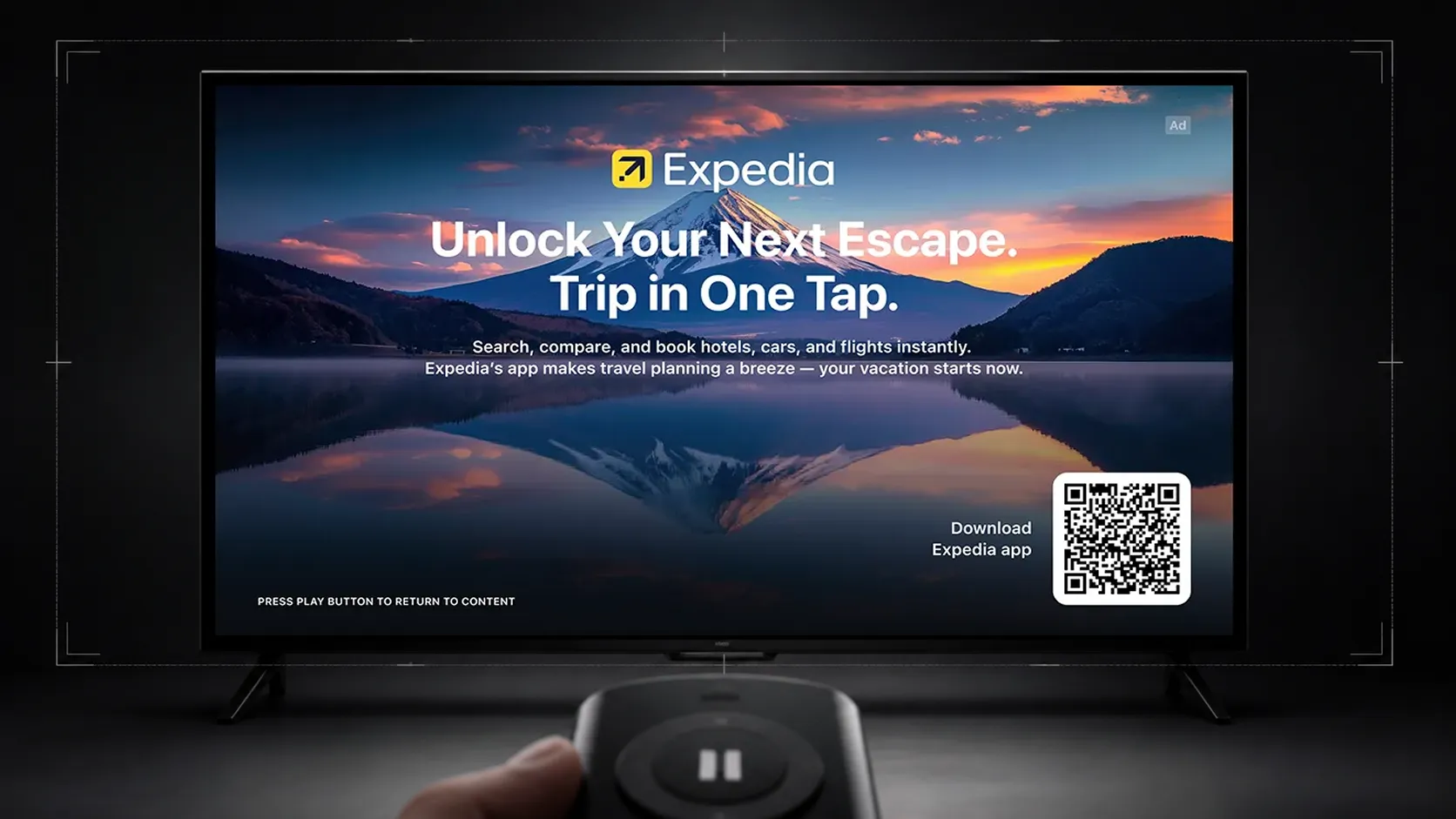
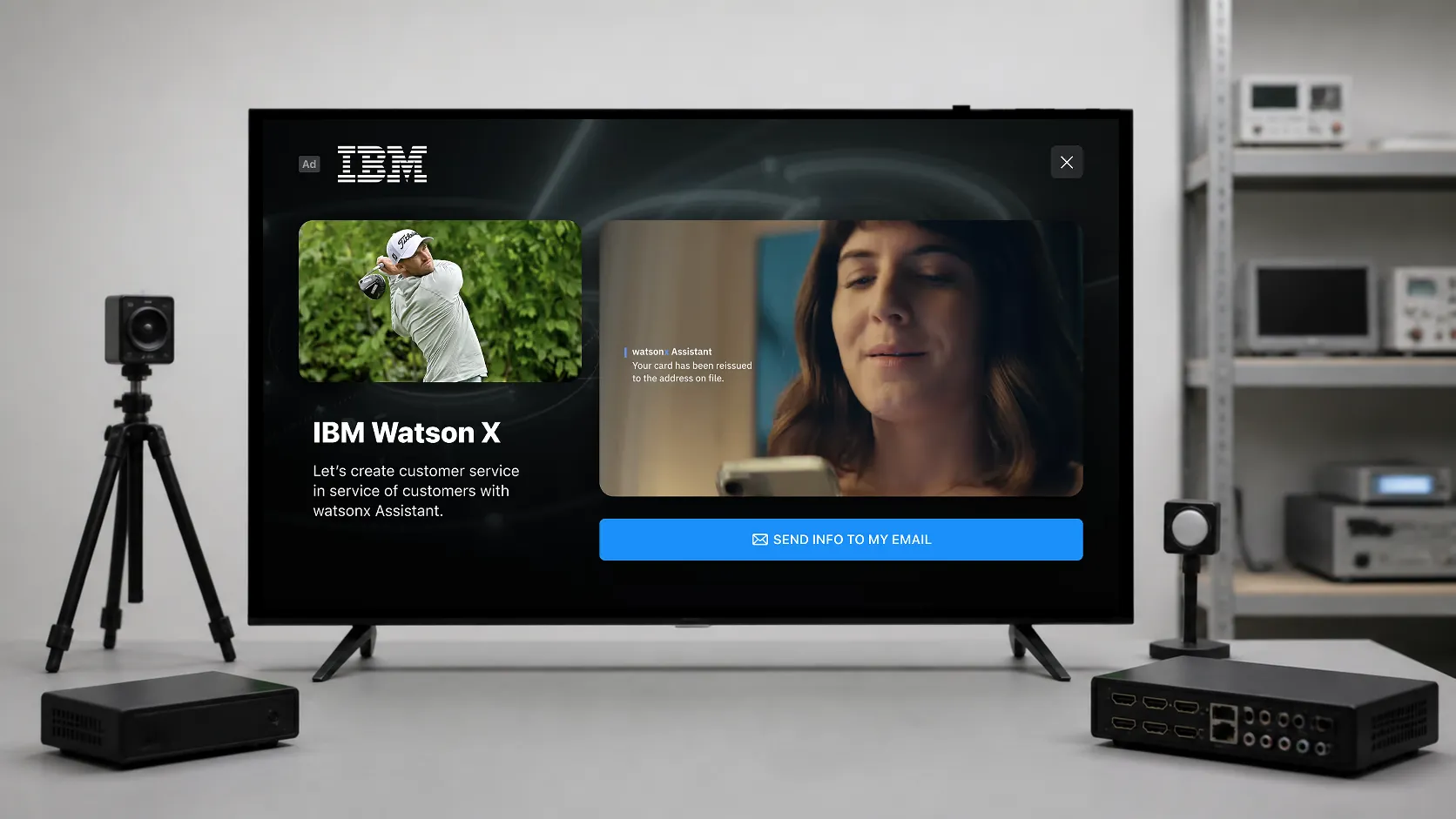
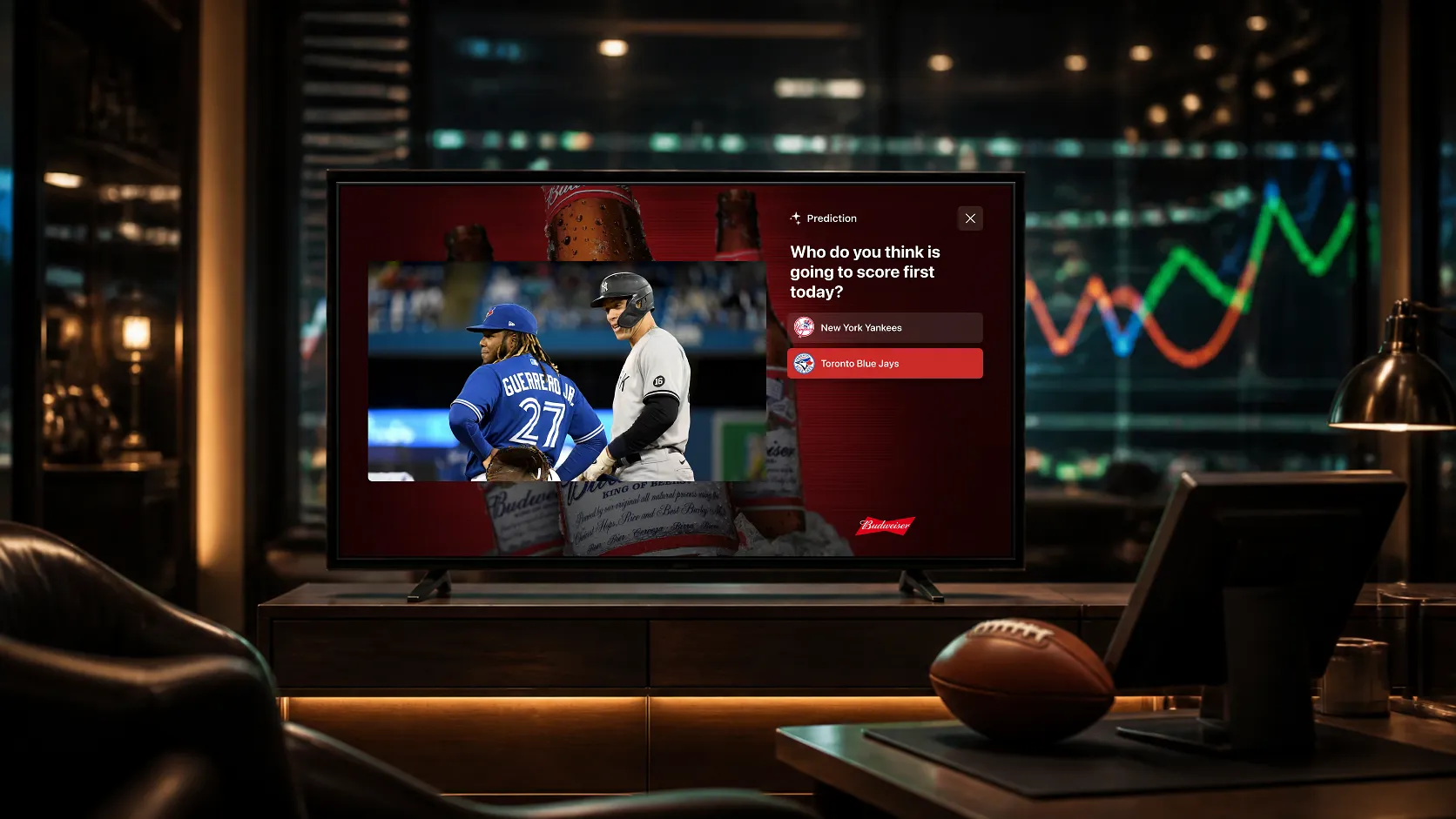
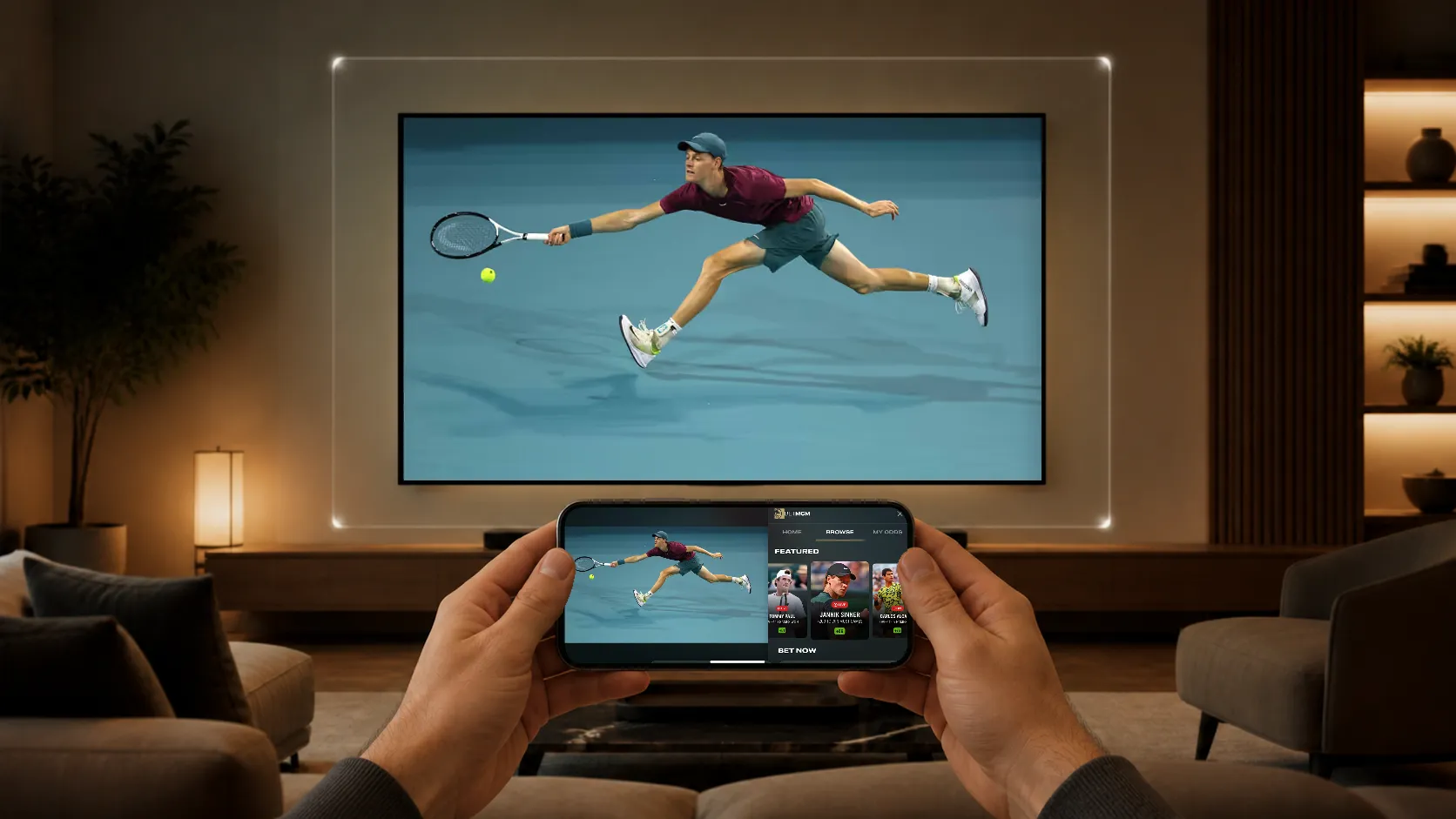
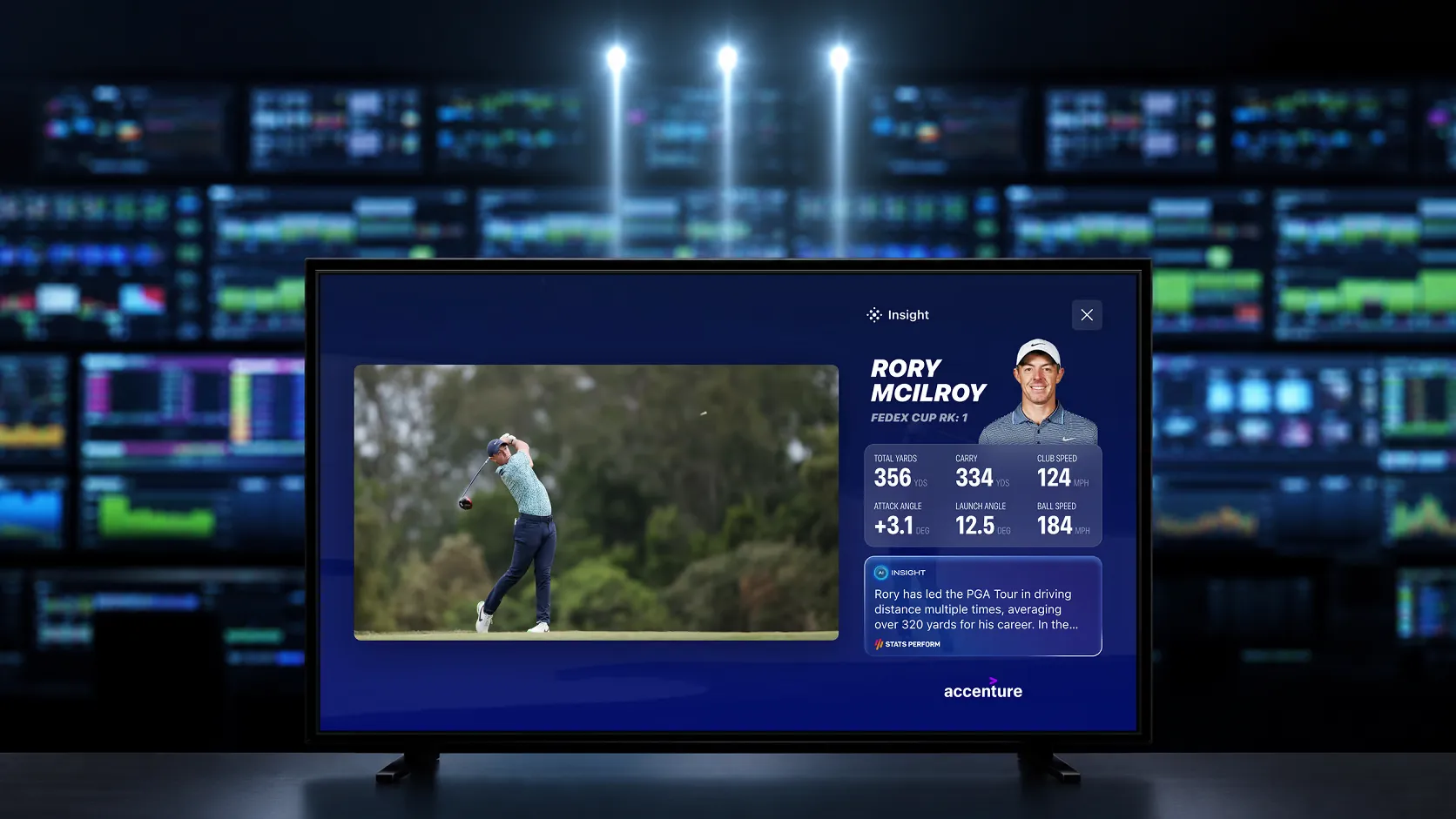
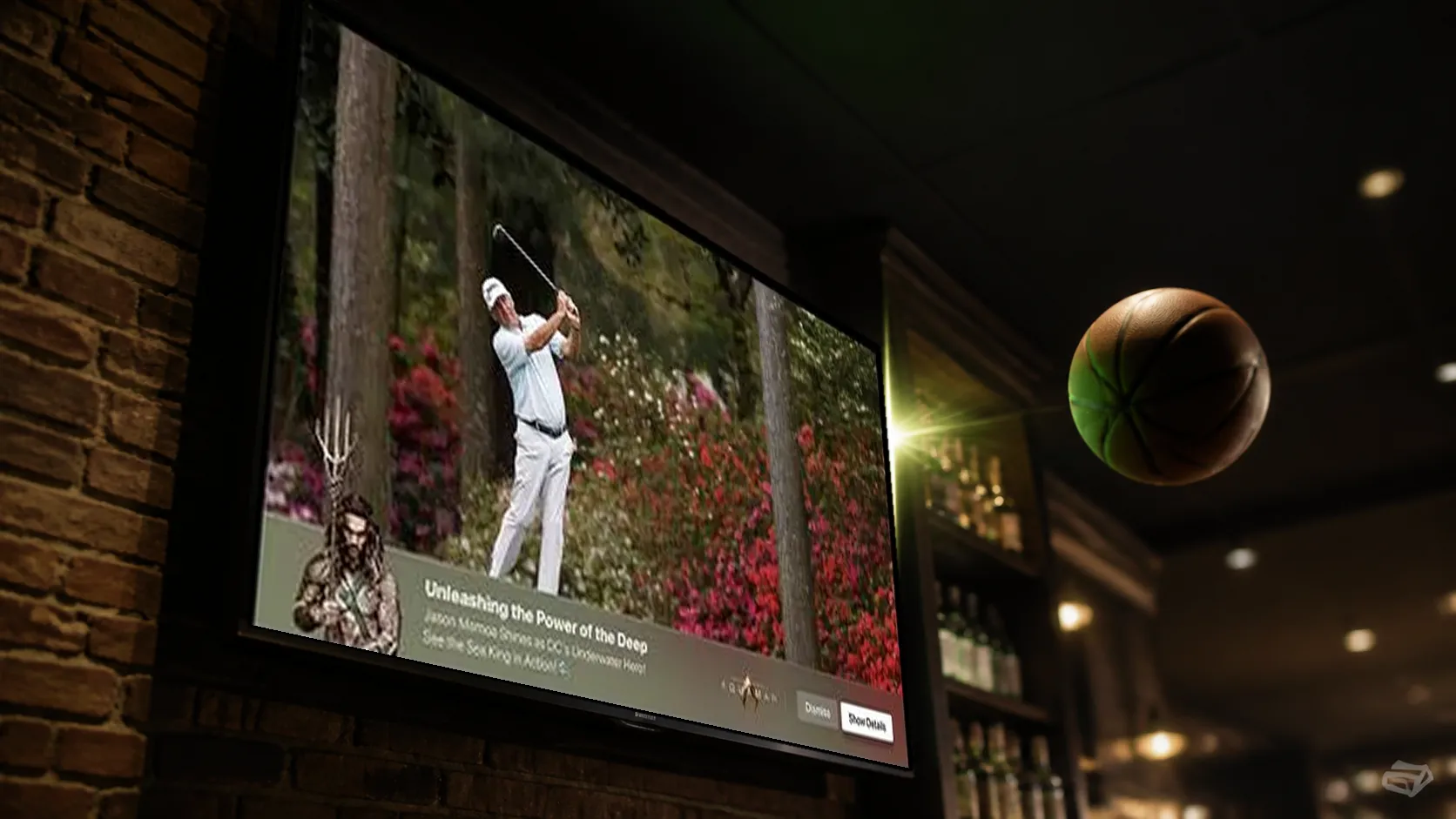
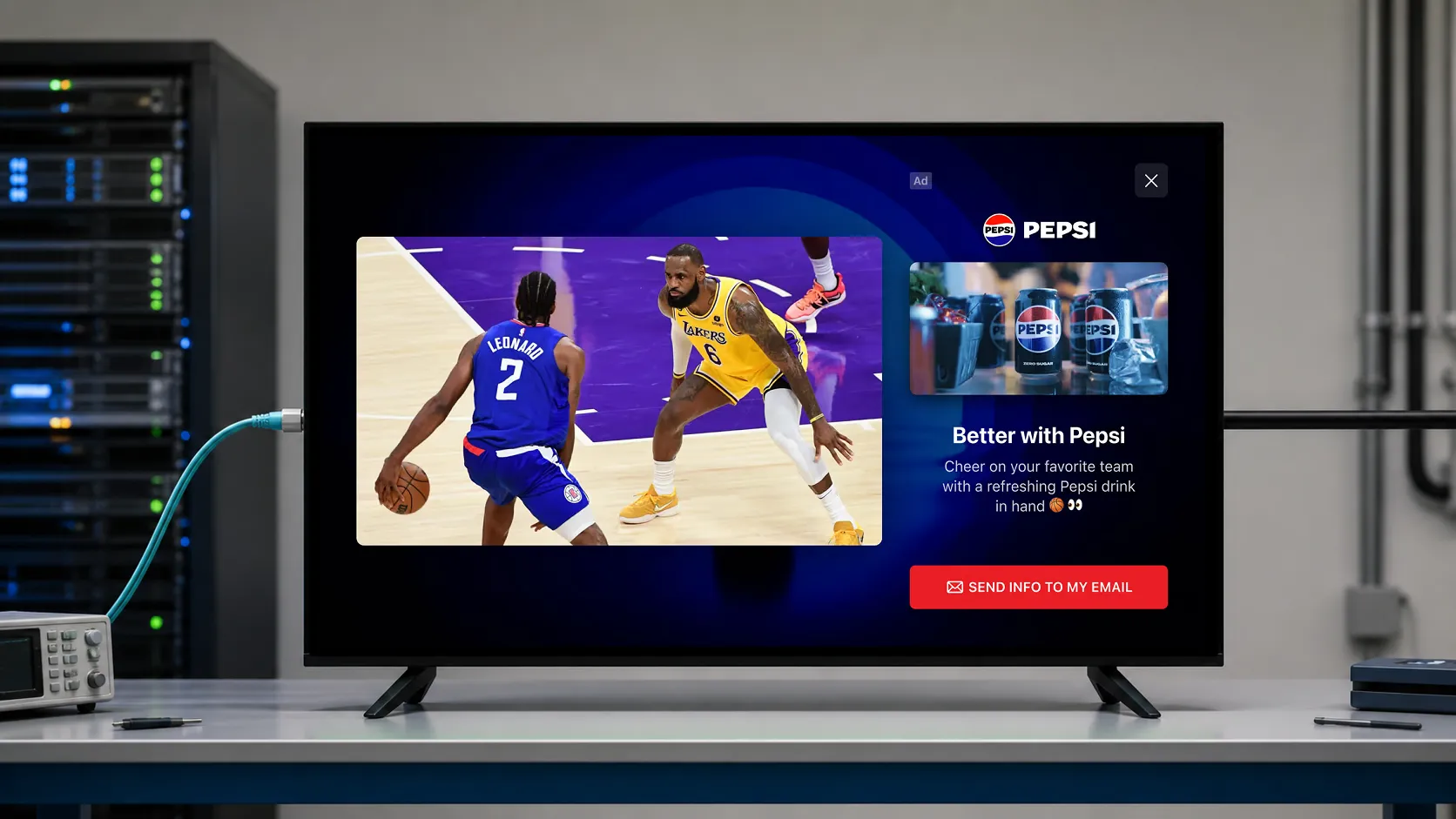
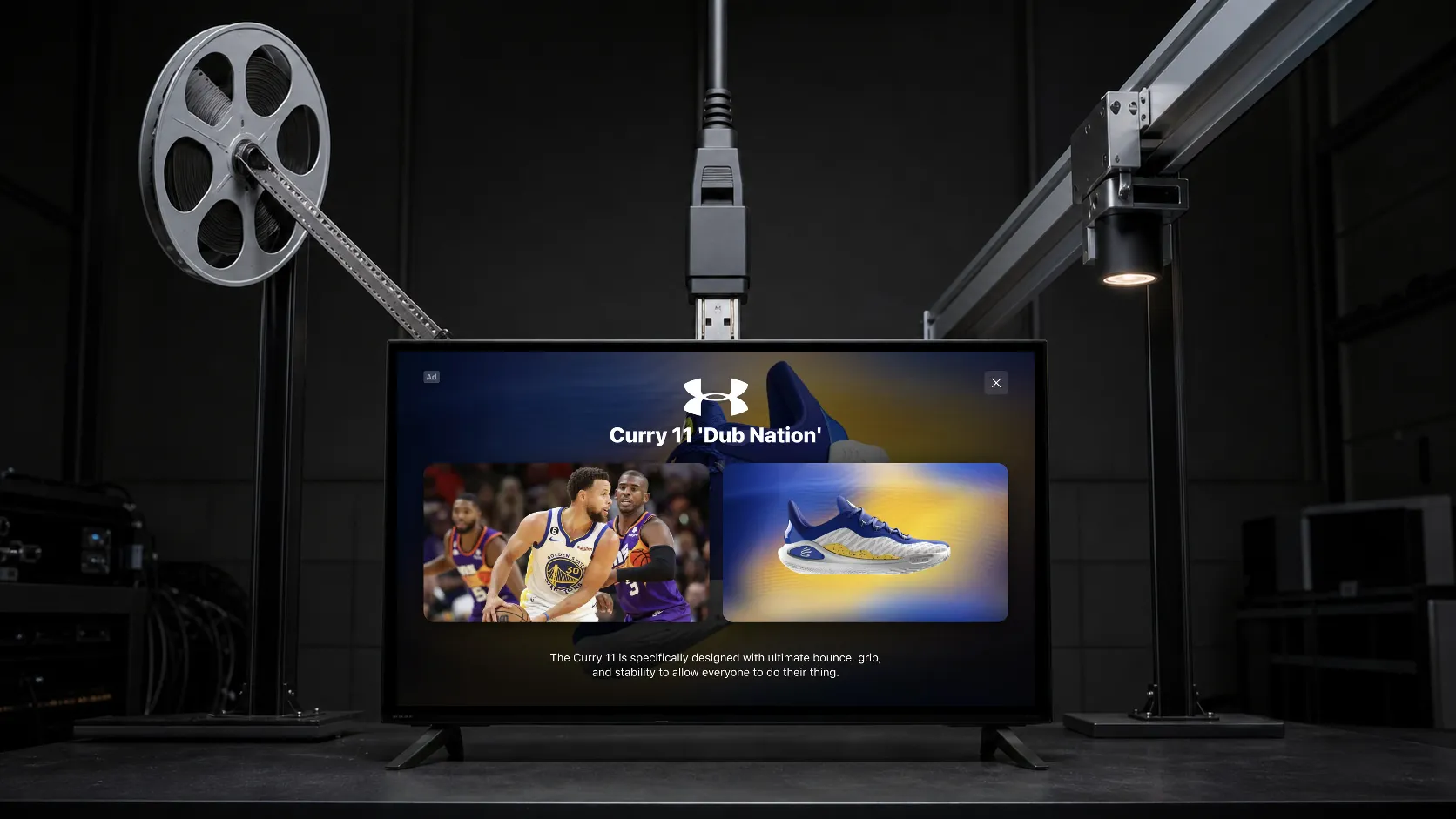
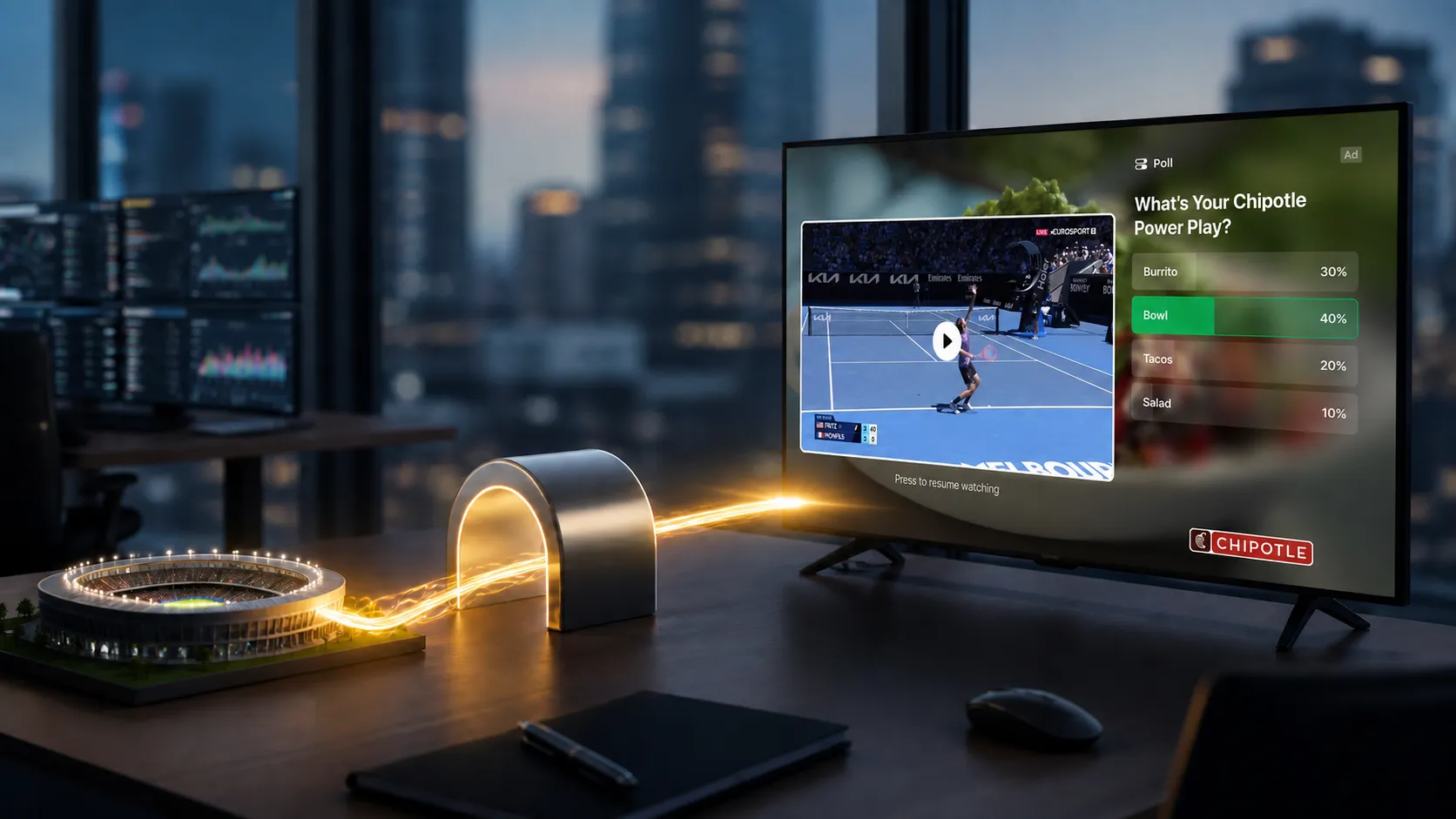
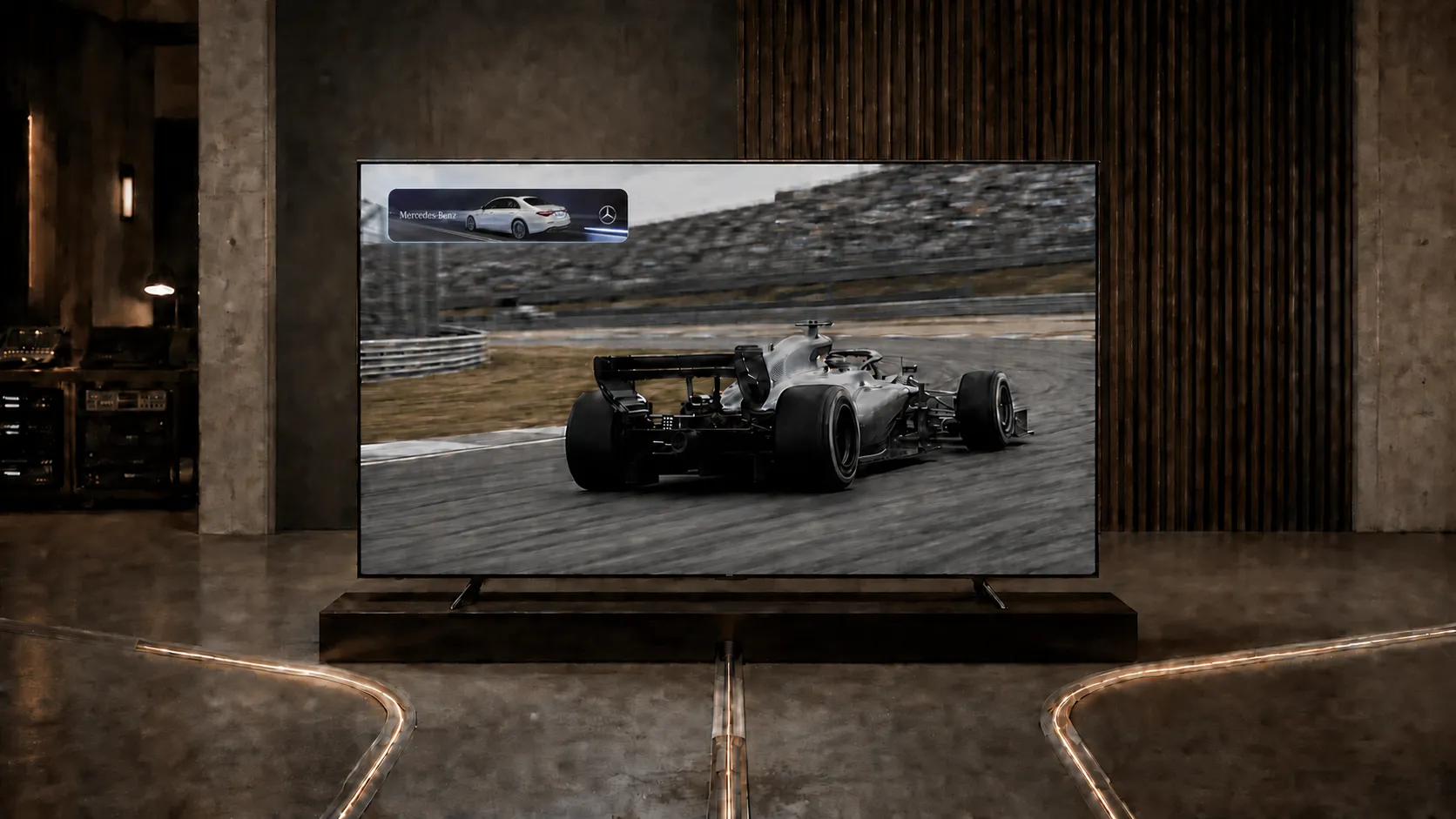
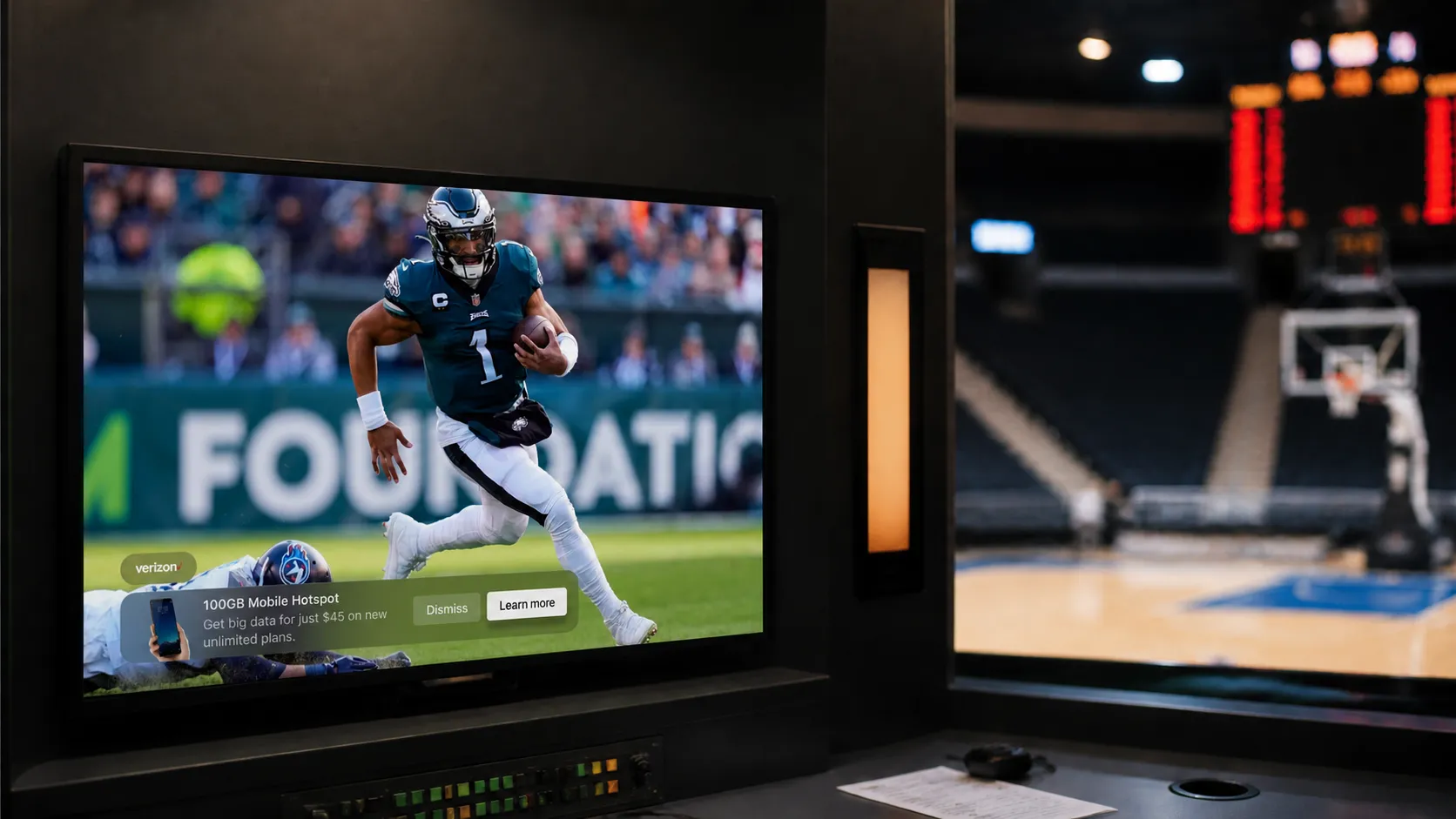
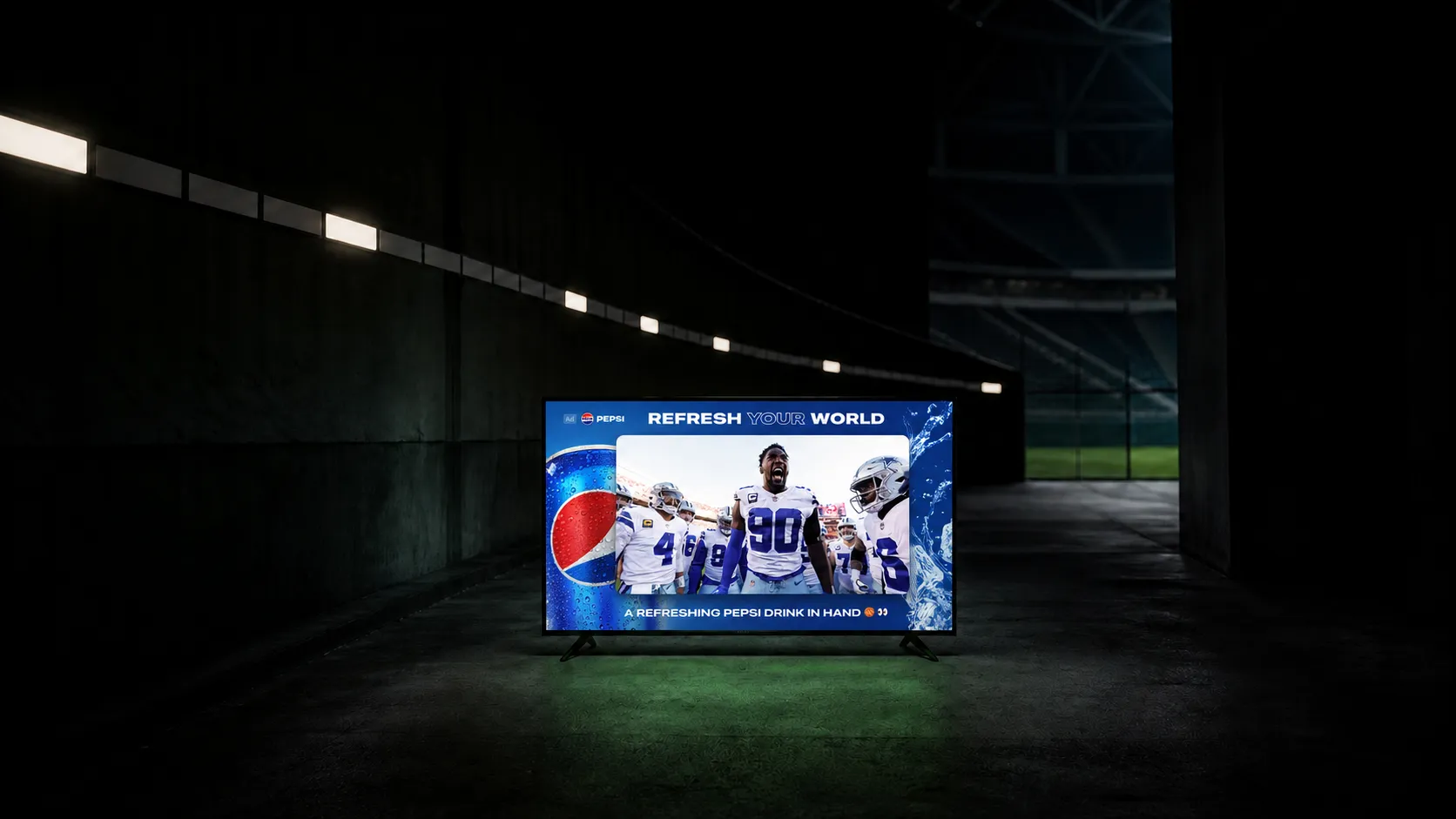
Programmatic pause ads are pause placements transacted through a supported advertising supply and buying path. A viewer’s eligible pause creates the opportunity; the publisher’s configured systems handle availability, ad selection, delivery, and reporting.
Implementing the placement and buying the inventory are separate jobs. A publisher needs an app integration. An advertiser needs access to a publisher’s available inventory through an agreed buying route.
Who does what?
- Publisher or app operator: controls the app, placement eligibility, viewer experience, and commercial inventory.
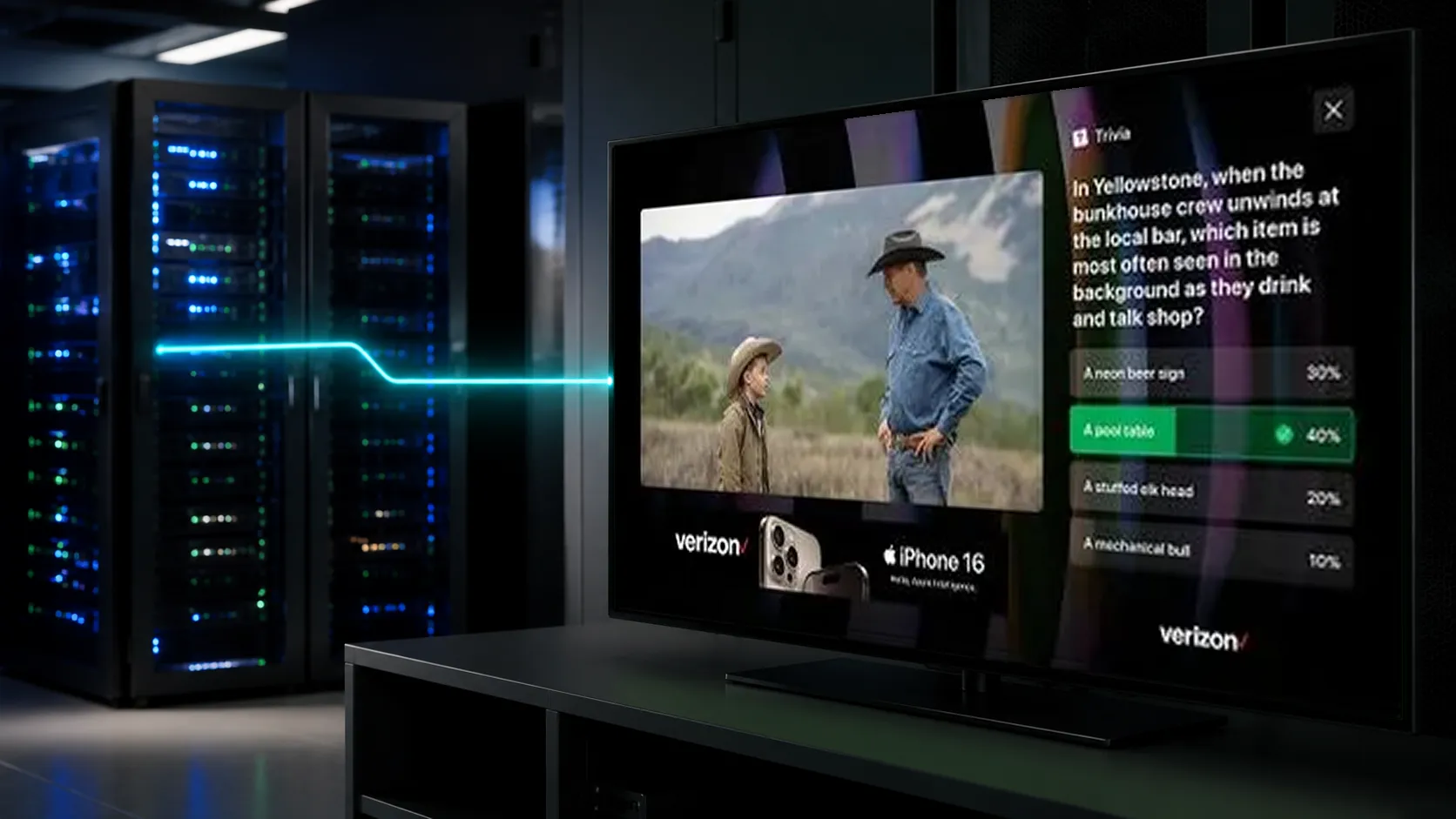
- StreamLayer: uses StreamLayer SGAI orchestration and its client SDK to present supported interactive pause creative inside the app.
- Ad server and supply partners: handle their configured decisioning, inventory, and transaction responsibilities.
- SSP: makes eligible supply available through the supported programmatic path and runs the auction where applicable.
- DSP and advertiser: apply buying criteria, bids, campaign settings, and approved creative.
StreamLayer does not replace the SSP or DSP. The precise sequence and request ownership depend on the integration. Agree on the handoffs before treating a diagram as a production workflow.
Direct-sold, private marketplace, and other programmatic paths
A direct-sold pause campaign can use a publisher’s agreed creative and delivery commitment. A private marketplace connects selected buyers to an agreed inventory package. Other programmatic arrangements depend on support across the publisher, supply partner, and buyer.
Google’s Display & Video 360 pause ads documentation, checked September 18, 2026, describes publisher-specific direct deals and asks buyers to confirm creative requirements. It is an example of why buying availability must be verified for the actual route, rather than inferred from a platform’s general CTV support.
What should a publisher confirm before offering inventory?
Confirm the app integration, target devices, pause behavior, placement format, and advertising rights. For third-party distribution, the app or platform operator needs to participate. A channel owner cannot add an SDK-rendered pause placement to another company’s app solely by changing the video feed.
Next, agree on format signaling, creative acceptance, eligible reach, pricing or deal terms, impression counting, and reporting. Validate the supported specification versions with each partner using the CTV pause ad standards checklist.
What should an advertiser ask before buying pause ads?
- Which publishers, applications, devices, and markets are included?
- What layout and creative assets are accepted?
- What transaction route and deal setup are required?
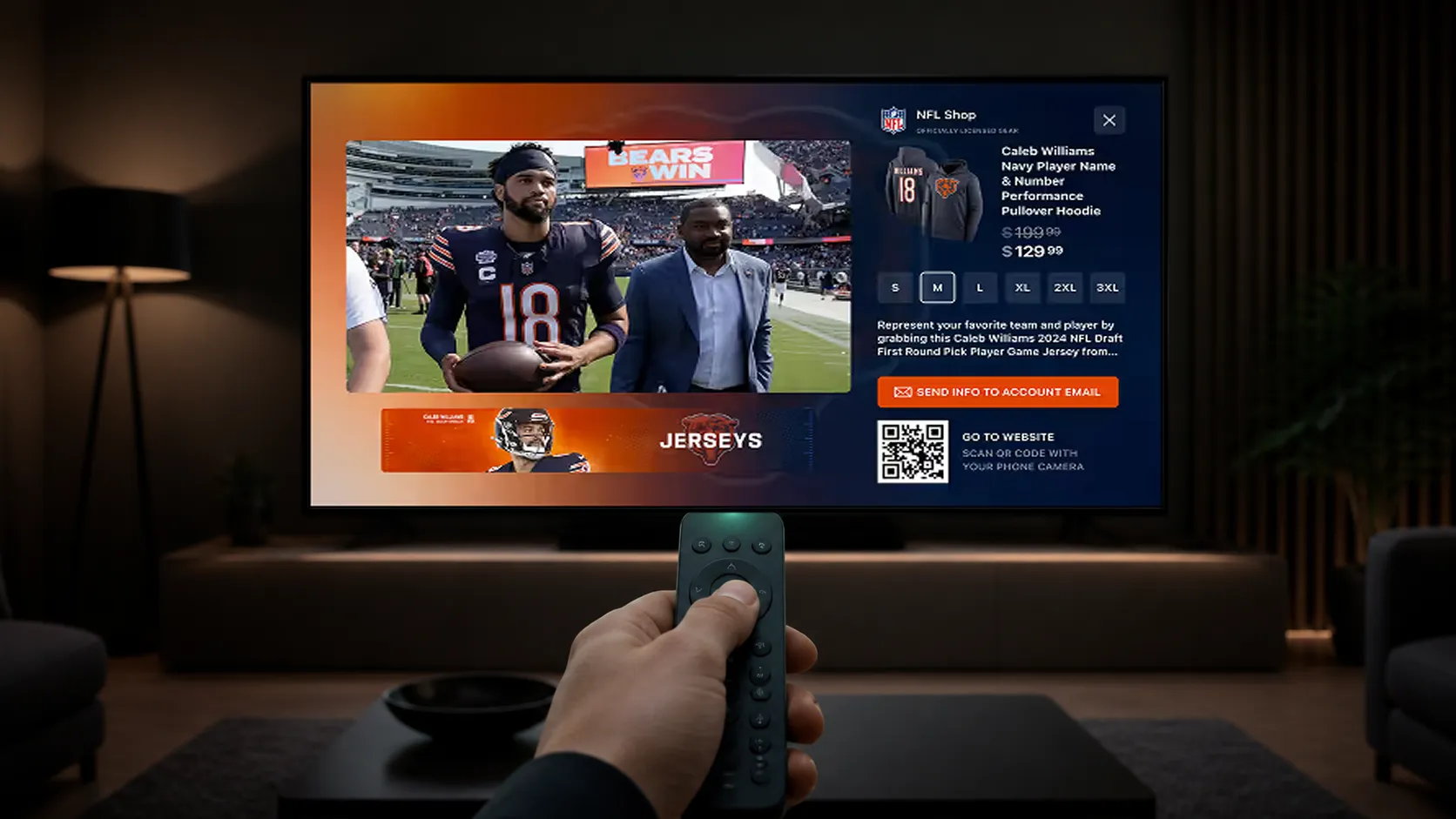
- Which QR, remote-control, or shopping actions are supported?
- When is an impression counted, and which events appear in reporting?
- What scale is available under the agreed eligibility and frequency rules?
StreamLayer’s SDK deployment footprint is not the same as inventory available for a particular campaign. Confirm the package and delivery path before committing a media plan.
How should the delivery path be tested?
Use representative CTV devices to test eligible and ineligible pauses, creative arrival, no-fill responses, timeouts, and resume behavior. A late creative must not appear after playback has restarted. The ad should close with the pause session, and duplicate callbacks should not inflate impression counts.
Reconcile app-side renders with the ad server and supply reports. Agree on discrepancy handling and on which system owns each event. Keep QR scans, remote interactions, and downstream conversions separate.
Where does StreamLayer fit?
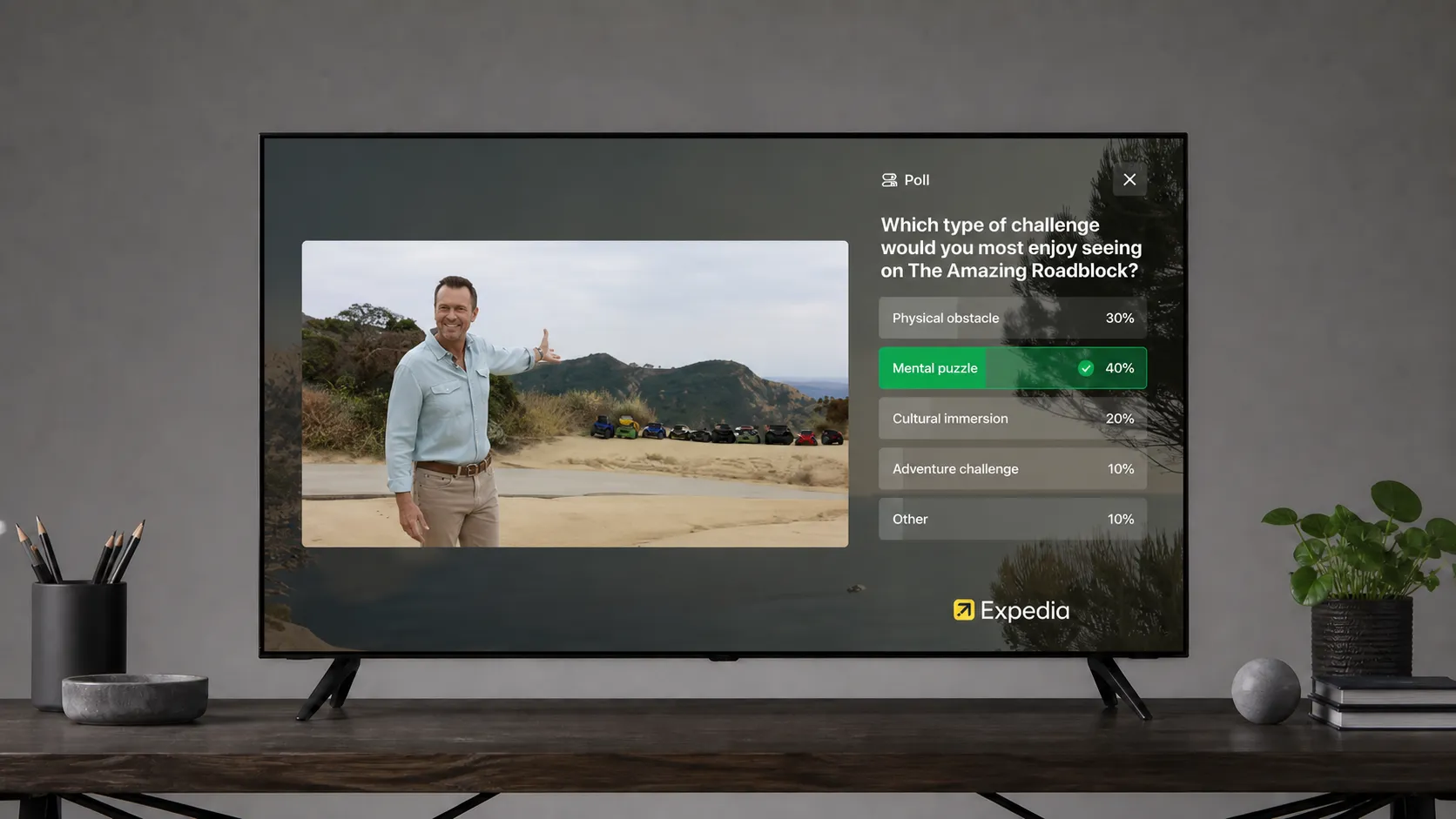
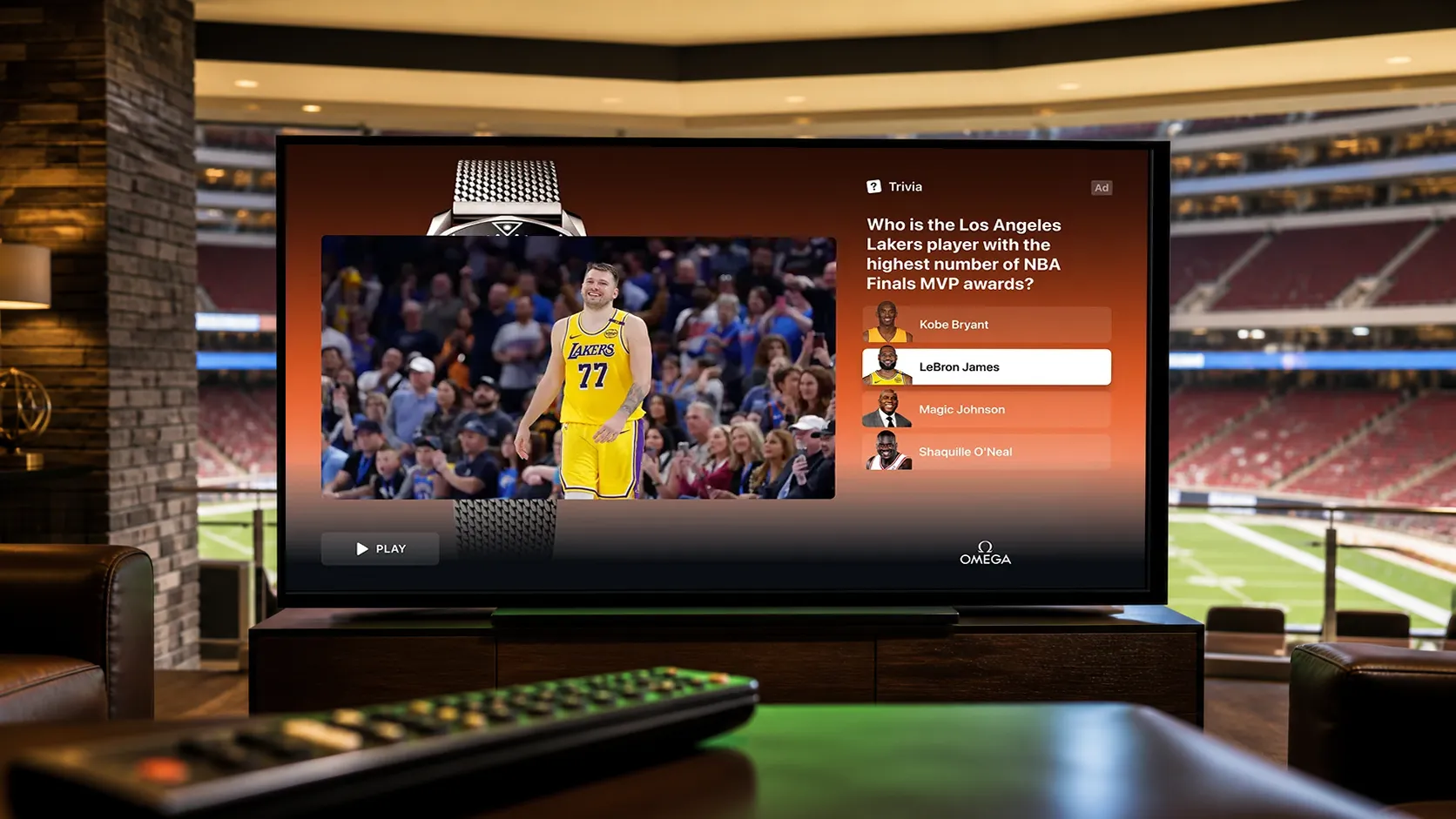
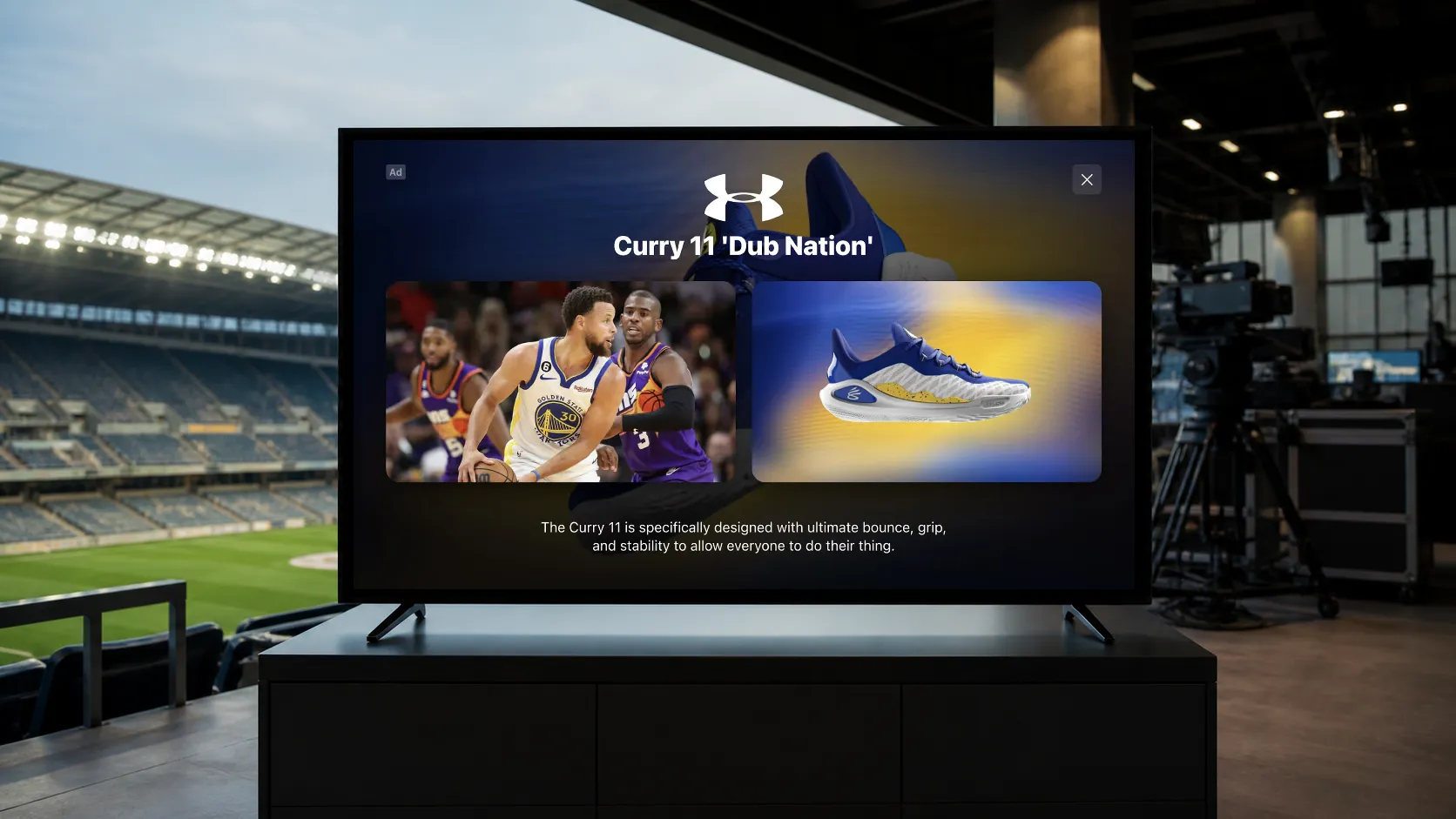
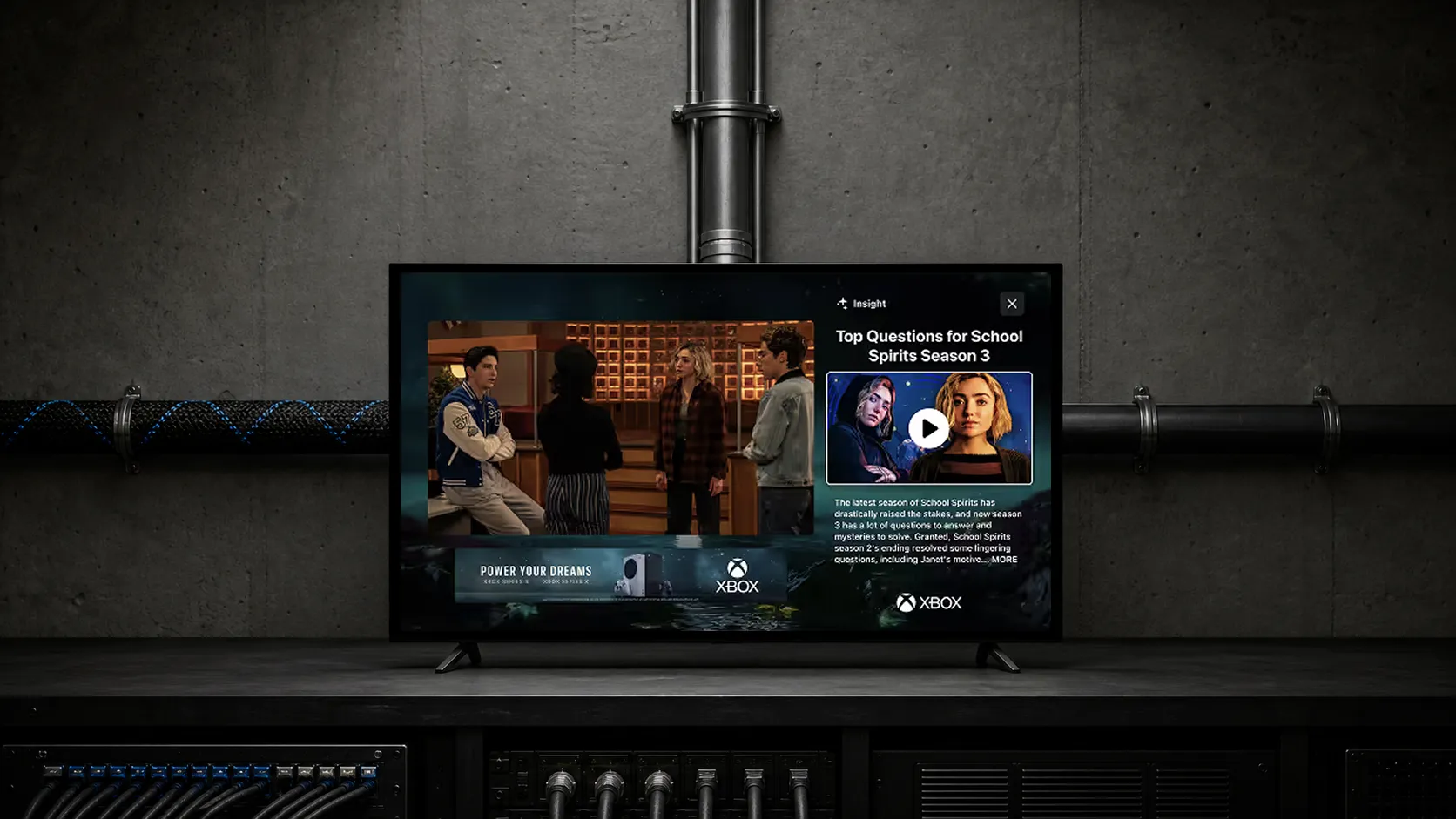
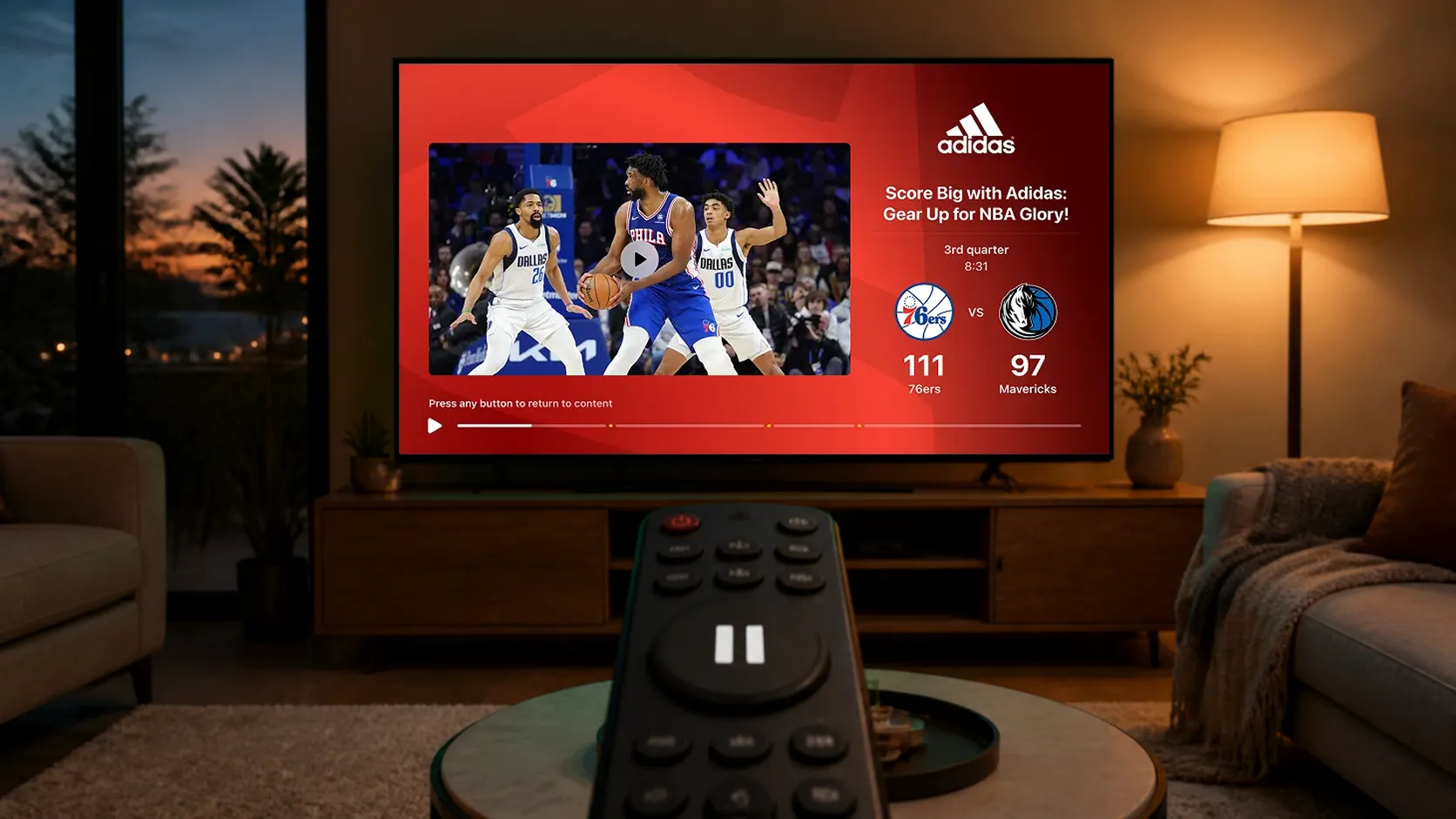
StreamLayer’s pause ad platform helps publishers add interactive pause inventory alongside their existing video and monetization workflows. StreamLayer Pause Ads use still imagery or subtle, silent ambient motion that preserves the feeling of a paused scene; eligible actions and delivery paths are configured for the integration.
For creative planning, read the examples and specifications guide. For commercial evaluation, use the measurement and revenue framework. Talk to StreamLayer about the setup for your application.