Understand the products. See what’s possible.
How FAST platforms and owned streaming apps add pause, contextual and interactive ads, and what channel owners on third-party platforms can do.
How RSNs can add streaming ad inventory for local sponsors without adding commercial breaks or changing their SSAI setup.
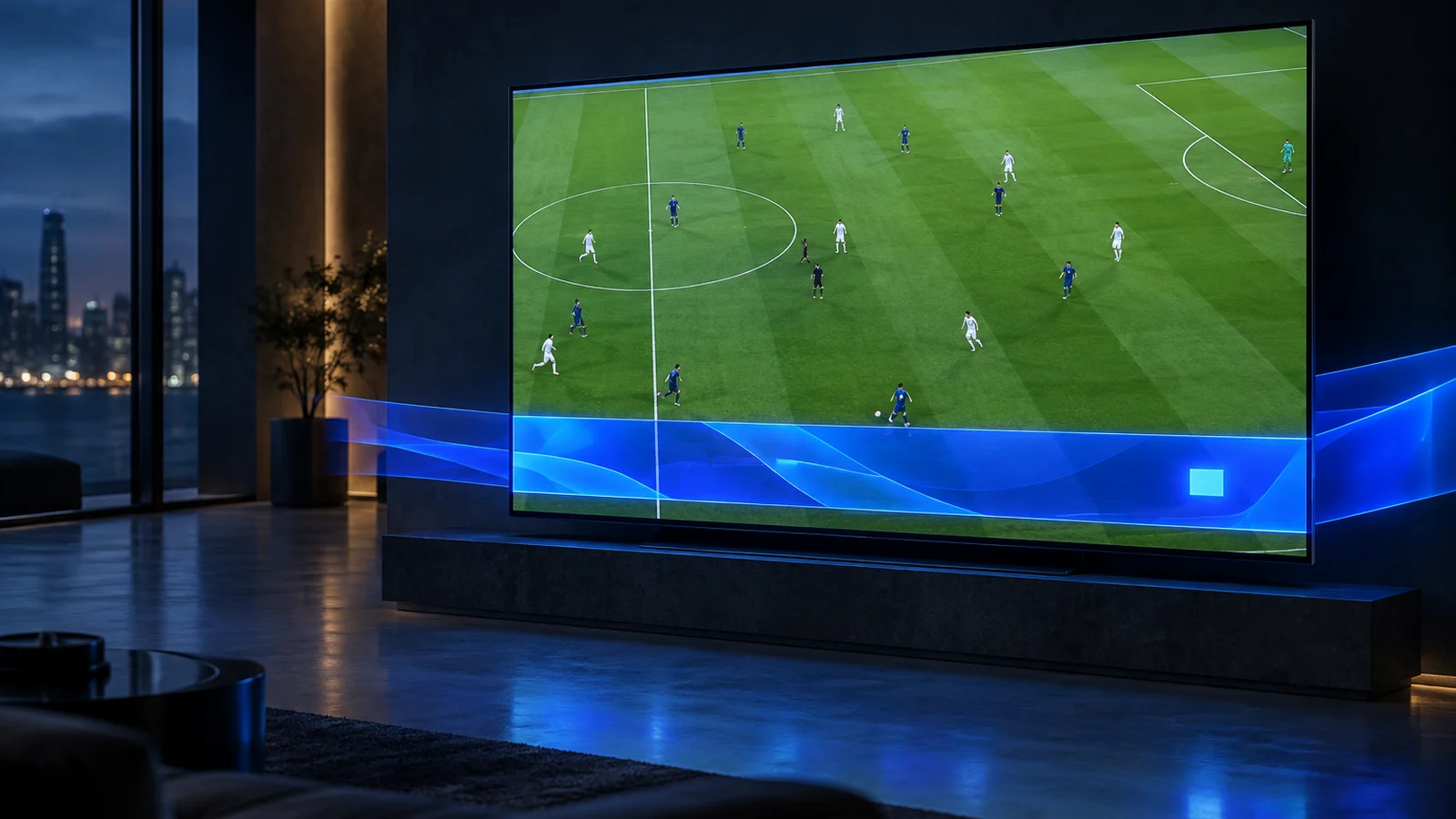
How CTV overlay ads run during live content or on top of a stitched spot, and how publishers keep them from covering the action.
A guide to nonlinear ads in streaming and CTV: formats, delivery through CSAI, SSAI and SGAI, IAB standards, publisher controls and measurement.
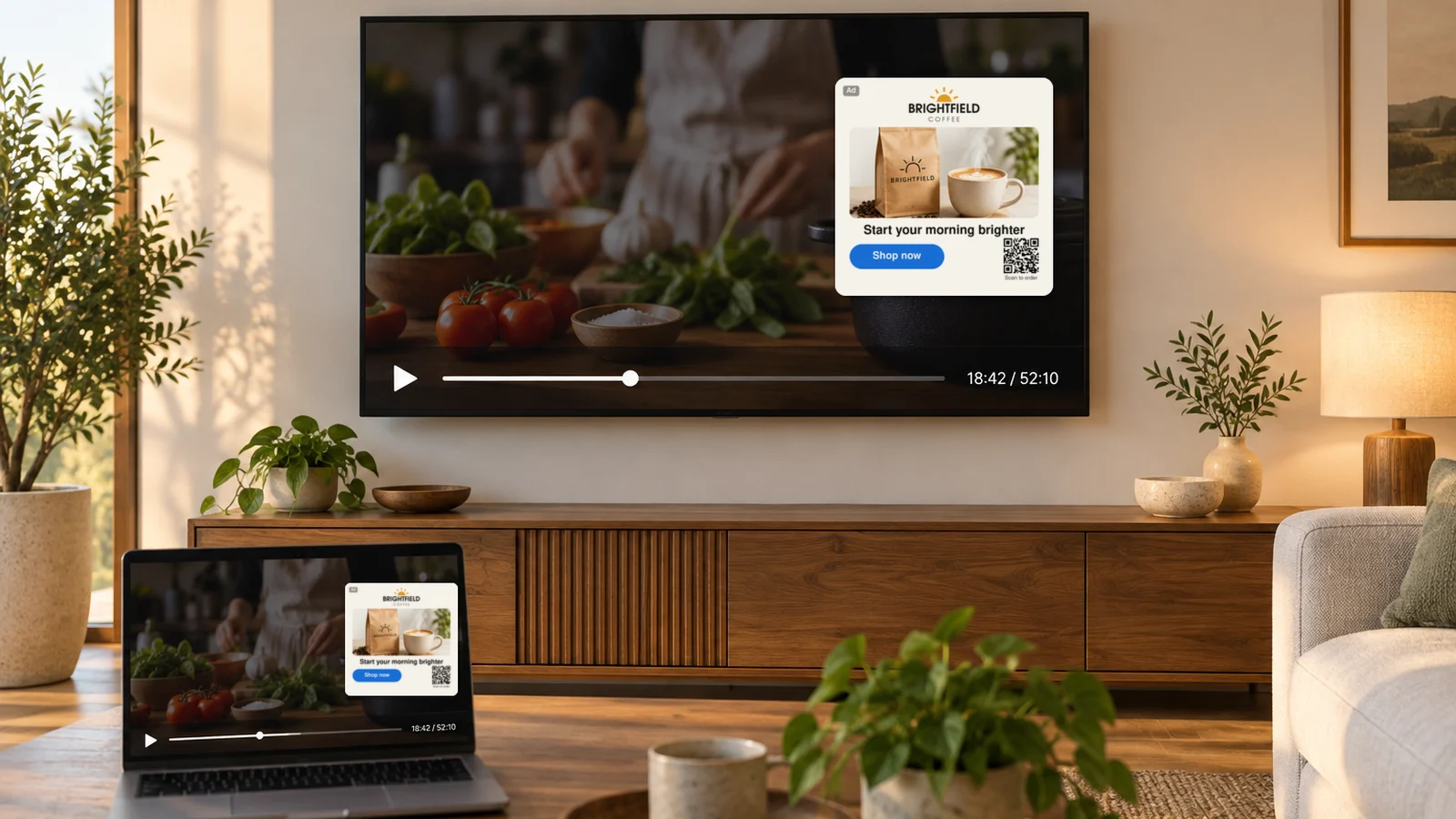
A platform-by-platform guide to adding pause ads to streaming apps: SDKs, pause and resume signals, remote focus and layout on each device.
Who does what in the pause ad supply chain, from media owners and SSPs to DSPs and in-app rendering technology, and how a publisher should choose.
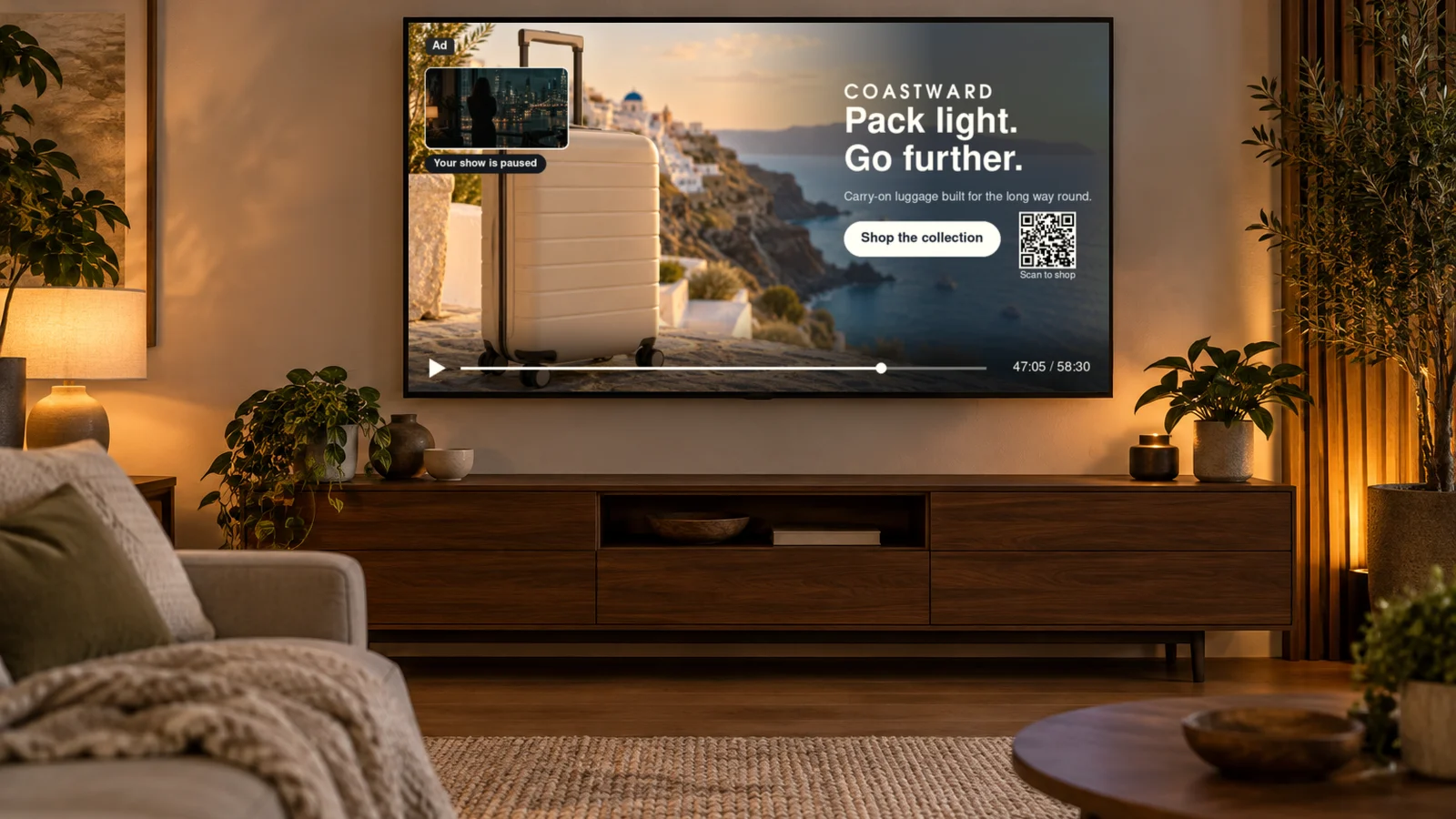
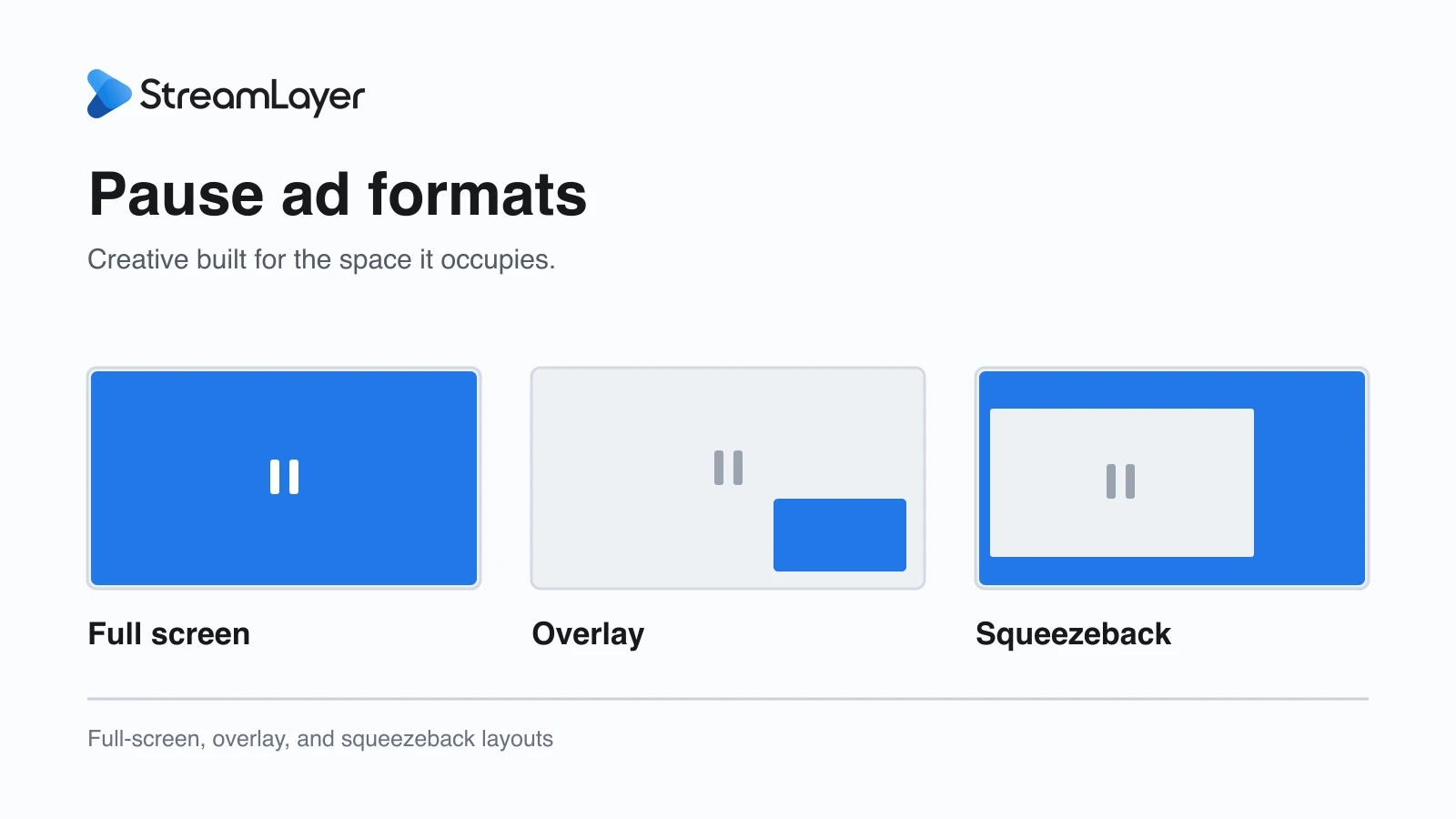
How full-screen (full-bleed) pause ads work on CTV, when to choose them over overlay or side-bar layouts, and how they are sold.
How sponsored lower third graphics work in live sports streams, and how SDK-rendered lower thirds differ from banners and burned-in graphics.
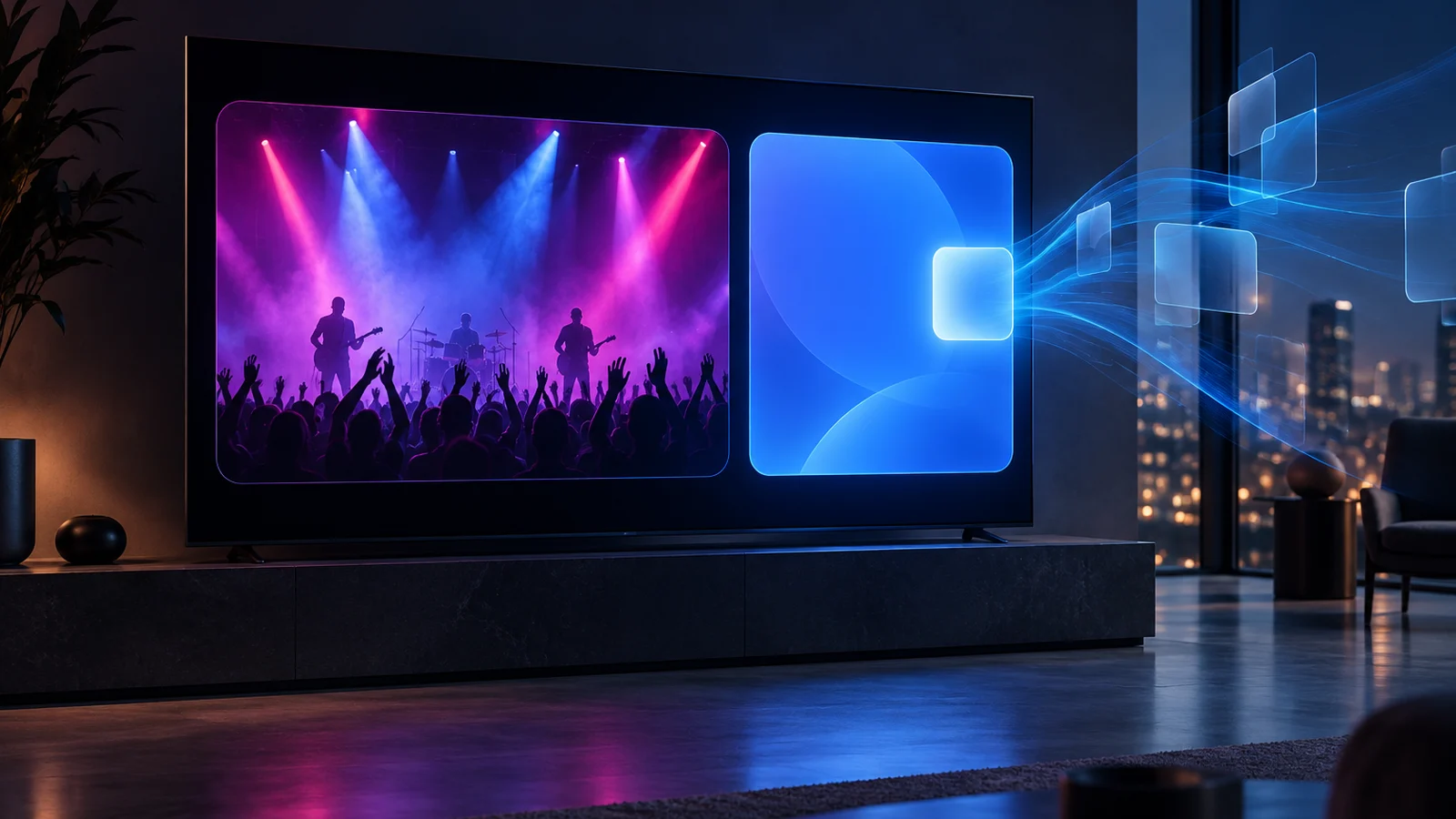
How double box ads, also called split-screen or side-by-side ads, keep live sports on screen during the break, and how streaming apps deliver them.
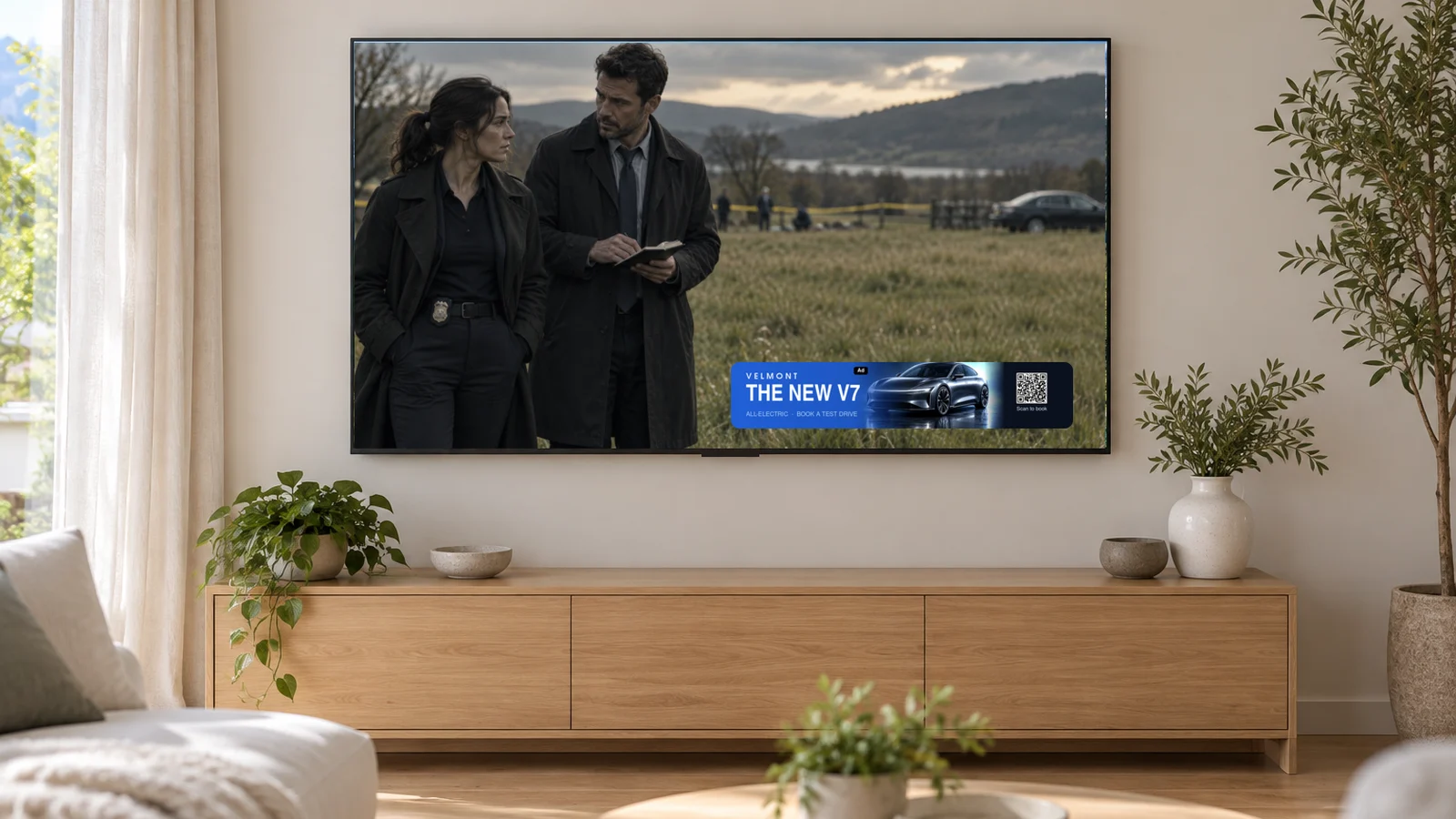
How CTV banner ads work, from interactive bottom banners on stitched SSAI spots to banner-style overlays during live programming.
What squeezeback ads are, how L-bar, side-bar and frame layouts work in streaming apps, and where they run in live sports and SSAI breaks.
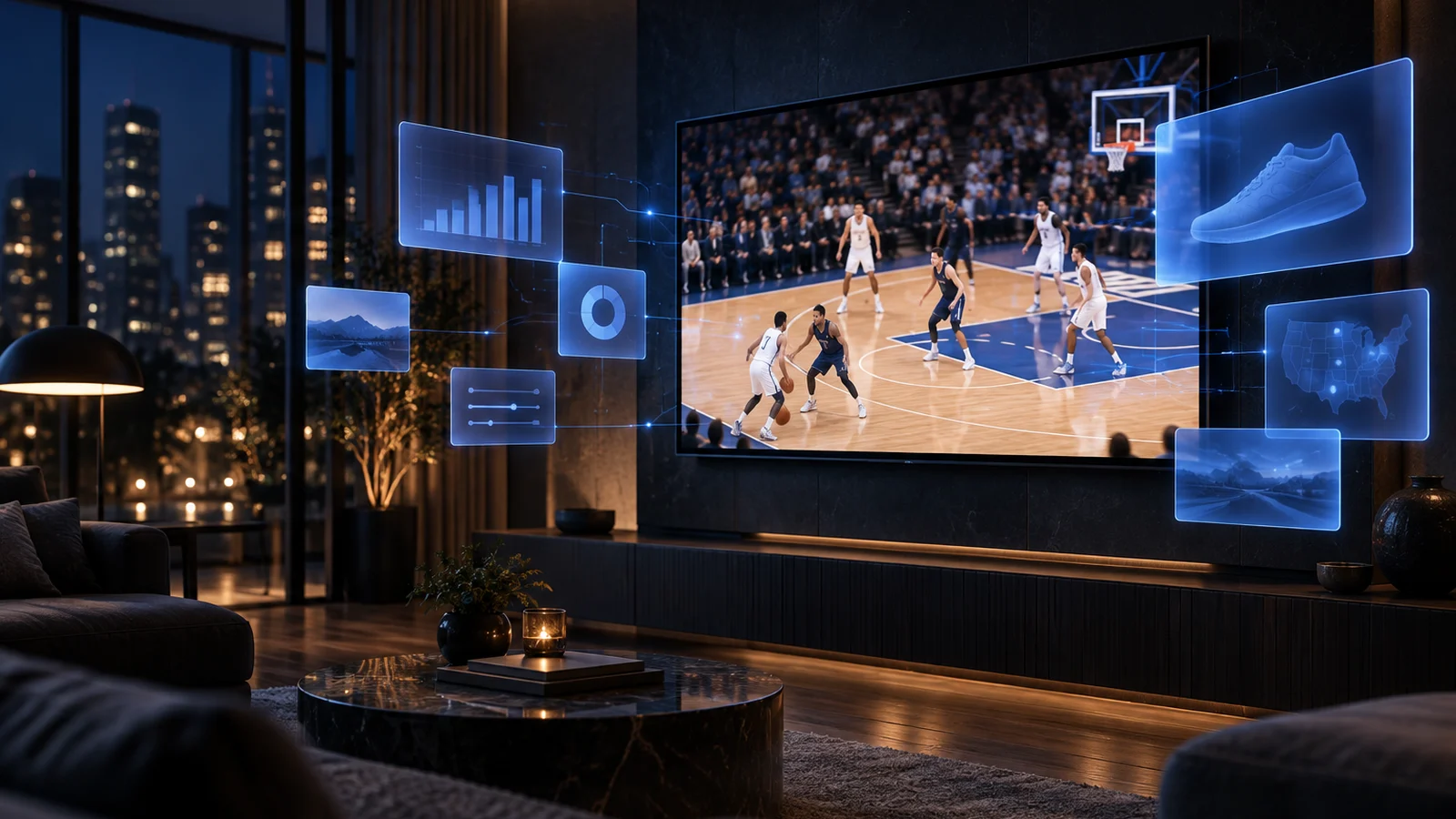
Connect advertising to the events, scenes, and topics viewers are watching across live programming, VOD, and FAST channels.
Choose a layout. Prepare the creative.
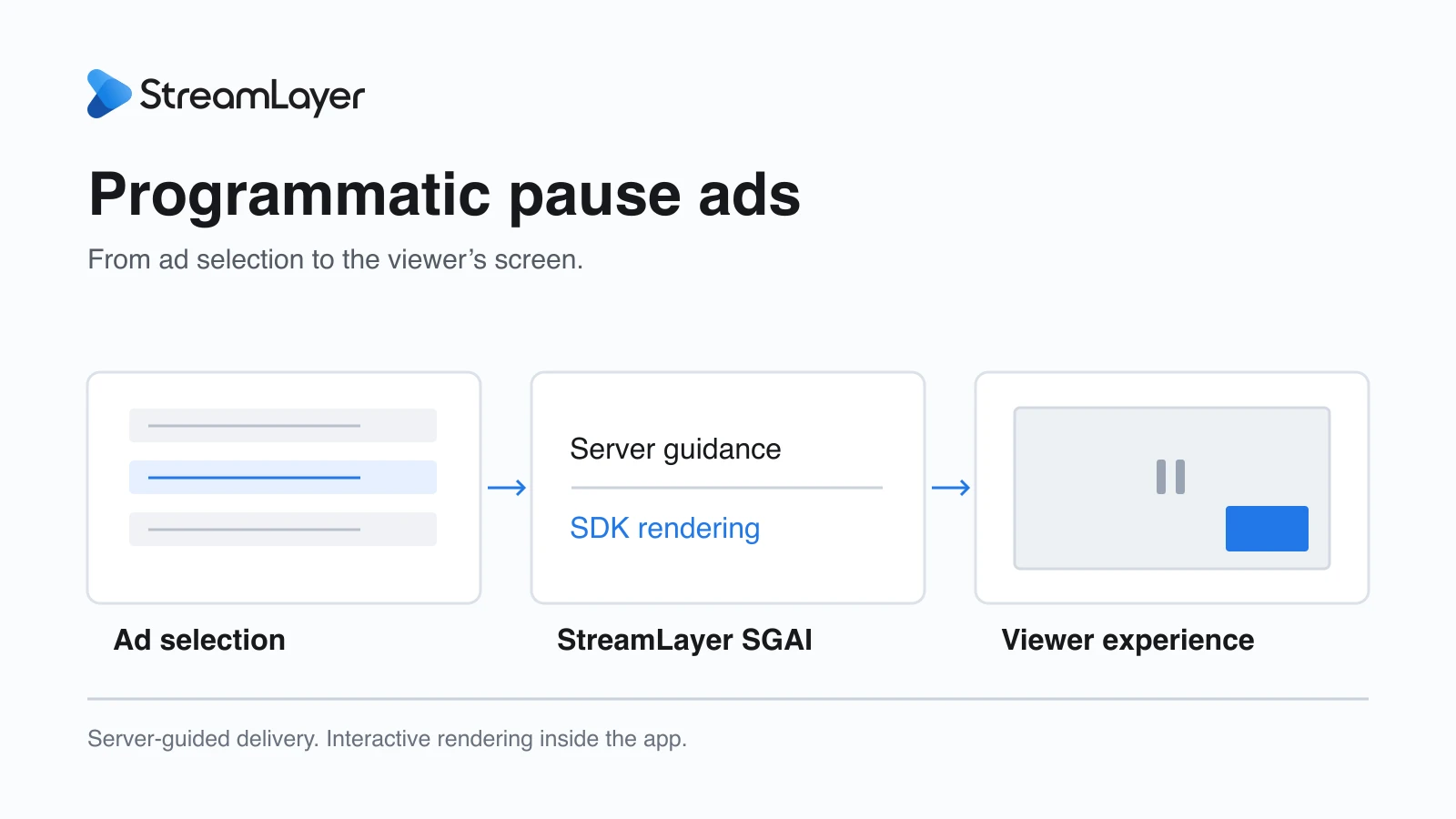
How to sell pause ads programmatically: who does what, which buying routes fit, how IAB signaling helps buyers, and what to test before launch.
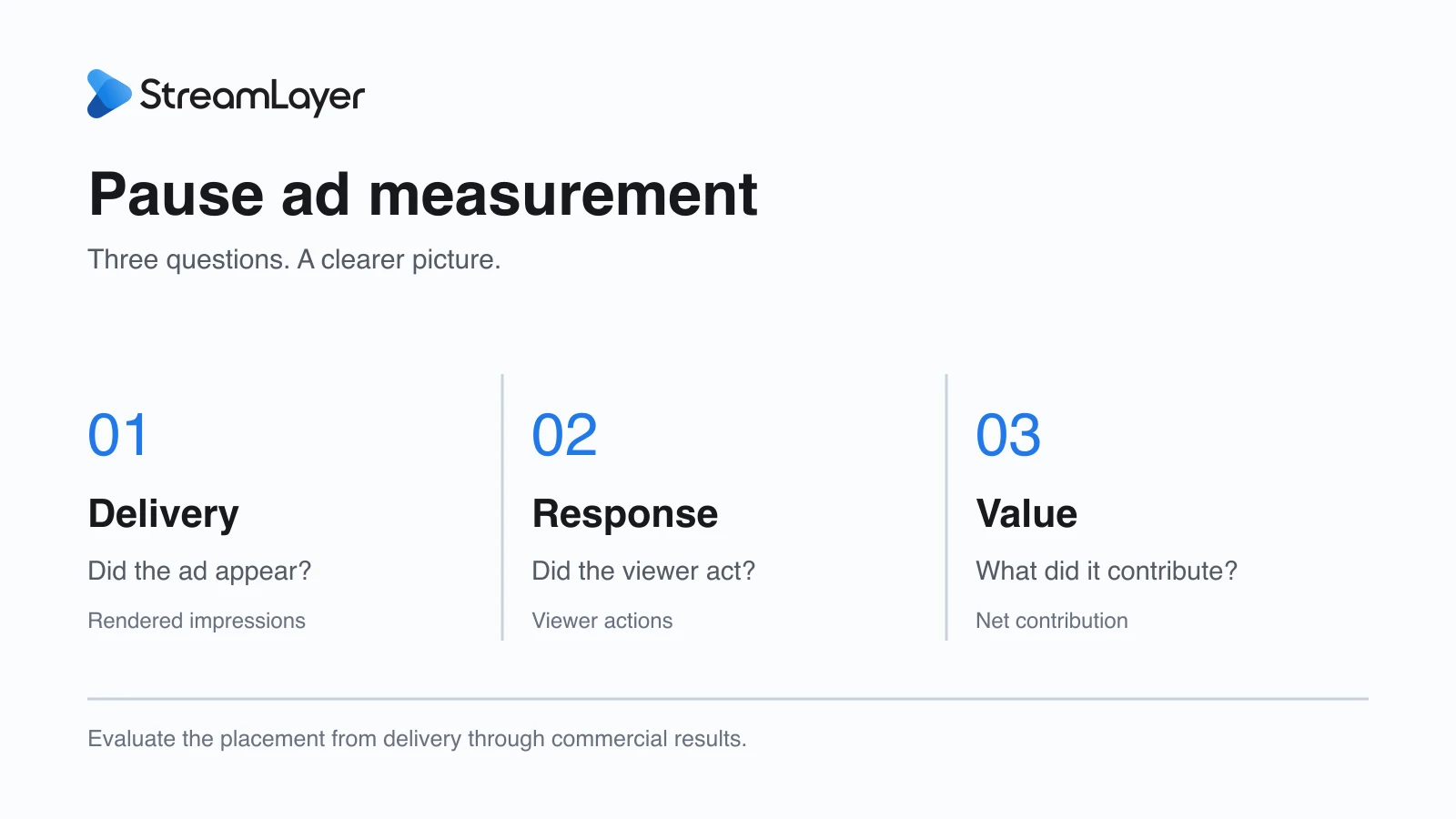
Measure delivery, viewer response, and revenue after costs.
What your team connects. What StreamLayer handles.