FAST Monetization: Interactive Ads with StreamLayer SGAI

StreamLayer SGAI helps FAST platforms expand their advertising opportunities with interactive, contextual moment ads and Pause Ads. Working alongside existing video advertising systems, it enables publishers to offer additional placements during programming and eligible viewer pauses—without stitching those experiences into the video stream.
For free ad-supported streaming television, or FAST, the commercial opportunity is straightforward: generate more value from existing viewing hours without relying solely on additional commercial breaks.
Achieving that requires more than adding advertising surfaces. Publishers need placements advertisers want to buy, context that makes those placements relevant, and controls that protect the viewing experience.
How does StreamLayer SGAI support FAST monetization?
Server-guided ad insertion, or SGAI, combines server-side guidance with client-side ad presentation. Implementations differ, so it is important to distinguish the general delivery approach from the capabilities of a particular platform.
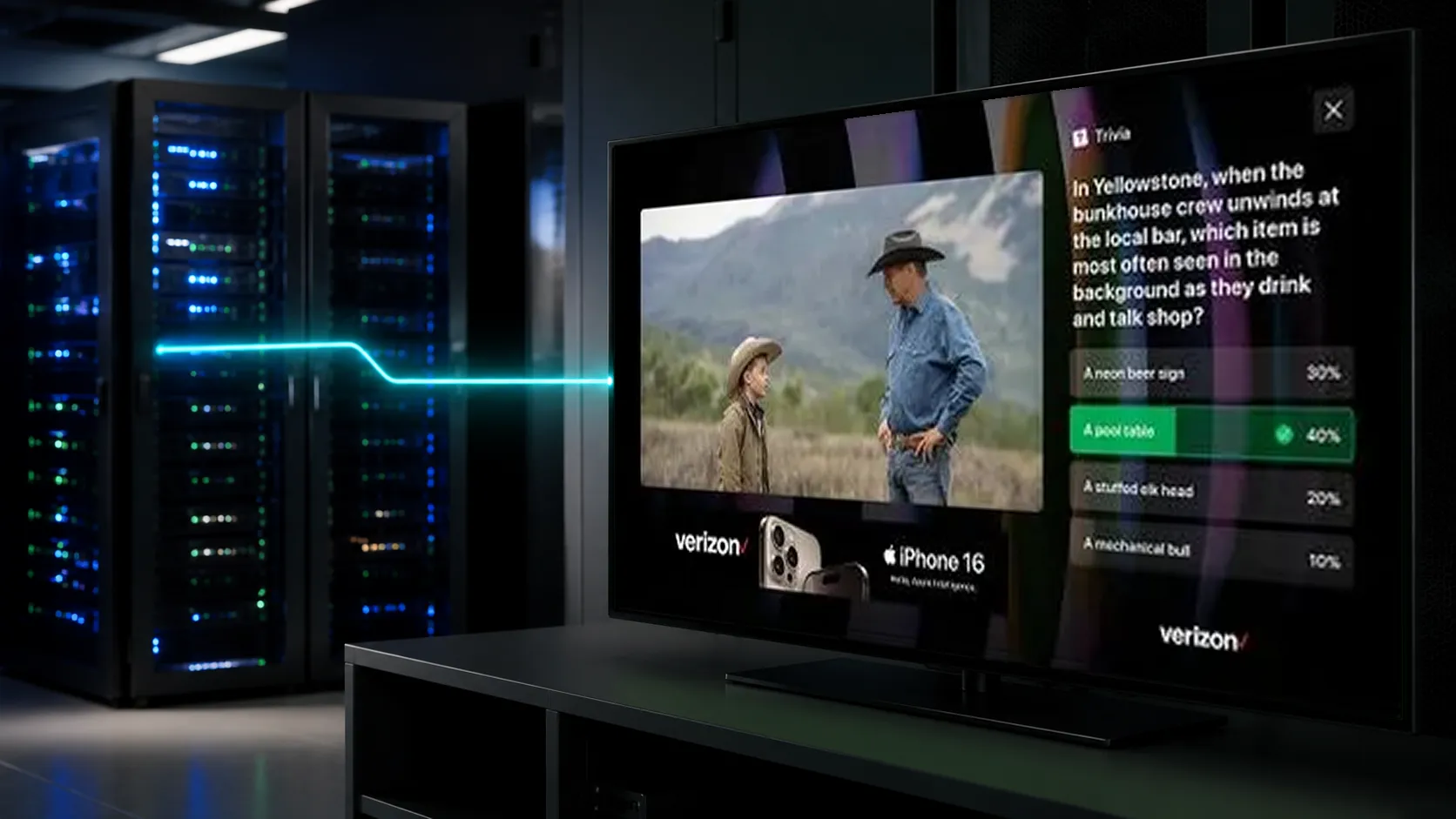
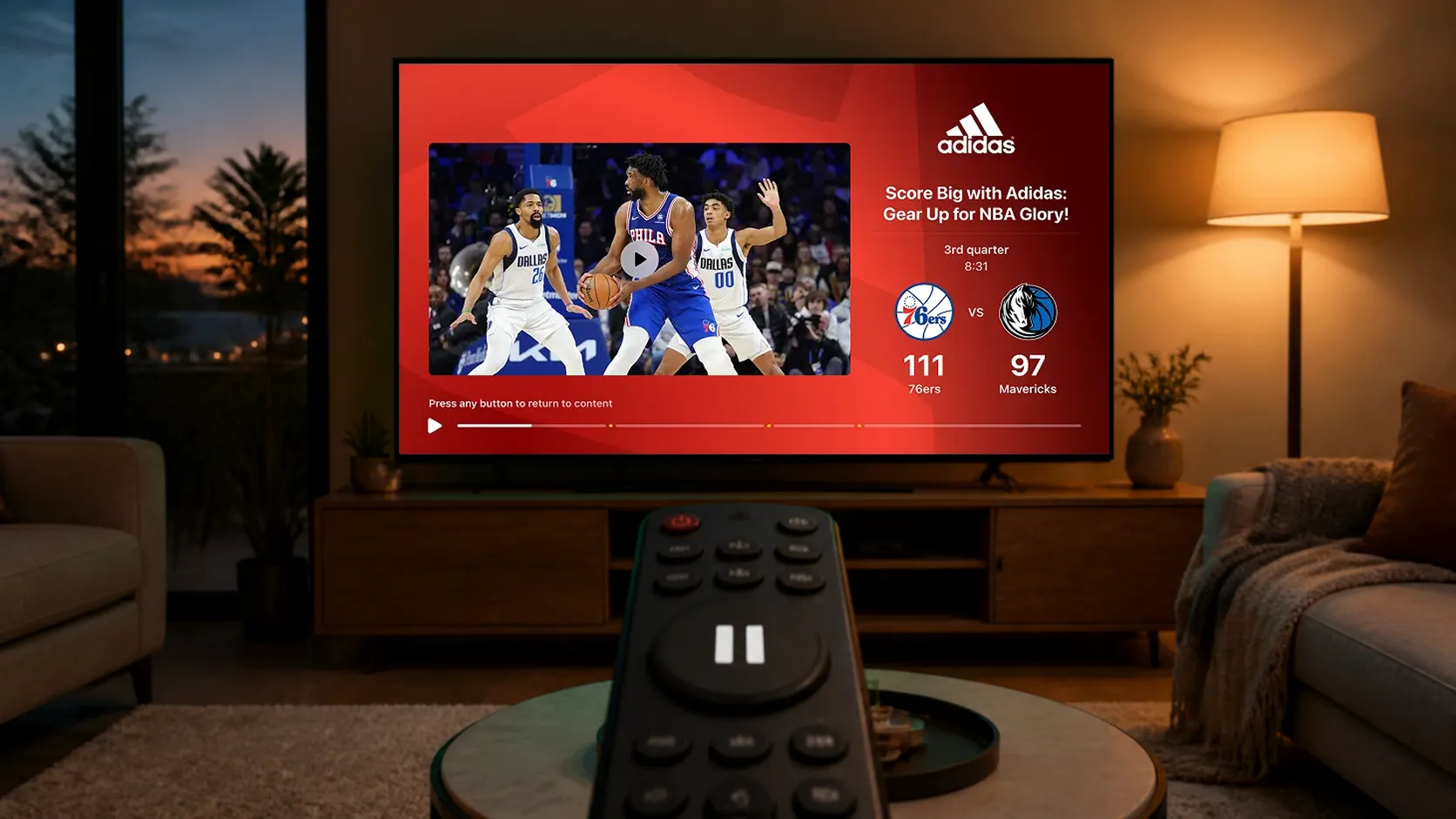
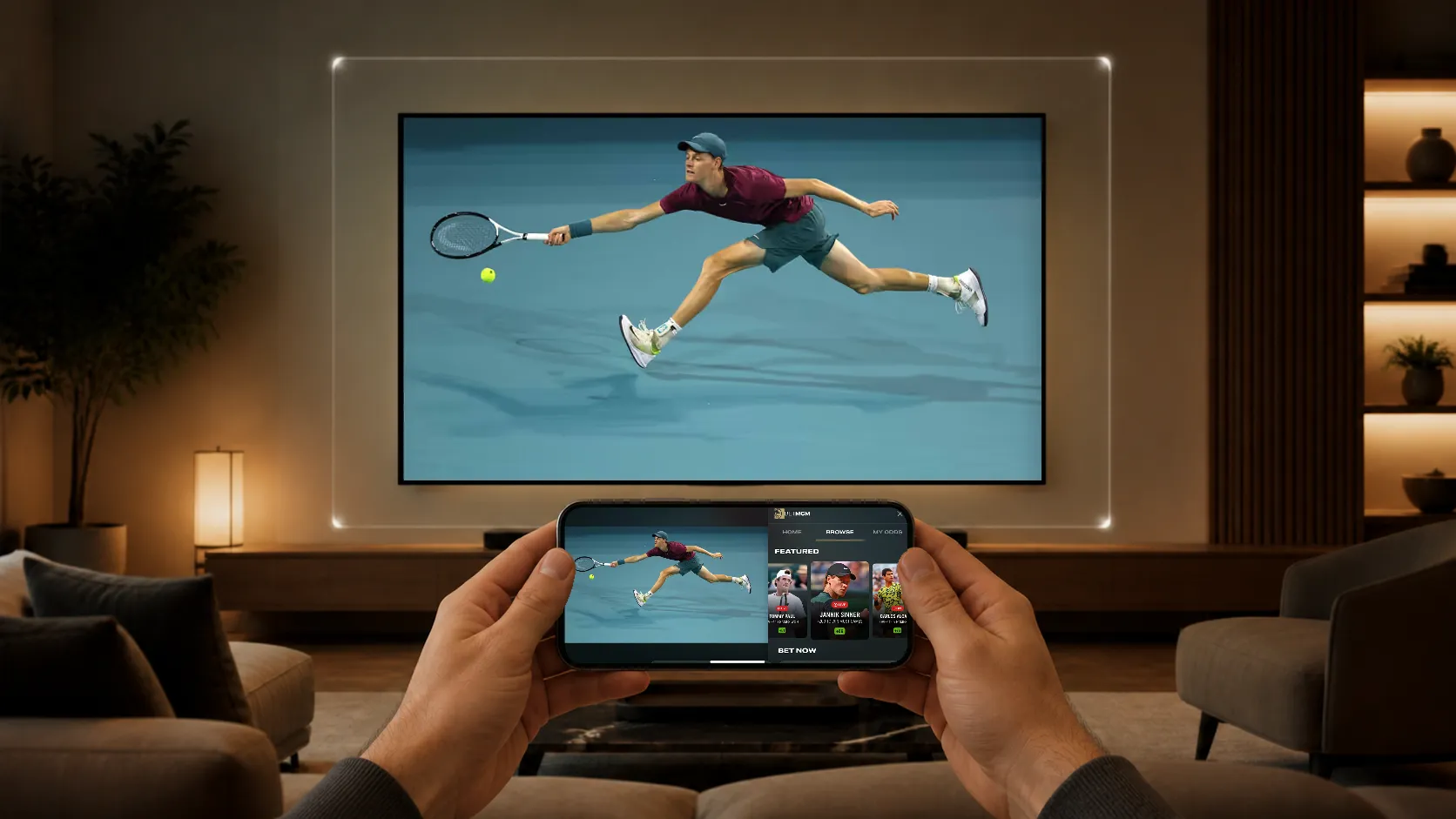
StreamLayer SGAI uses server-side decisioning and orchestration to guide interactive advertising rendered by the StreamLayer SDK inside the streaming app. Ads can appear beside, around, or over part of the video, depending on the format. StreamLayer does not modify the underlying video stream or replace the publisher’s existing SSAI system. Learn about StreamLayer SGAI.
For FAST operators, this creates three potential sources of value:
- Additional advertising opportunities outside conventional commercial breaks.
- Contextual sponsorship packages built around relevant programming and selected moments.
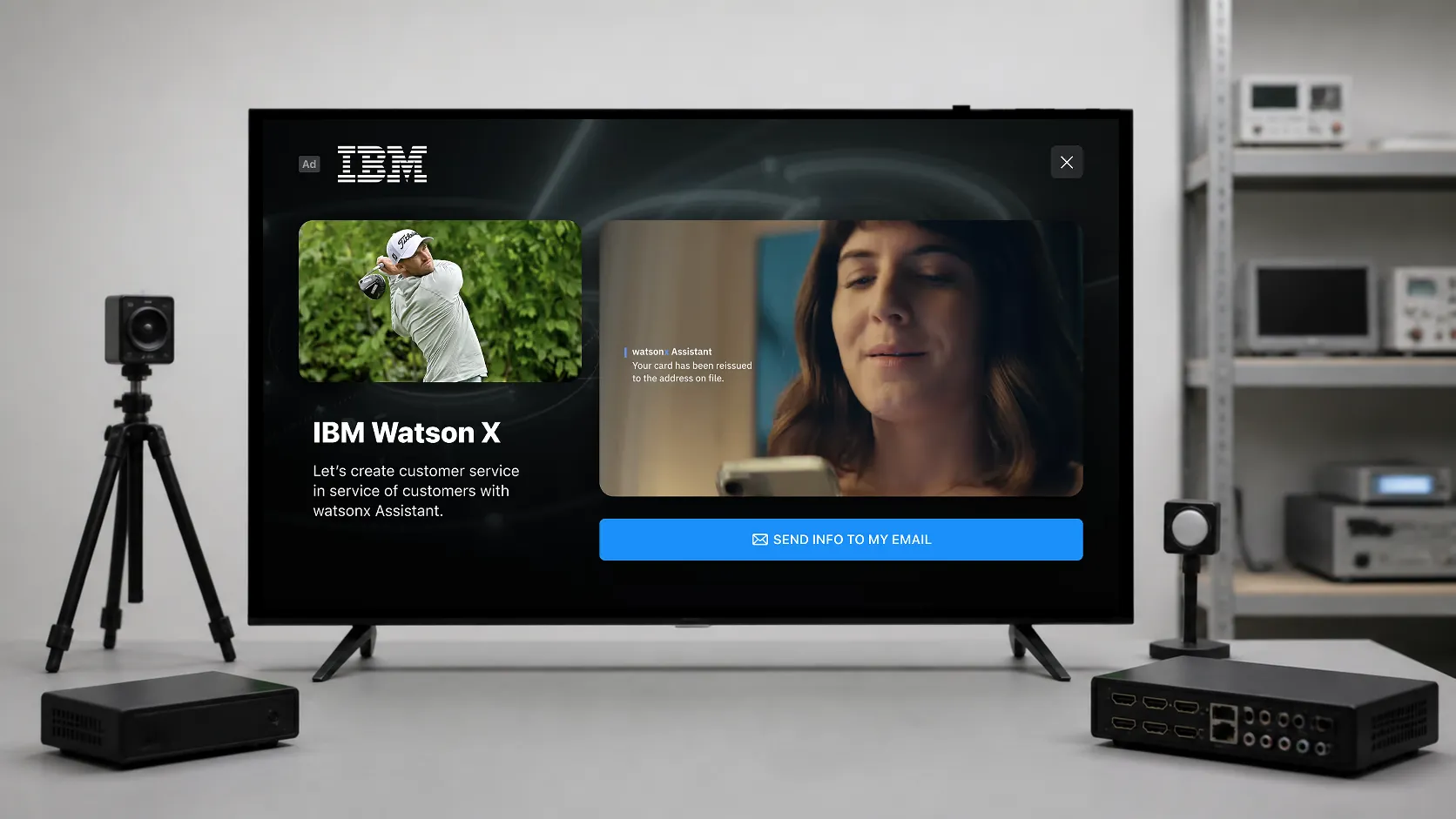
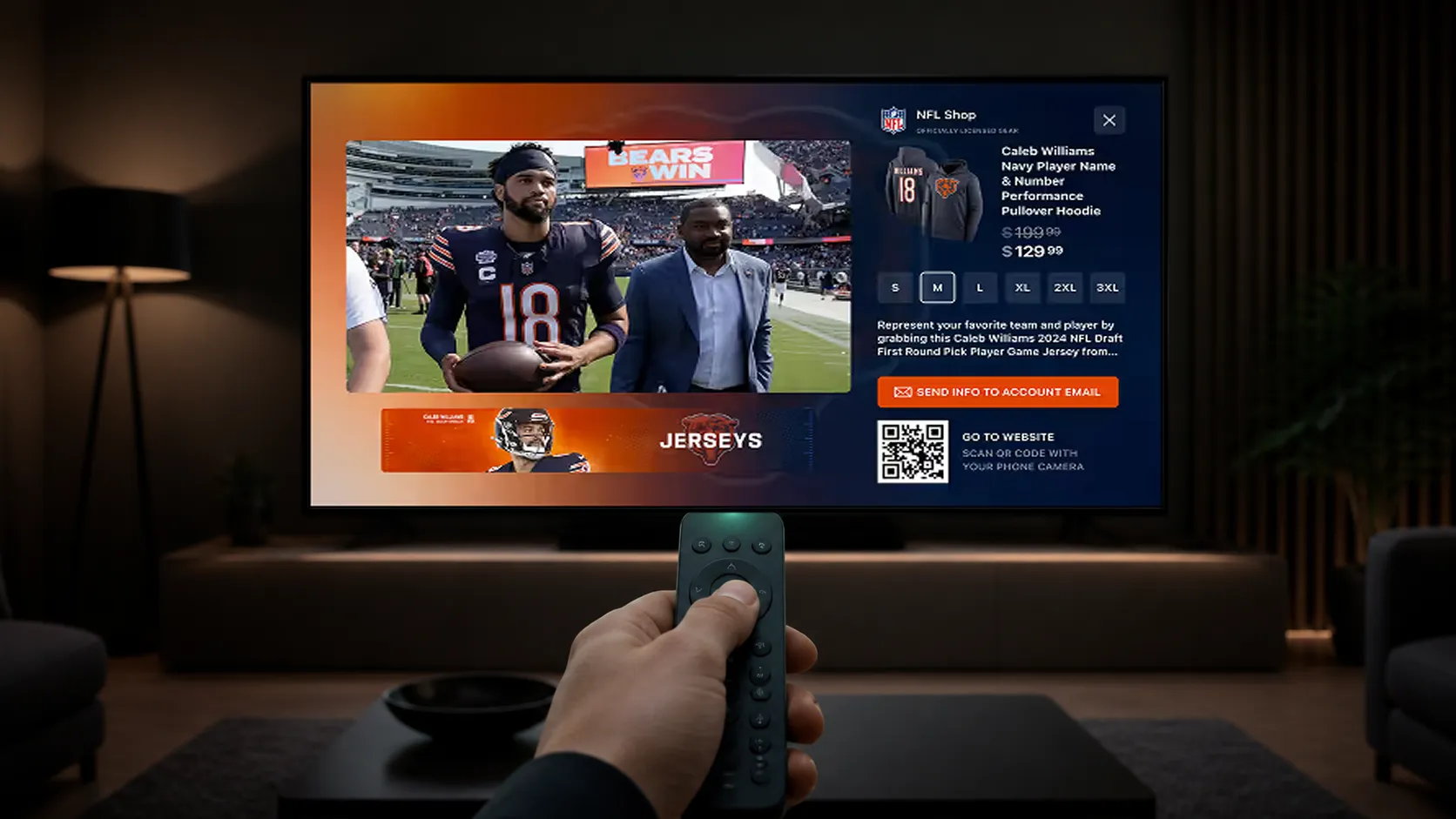
- Interactive responses, such as QR scans or supported calls to action, that give advertisers another way to evaluate a campaign.
These are monetization mechanisms, not guaranteed revenue gains. The outcome depends on advertiser demand, eligible audience reach, fill, pricing, delivery costs, and the effect on viewing behavior.
The integration also matters. StreamLayer operates within the streaming application. A channel owner distributing a feed through third-party FAST platforms therefore needs participation from the platform or app owner, along with the appropriate advertising rights.
What makes a contextual moment ad valuable?
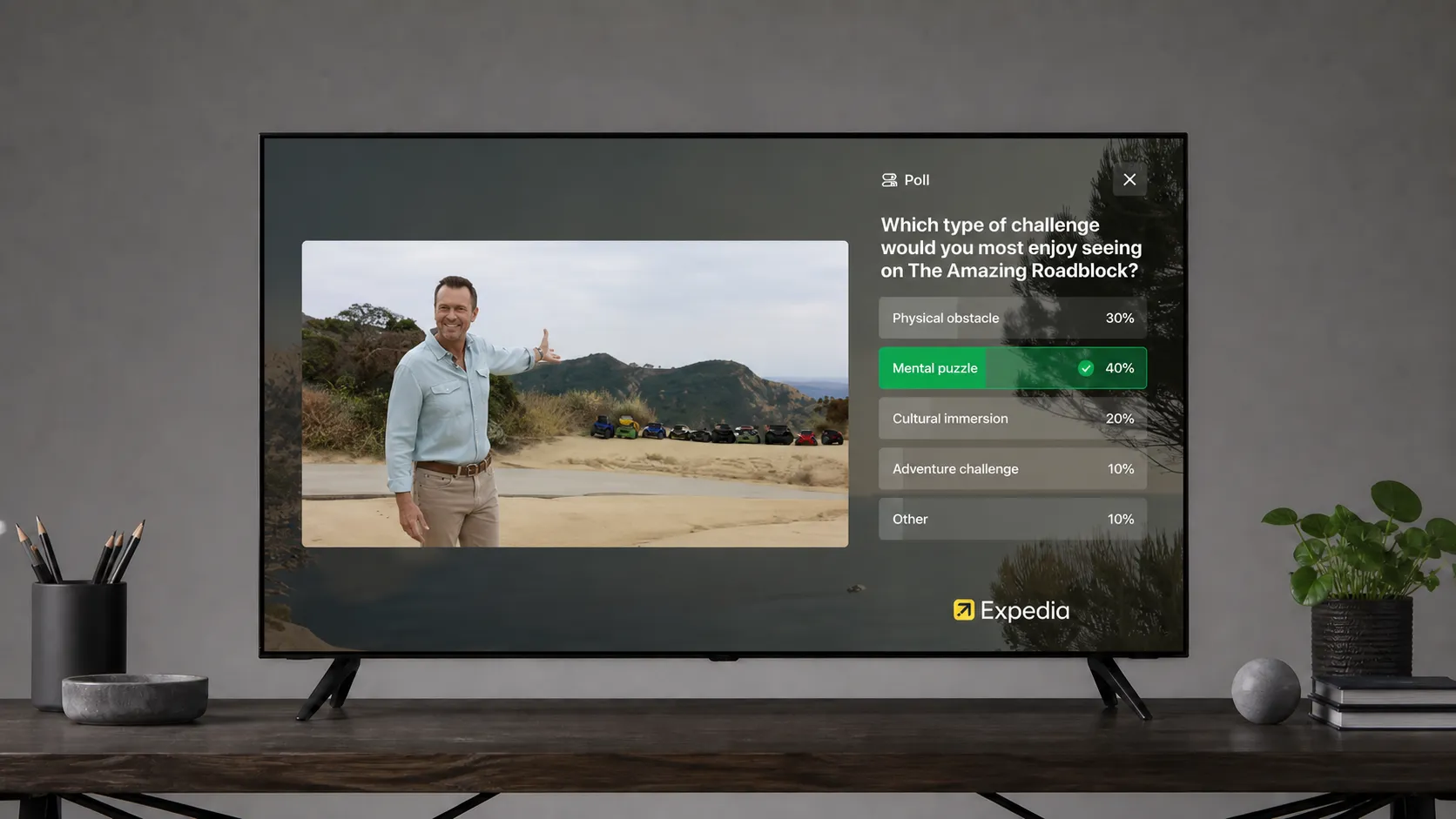
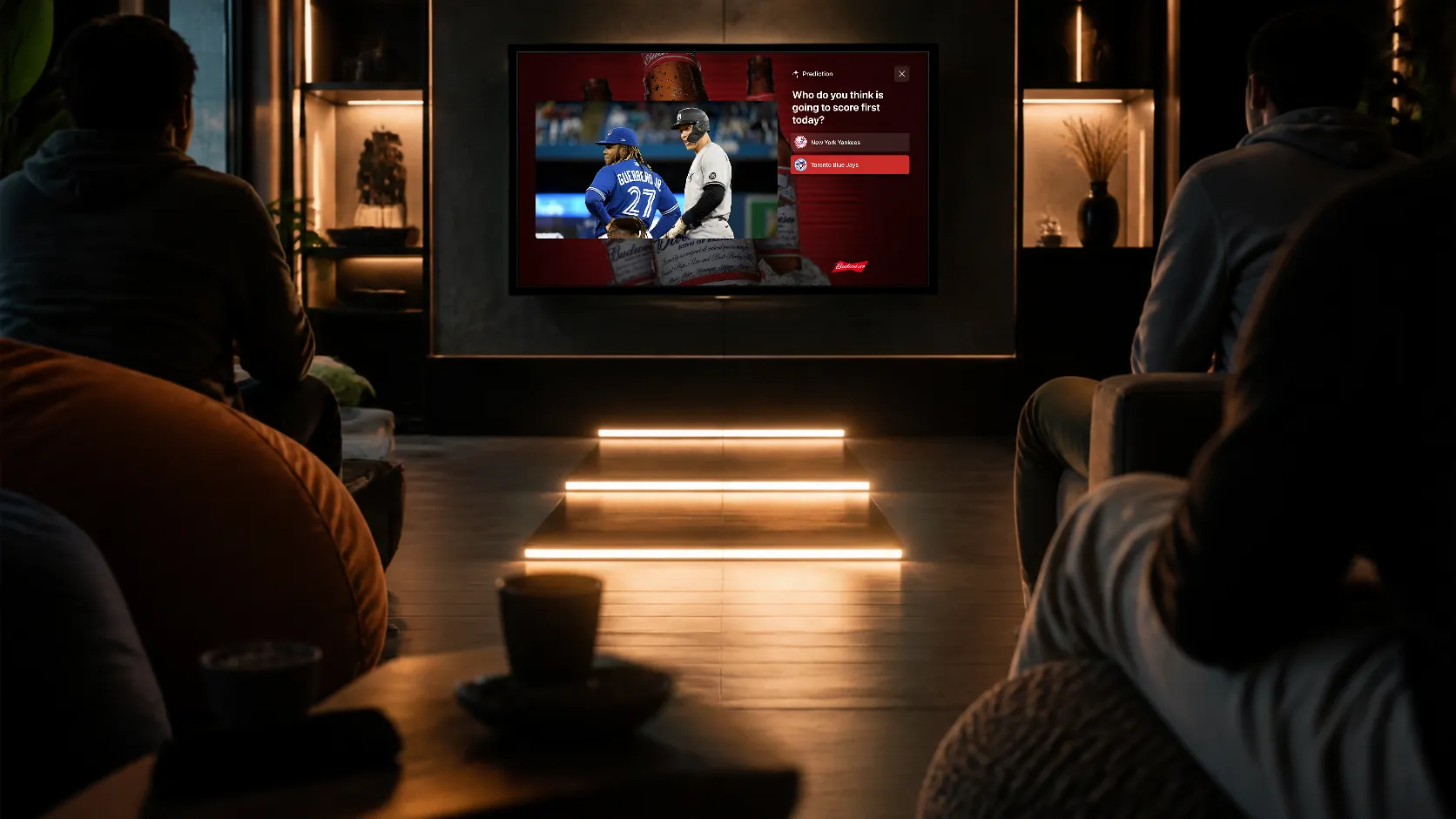
A contextual moment ad connects an advertiser’s message to what the viewer is watching at a selected point in the program.
The context can be broad: a grocery advertiser sponsoring a cooking channel. It can also be more specific: a relevant offer appearing during a preselected recipe segment, or a sponsor message following a sports milestone.
Those levels of precision require different signals. Program-level relevance can use channel or scheduling information. Segment-level or event-driven activation requires suitable cues, live data, or configured editorial triggers. It should not be assumed that every scene is automatically understood or eligible for an ad.
For publishers, the opportunity is to sell a defined relationship between content, timing, and creative—not simply another rectangle on the screen.
A cooking sponsorship, for example, could combine an interactive placement during selected recipe segments with a static Pause Ad when an eligible viewer pauses. A QR code could take interested viewers to the advertiser’s offer. The campaign could measure delivered impressions and interactions, with downstream visits or conversions measured where tracking is implemented.
That is an illustrative package, not a reported campaign result.
Which ad formats can support FAST monetization?
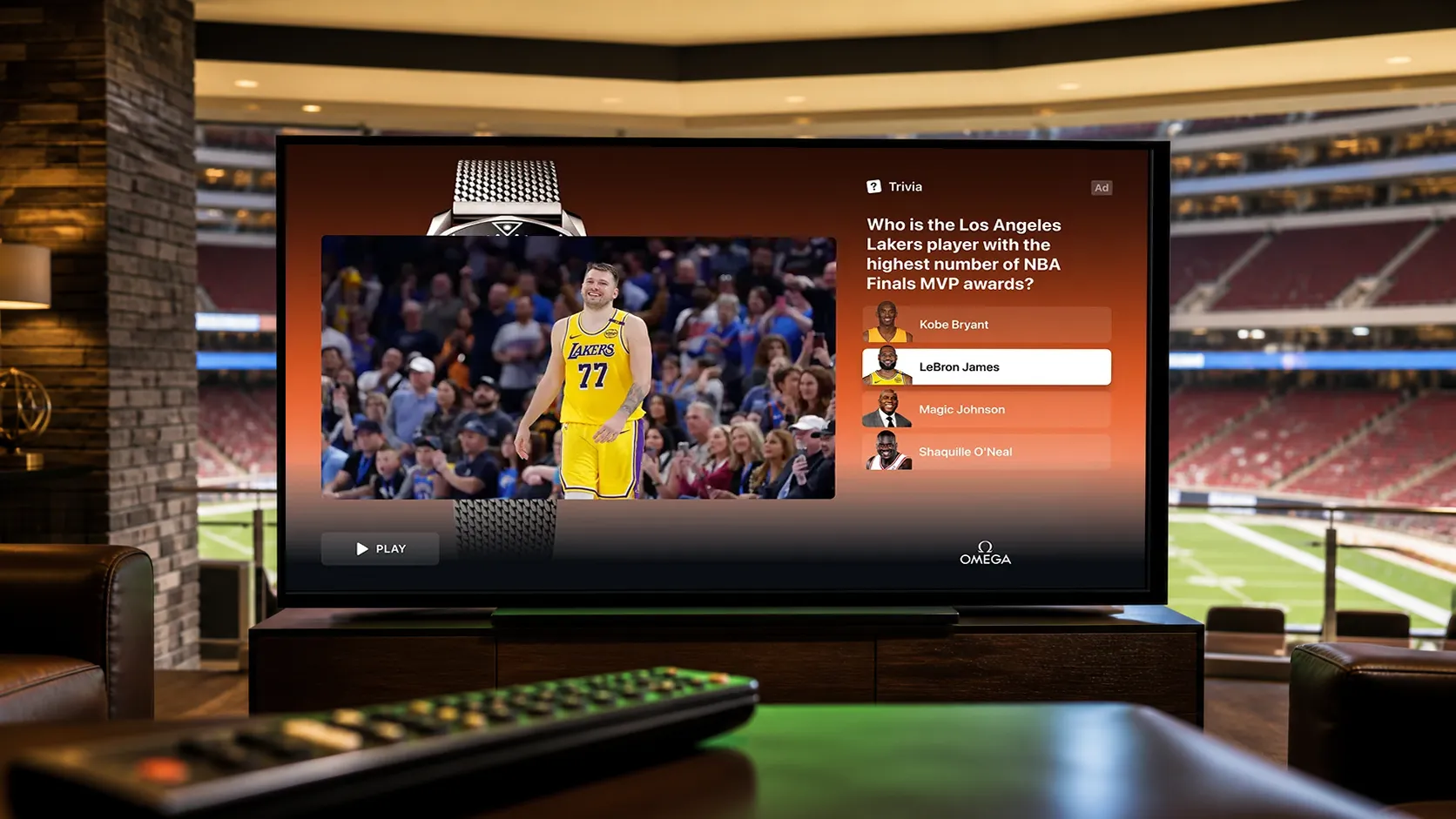
Different formats serve different commercial and viewing needs. These five are useful options to evaluate; they are not a universal list of StreamLayer availability across CTV, mobile, and web.
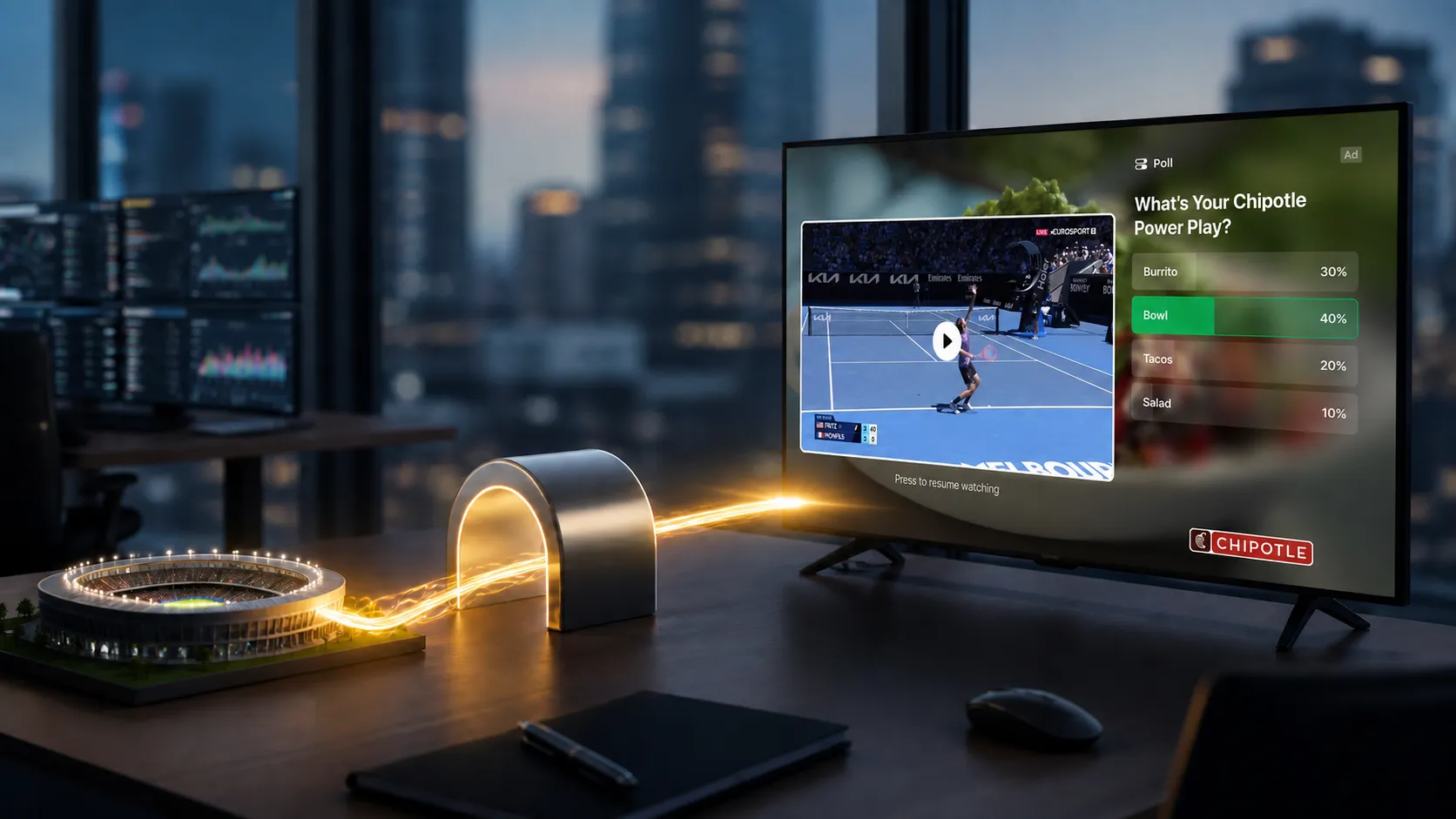
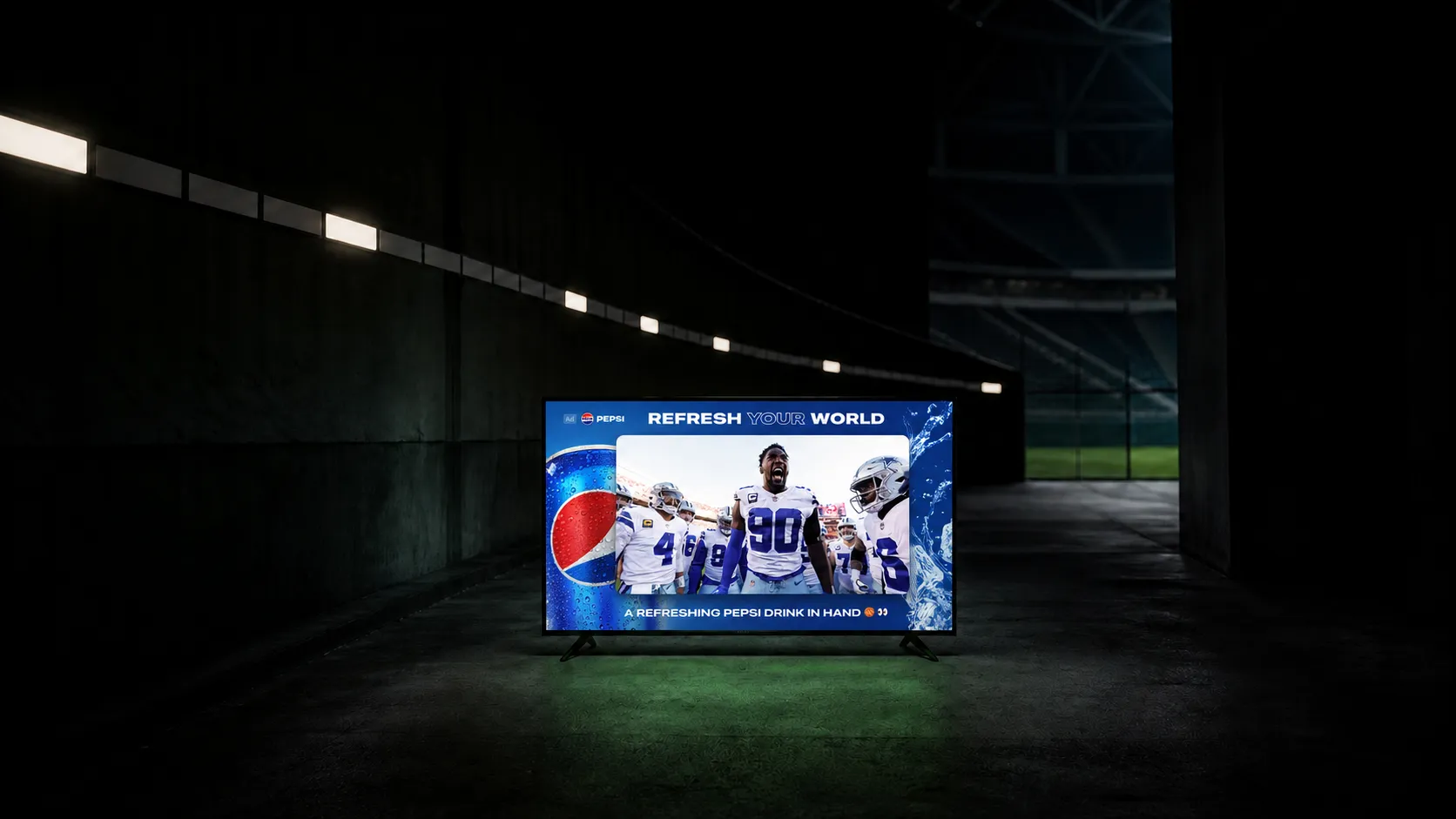
L-band ads, also called L-Bar ads
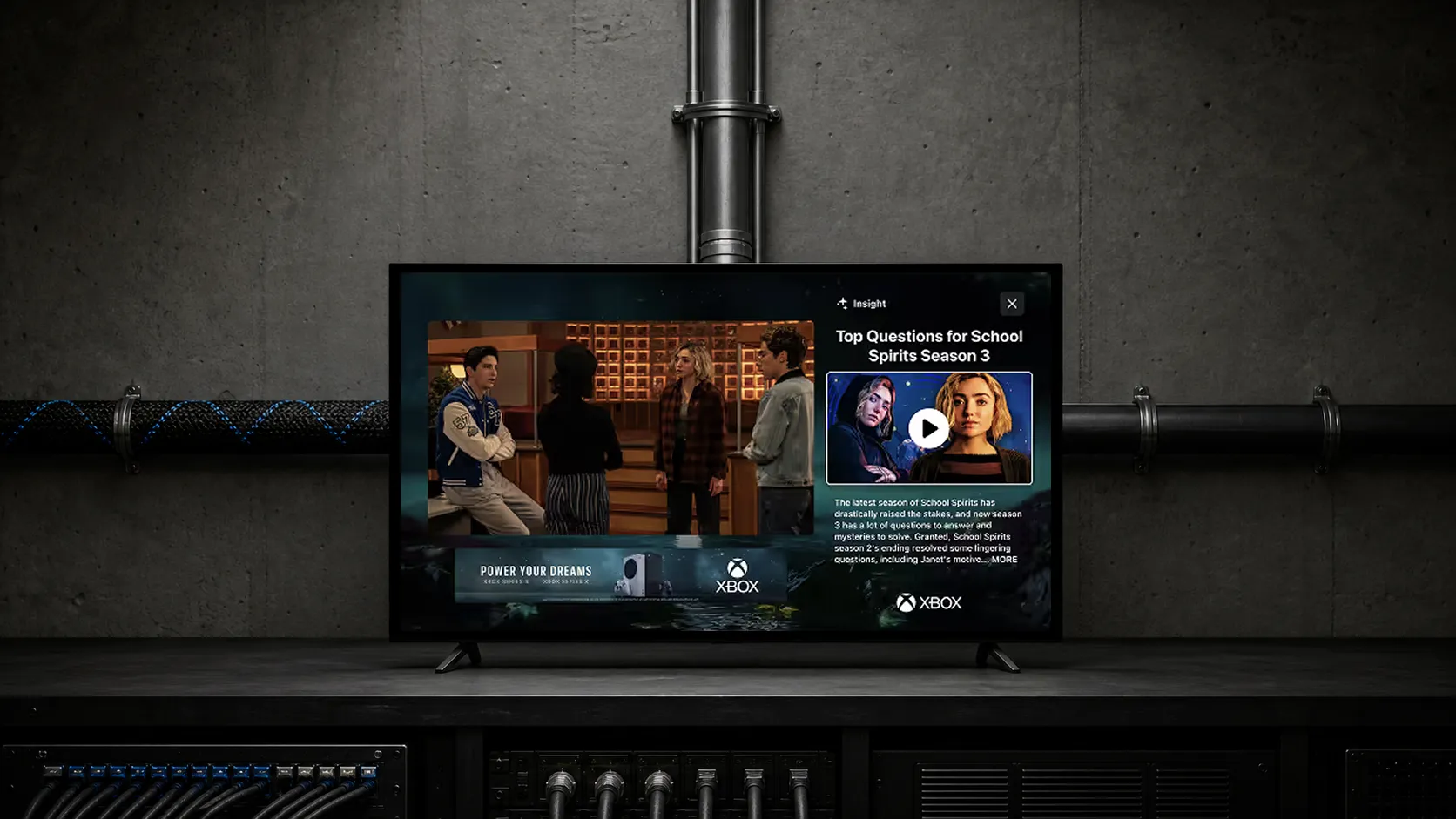
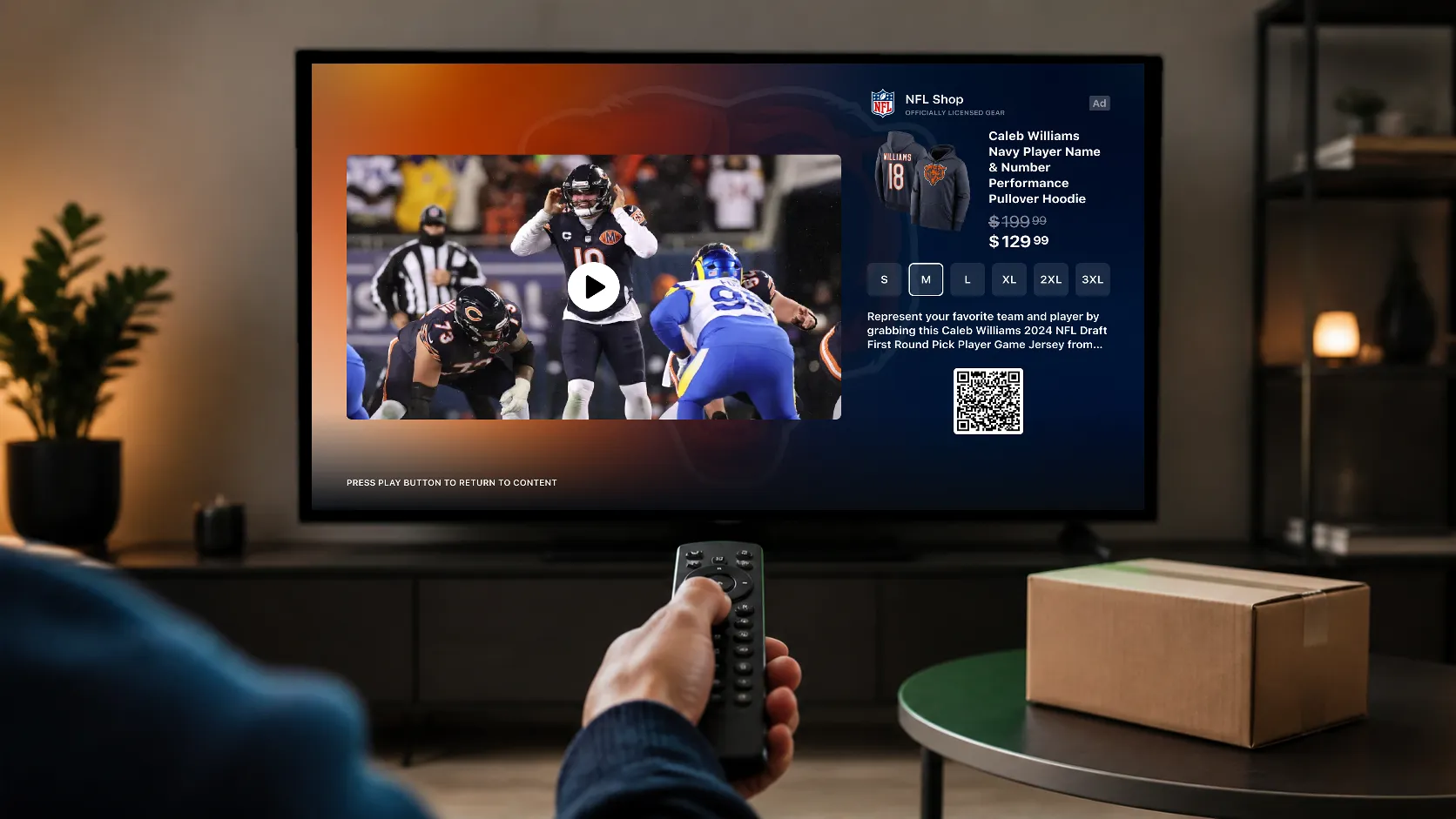
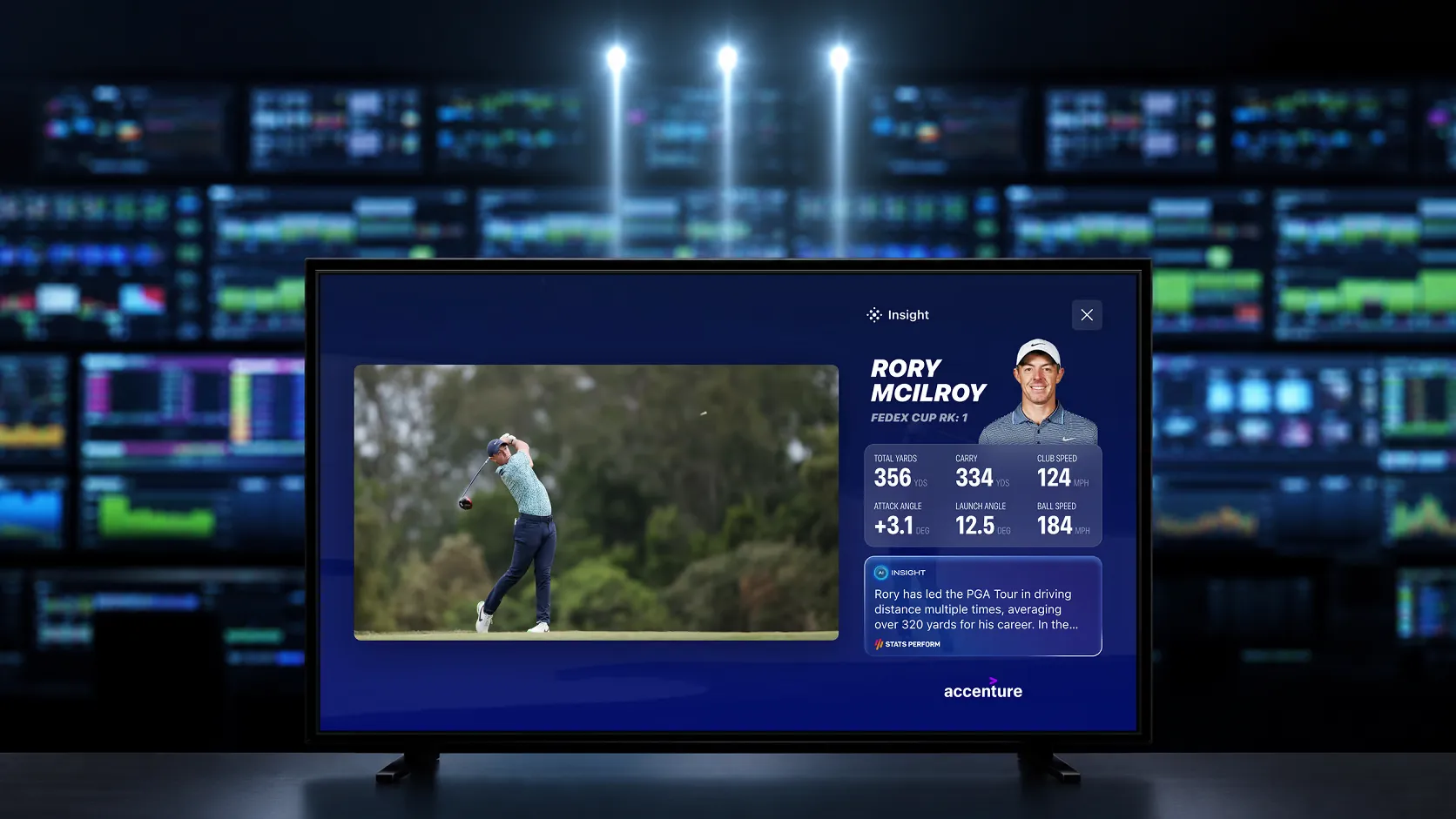
Create advertising space beside and below a resized video window for branding, an offer, and an interactive response. Keep the program large enough to watch comfortably.
Frame ads
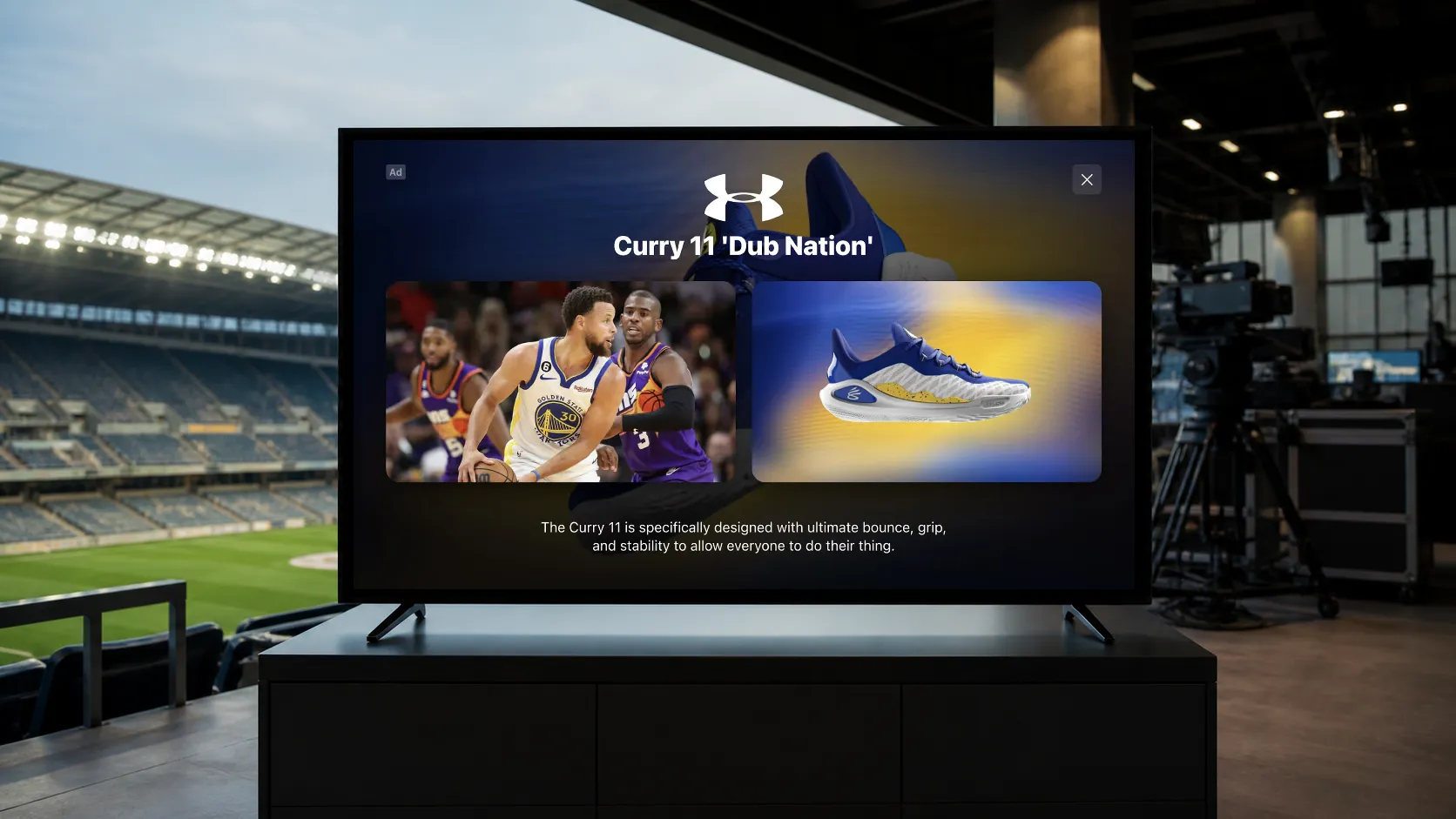
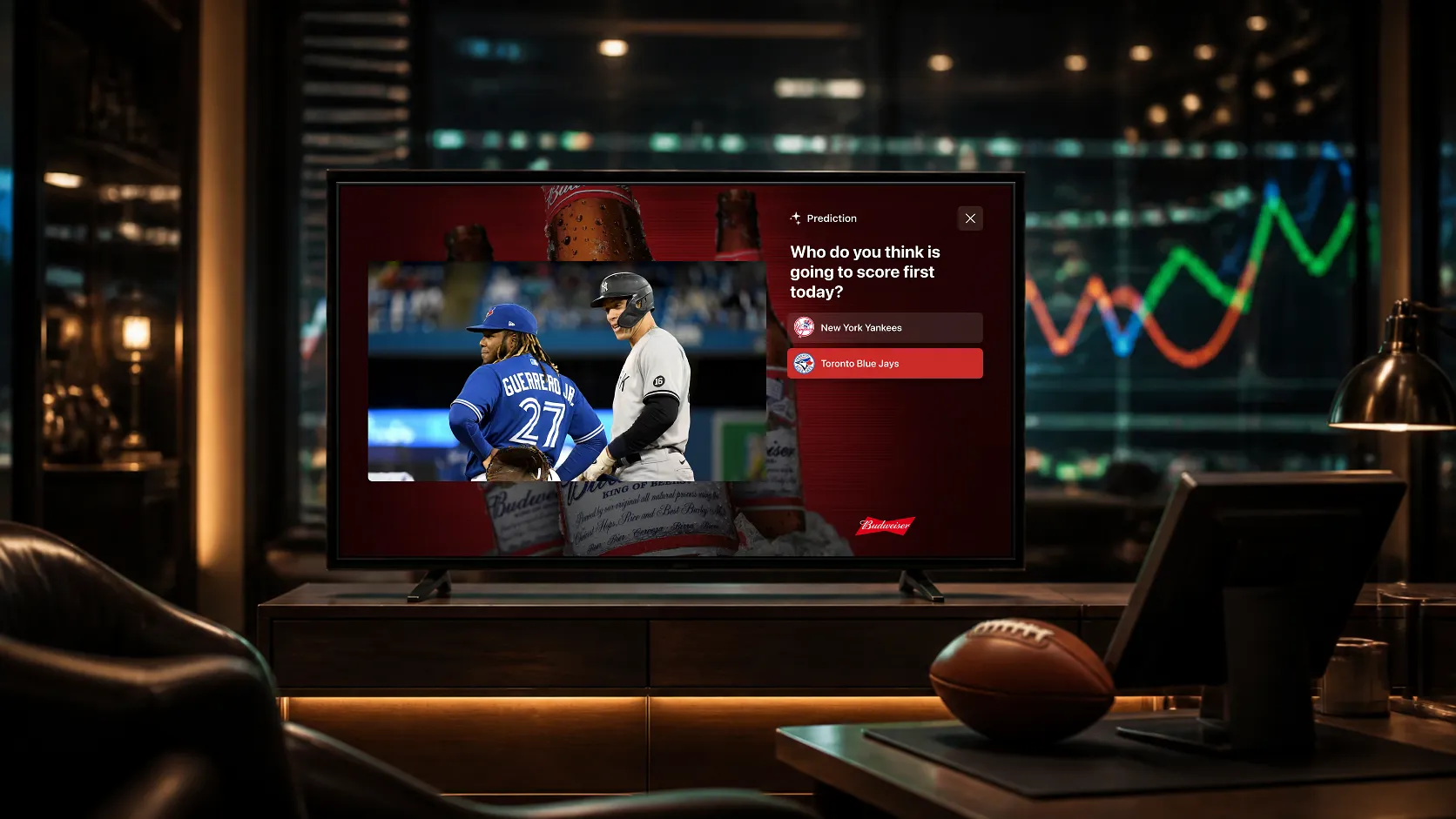
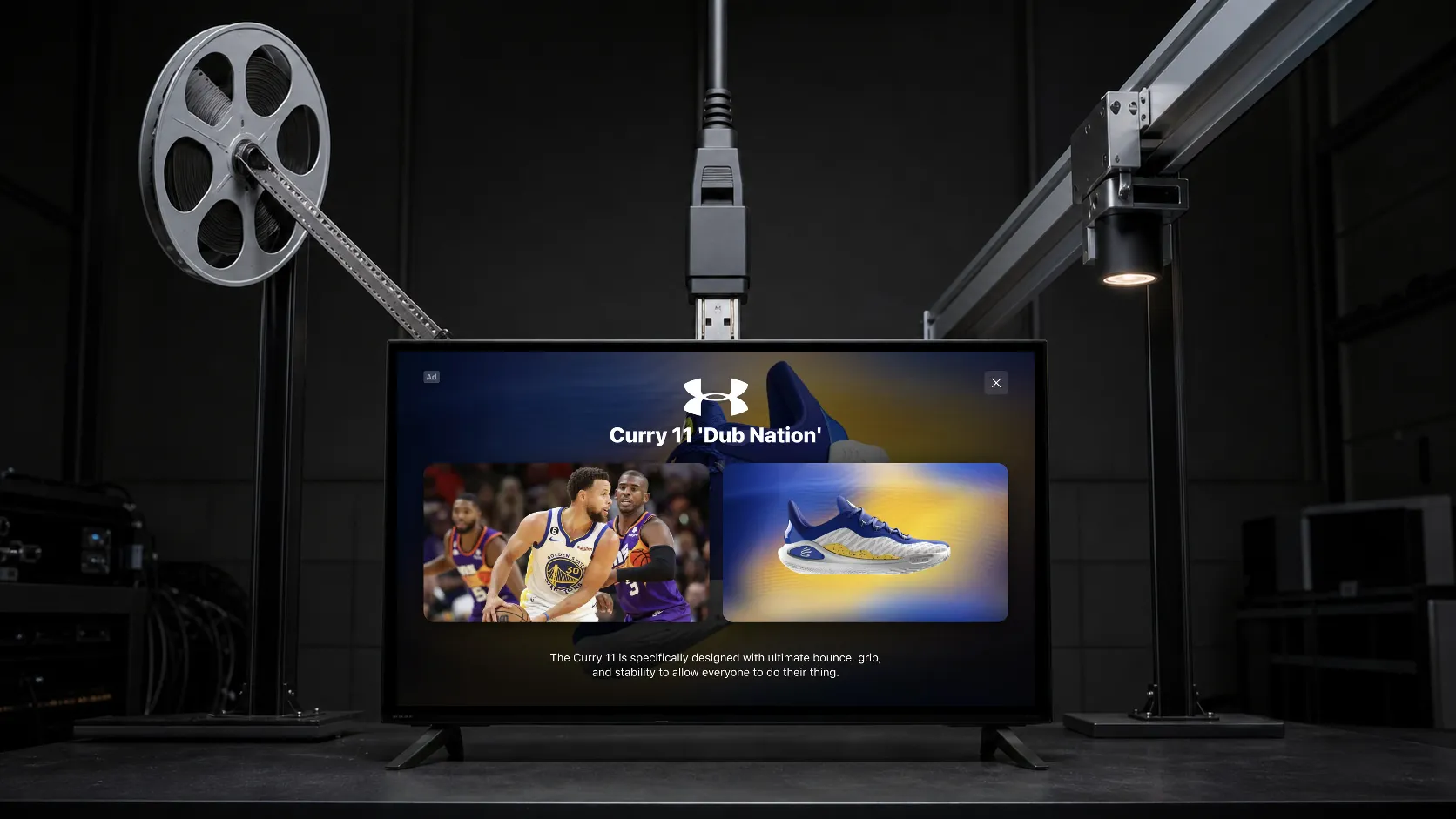
Surround a reduced video window with branded creative, creating a sponsorship presentation around the content. Protect readability and avoid excessive visual competition.
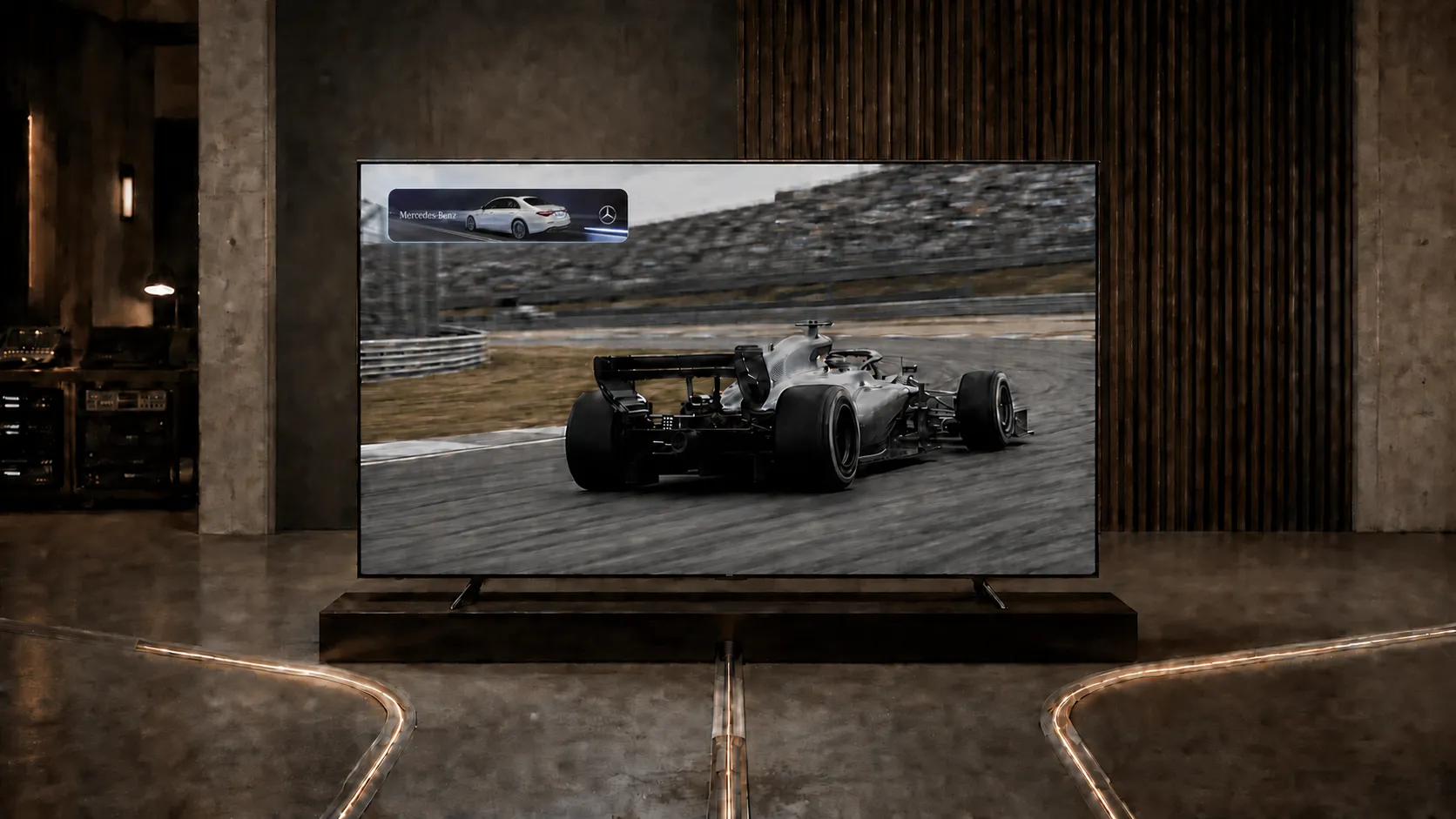
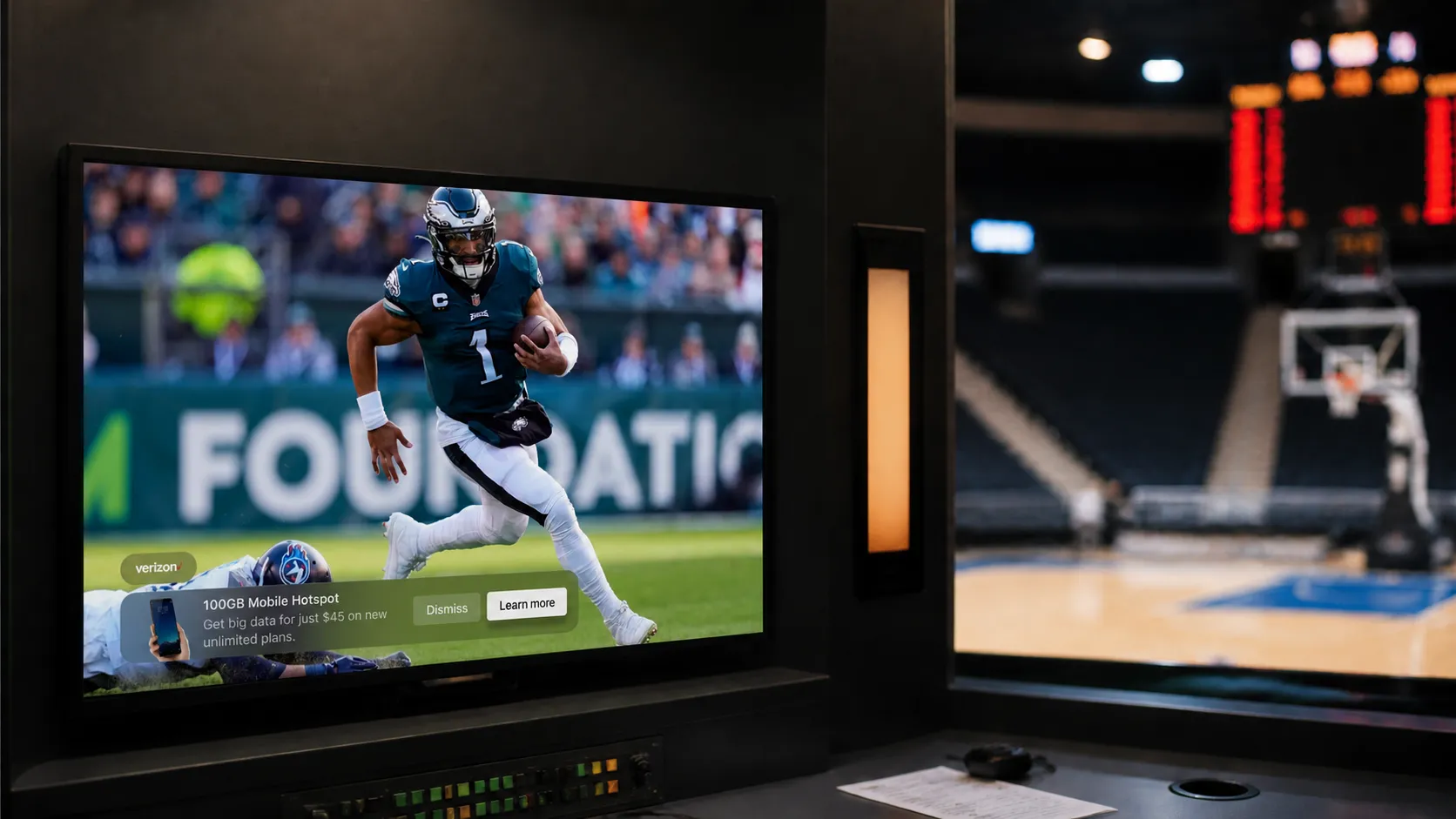
Lower-third ads
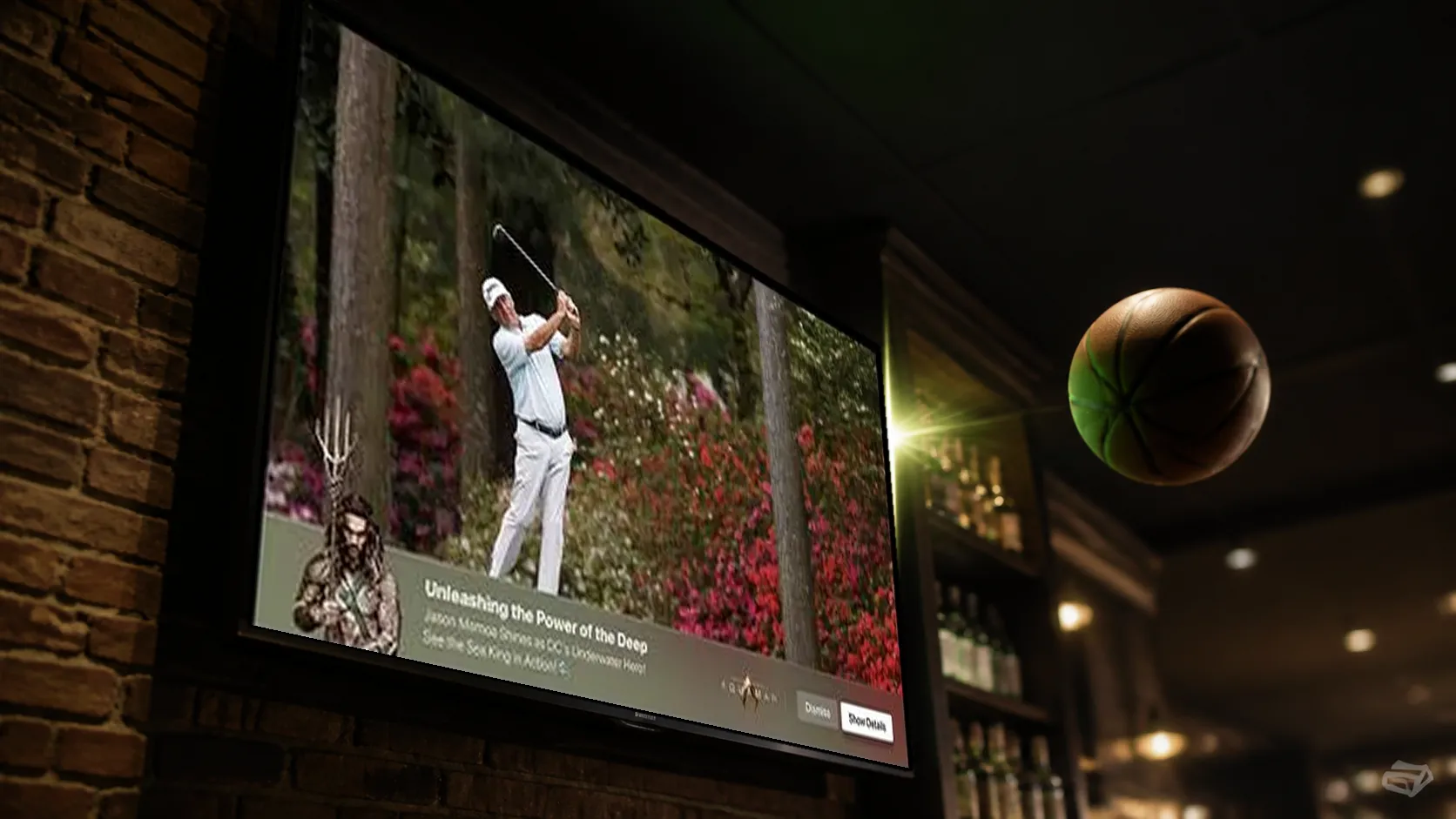
Present a compact sponsor message and call to action along the bottom of the picture. Avoid captions, scores, and important program graphics.
Video banner ads
Add a small motion-based advertising surface while the program continues. Control motion and preserve the program’s audio.
Double-box ads
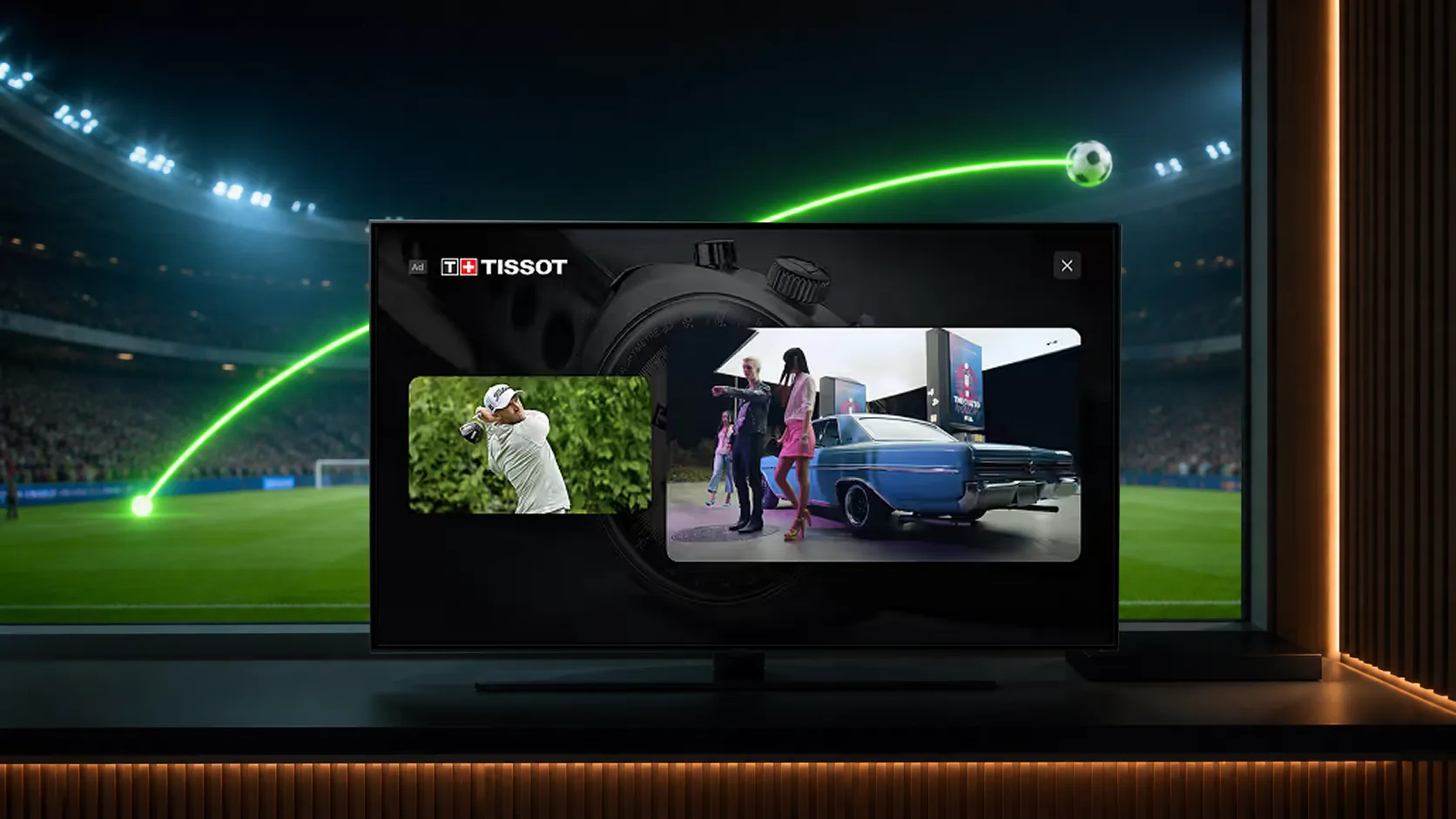
Present program video and advertising video in separate windows. Define timing, relative prominence, and audio behavior carefully.
The format should follow the opportunity. A brief lower-third message may suit an additive sponsorship. An L-band may provide more room for an offer and QR code. A double-box presentation demands more attention and should be used selectively.
Publishers should also distinguish incremental placements from replacement placements. A double-box ad replacing a pre-roll does not, by itself, create additional inventory. Its value would need to come from another benefit, such as improved advertiser results or viewing continuity—and that benefit should be tested.
How do Pause Ads fit into FAST?
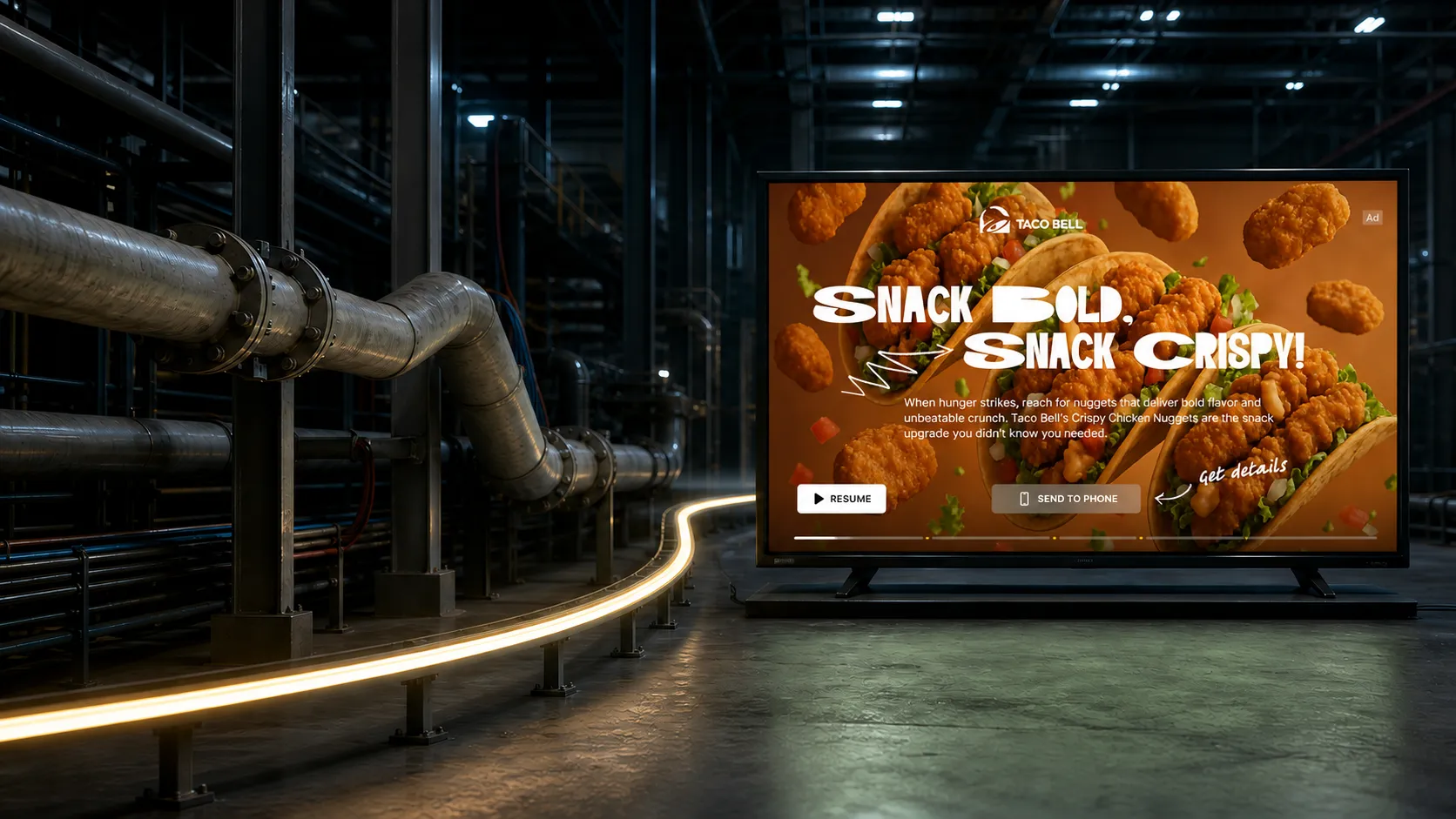
Pause Ads appear when a viewer pauses playback, creating an advertising opportunity outside the running program and its commercial breaks.
For FAST, this opportunity exists only where the application supports viewer-controlled pause or time-shifted playback. It is not a property of every linear channel distribution.
StreamLayer Pause Ads use still imagery or subtle, silent ambient motion that preserves the feeling of a paused scene and can include supported interactive actions, such as a QR code or call to action. They can connect a brand message to the content the viewer has chosen to pause. Explore StreamLayer Pause Ads.
A pause is not proof that the viewer is looking at the screen. The creative should be easy to understand at a glance, appear after an appropriate delay, and clear when playback resumes.
Pause Ads and moment ads therefore serve different situations: moment ads activate selectively during programming; Pause Ads respond to an eligible viewer action.
How should FAST publishers measure the revenue opportunity?
More available placements do not automatically mean more revenue.
Publishers should evaluate net advertising revenue per viewing hour alongside watch time and viewer-experience measures. That assessment should include:
- Revenue from the new placements after relevant delivery and operating costs.
- Fill and realized pricing, rather than assumed premium CPMs.
- Any displacement of existing advertising revenue.
- Viewer behavior, including session length and exits.
- Advertiser outcomes appropriate to the campaign objective.
Rendered impressions, QR scans, clicks, and conversions answer different questions. They should not be treated as interchangeable measures of attention or commercial success.
A focused pilot can establish whether advertisers value the package and whether the additional revenue survives costs and any changes in viewing behavior.
Where should a FAST platform start?
Start with one content category, a supported format, and a clearly defined advertiser proposition.
Confirm the app integration, device coverage, inventory ownership, available contextual signals, and measurement plan. Establish pacing and suppression rules to prevent conflicts with commercial breaks, captions, program graphics, and sensitive content.
A direct-sold sponsorship can provide a controlled starting point. Programmatic distribution can follow where the format, device, creative requirements, and buying integrations are supported.
StreamLayer’s role is to help publishers create and deliver differentiated interactive inventory alongside their existing advertising business. The opportunity is not to monetize every moment. It is to make selected moments—and eligible pauses—valuable enough for advertisers to buy and measured enough for publishers to scale.
Talk to StreamLayer about interactive advertising for FAST.