SGAI and CTV Advertising Glossary
Updated September 8, 2026 · StreamLayer
This glossary explains advertising delivery, formats, measurement, and streaming terminology. General industry definitions are separated from StreamLayer-specific capabilities.
SGAI (Server-Guided Ad Insertion)
An ad-delivery approach in which server-provided guidance coordinates client-side ad presentation. Implementations differ; the label alone does not establish supported formats or interactivity.
StreamLayer SGAI
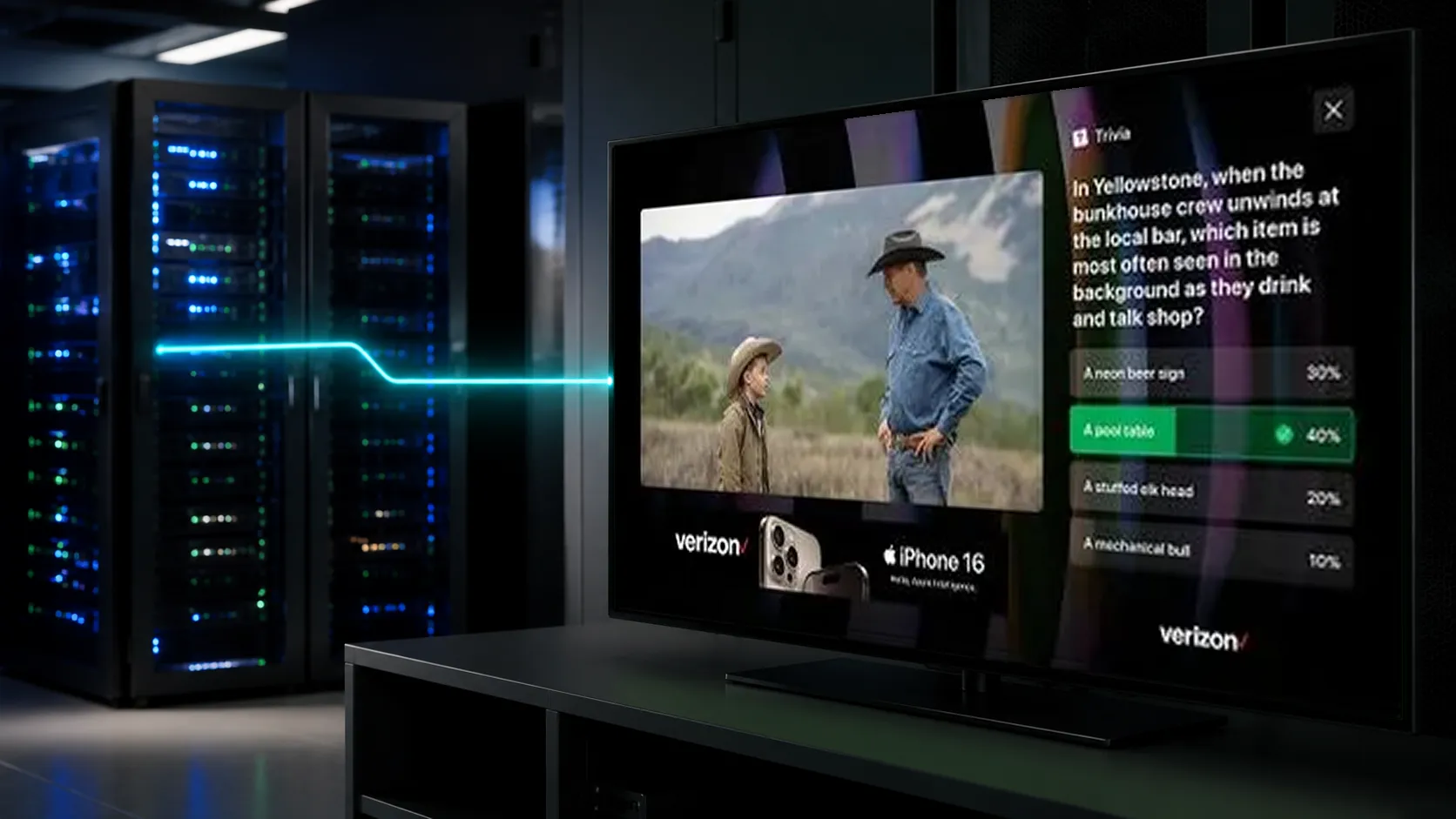
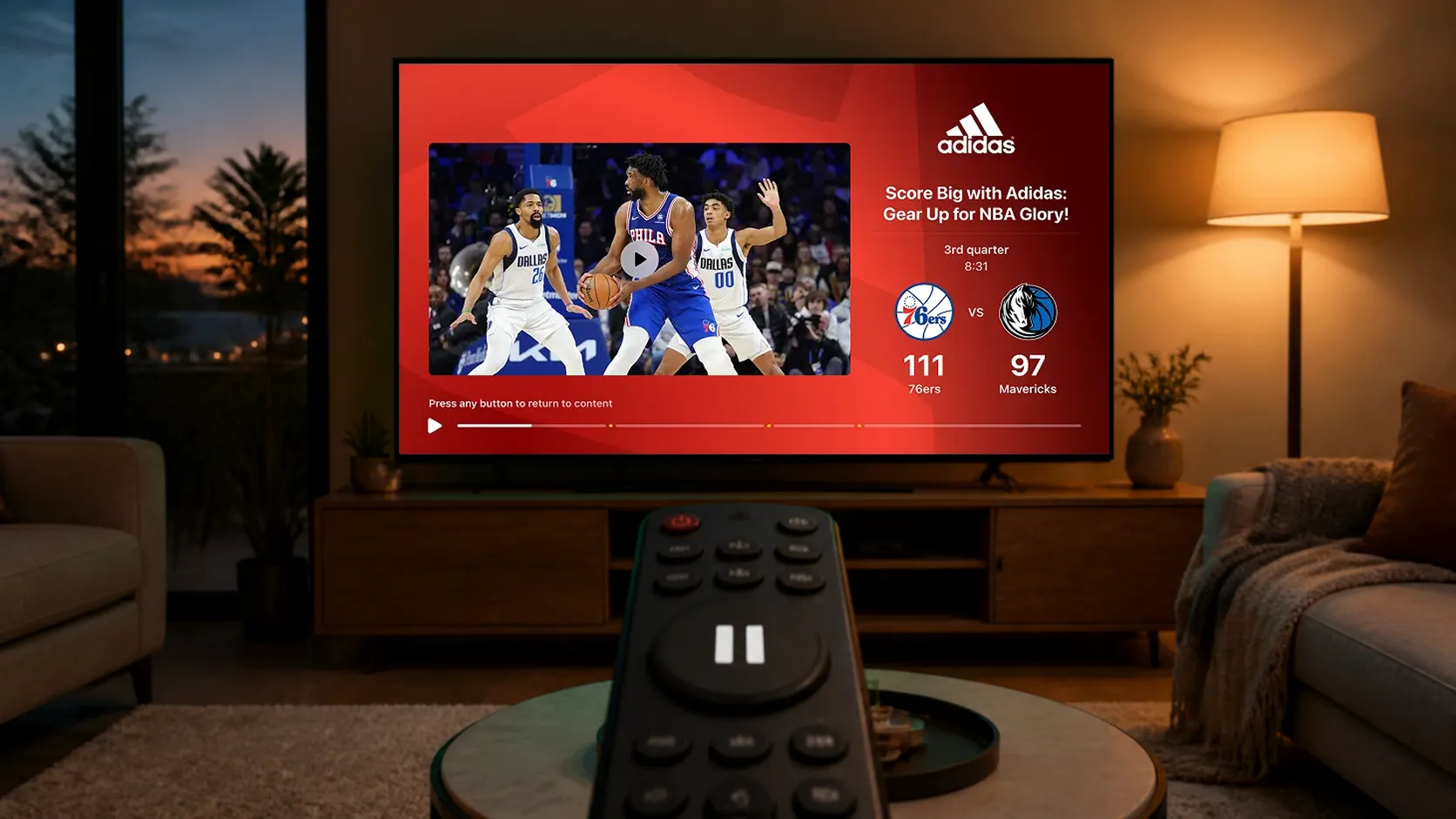
StreamLayer’s implementation combines server-side decisioning and orchestration with SDK-rendered interactive experiences inside the streaming app. It supports live nonlinear and pause advertising alongside the existing stack without modifying the core video stream.
SSAI (Server-Side Ad Insertion)
Ad insertion that combines video advertising with content through the server-side delivery workflow. Client components may still provide tracking or interactive companions.
CSAI (Client-Side Ad Insertion)
Ad insertion in which the client application or player requests and presents ads. Playback transitions, measurement, and supported creative depend on the implementation.
DAI (Dynamic Ad Insertion)
Selection and insertion of advertising dynamically for a viewing session or opportunity. The term does not, by itself, specify one architecture.
Interactive SSAI
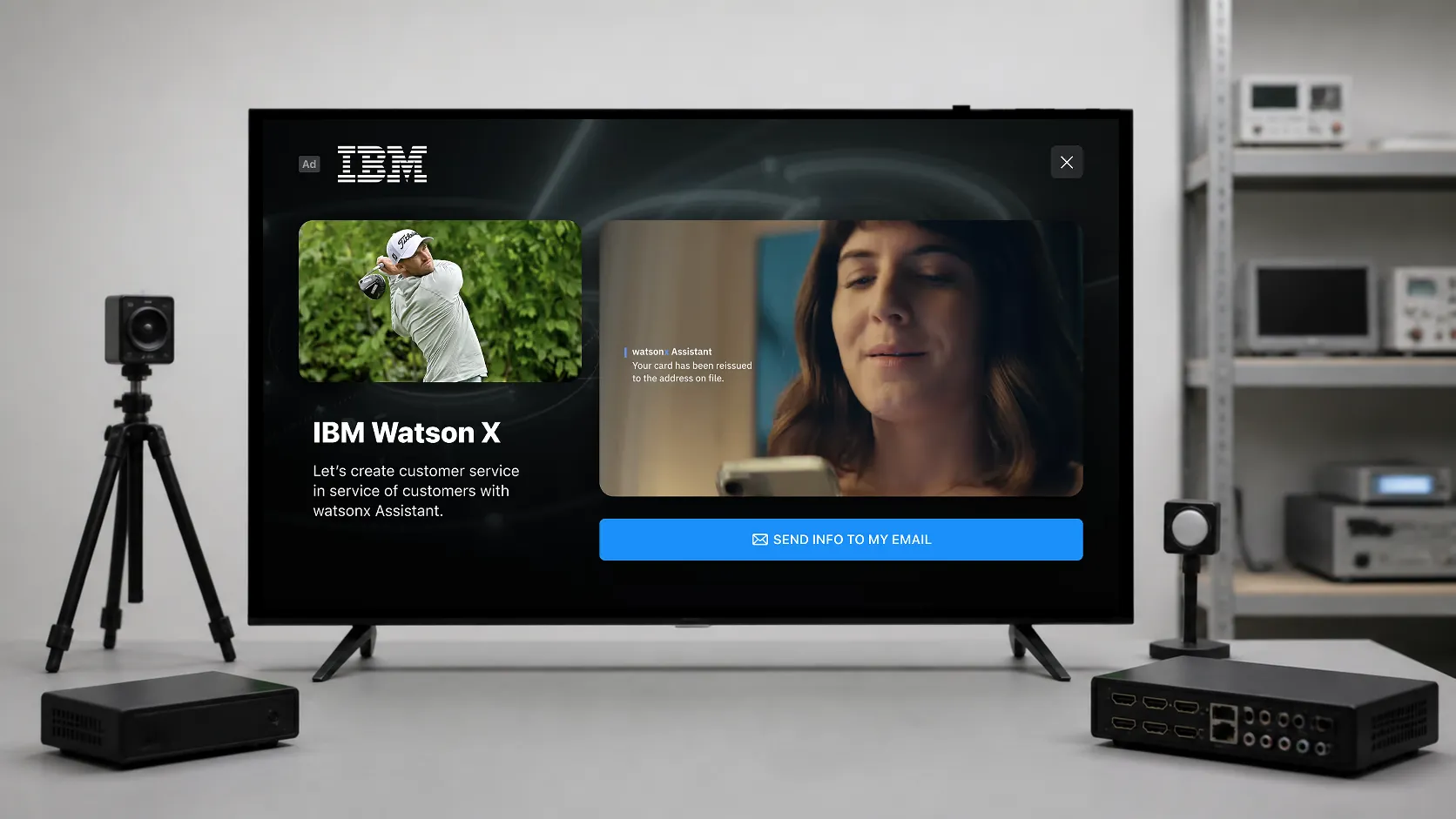
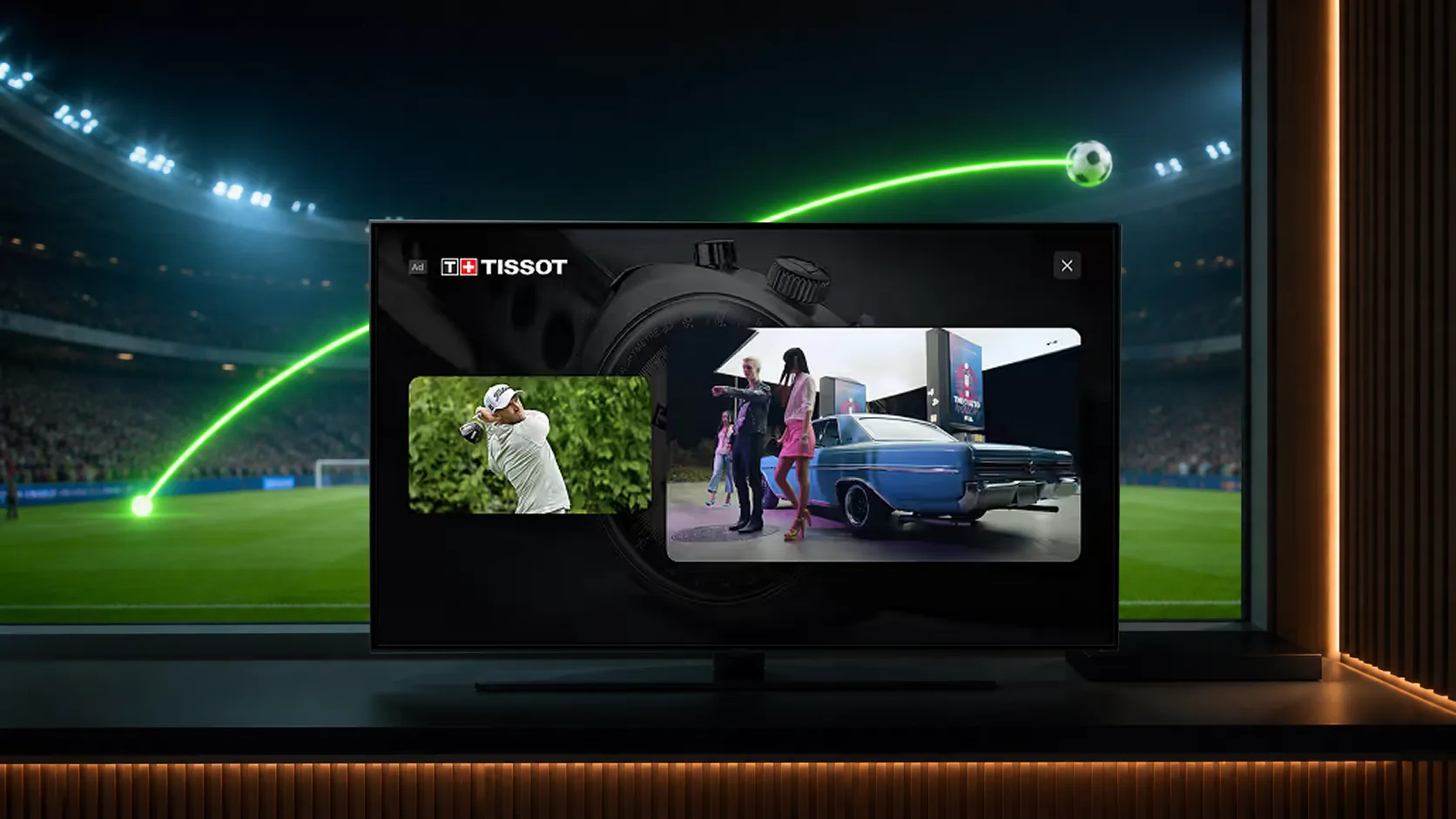
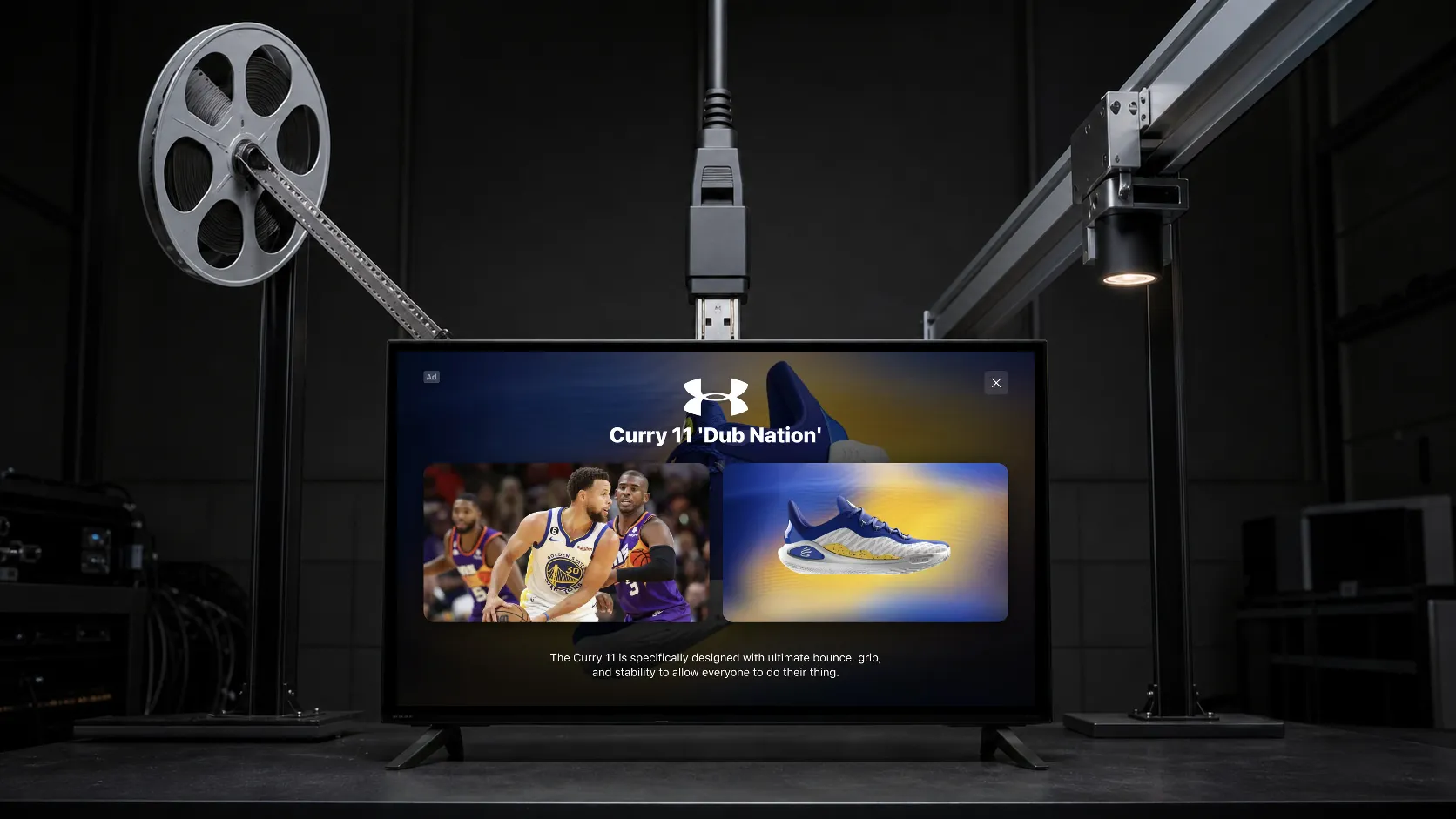
A synchronized interactive companion presented alongside an SSAI video ad. In StreamLayer’s implementation, the existing SSAI platform continues delivering the commercial while the SDK renders the companion.
VAST (Video Ad Serving Template)
An IAB Tech Lab XML specification for communicating video-ad assets, tracking information, and related metadata between advertising systems and players. VAST does not itself run an auction or guarantee format support.
VPAID (Video Player-Ad Interface Definition)
A legacy specification for communication between interactive video creative and a player. Compatibility should be verified rather than assumed.
SIMID (Secure Interactive Media Interface Definition)
An IAB Tech Lab specification that separates interactive creative communication from player-controlled video playback. Support depends on the participating player and advertising systems.
Nonlinear ads
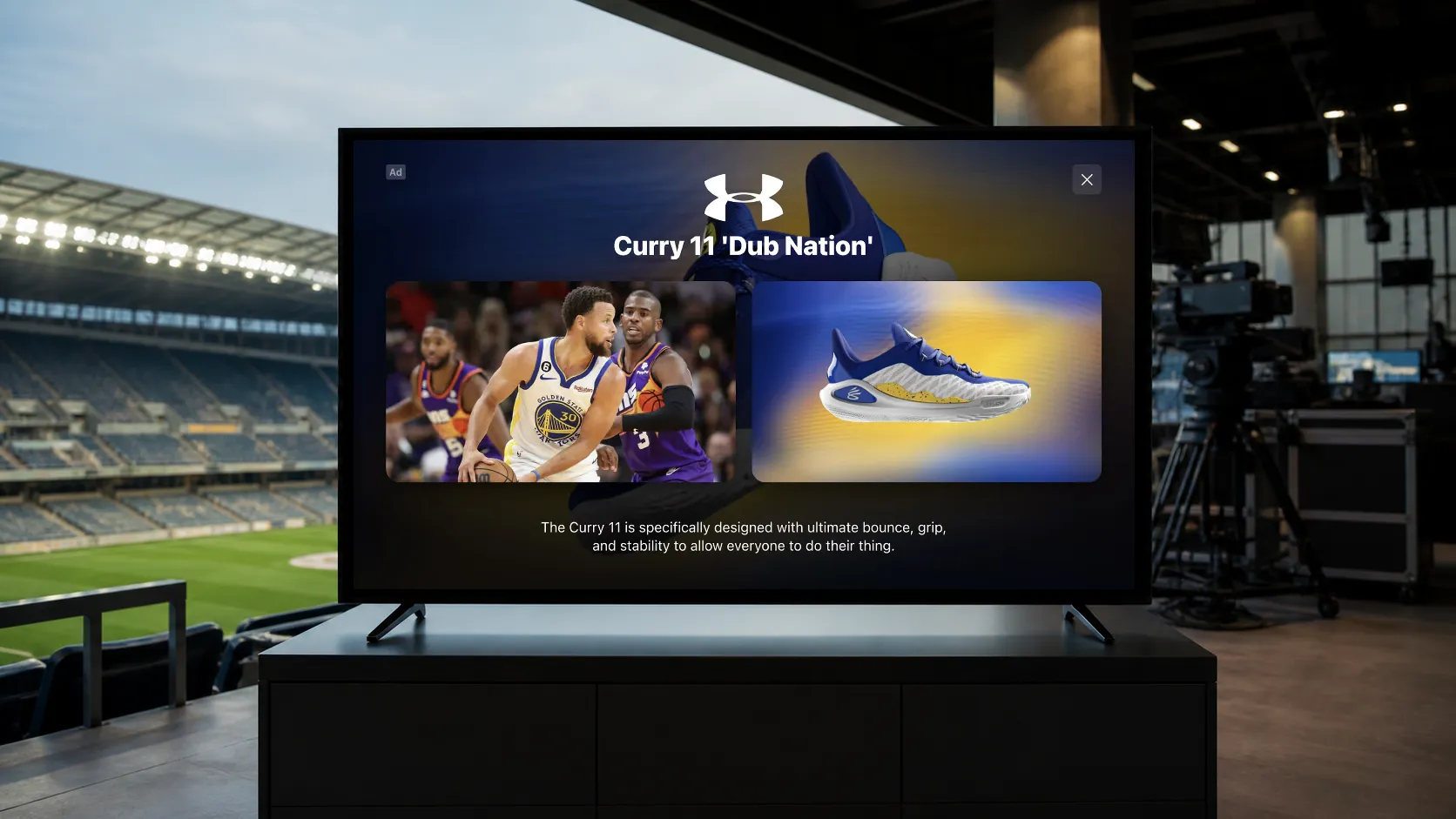
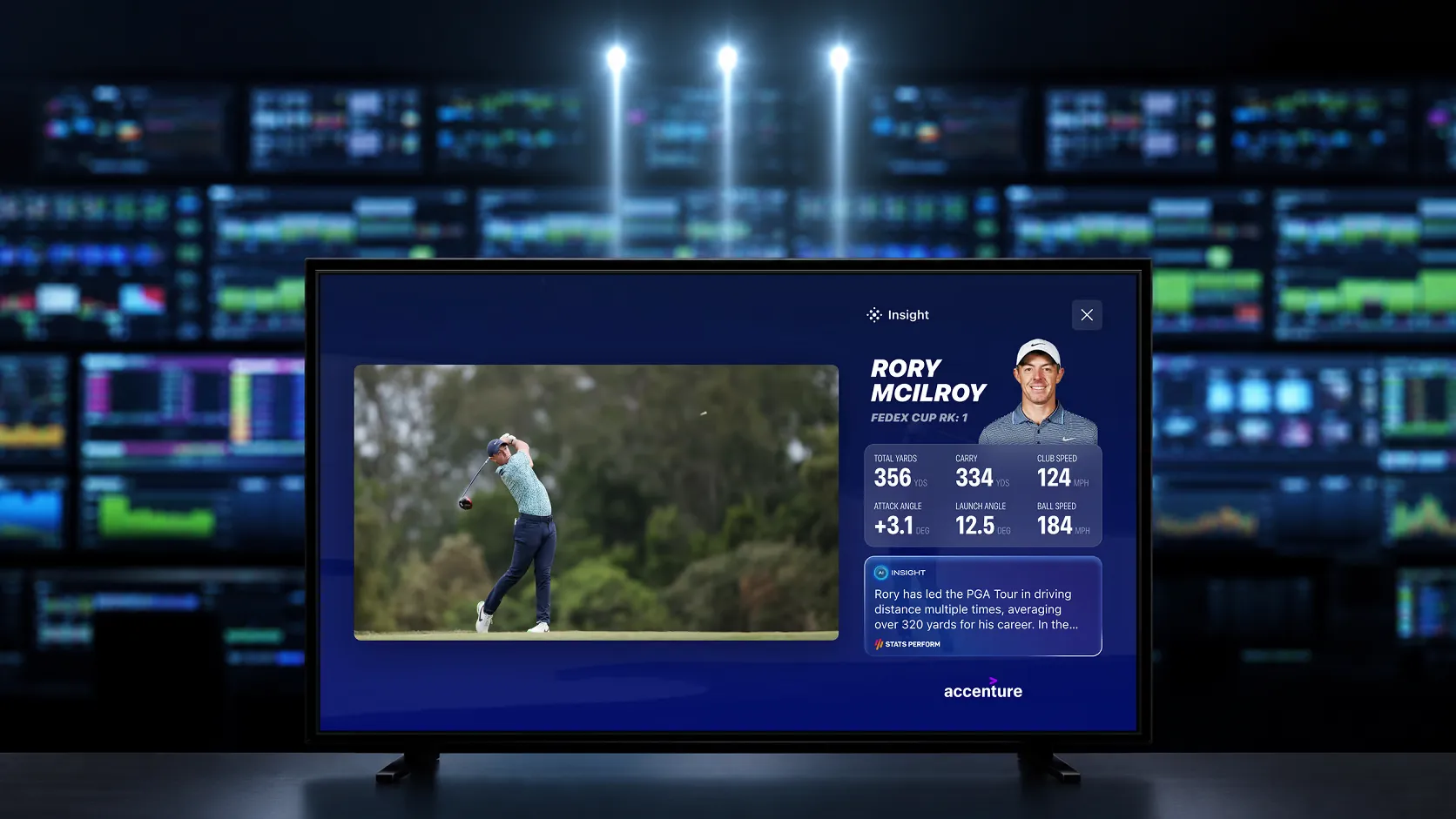
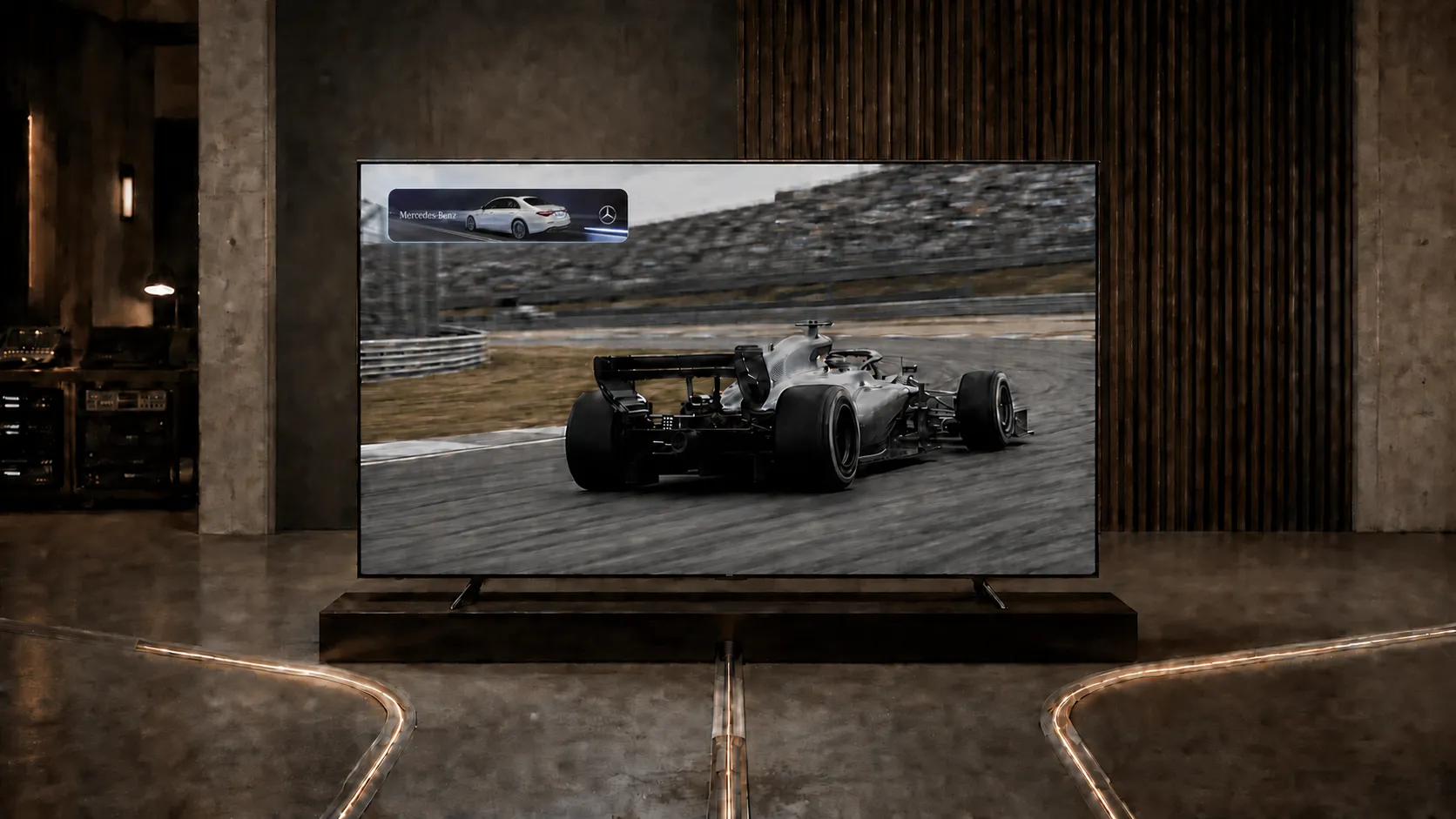
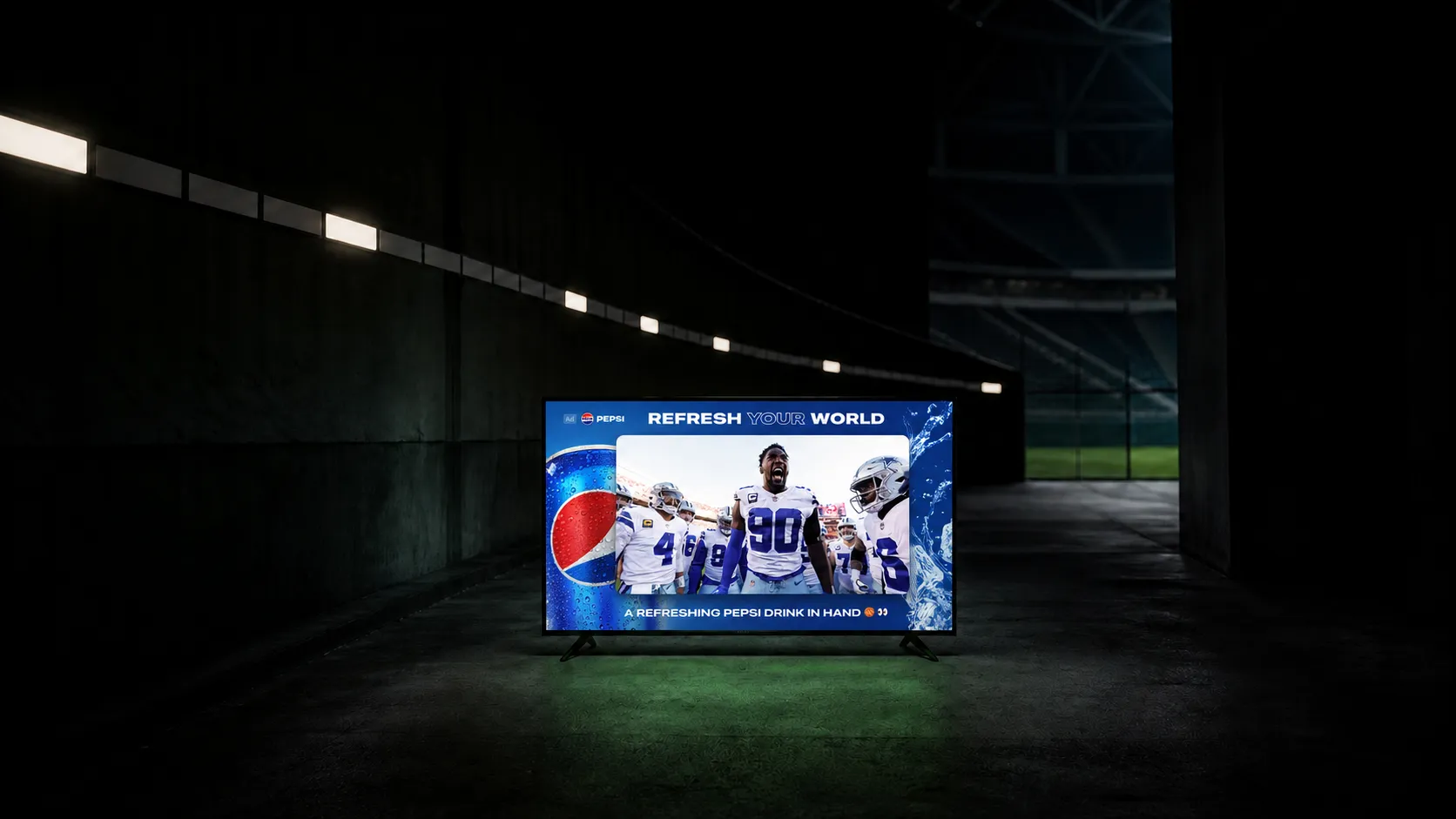
Advertising displayed while content continues, commonly beside, around, or over part of the picture. Placement, size, motion, and audio still affect the viewing experience.
Pause Ads
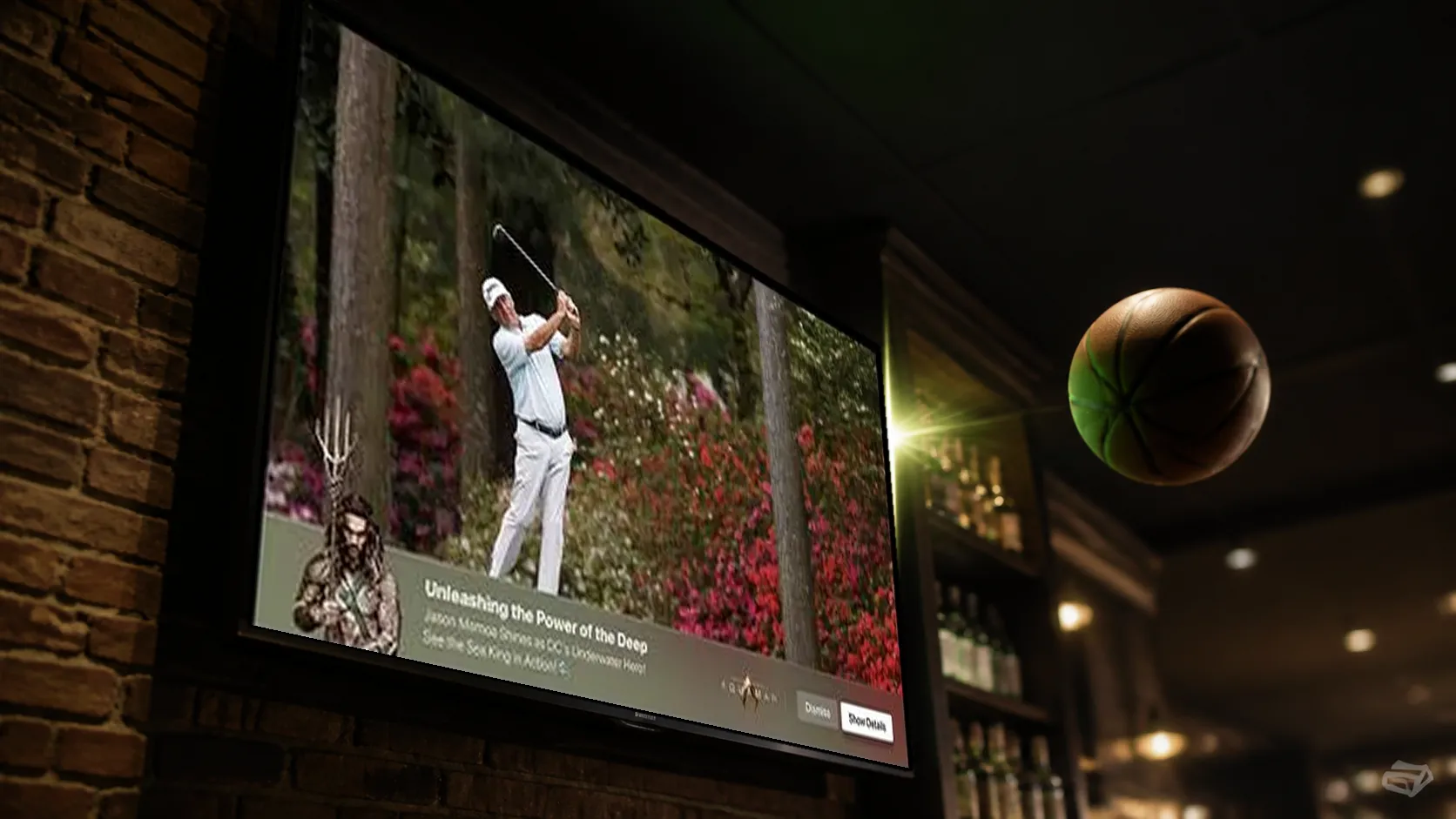
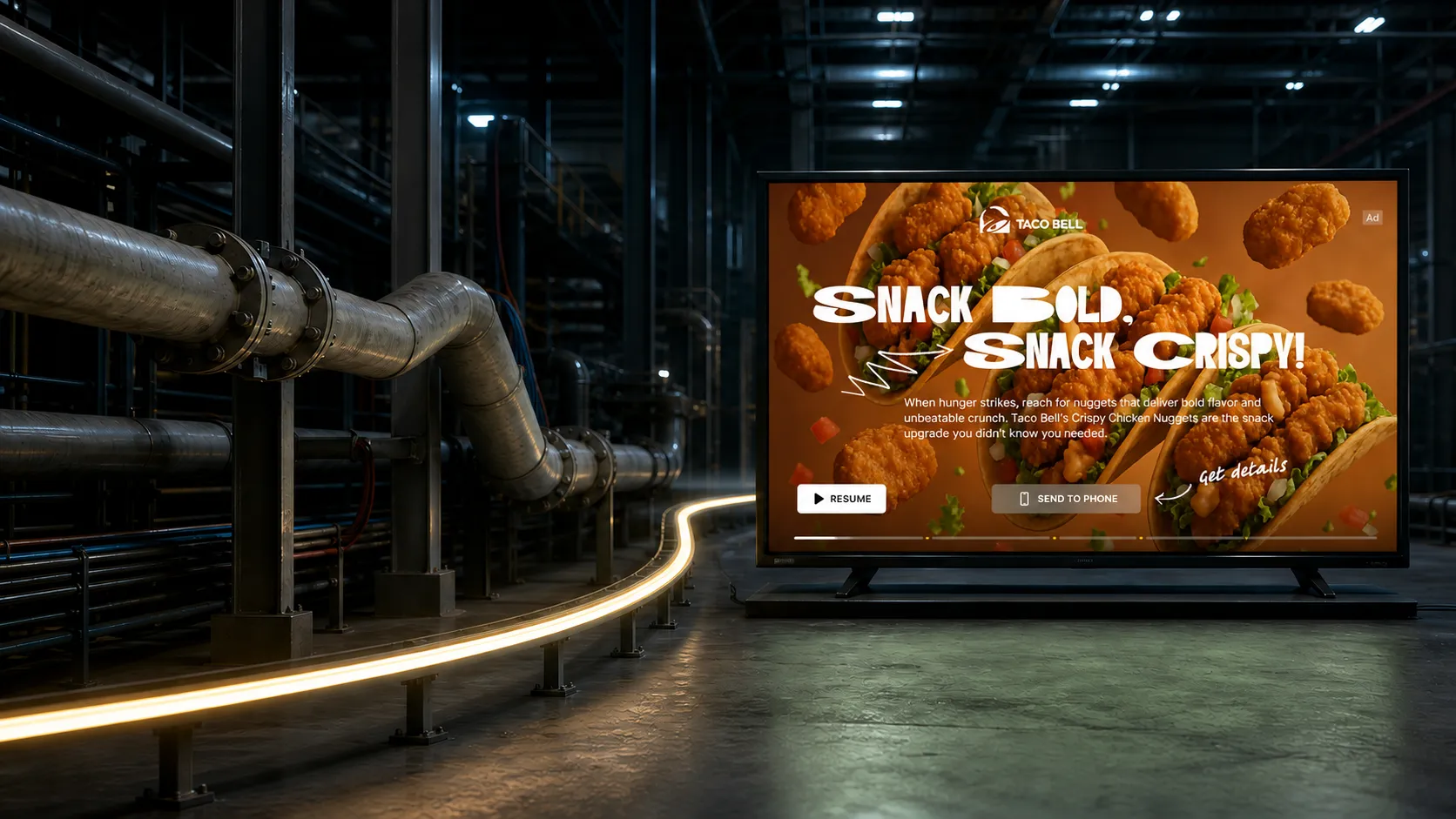
Advertising activated after a viewer pauses eligible playback. StreamLayer Pause Ads use still imagery or subtle, silent ambient motion that preserves the feeling of a paused scene, typically after approximately five seconds, and clear when playback resumes.
L-Bar
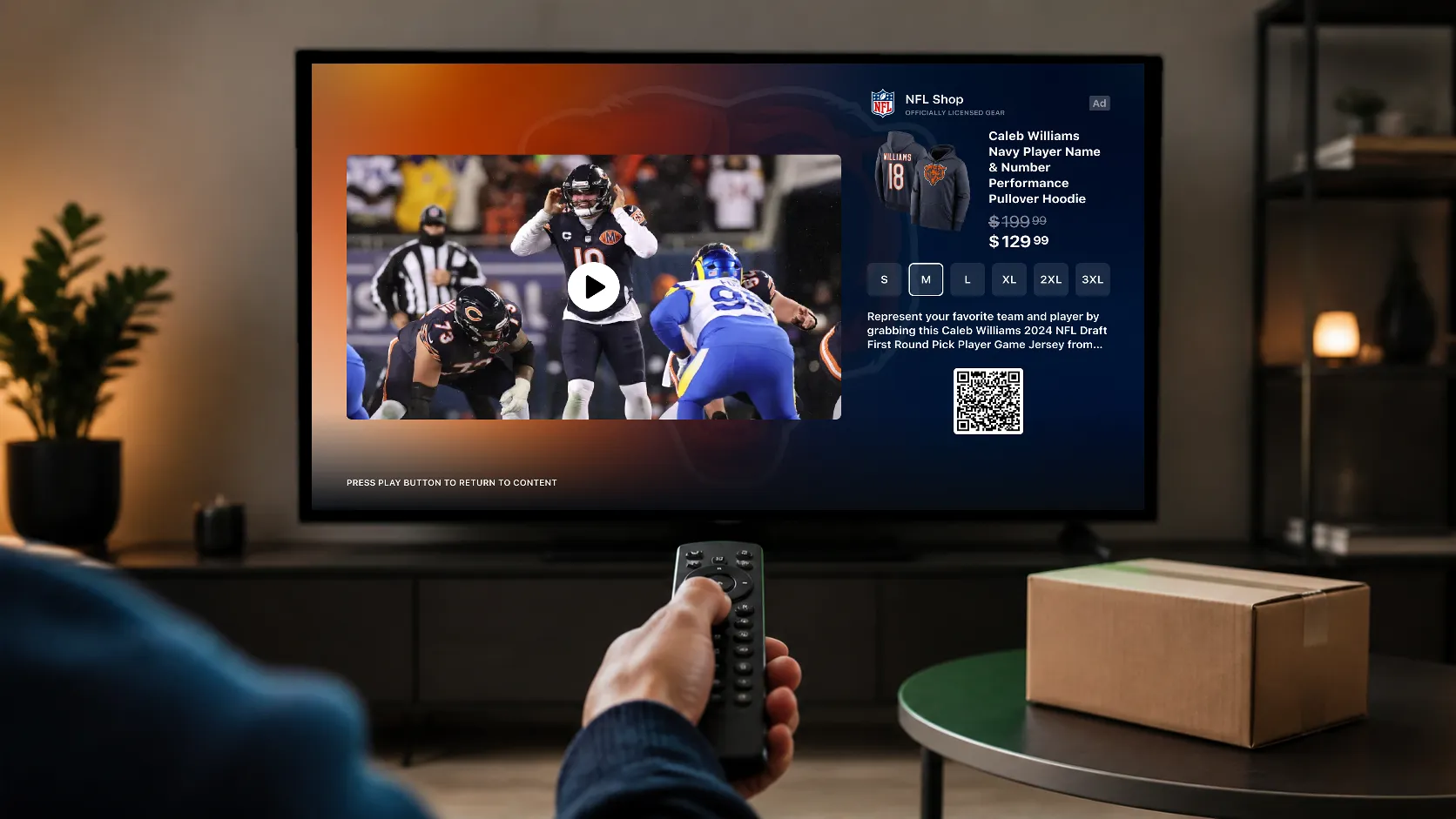
An advertising layout using space along one side and below a reduced video window. The host app coordinates the player layout.
Overlay
A rendered layer above the host app’s base interface. In StreamLayer terminology, an overlay may appear beside or around the video as well as over part of it.
Squeezeback
A layout that reduces the video area to create space for another experience. L-Bar and side-bar presentations are examples; exact layouts vary.
Lower third
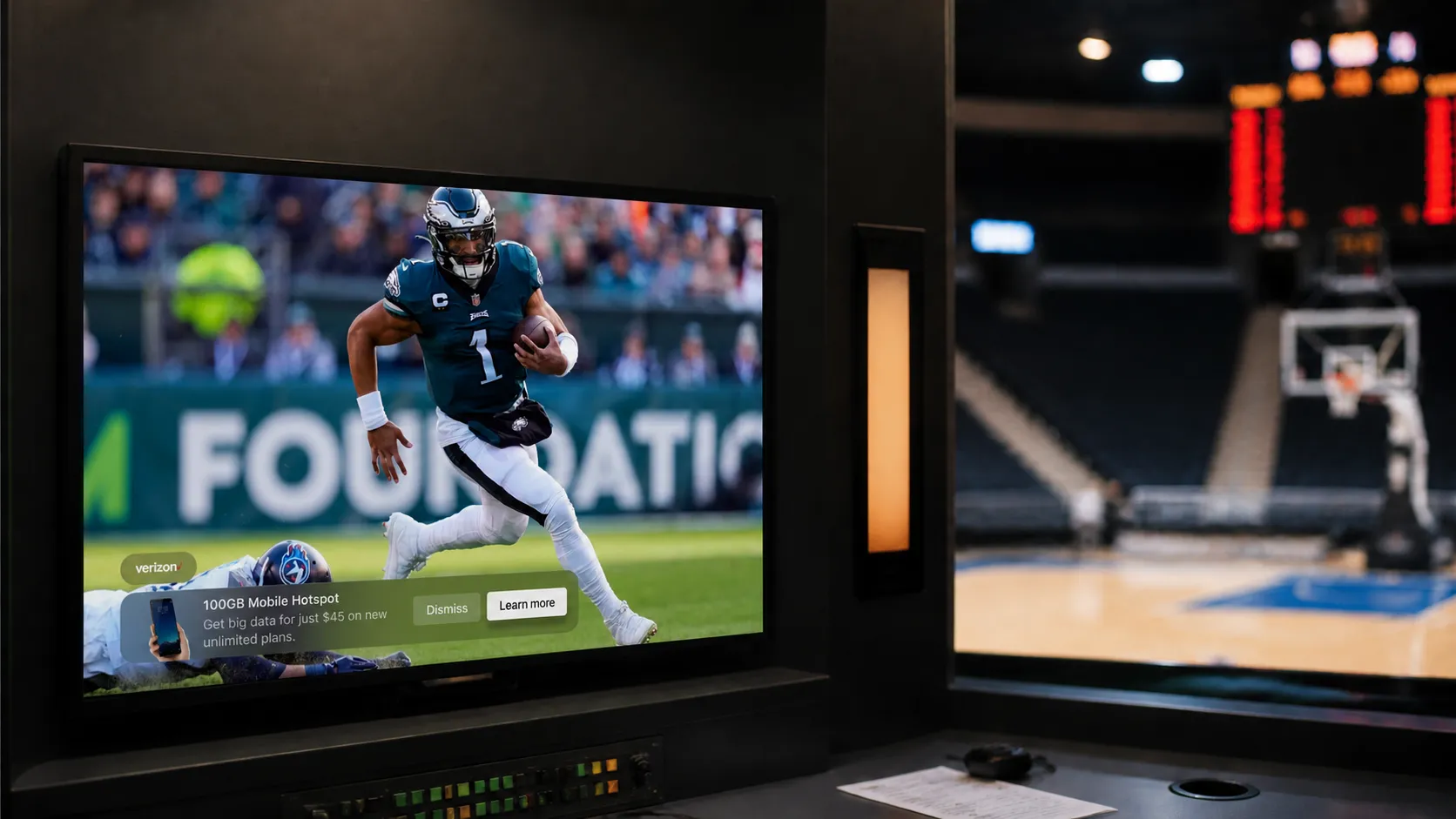
A compact graphic or advertising surface in the lower region of the picture. It need not occupy exactly one-third of the screen and should avoid captions and important graphics.
In-play advertising
Advertising presented during gameplay rather than solely within a commercial break. Use requires suitable formats, permissions, timing, and publisher protections.
Live Moment Ads
Advertising activated selectively in relation to live events or context. Event detection identifies an opportunity; publisher rules determine whether and how an ad appears.
Shoppable advertising
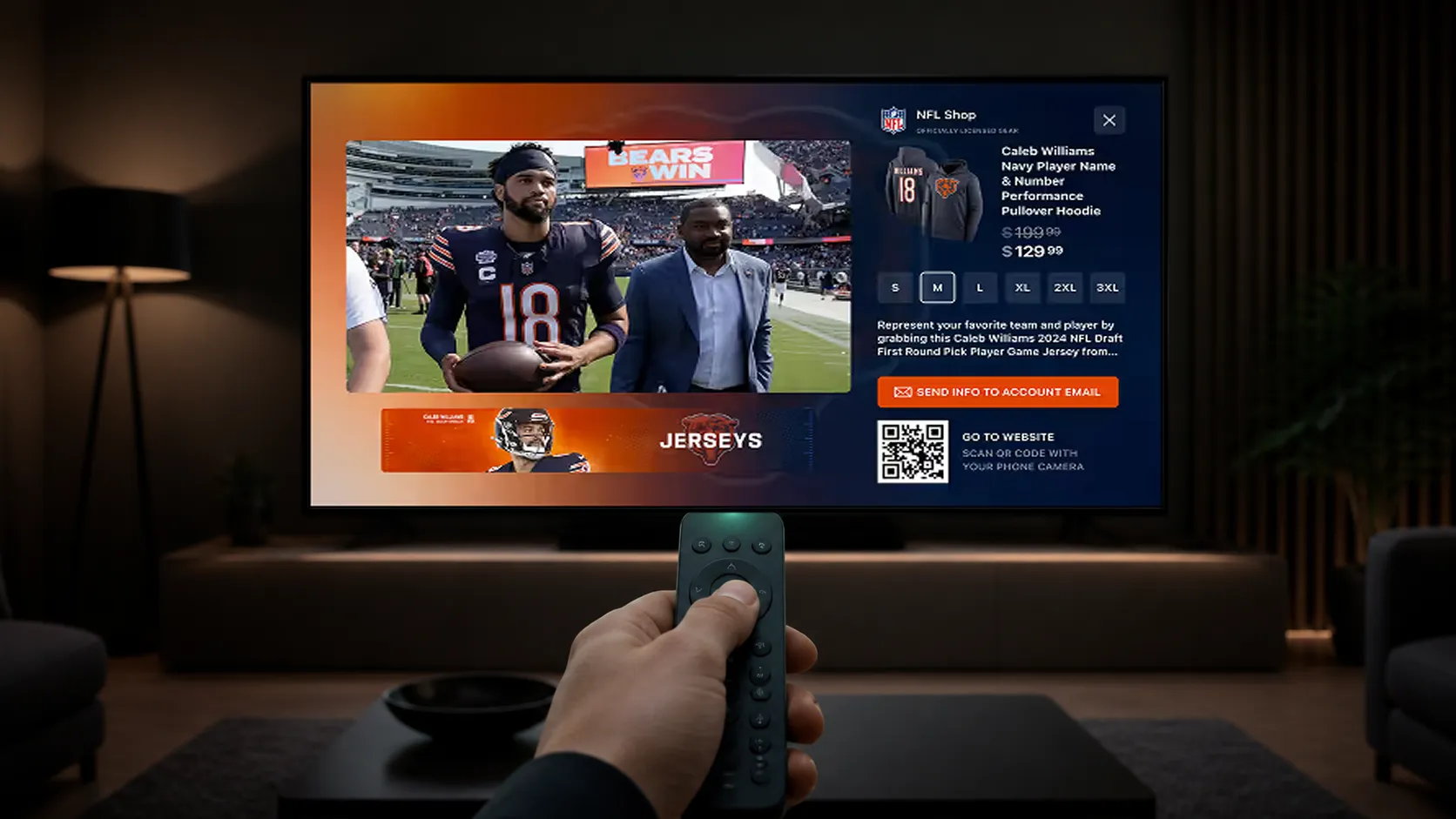
An ad with product discovery or purchase-related actions. Checkout may occur in a supported app experience or through a destination or phone handoff, depending on the integration.
CTV (Connected TV)
A television accessing internet-delivered services through built-in software or a connected streaming device or console.
OTT (Over-the-Top)
Internet-delivered video services outside traditional cable or satellite distribution. OTT content can be viewed on CTV, mobile, and web.
FAST (Free Ad-Supported Streaming TV)
Free streaming television supported by advertising, commonly presented as scheduled channels. Viewer-controlled pause is available only where the app and distribution support it.
Linear streaming
Video presented according to a schedule. The programming can include live events or prerecorded content.
VOD (Video on Demand)
Video selected for playback at the viewer’s chosen time. Business models include advertising, subscriptions, and transactions.
CPM (Cost per Mille)
Advertising spend divided by impressions, multiplied by 1,000. A premium CPM must be established through actual pricing and demand, not inferred from a format label.
CPE (Cost per Engagement)
Advertising spend divided by qualifying engagements. The qualifying action and treatment of repeat or invalid activity must be defined.
Ad pod
A sequence of advertisements within a commercial break. Duration and number of ads depend on the publisher and programming.
Fill rate
The proportion of eligible advertising opportunities filled with an ad, using an explicitly defined denominator. Creating more inventory does not automatically improve fill rate.
Incremental inventory
Advertising opportunities additional to the existing inventory. Revenue is incremental only to the extent that it adds value after displacement, costs, and changes in viewing behavior.
Second screen
A separate device used alongside the primary viewing screen, for example a phone used to complete a purchase from a CTV ad.
Single-screen interactivity
Viewer actions offered within the primary streaming app. Some journeys may still use an optional external destination or phone handoff.
Gamification
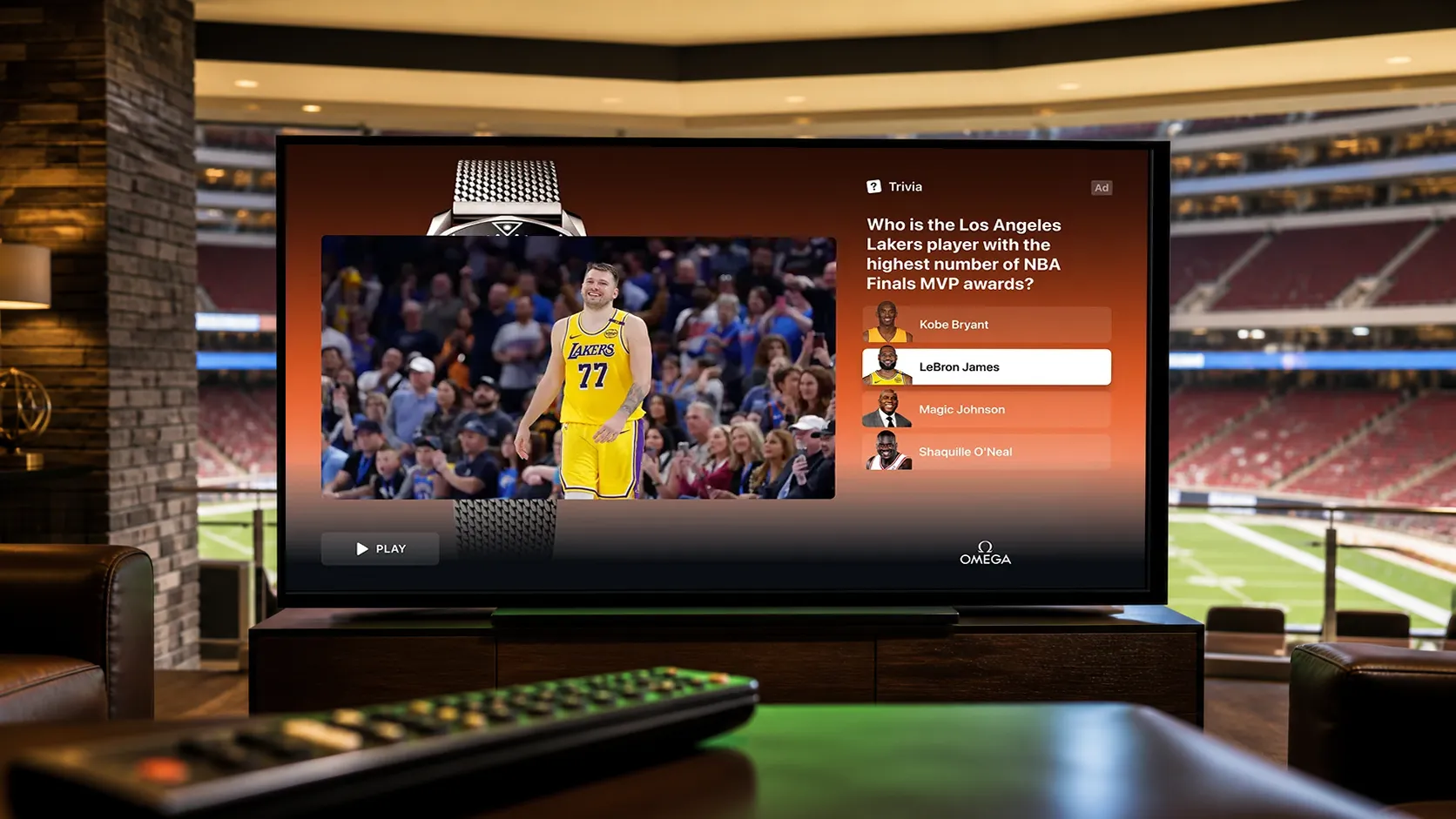
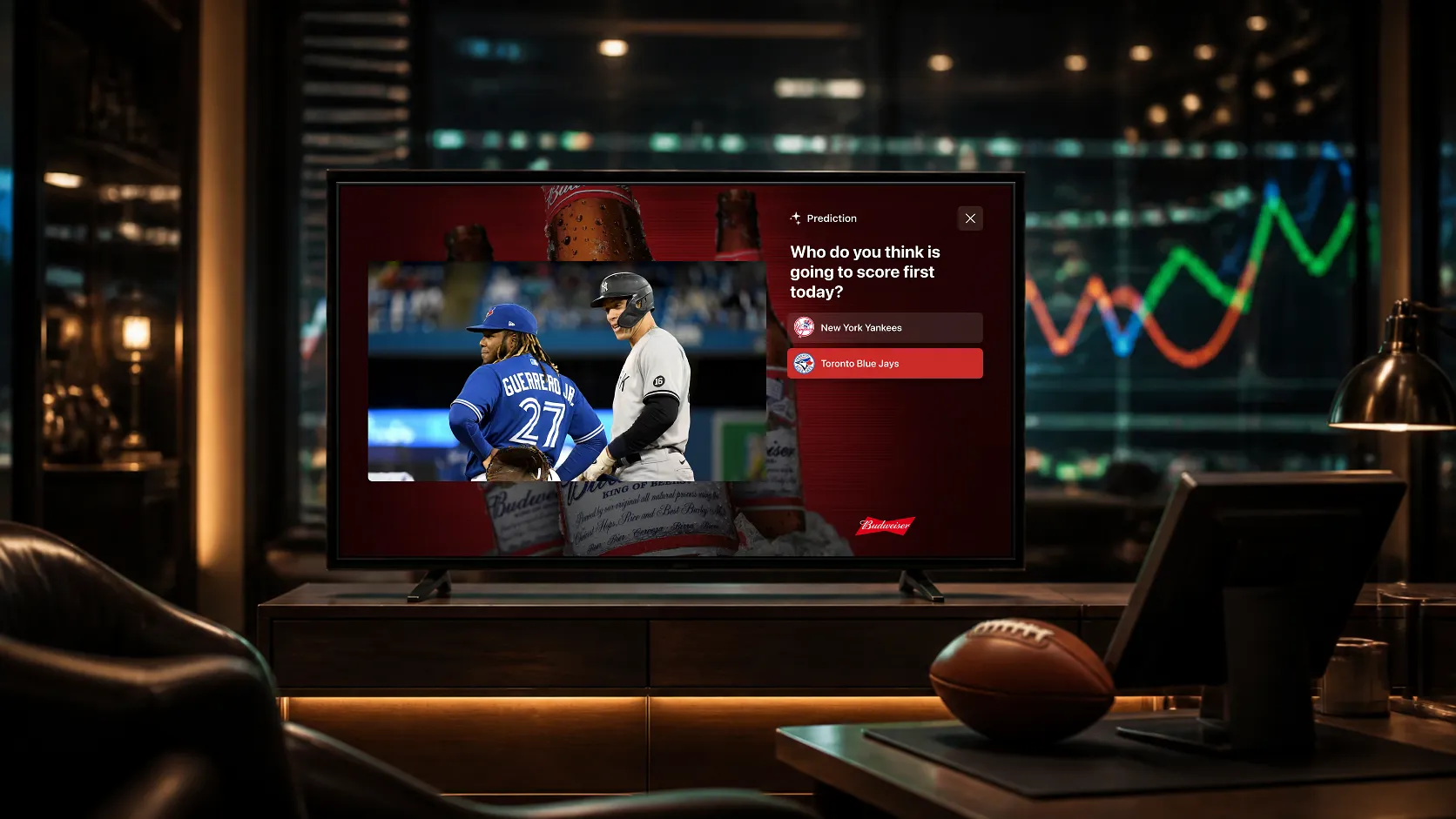
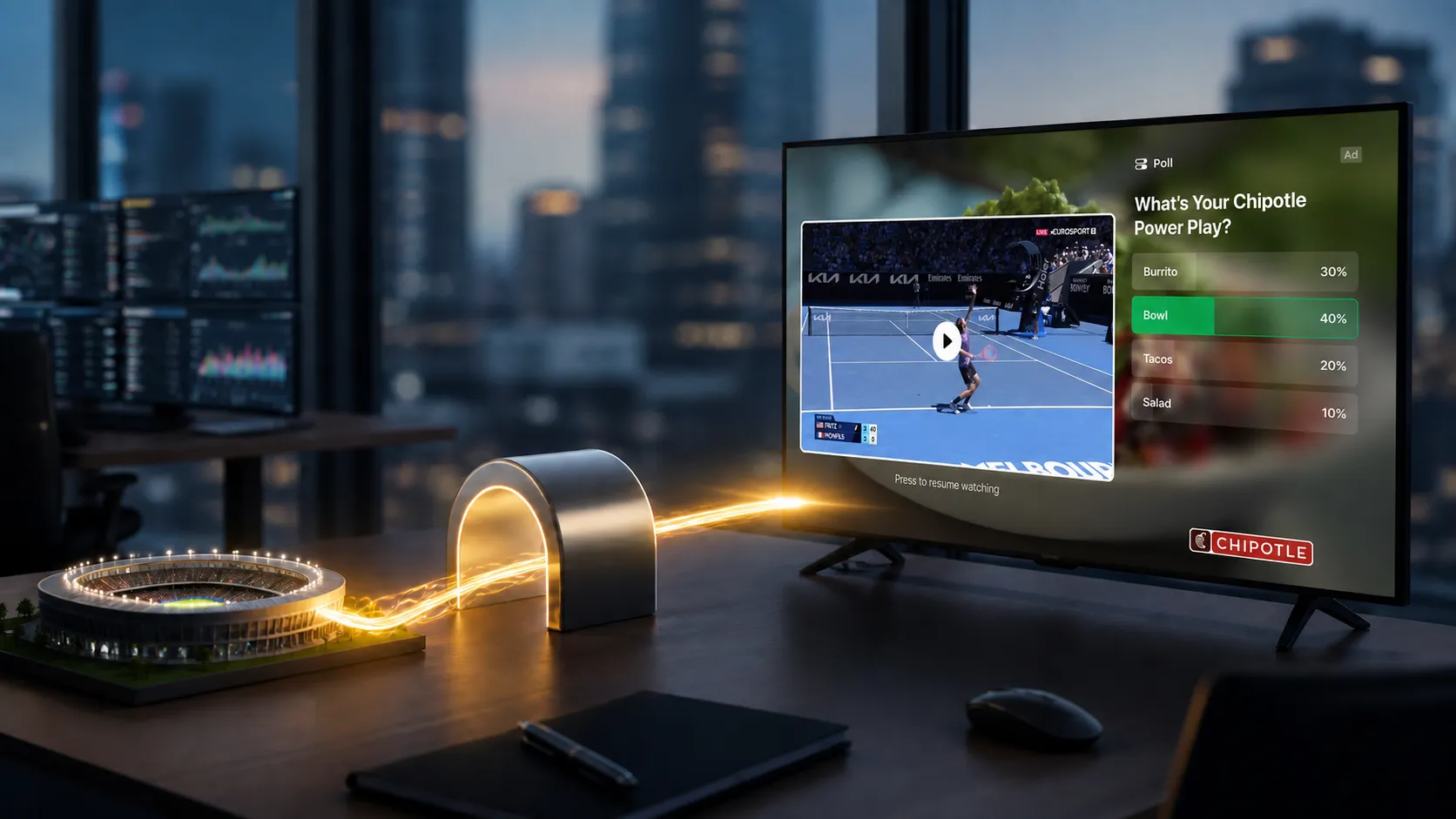
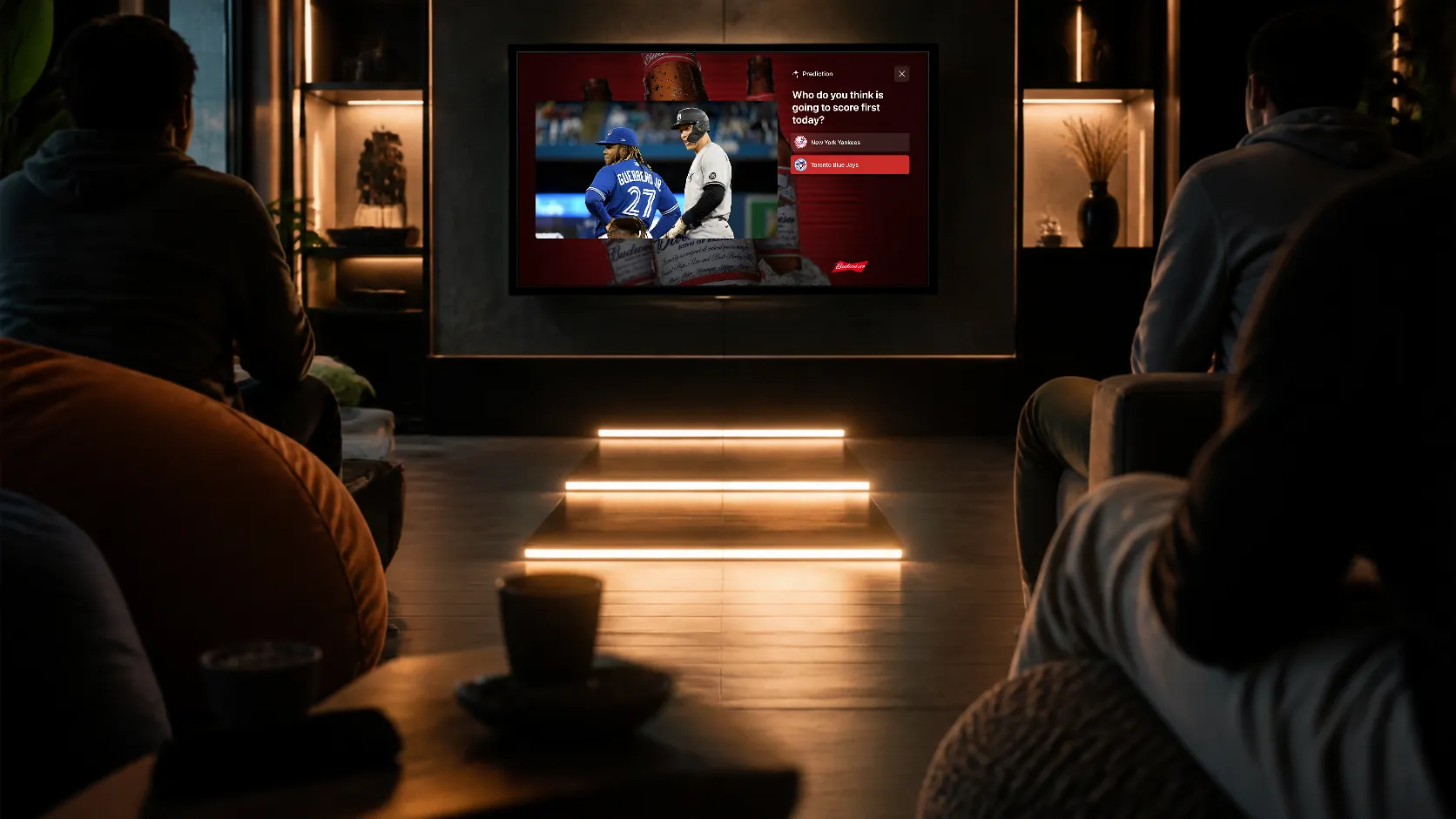
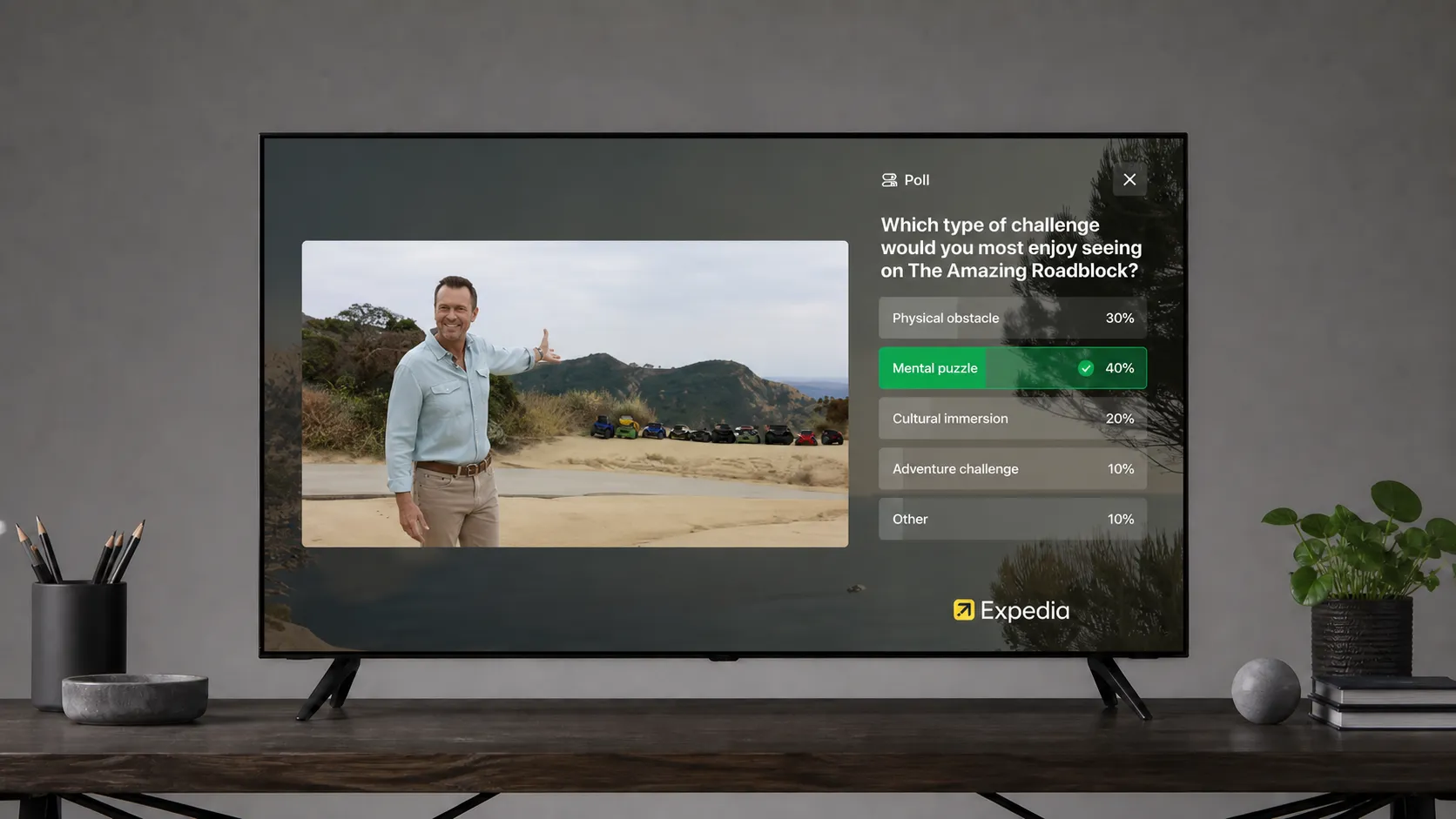
Participation mechanics such as predictions, trivia, scores, or leaderboards. Effects on watch time and retention should be tested.
Social viewing
Shared-viewing features such as watch parties, chat, or reactions. Synchronization, moderation, entitlement, and device support need to be designed explicitly.
IAB Tech Lab
The industry organization responsible for technical advertising specifications including VAST and Open Measurement. A published standard does not mean every vendor supports it.
Open Measurement and OMID
Open Measurement provides standardized support for third-party viewability and verification measurement. OMID is the interface definition used in that ecosystem. Measurement support is platform-specific; viewability is not proof of attention.
Programmatic advertising
Automated processes for buying and selling advertising. Programmatic transactions include auction and non-auction arrangements.
SSP (Supply-Side Platform)
Technology used by publishers to make advertising inventory available to buyers and manage relevant selling workflows.
DSP (Demand-Side Platform)
Technology used by advertisers or their representatives to buy advertising and manage campaign targeting and bidding.
Moment Intelligence
StreamLayer’s live-context qualification capability. It supplies signals to publisher-controlled activation logic; it does not replace an SSP, DSP, or auction.
Publisher controls
Rules governing eligibility, pacing, suppression, placement, and closing behavior. These determine whether a candidate moment is appropriate for activation.
Explore the related guides
StreamLayer SGAI · Live Moment Ads · Pause Ads · Interactive SSAI · CPM and CPE measurement
Technical references: VAST and Open Measurement.