Live Sports CTV Advertising: Formats, Pricing, and Measurement
Updated September 8, 2026 · StreamLayer
This guide covers advertising packages, pricing considerations, and measurement. For the publisher’s broader launch plan, see live sports monetization.
What CPMs should publishers expect for live sports CTV advertising?
Live sports CTV pricing depends on the rights, audience, market, buying method, and advertising format. Publishers can earn premium pricing through relevant creative, valuable audiences, and measurable advertiser outcomes. A single CPM range cannot describe every sports broadcast or campaign.
Pause ads can also attract video-level pricing. A streaming publisher reported higher CPMs for pause ads than for video ads in a July 2026 trade interview. This is evidence of the format’s commercial potential, rather than a market-wide rate card. Source.
For planning, obtain current quotes for comparable inventory and distinguish asking prices from realized CPMs. Keep currency, geography, season, audience targeting, and gross versus net pricing consistent.
Which formats create value around live sports?
Standard video spots remain a core part of the advertising mix. Publishers can complement them with three distinct products:
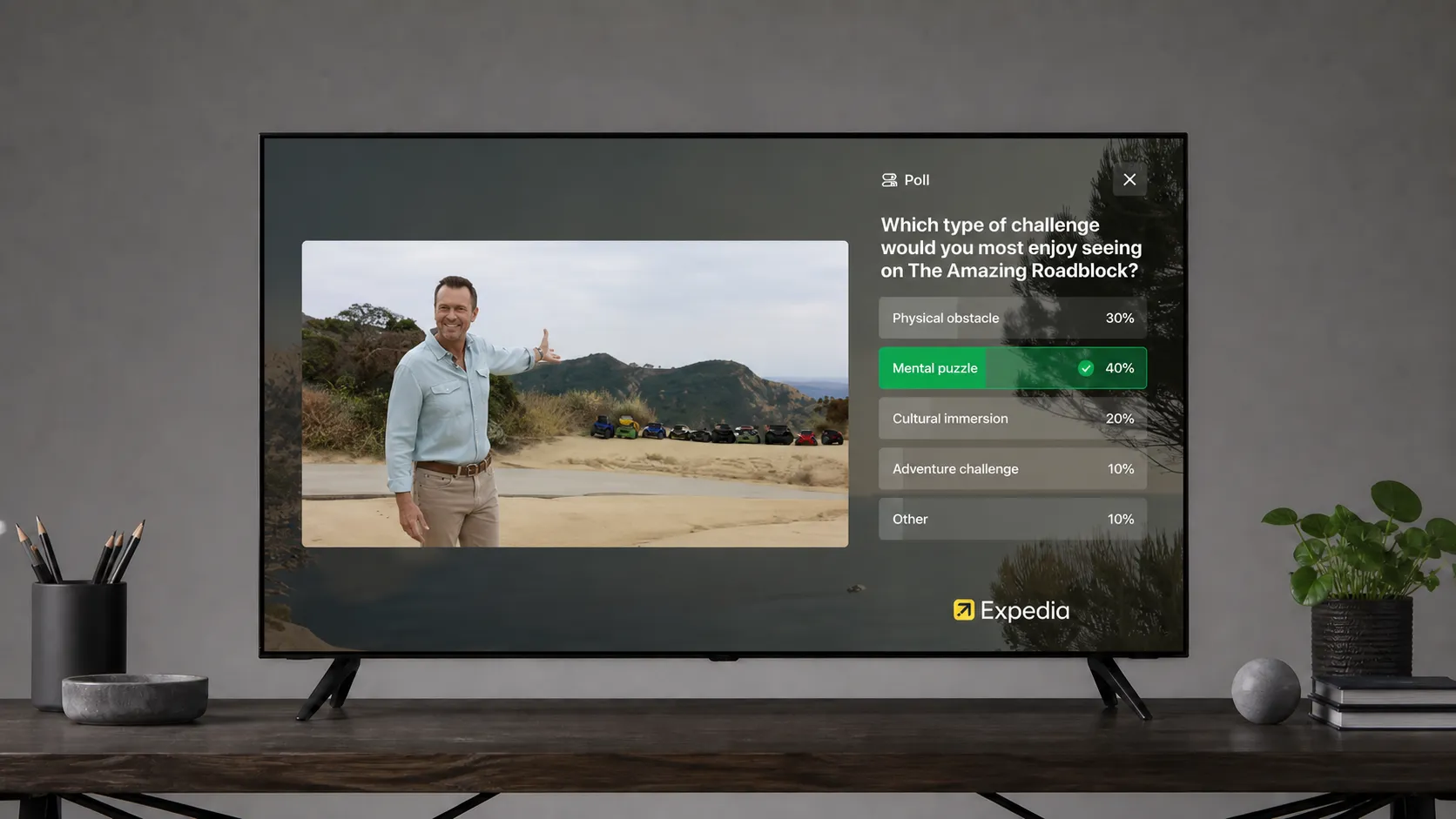
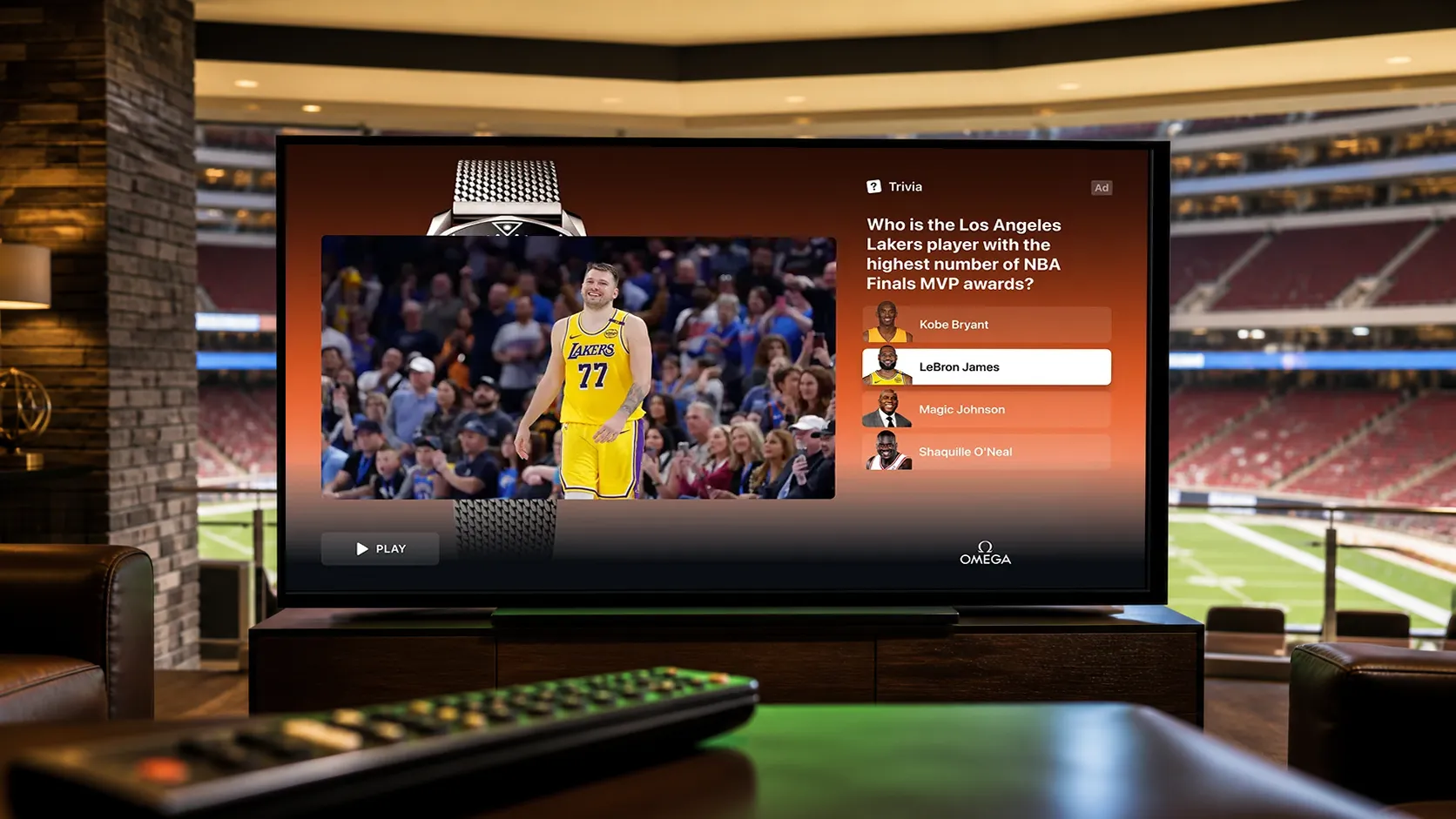
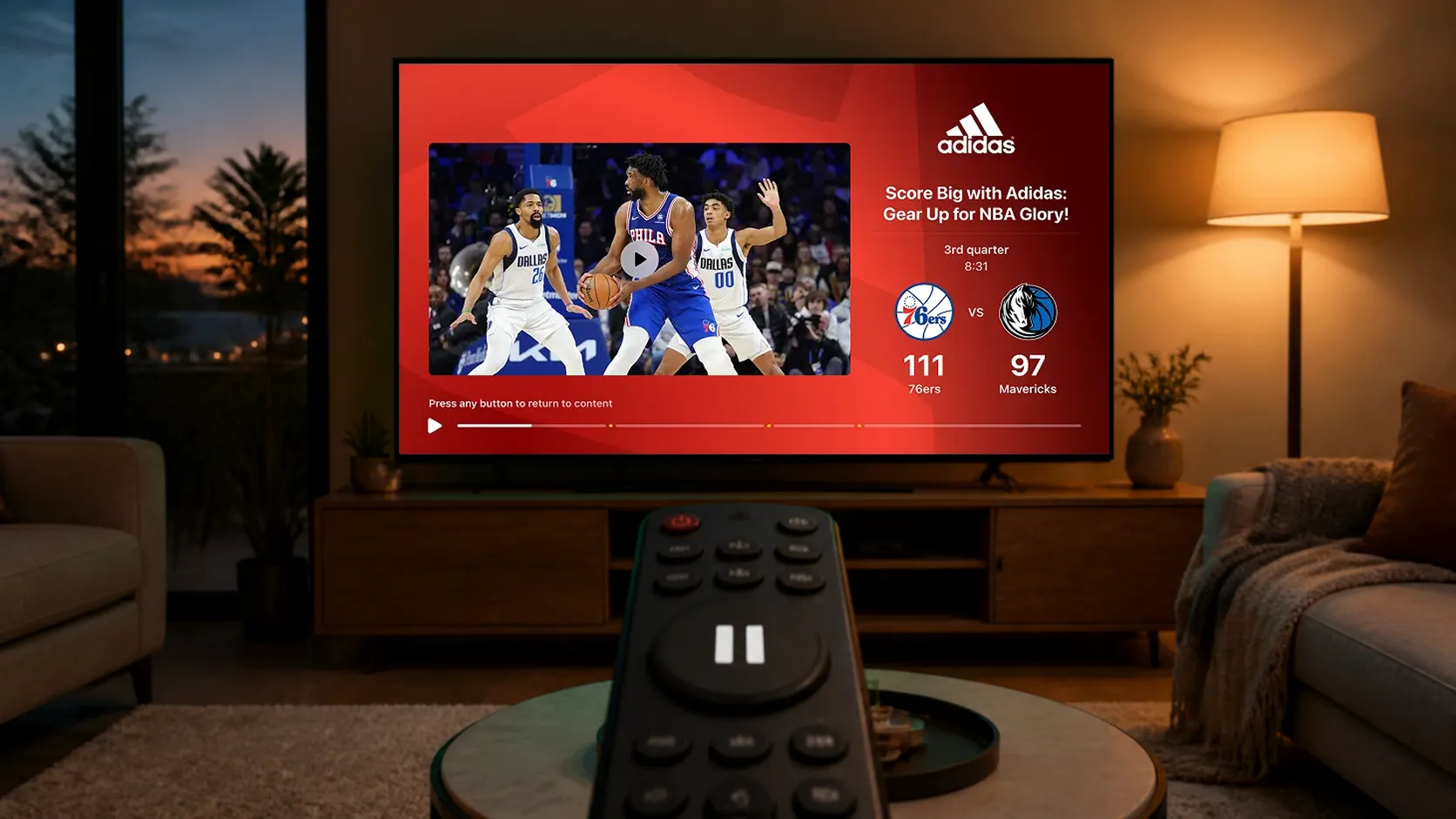
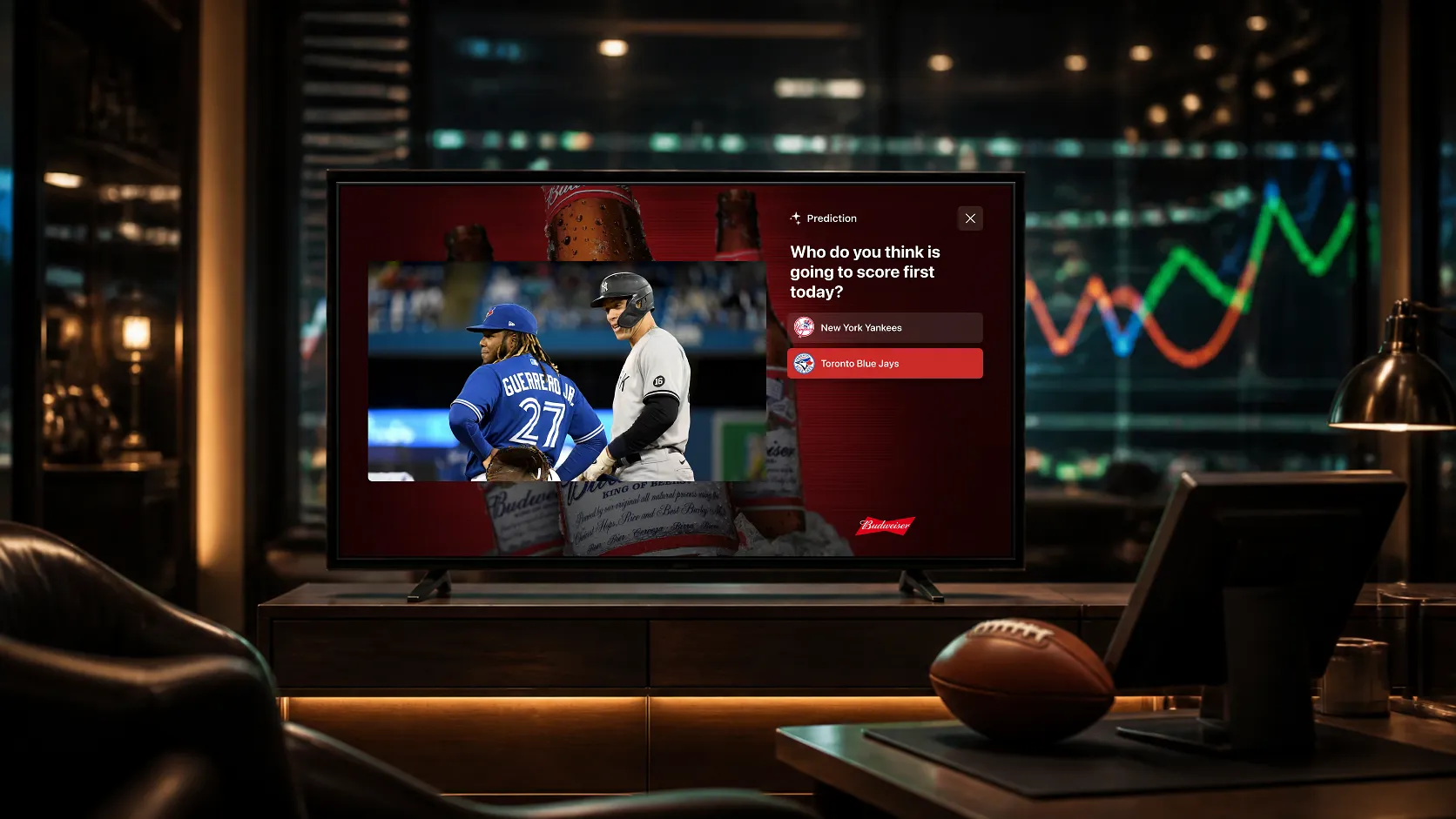
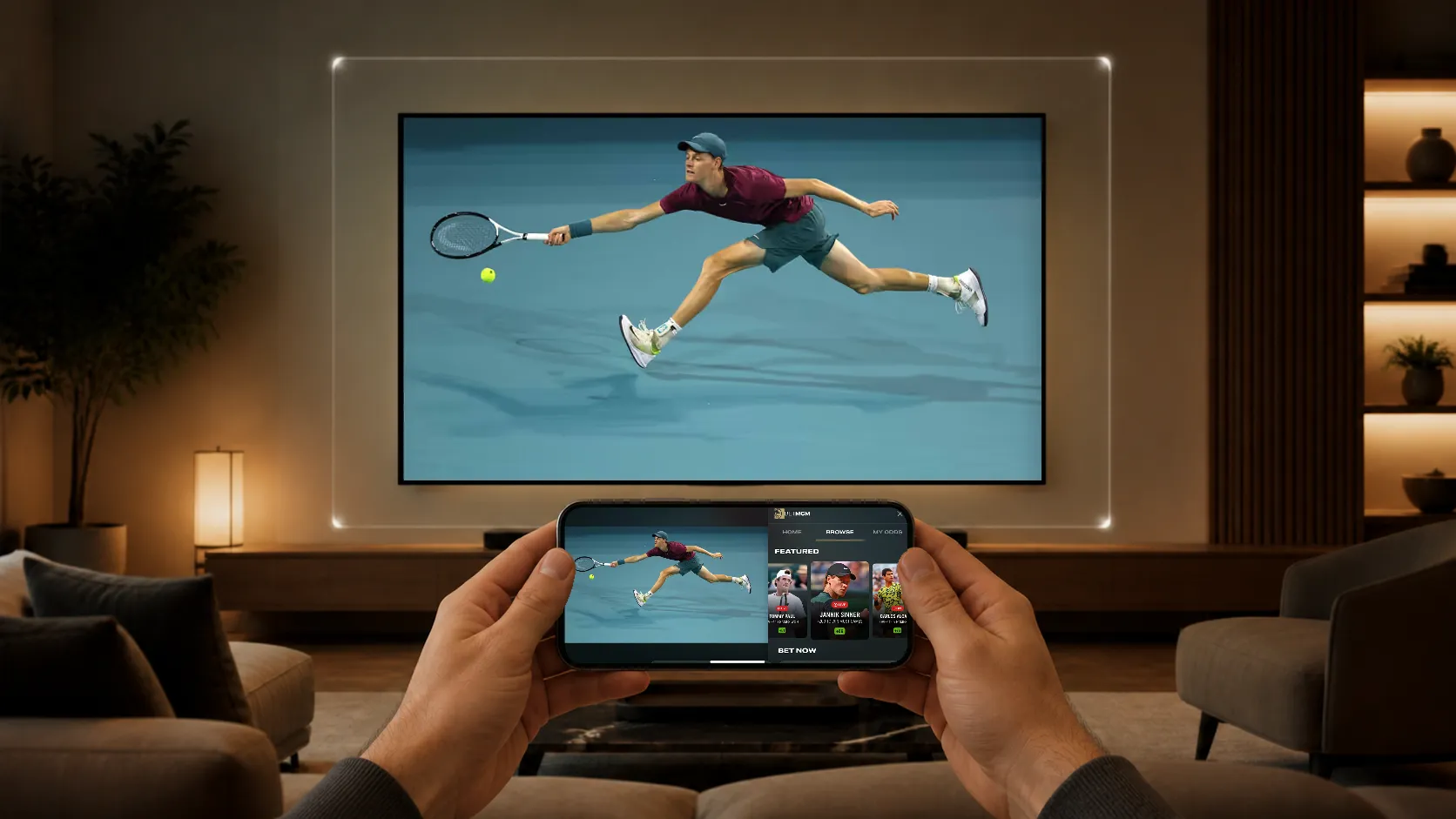
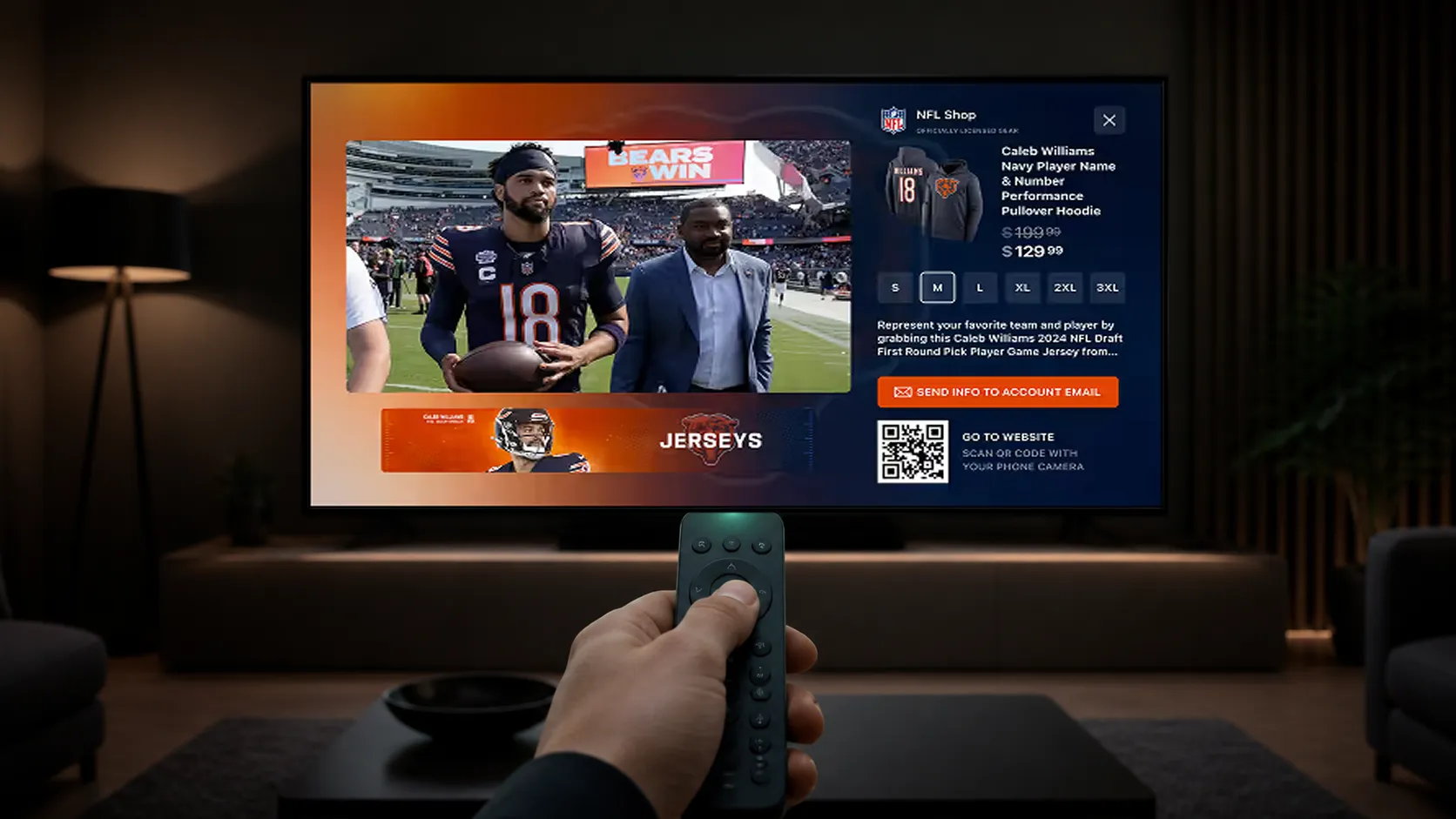
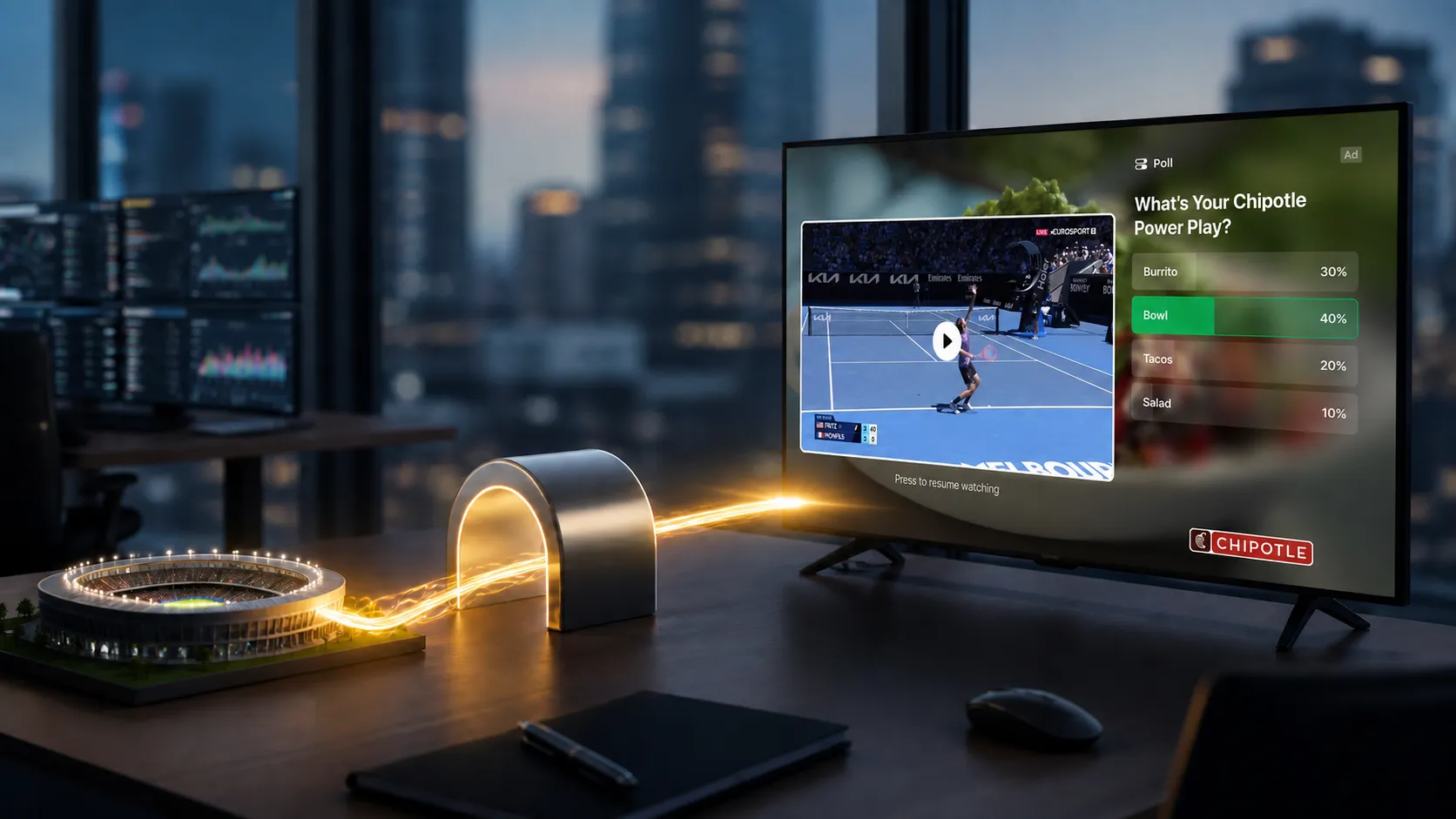
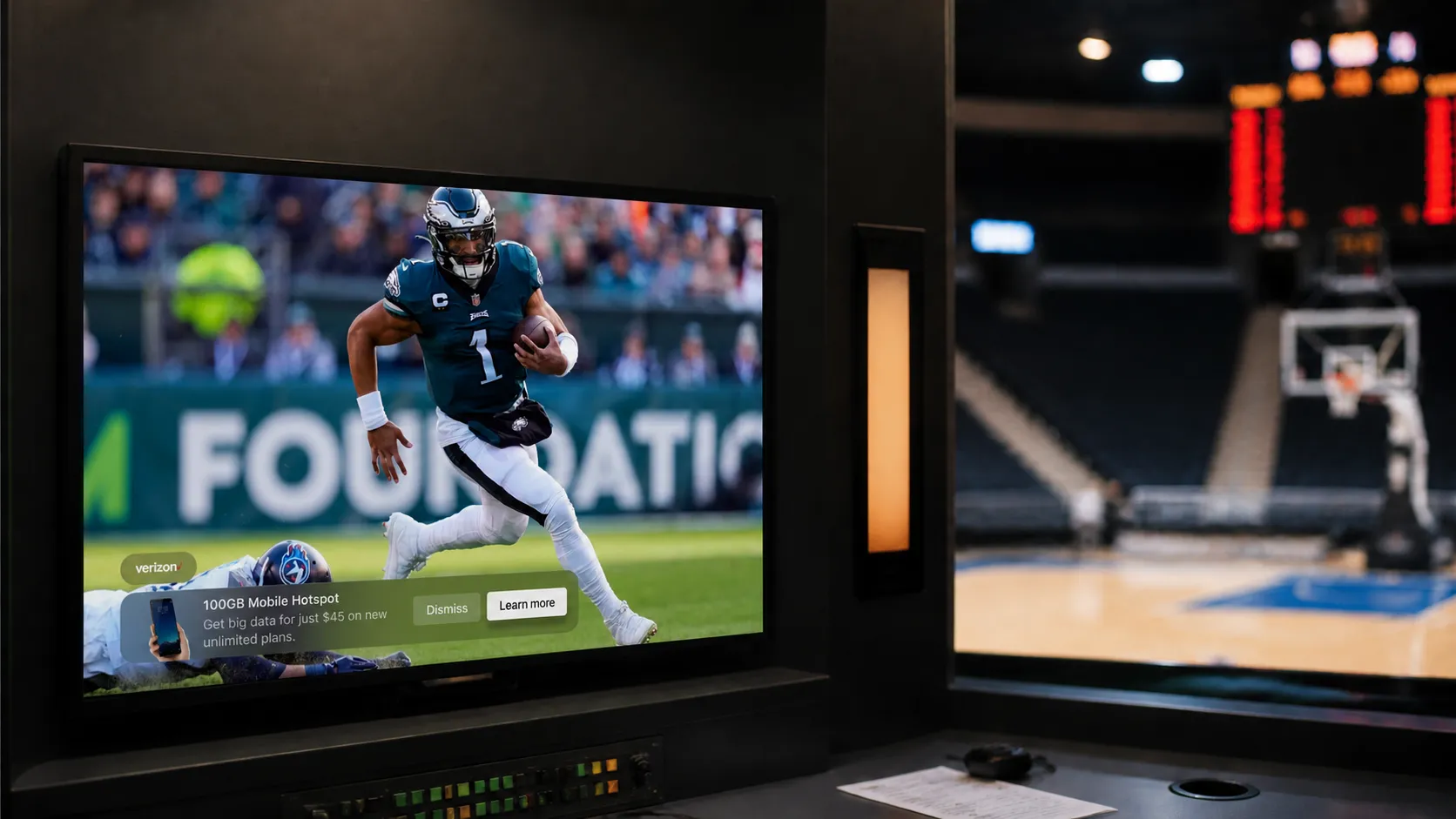
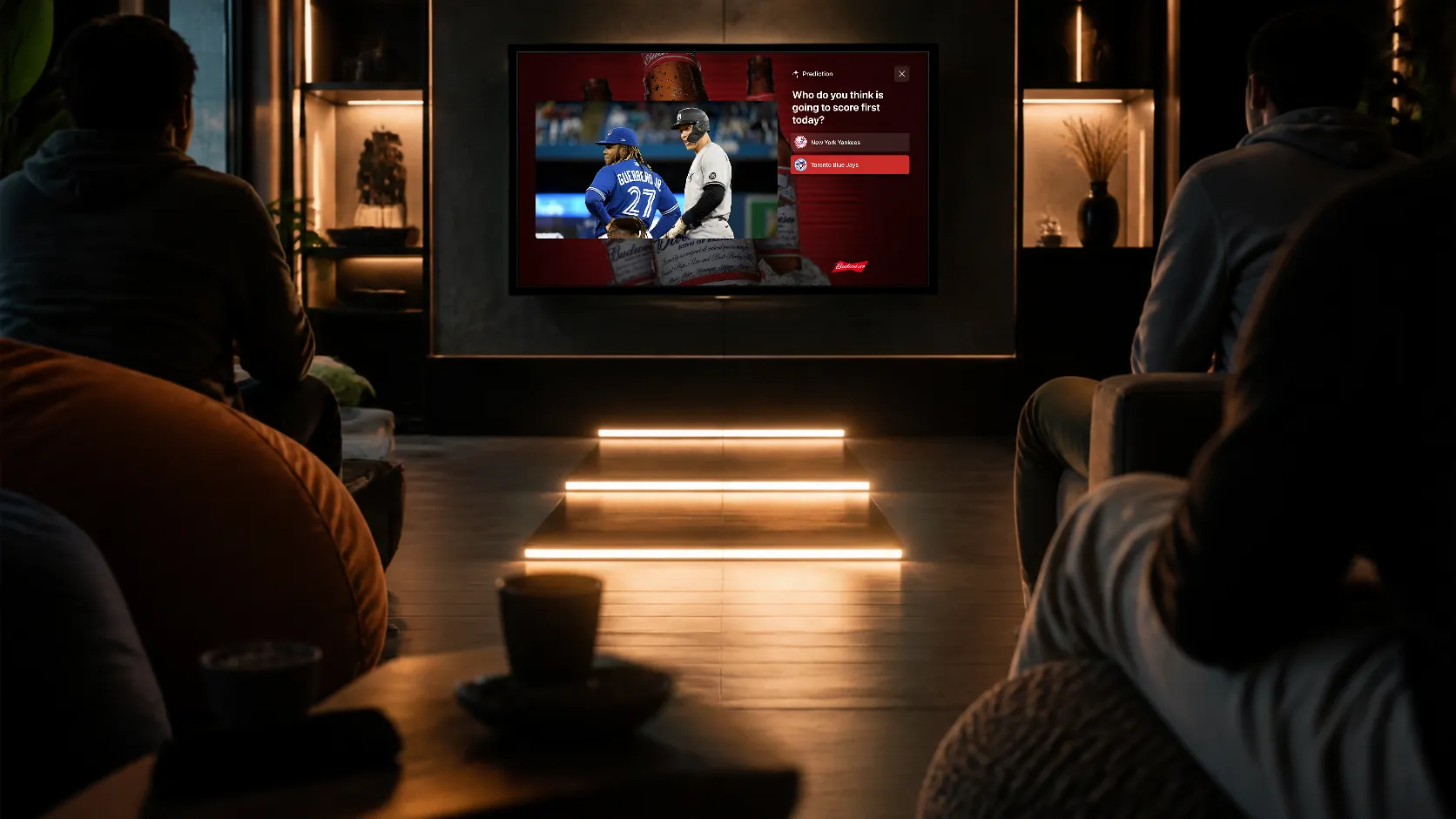
- Live Moment Ads activate interactive nonlinear placements around selected game events while programming continues.
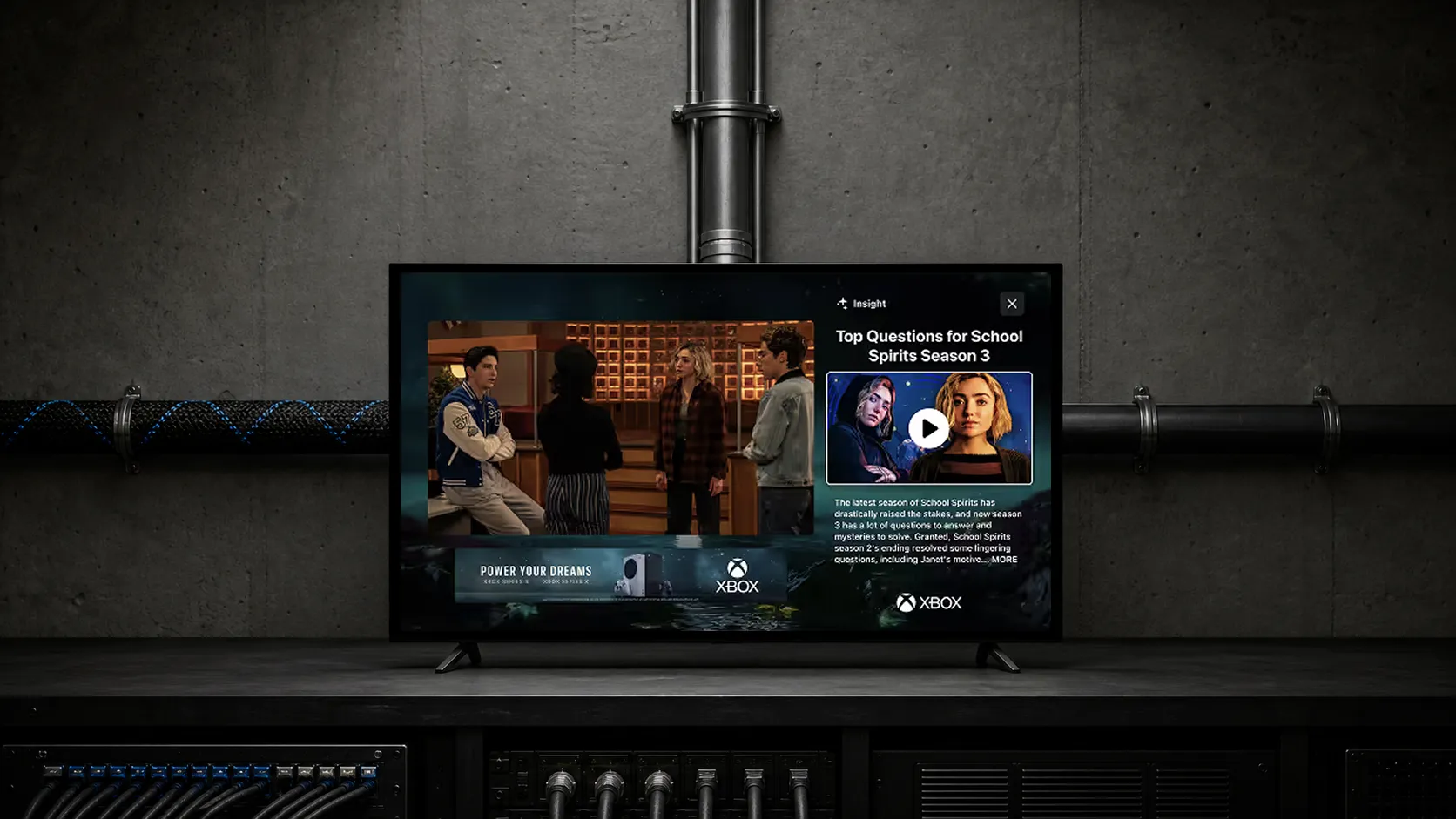
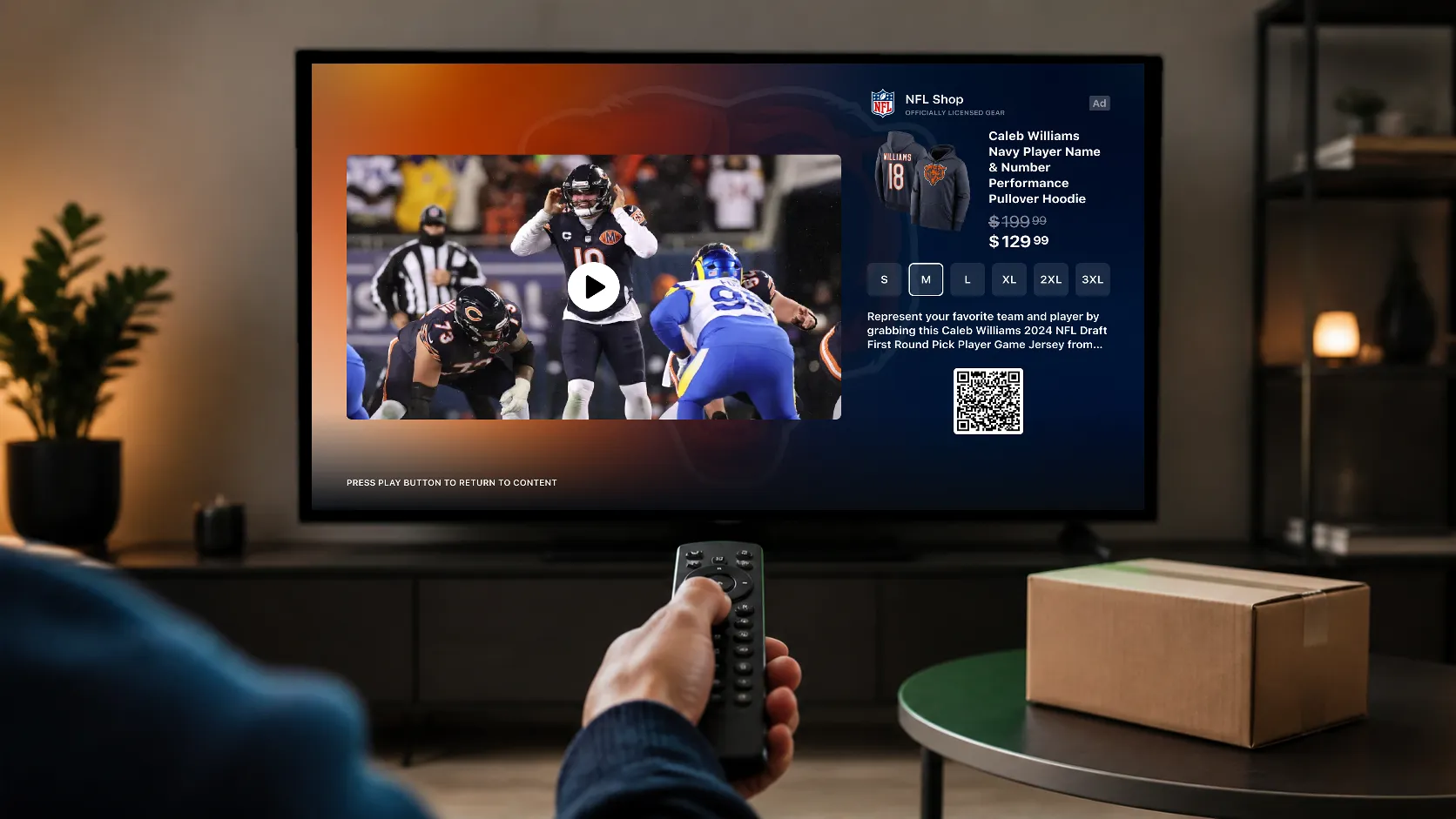
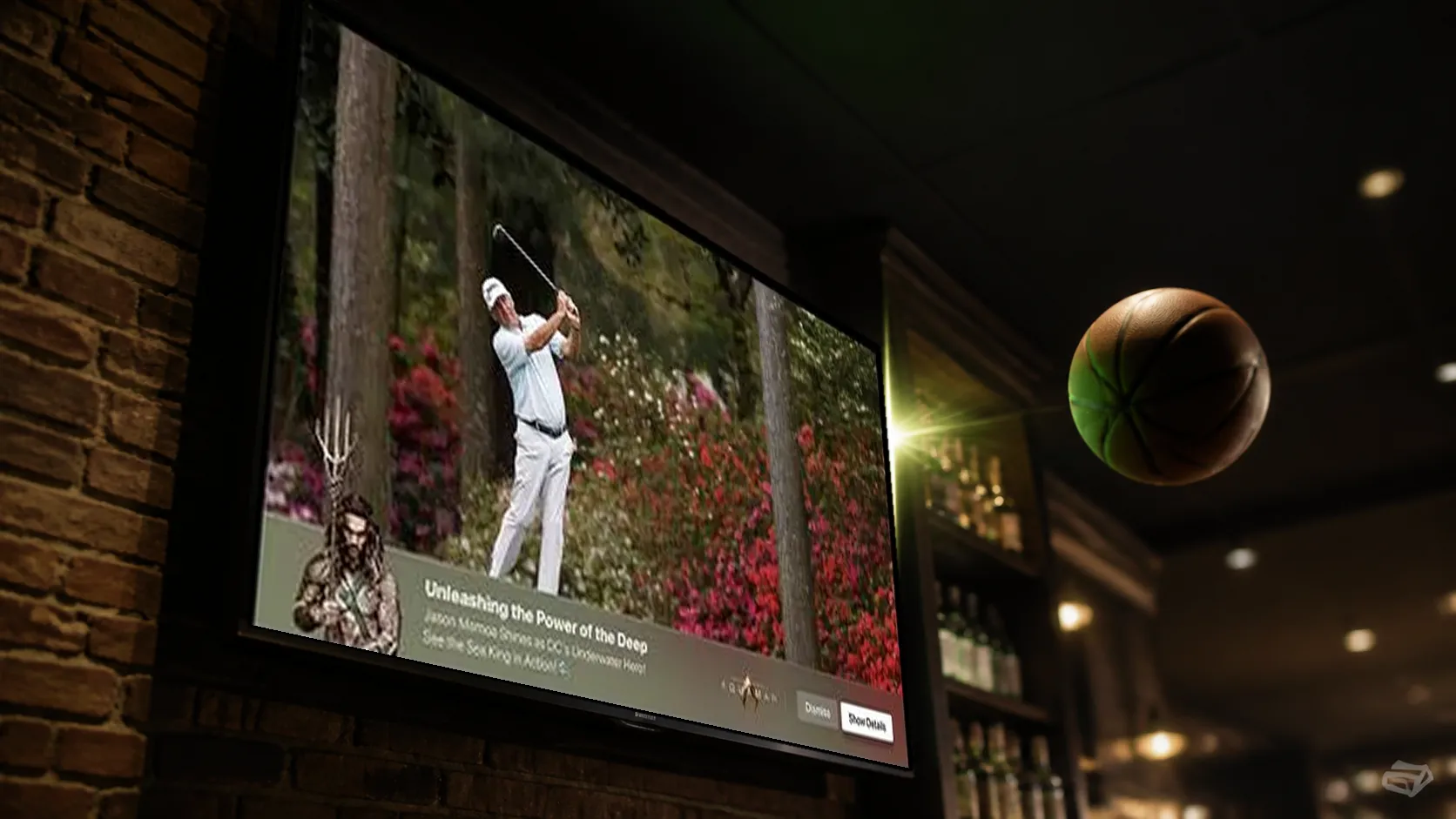
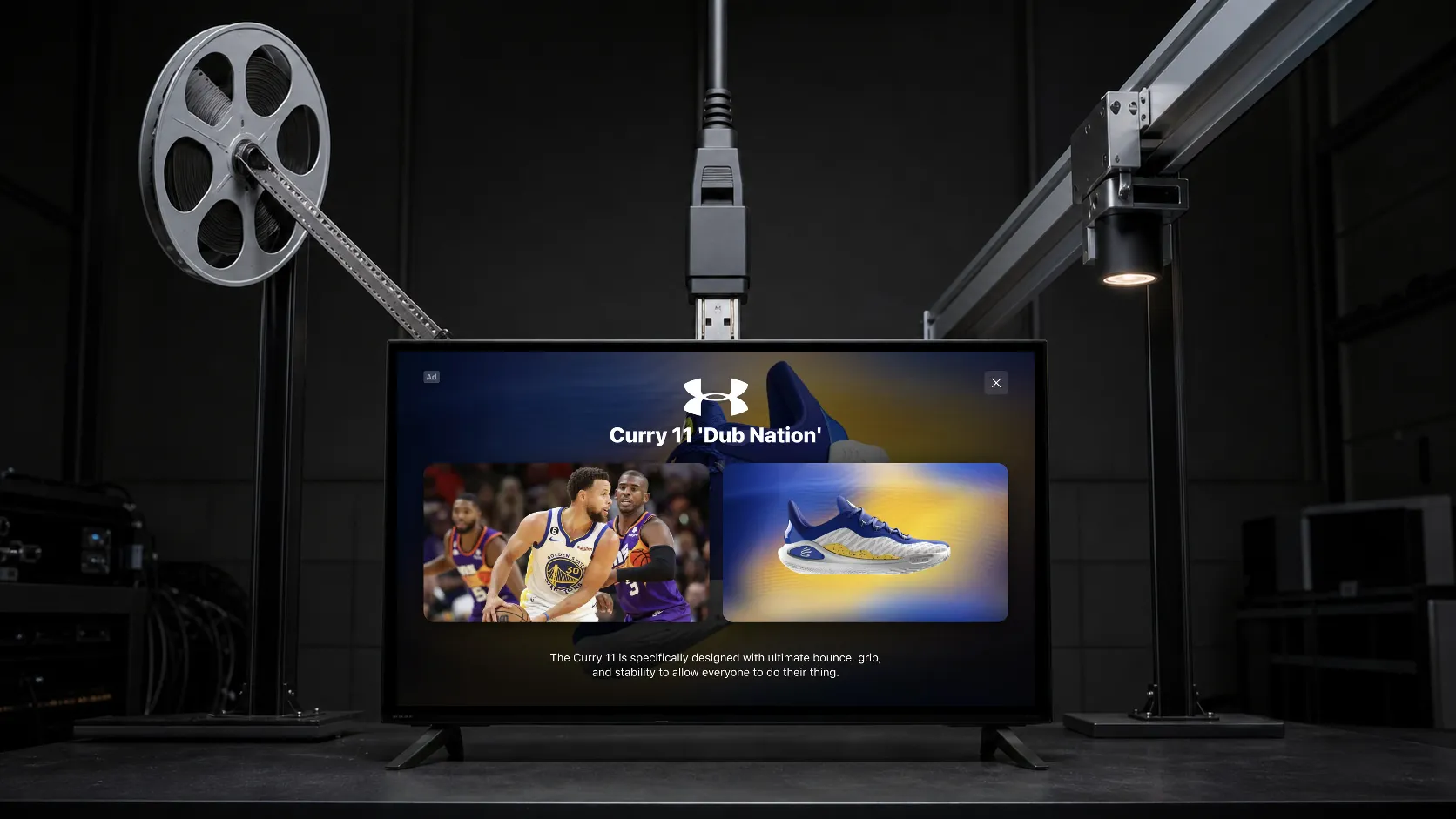
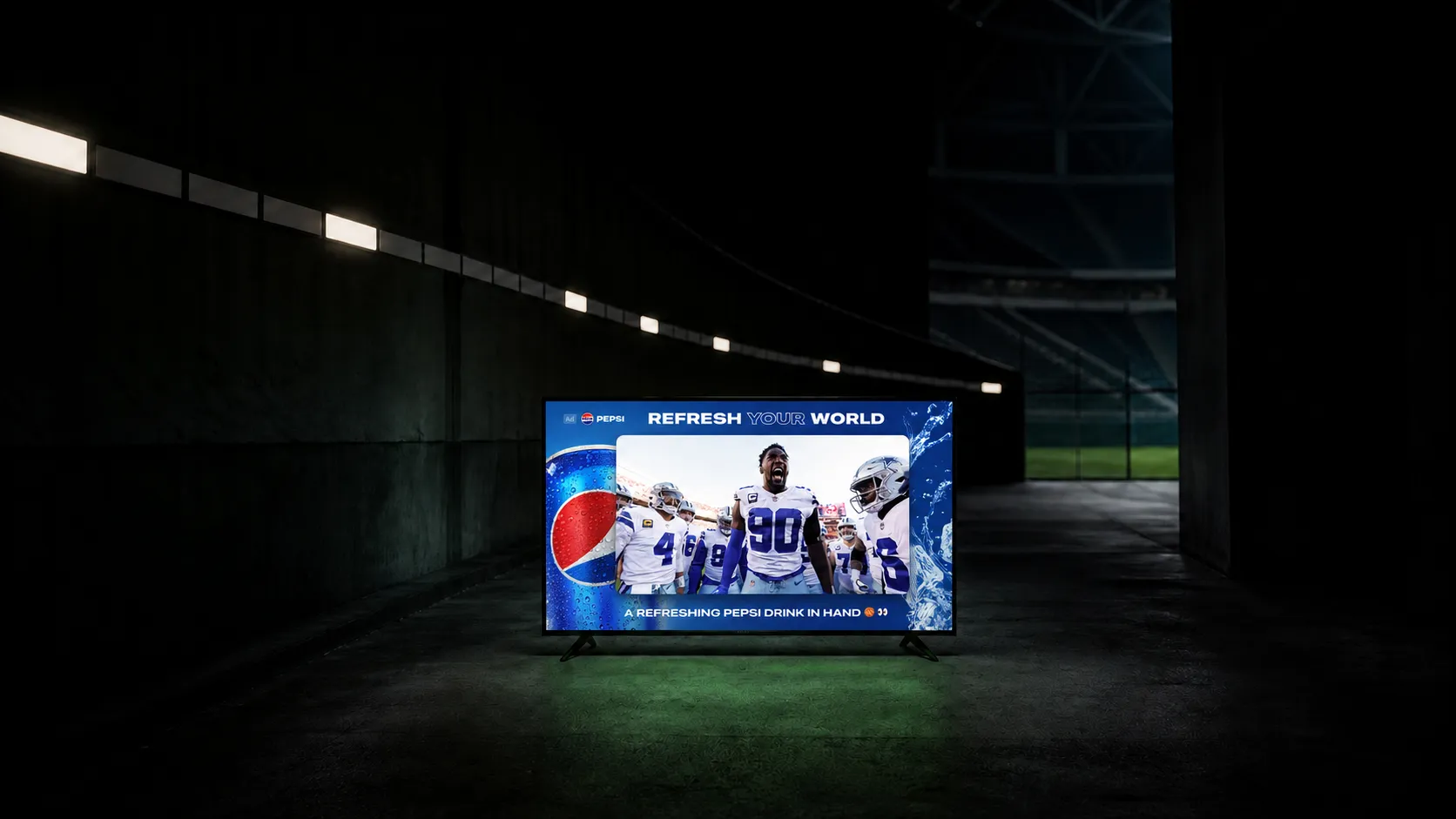
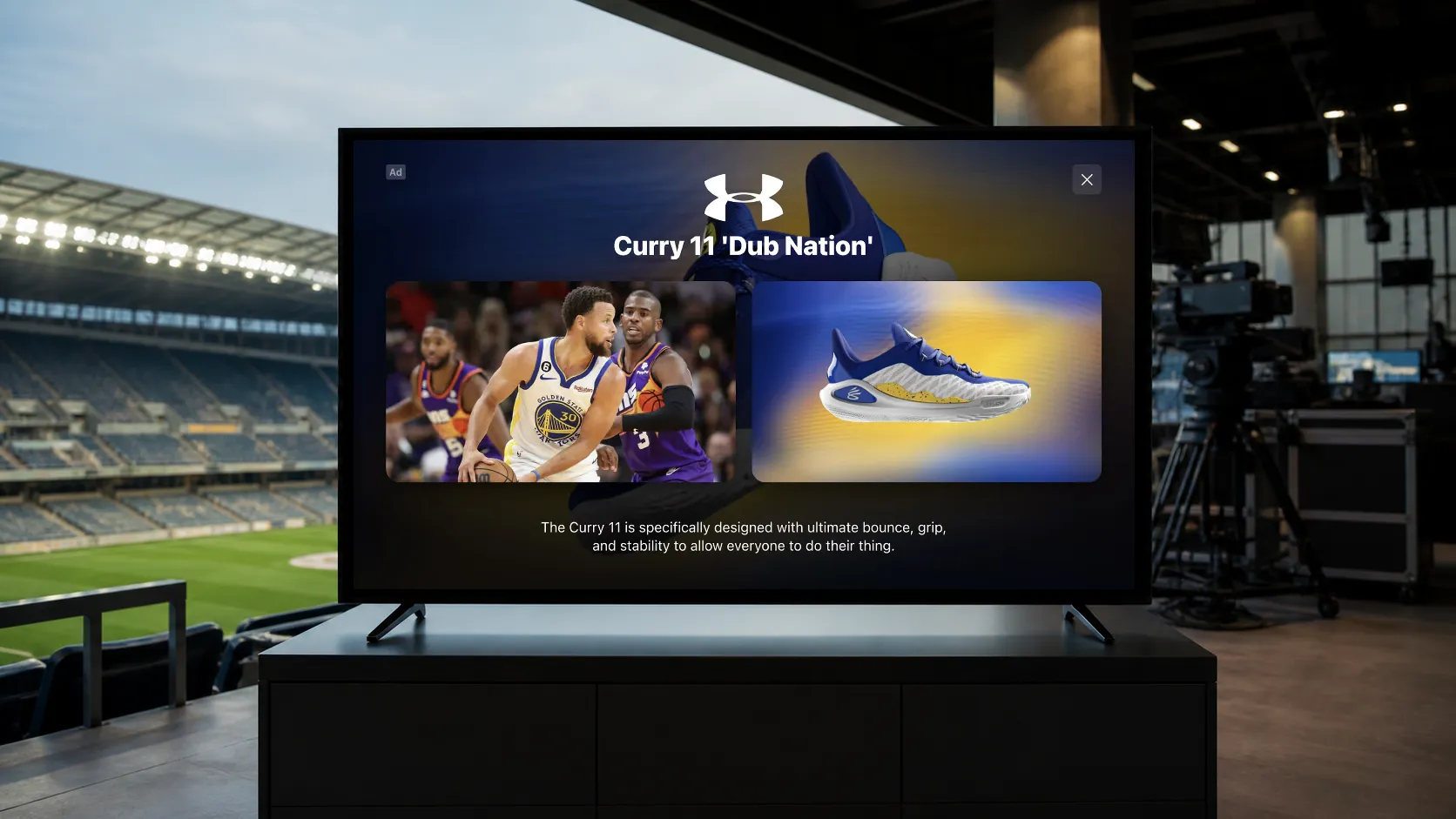
- Pause Ads create silent advertising experiences using still imagery or subtle ambient motion during eligible viewer pauses. The scene should continue to feel paused.
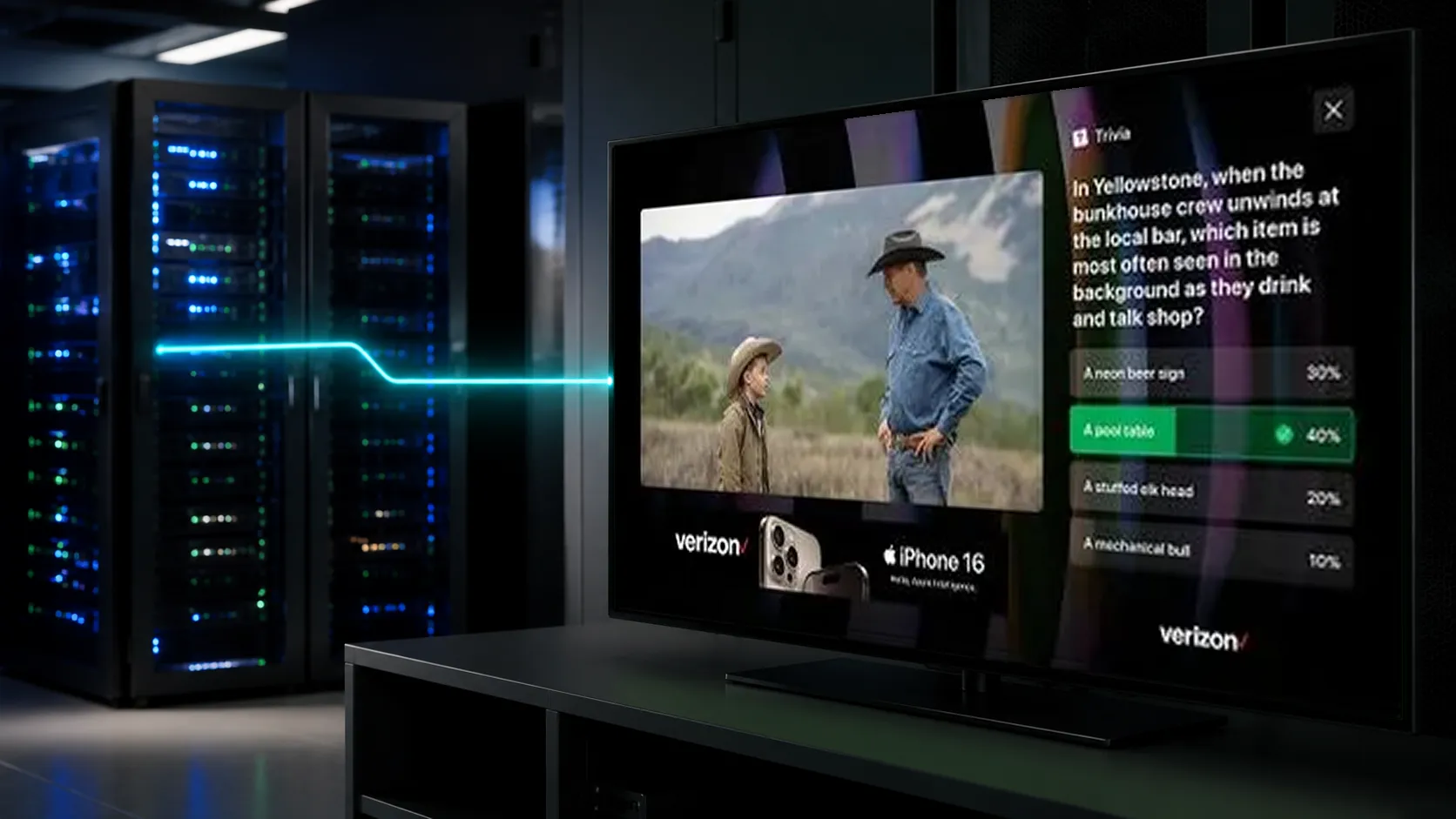
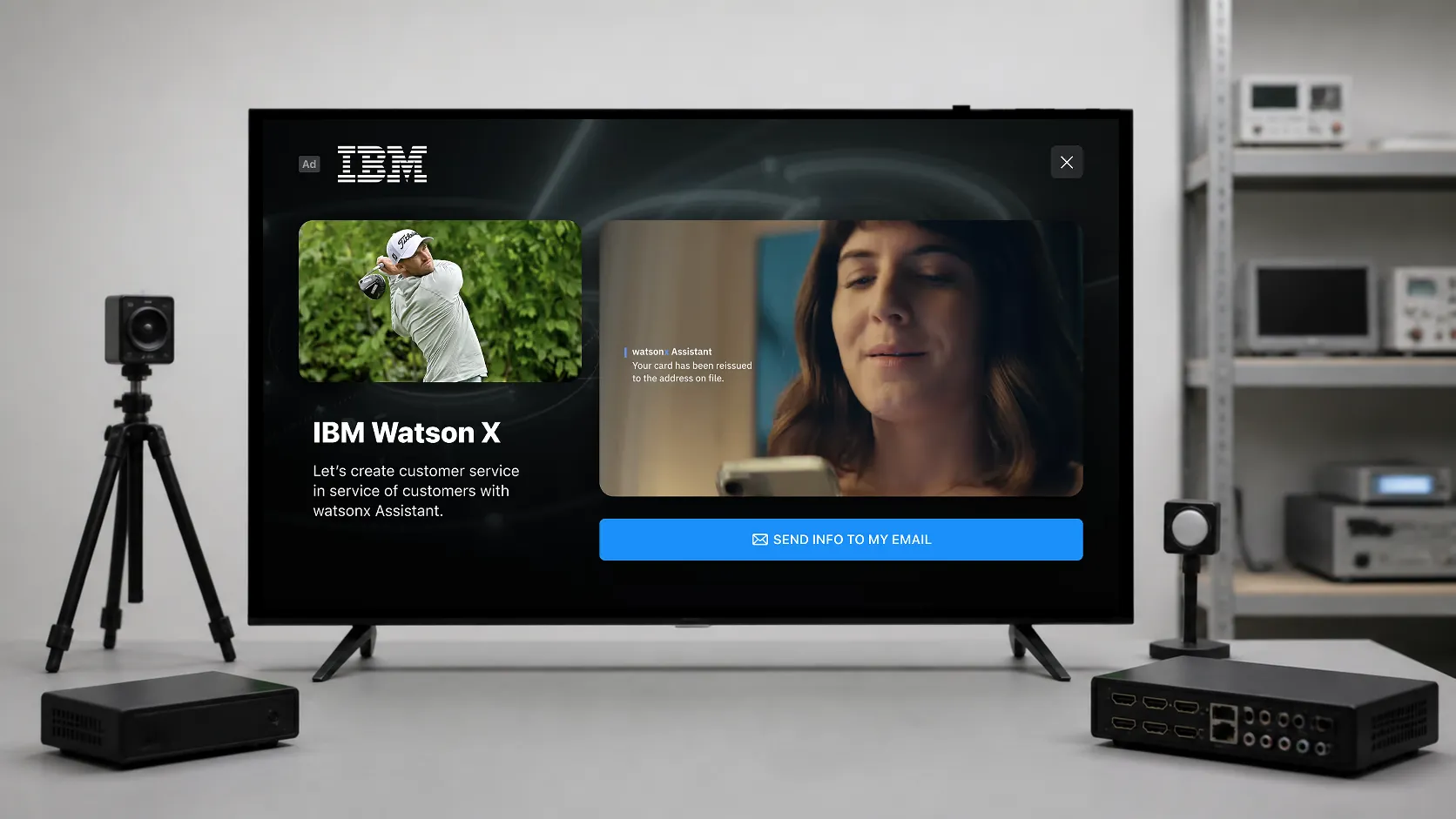
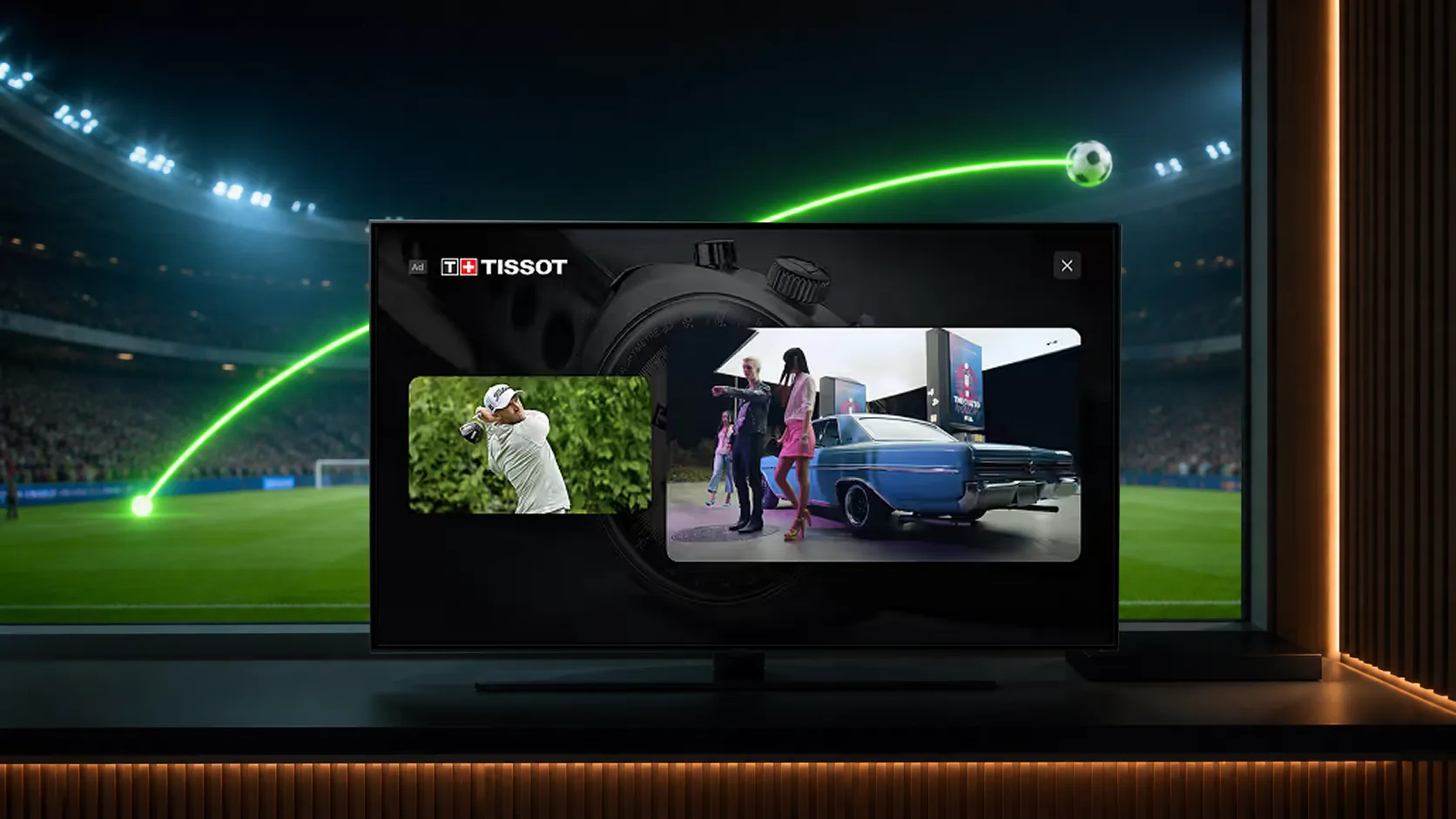
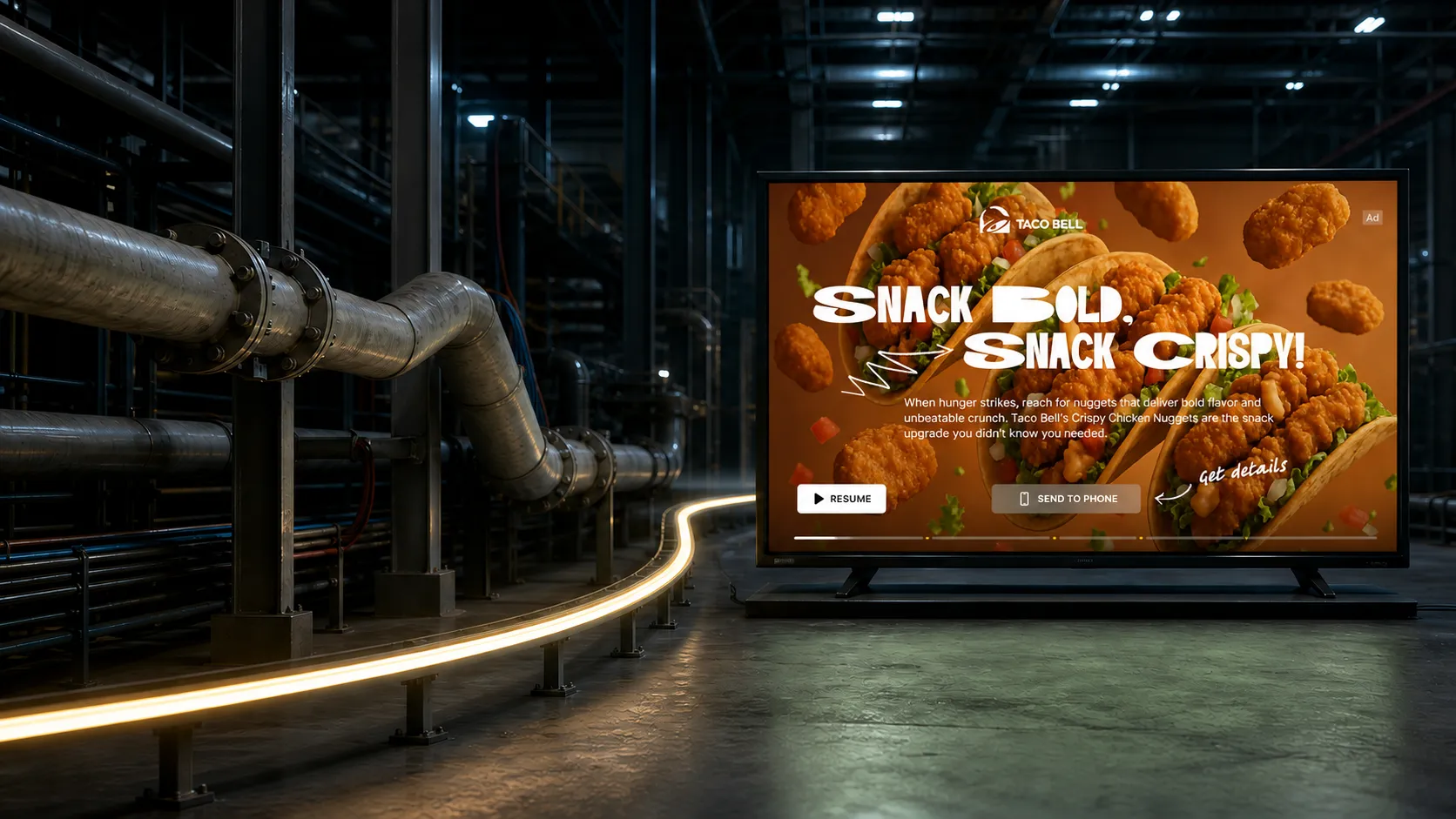
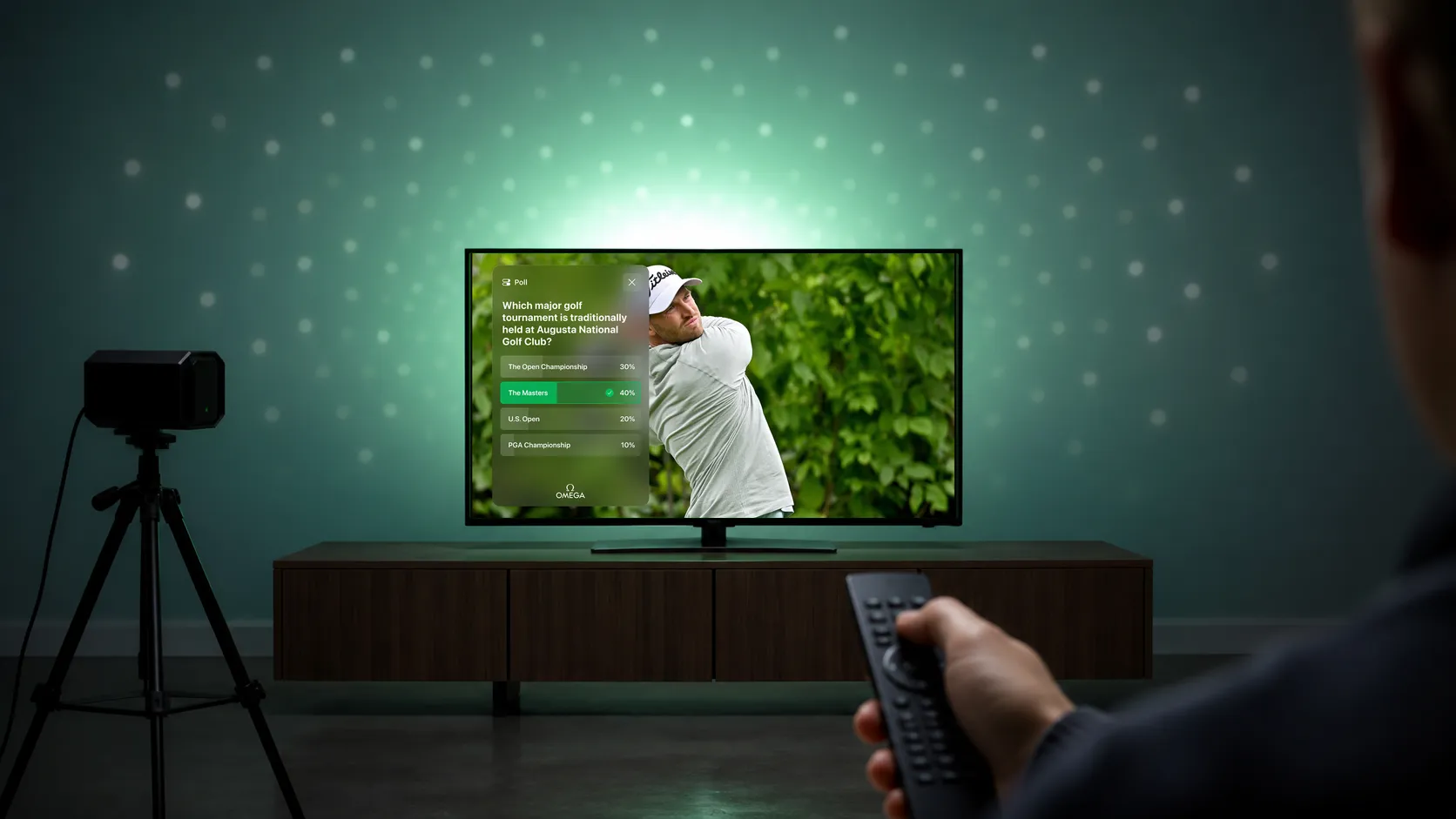
- Interactive SSAI adds synchronized companion assets and viewer actions to existing server-stitched video ads.
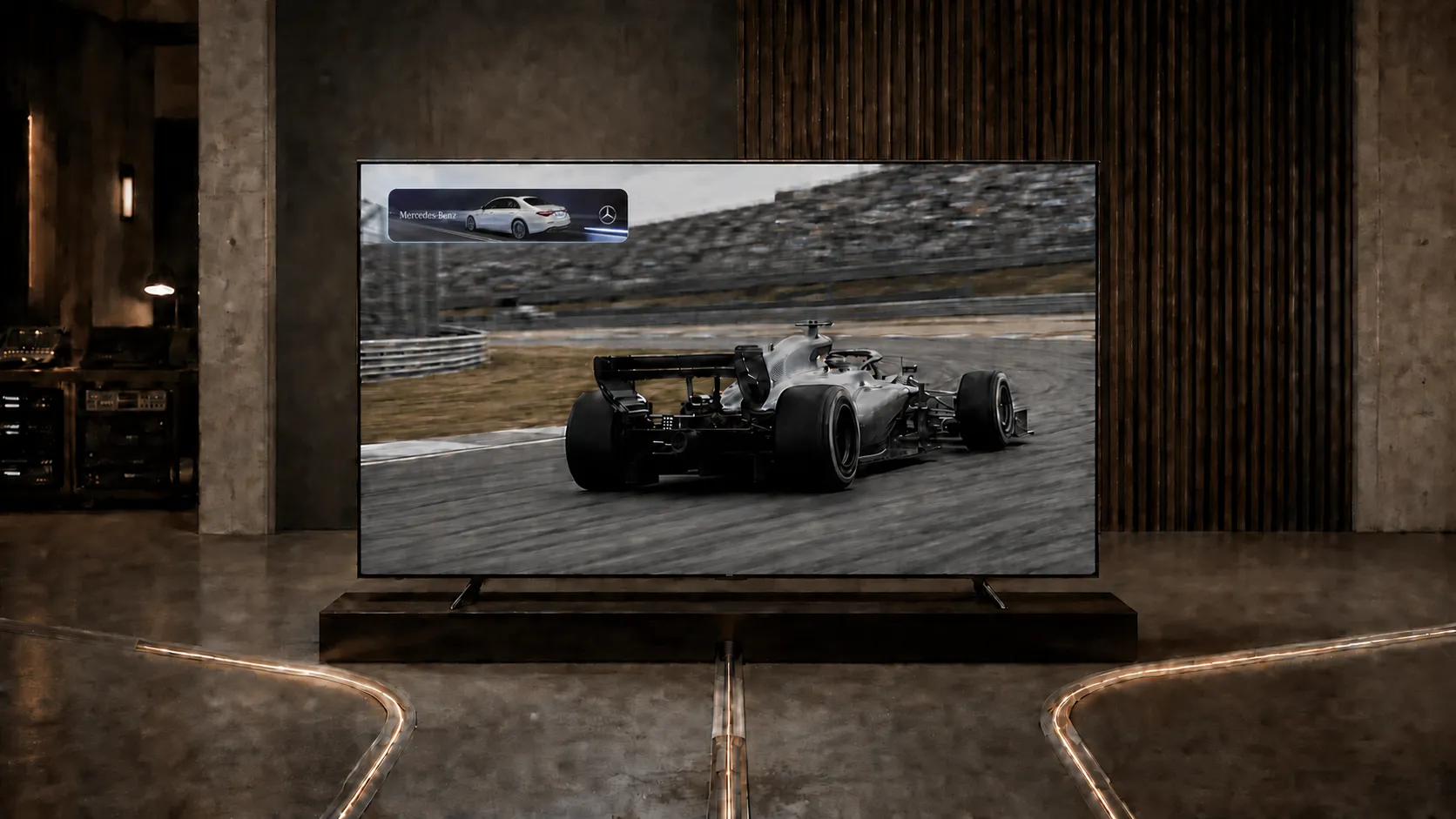
A lower-third sponsor message after a milestone serves a different purpose from an interactive companion during a commercial. Package each product around its timing, eligible reach, creative experience, and measurement.
Why does the moment matter?
A live sports campaign can connect the creative to the team, player, score, or event the viewer is following. Research comparing emotionally heightened sports moments with routine gameplay found that ad timing can improve unaided brand recall. The result supports contextual planning; it does not mean every dramatic play should trigger an ad. Study.
Publishers should select moments that offer a useful sponsor opportunity and protect the action viewers came to watch. Pacing, placement size, duration, and suppression rules all affect the experience.
How does StreamLayer fit into the advertising stack?
StreamLayer SGAI combines server-side orchestration with advertising rendered by the StreamLayer SDK. It works alongside existing video delivery, SSAI or CSAI, ad servers, SSPs, and DSPs. StreamLayer does not stitch or modify the core video stream.
The publisher’s app supplies the required signals and controls the video player’s size and position. An SSP handles the auction where programmatic demand is used. The integration must identify which system owns creative delivery, impression reporting, and viewer interactions.
How should buyers evaluate a live sports package?
Check the actual events and territories included, eligible devices, audience reach, placement rules, frequency controls, and reporting. A content-rights agreement does not automatically establish advertising availability for every distribution channel.
CTV can offer device-appropriate interactions and detailed delivery reporting, but the quality of targeting and measurement depends on the implementation. Compare the package against the advertiser’s objective instead of assuming every streaming impression is more effective than linear television.
How should publishers measure incremental revenue?
Track delivered impressions, realized CPM, fill, and net revenue by format. Compare total net advertising revenue per viewing hour with the existing baseline, accounting for delivery costs and any displacement of current inventory. Monitor playback and session behavior alongside commercial results.
For a practical planning approach, read the live sports monetization guide, or discuss a live sports advertising deployment.