How to Find Gaps in a Live Sports Advertising Stack

Updated September 8, 2026 · StreamLayer
What should a live sports ad-stack review examine?
A useful review separates video delivery, advertising demand, creative readiness, timing, and reporting. Start with the observed problem. Low fill, late creative, and incomplete interaction reporting have different causes and need different fixes.
Distinguish unsold from undelivered inventory
Track eligible opportunities, ad requests, responses, valid creative, and rendered impressions. Low demand is different from a response that fails to render. Inventory restrictions, buyer eligibility, price floors, creative approval, and delivery errors can each reduce monetization.
Avoid treating every unused game moment as a missed sale. Some moments should remain unmonetized because of editorial rules, viewer protections, or lack of a suitable campaign.
Measure the timing path
Compare event-data arrival with the viewer’s playback position, then measure activation processing, ad decisioning, asset readiness, and rendering. For existing ad breaks, inspect player transitions and recovery separately.
A delivery acronym does not establish a fixed latency penalty or eliminate buffering. Test the actual SSAI, CSAI, or SGAI implementation on representative devices and network conditions.
Identify the product gap
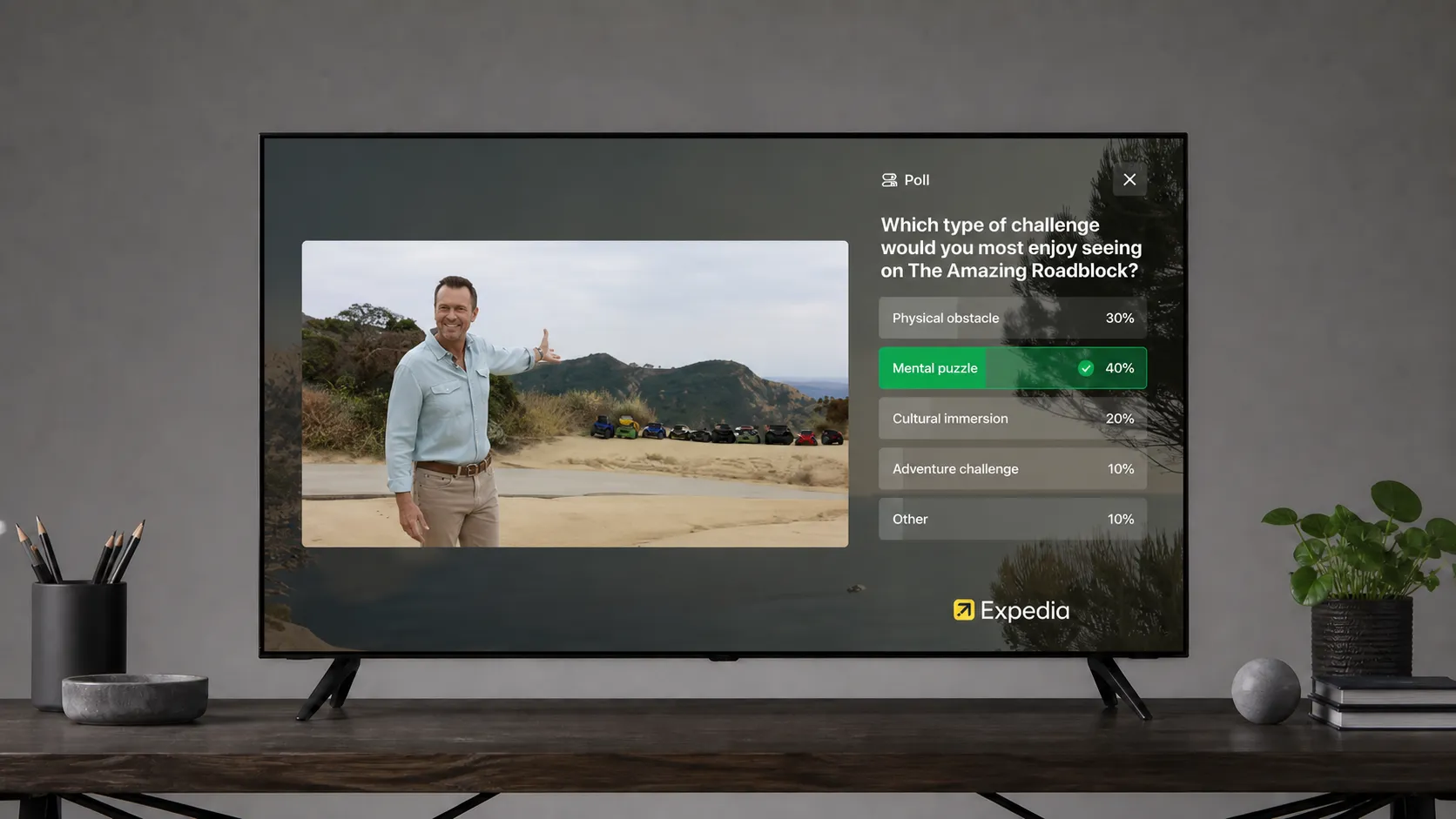
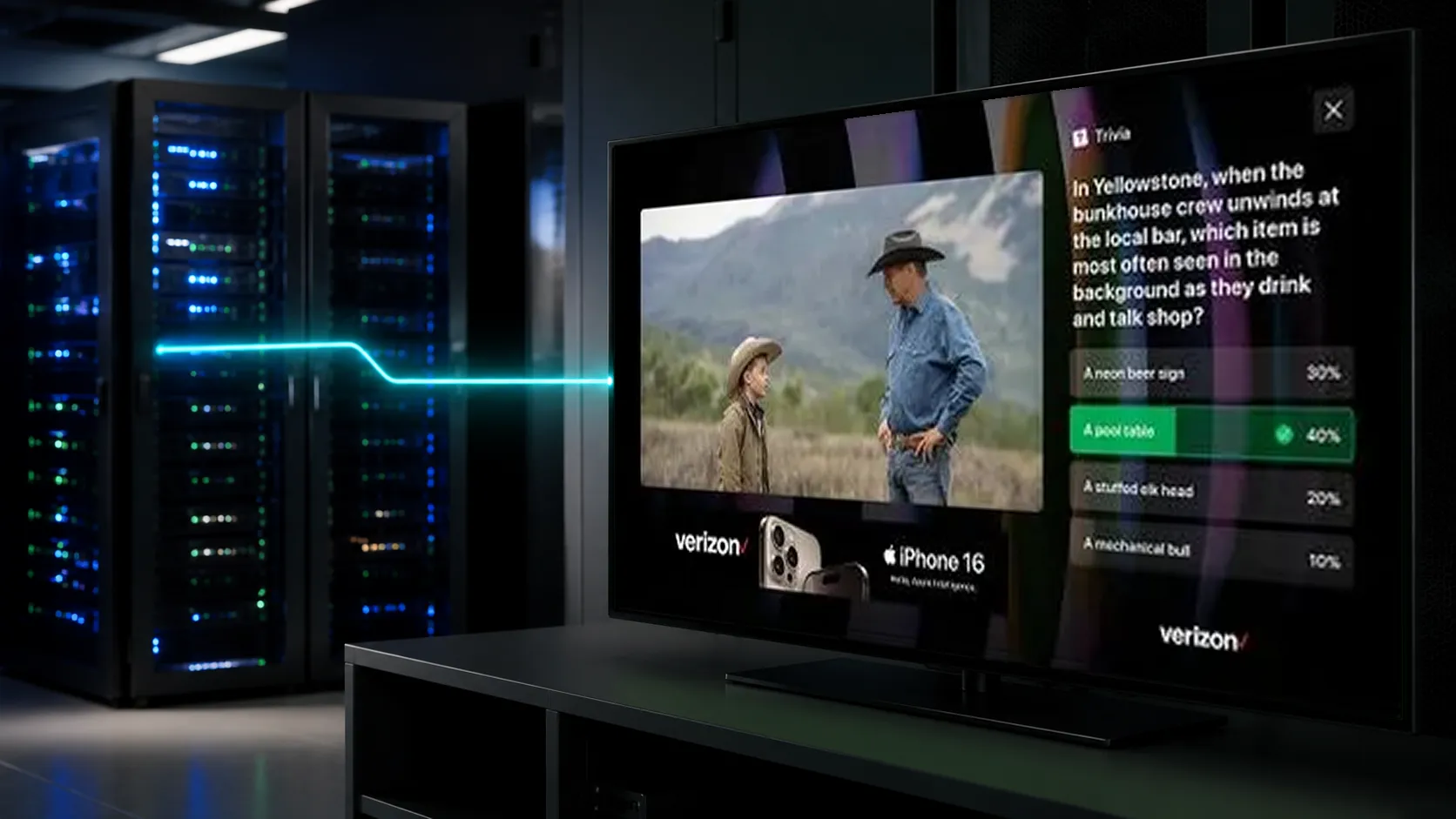
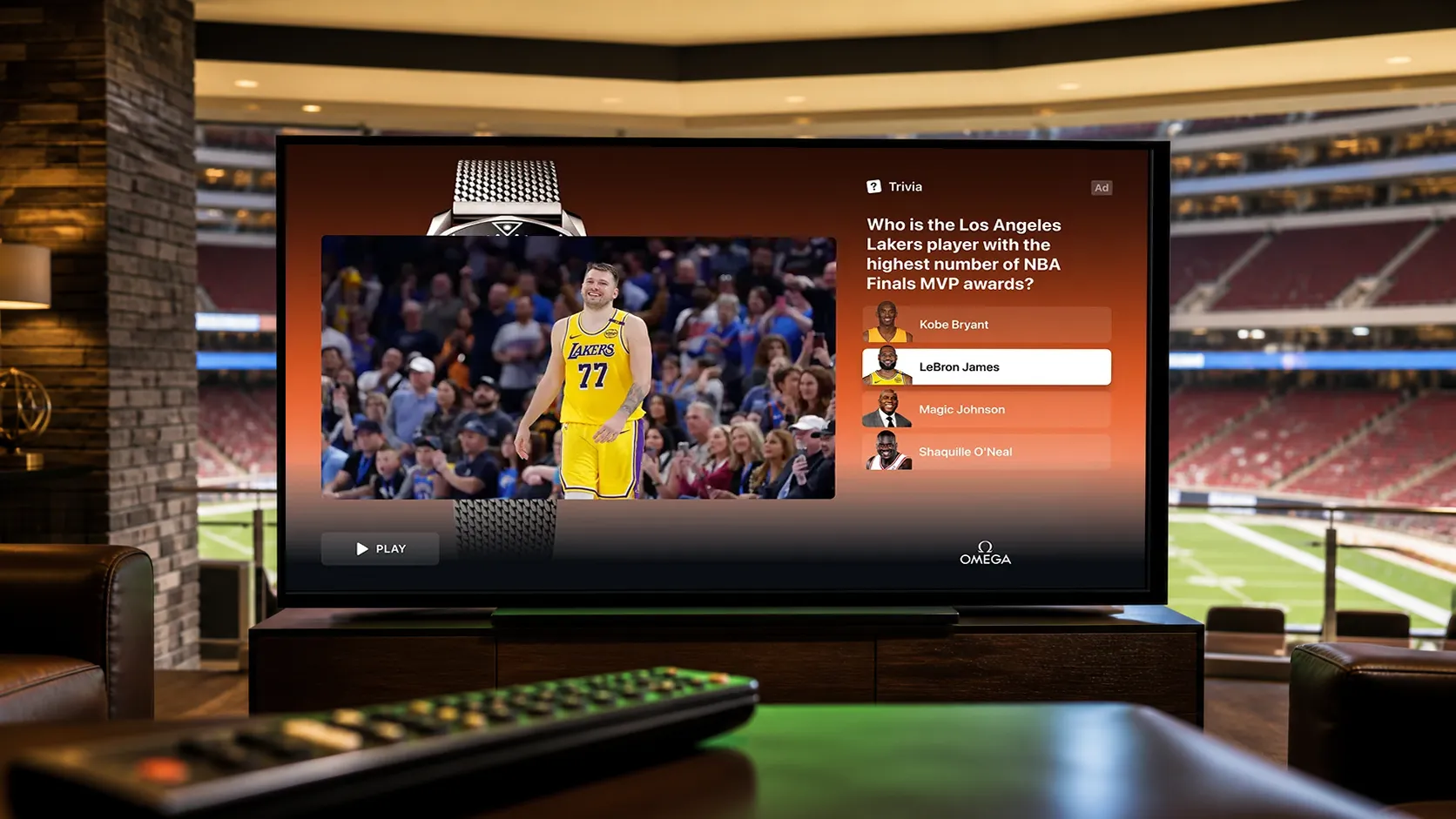
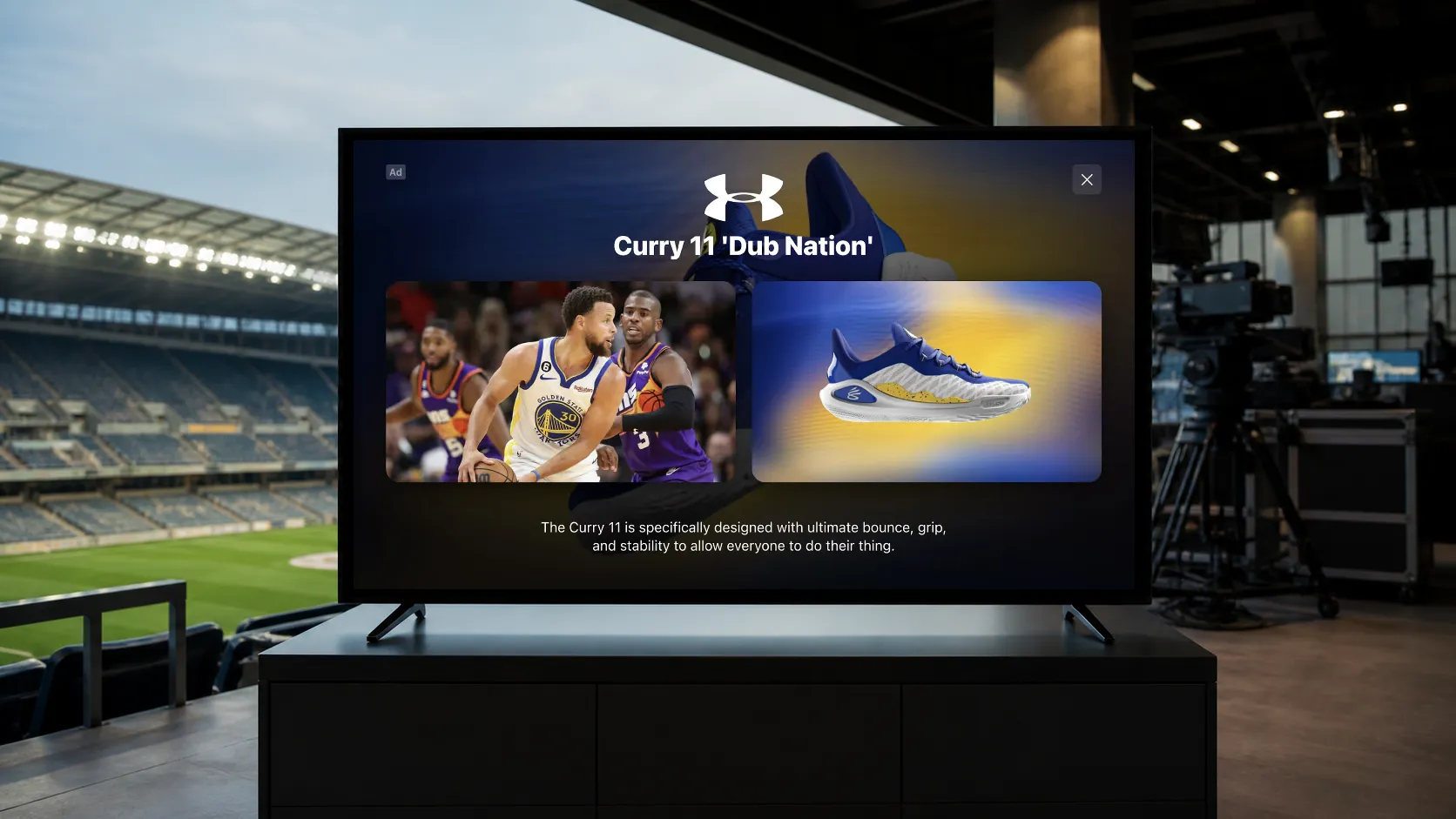
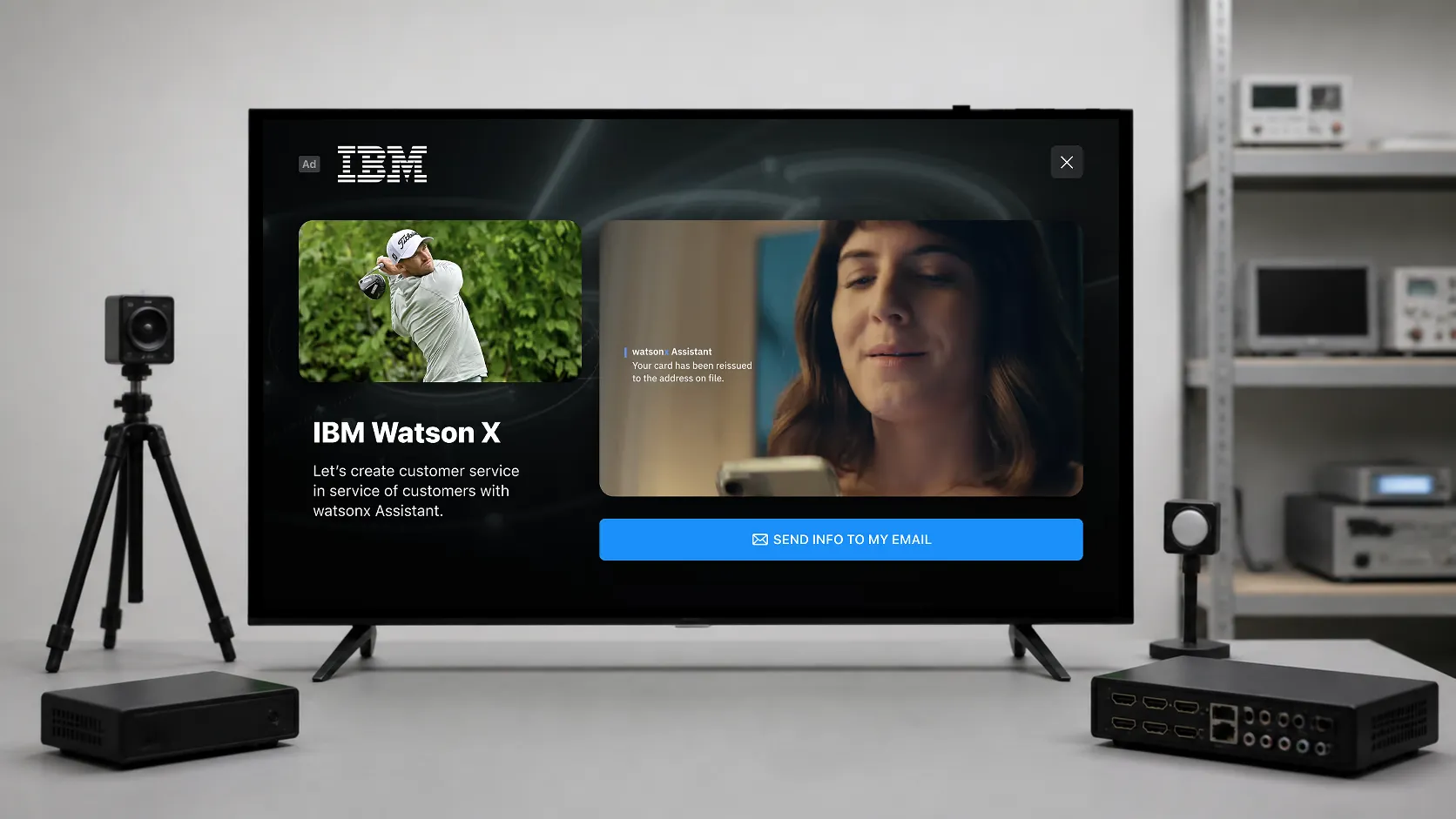
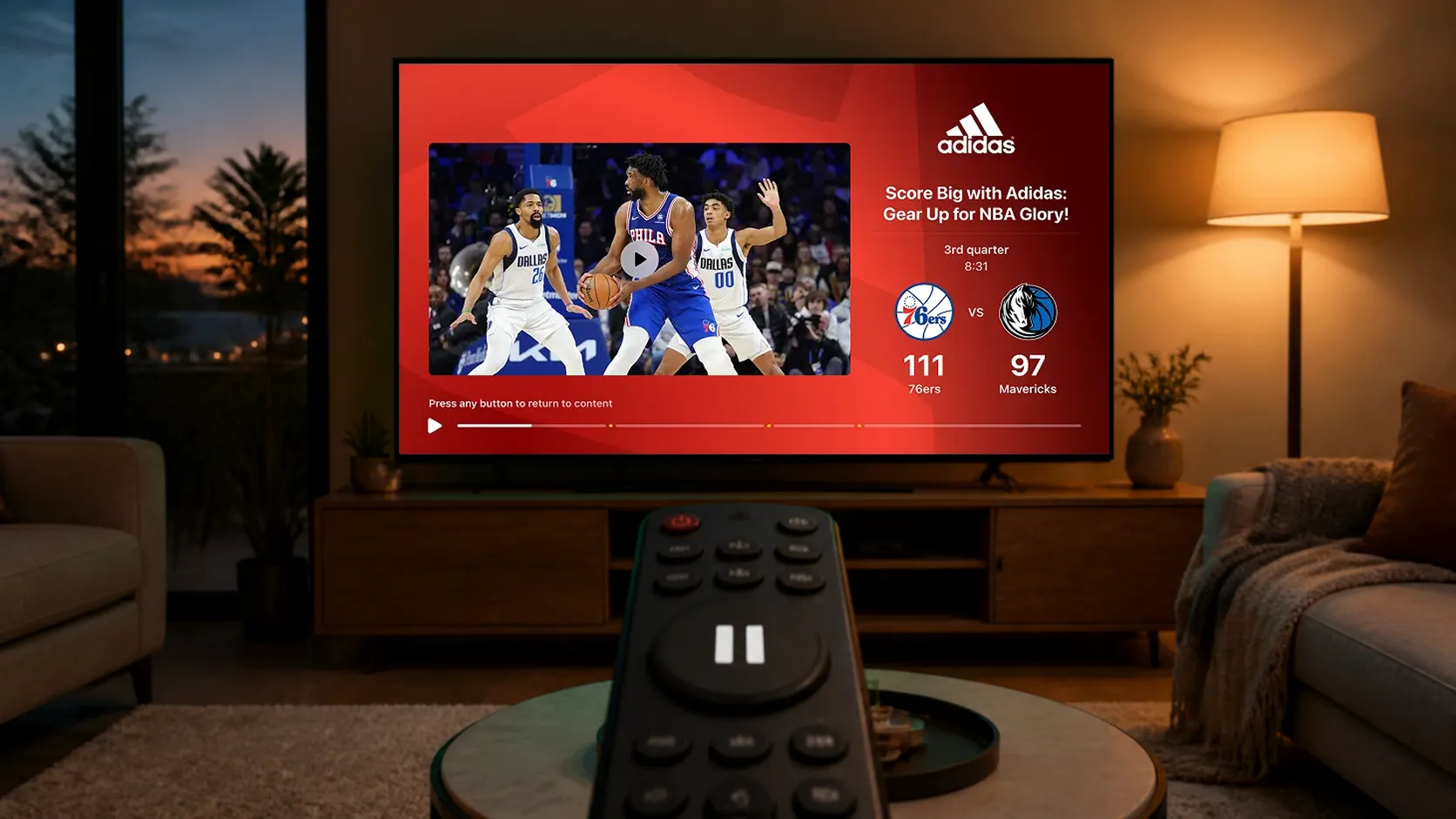
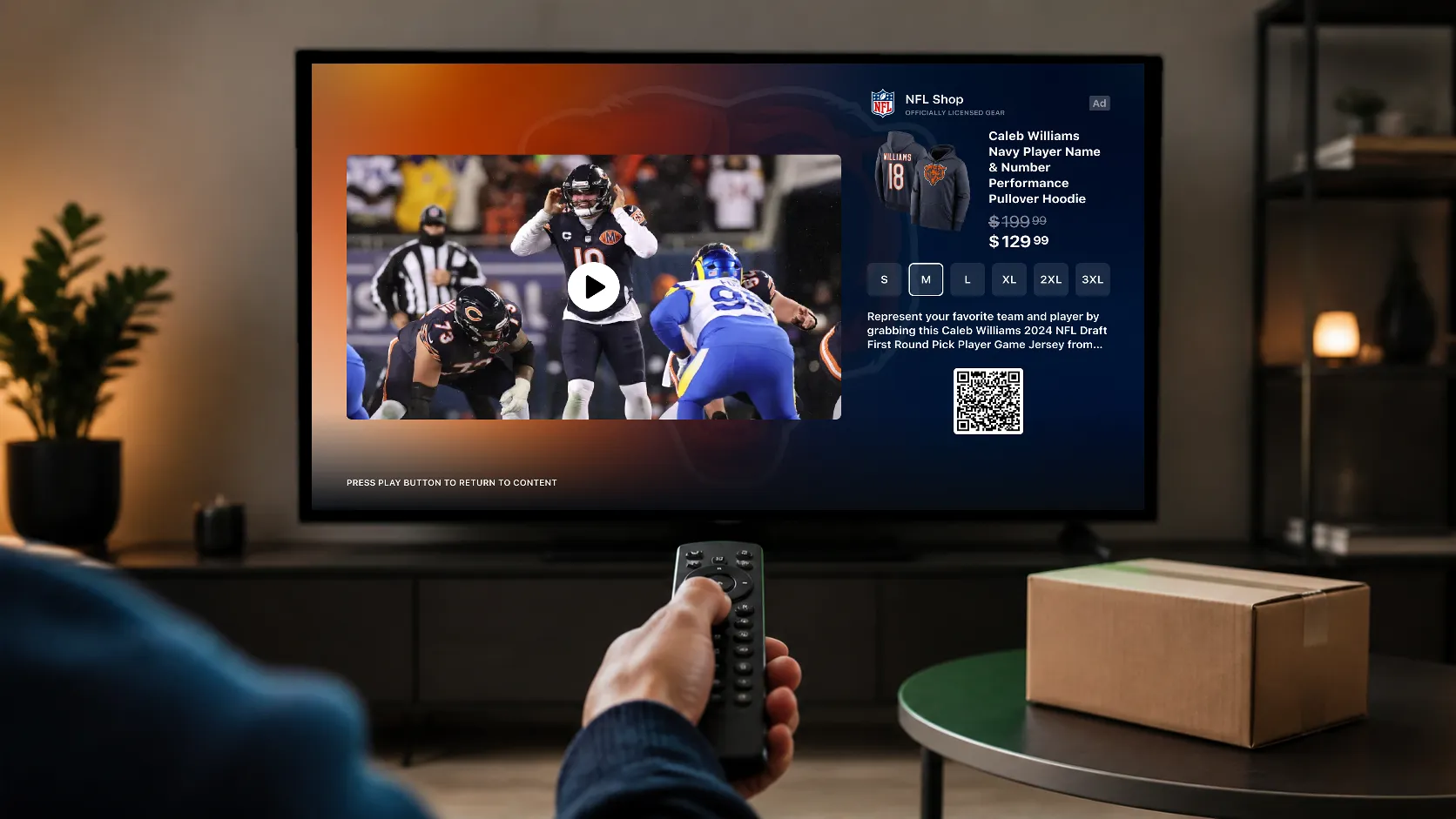
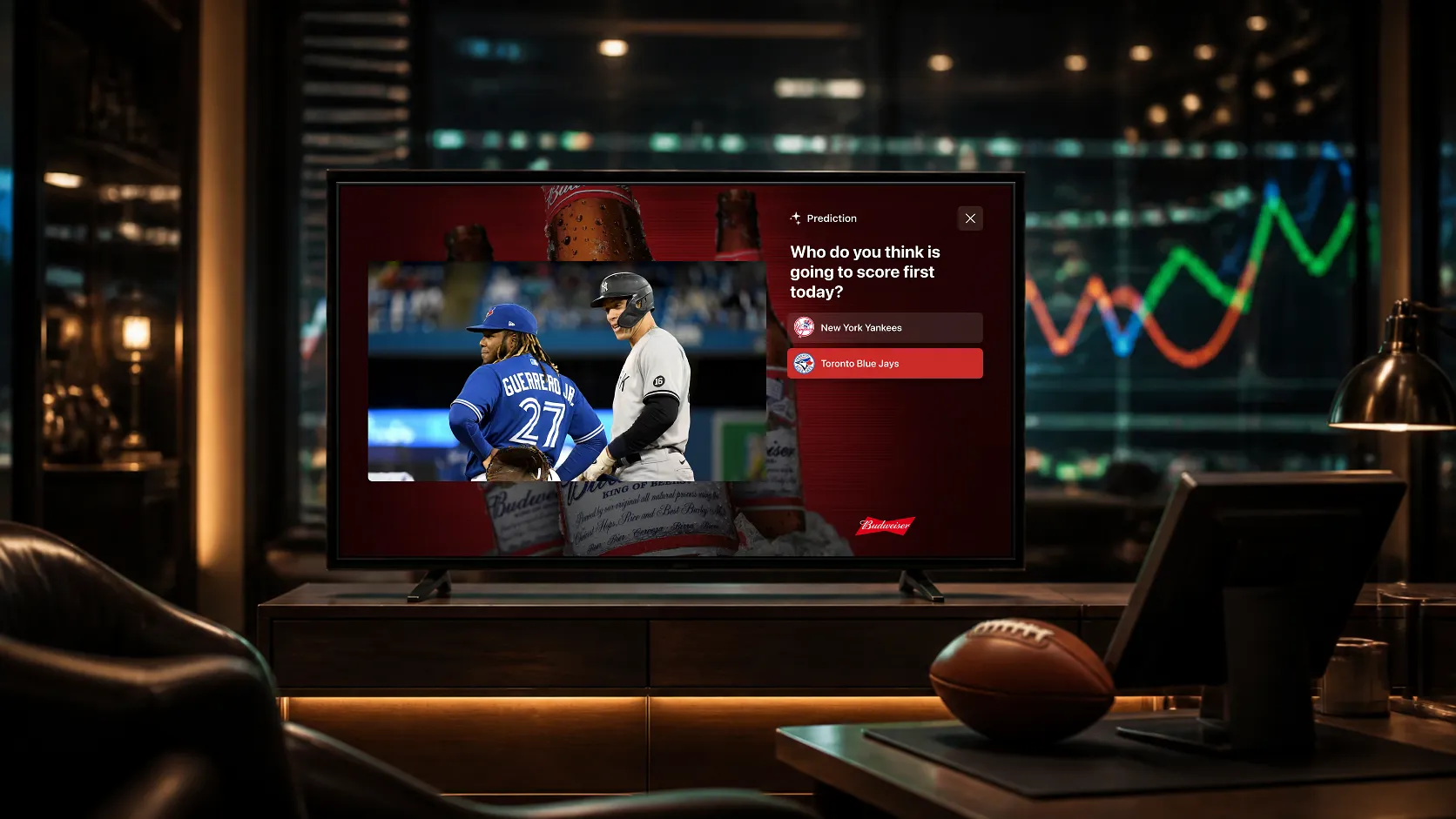
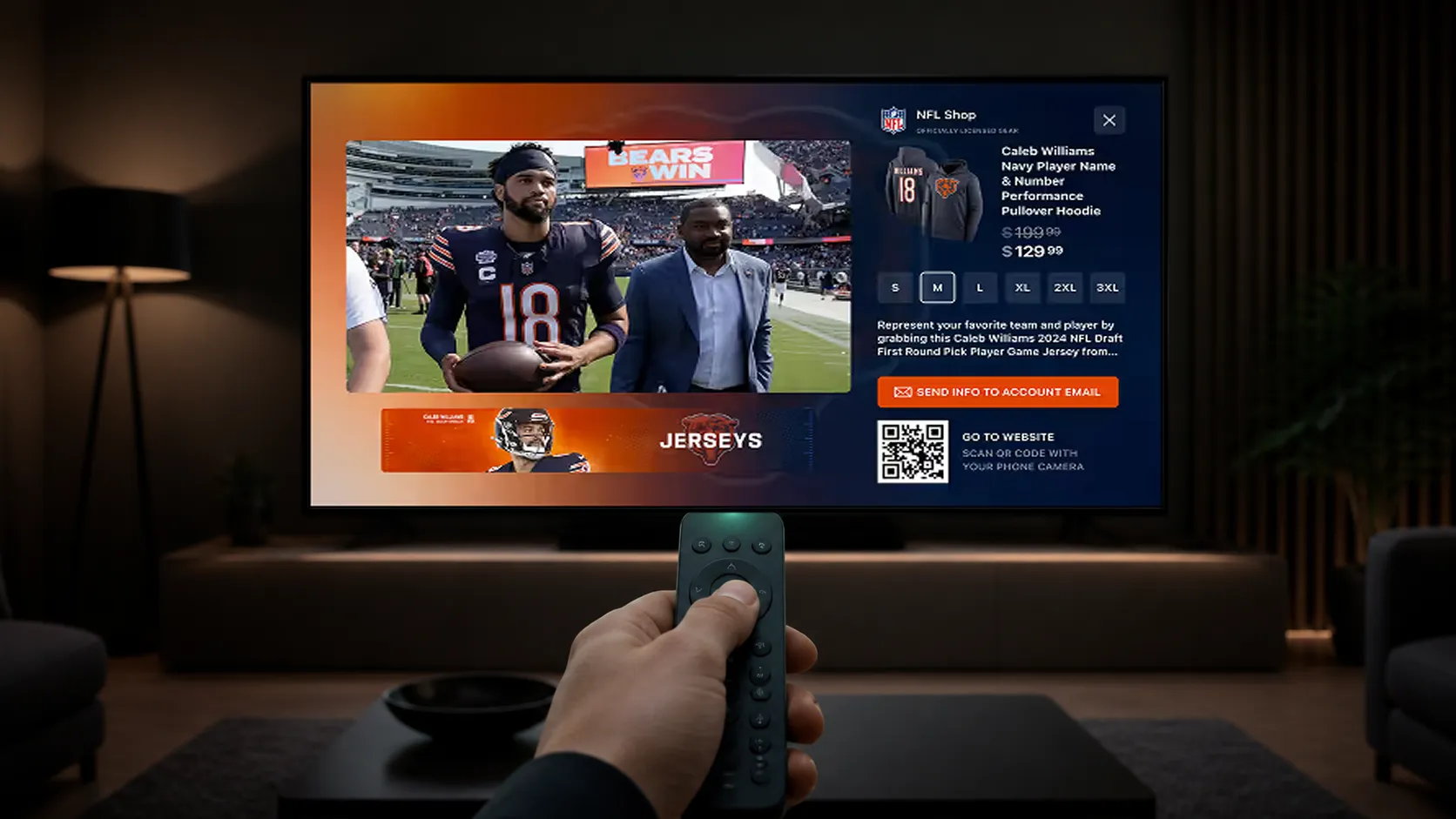
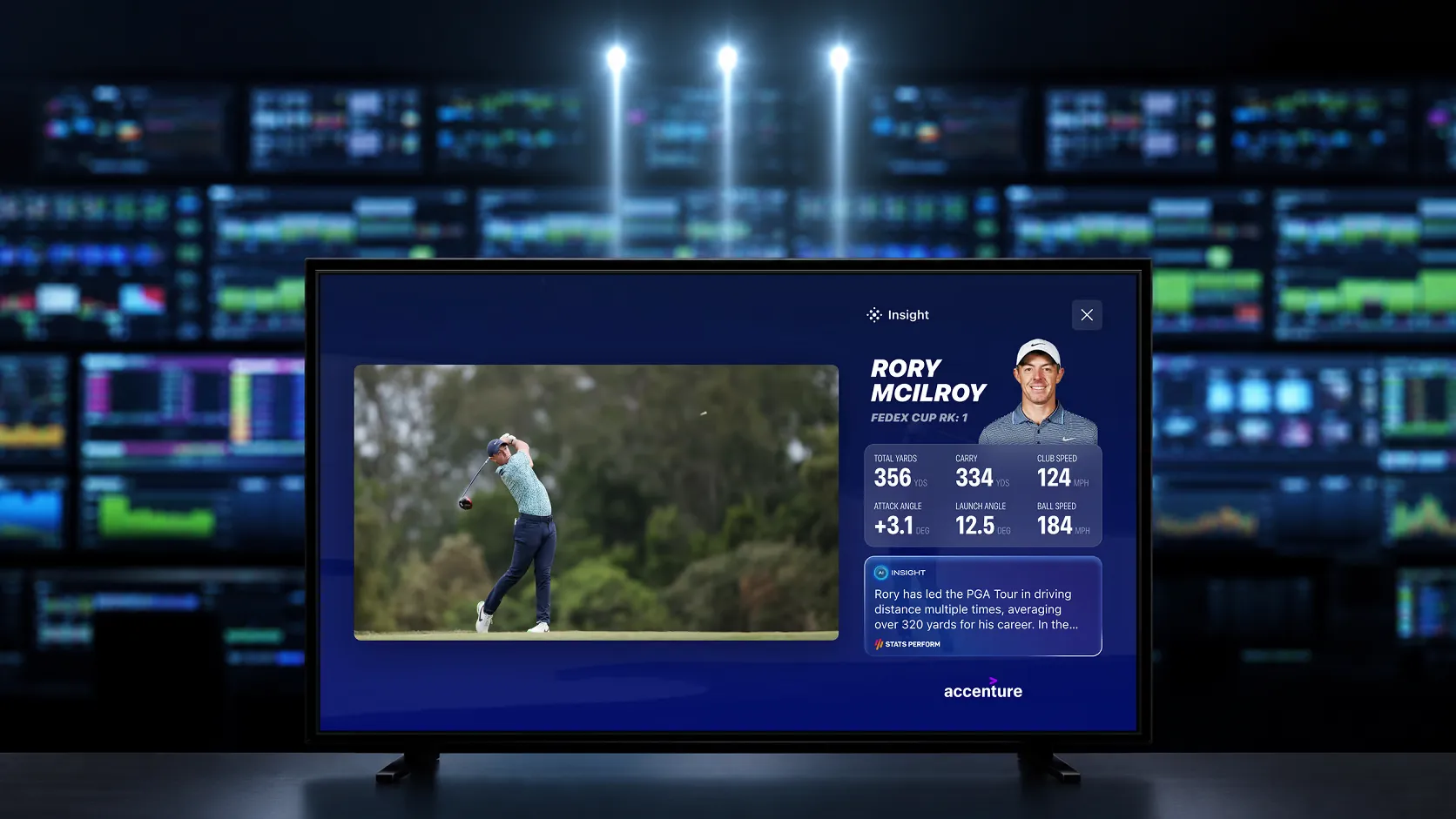
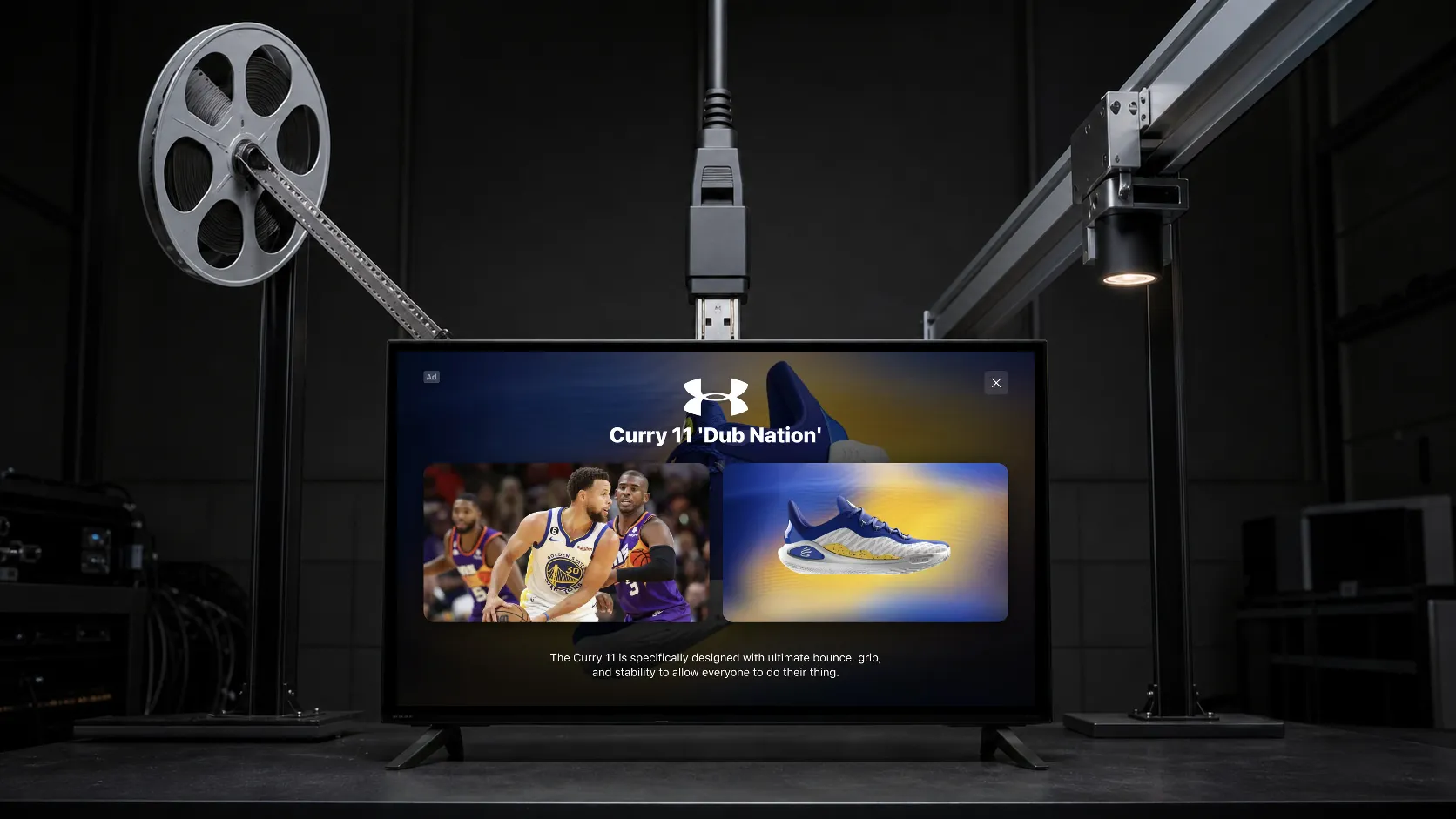
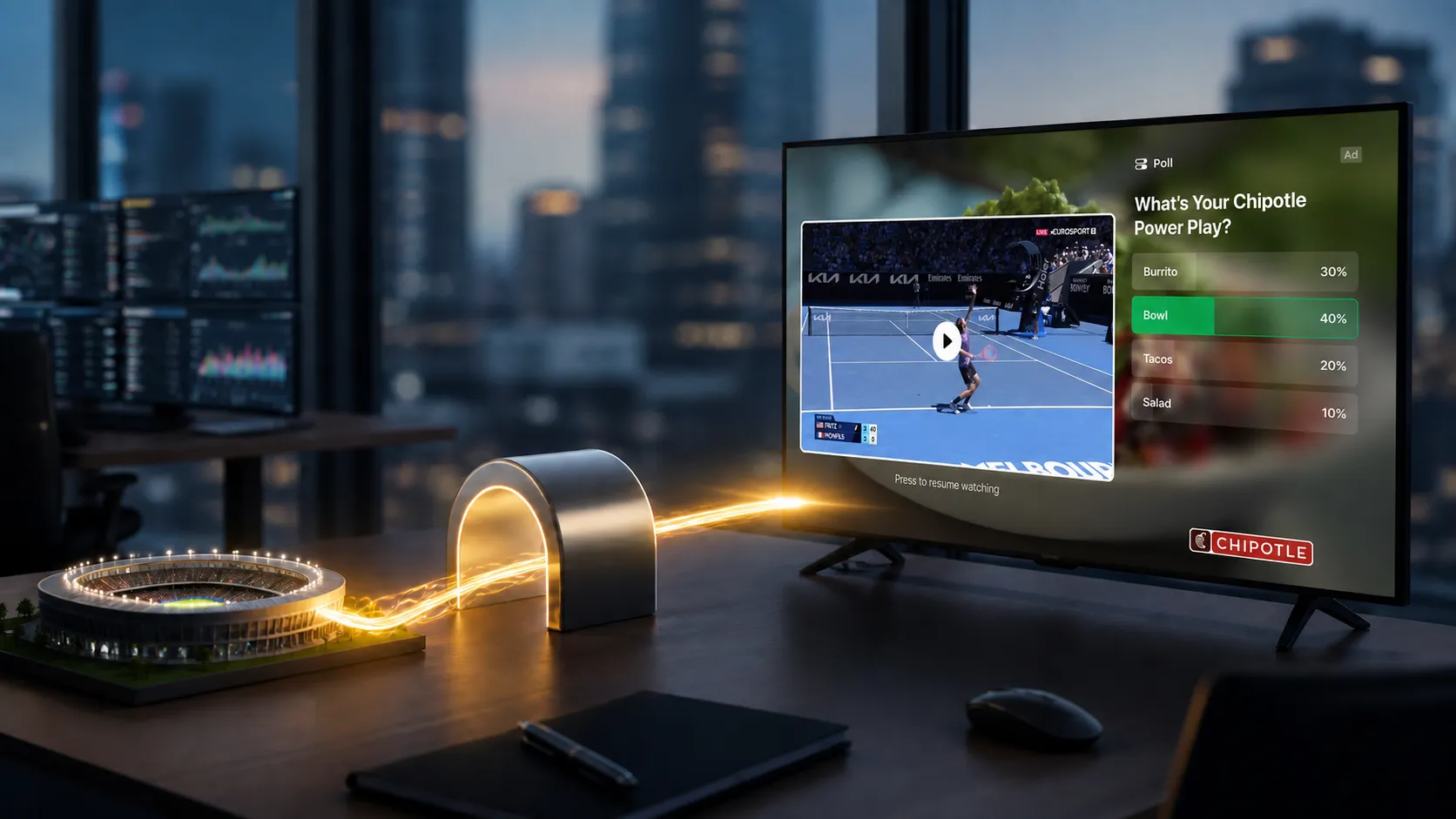
If the goal is to enhance an existing video commercial, a synchronized Interactive SSAI companion may fit. If the goal is a contextual sponsorship outside a break, assess Live Moment Ads. If viewers can pause, evaluate eligible Pause Ads.
These additions need app support and advertising configuration. They do not require a blanket replacement of the existing video delivery stack.
Reconcile the reports
Define which system counts video impressions, companion renderings, interactions, and downstream outcomes. Use consistent campaign identifiers and agree on the basis for billing. Check whether differences arise from definitions, missing events, duplicates, or timing.
Client and server measurement can coexist. Google’s DAI documentation describes client integration and ad-event reporting within a server-side insertion workflow. Technical reference.
Pilot the smallest useful change
StreamLayer SGAI adds SDK-rendered advertising alongside existing systems. Specify one use case, supported devices, signal ownership, creative requirements, and closing behavior. Validate CTV first, followed by mobile and web.
Compare net revenue, advertiser outcomes, delivery reliability, and viewer response before expanding. The integration guide provides practical launch checks.