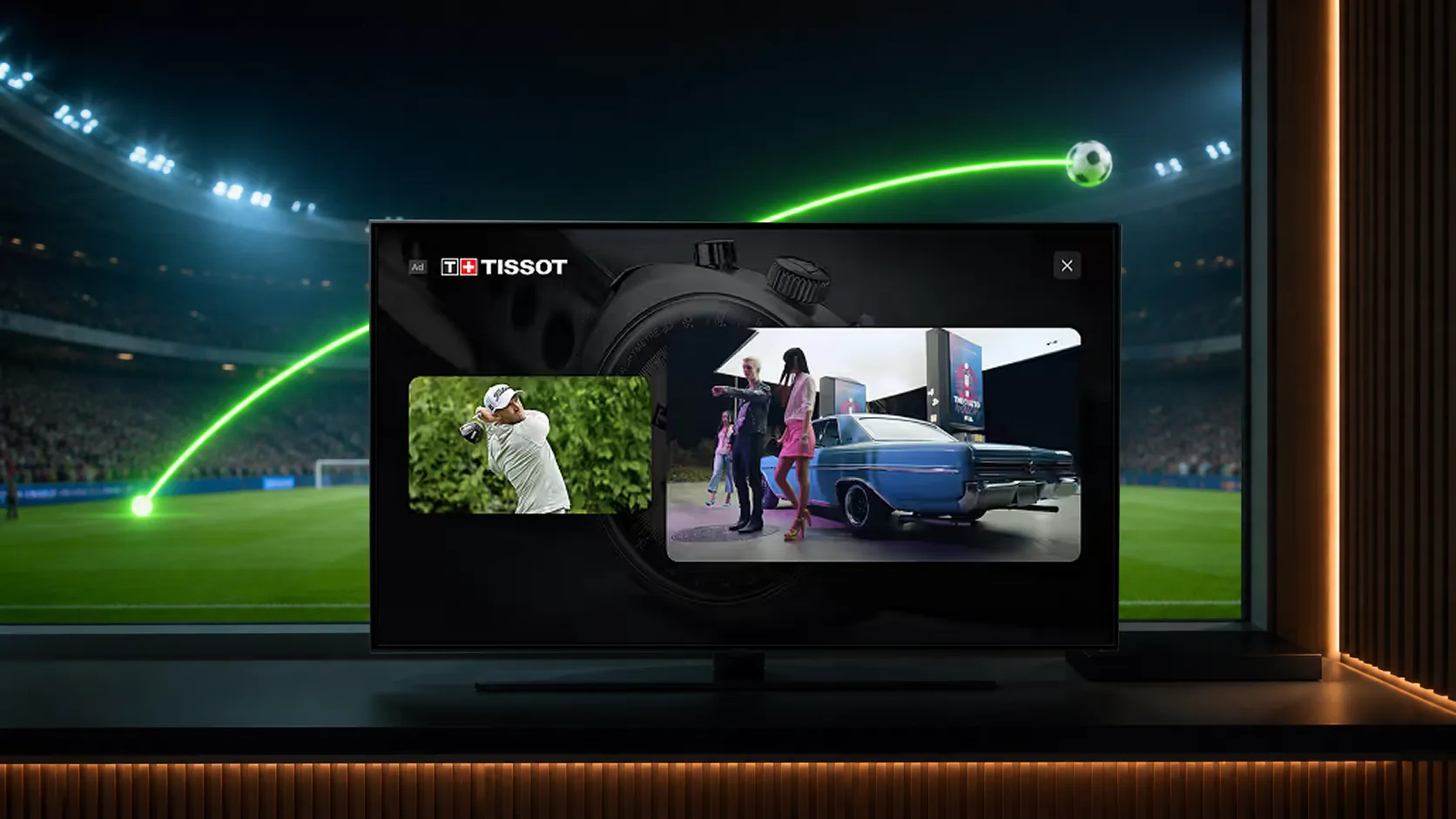
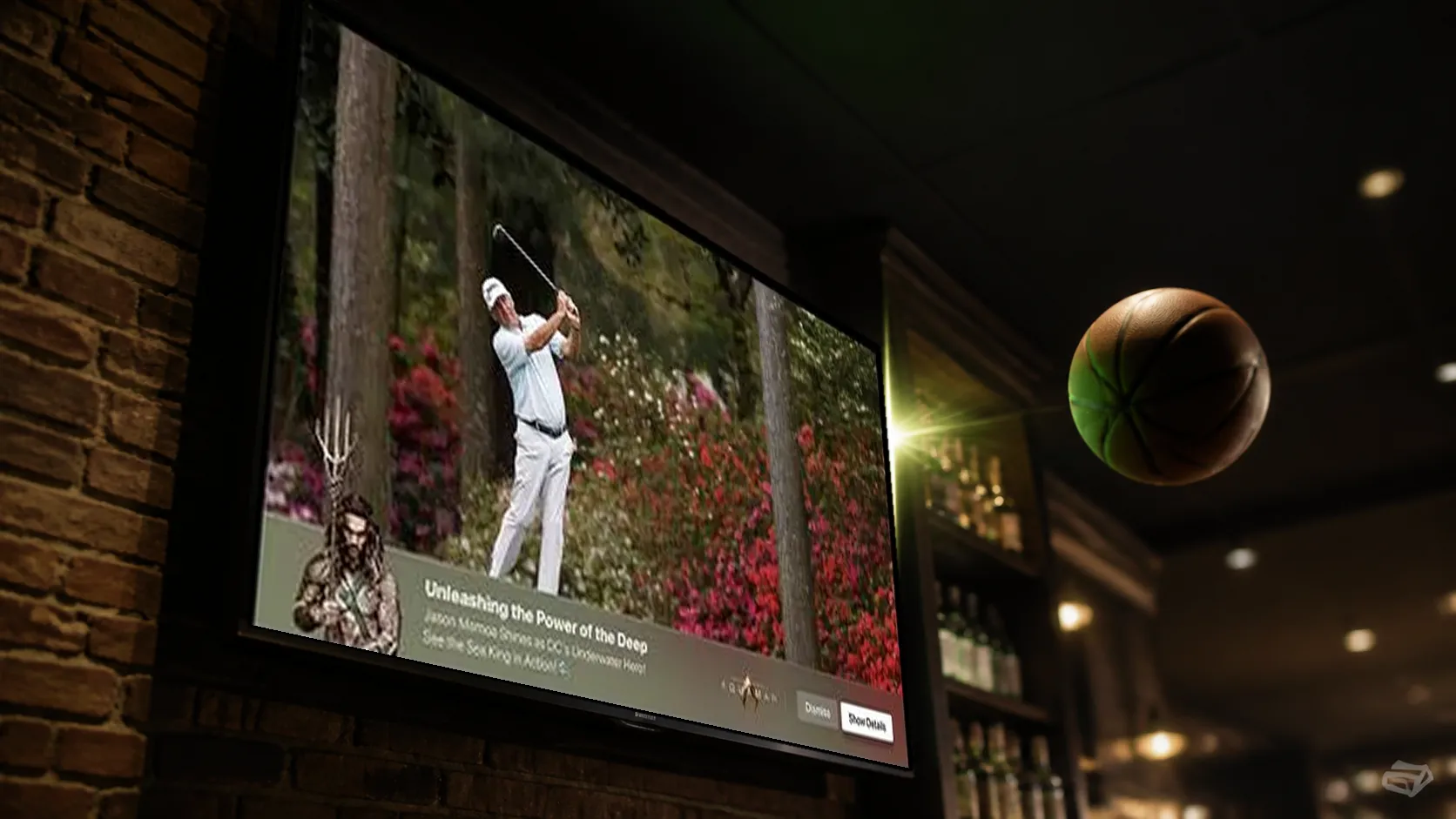
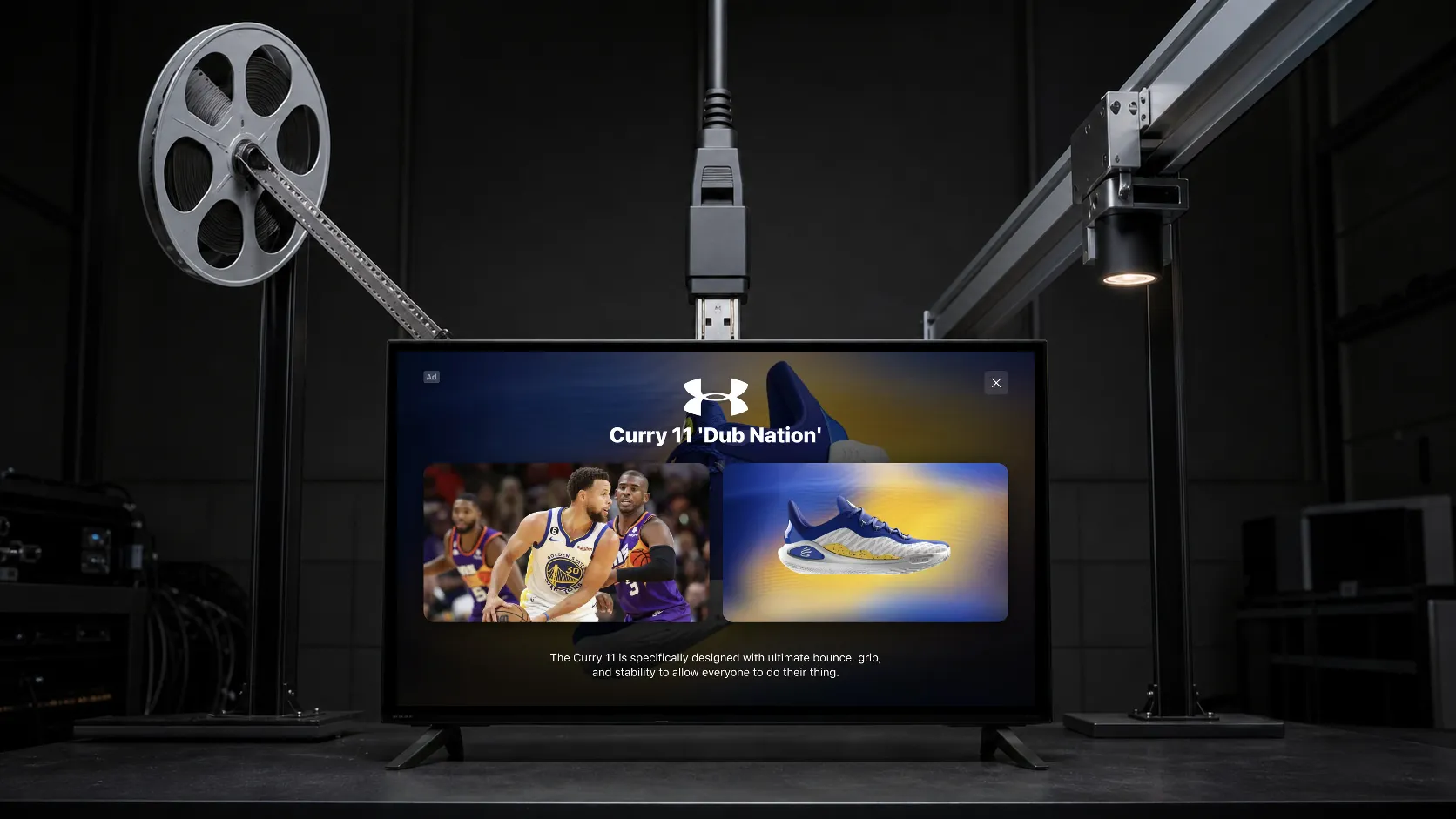
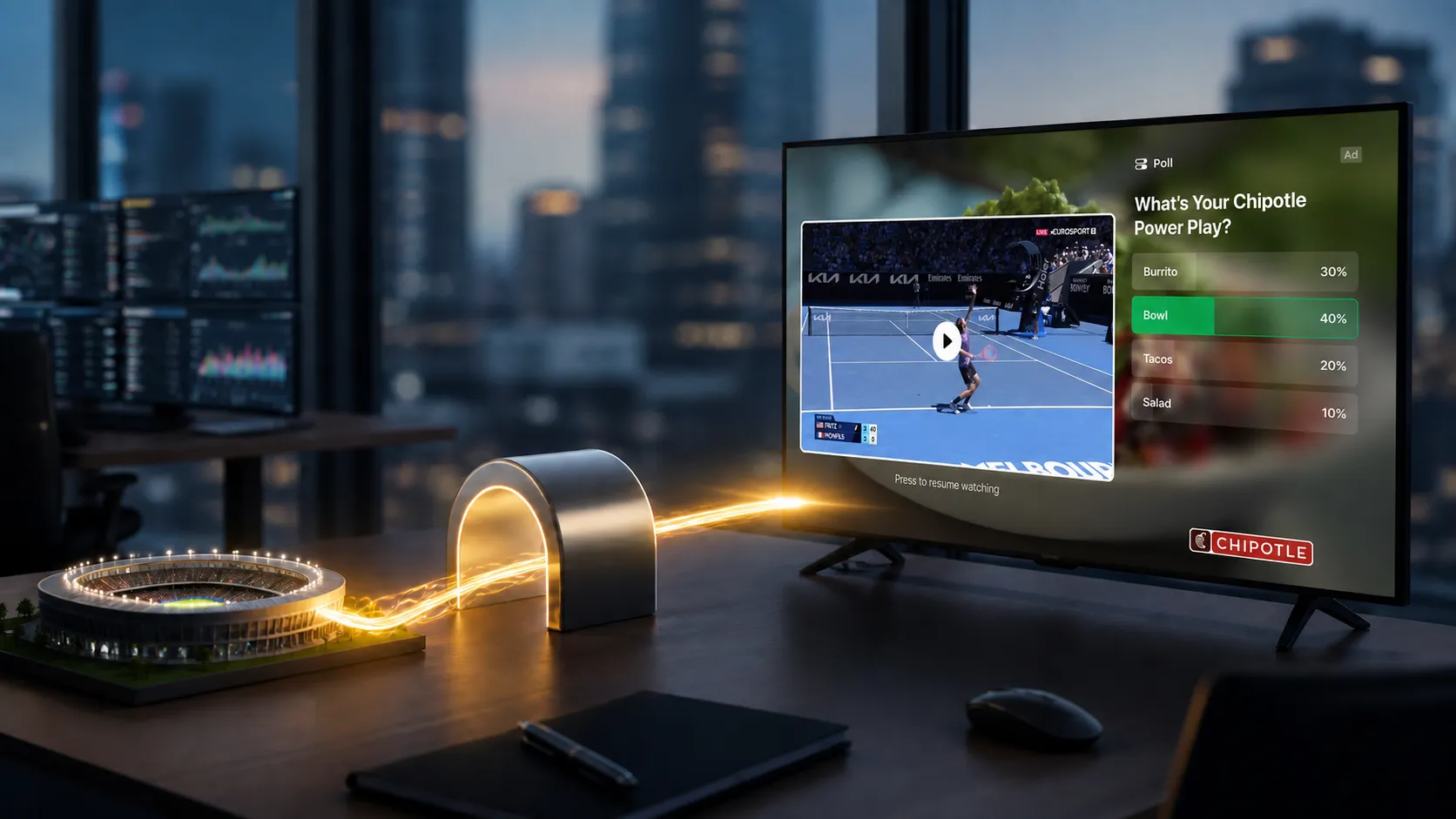
Event-Triggered Advertising: From Live Signal to Viewer Experience
Updated September 8, 2026 · StreamLayer
What is event-triggered advertising?
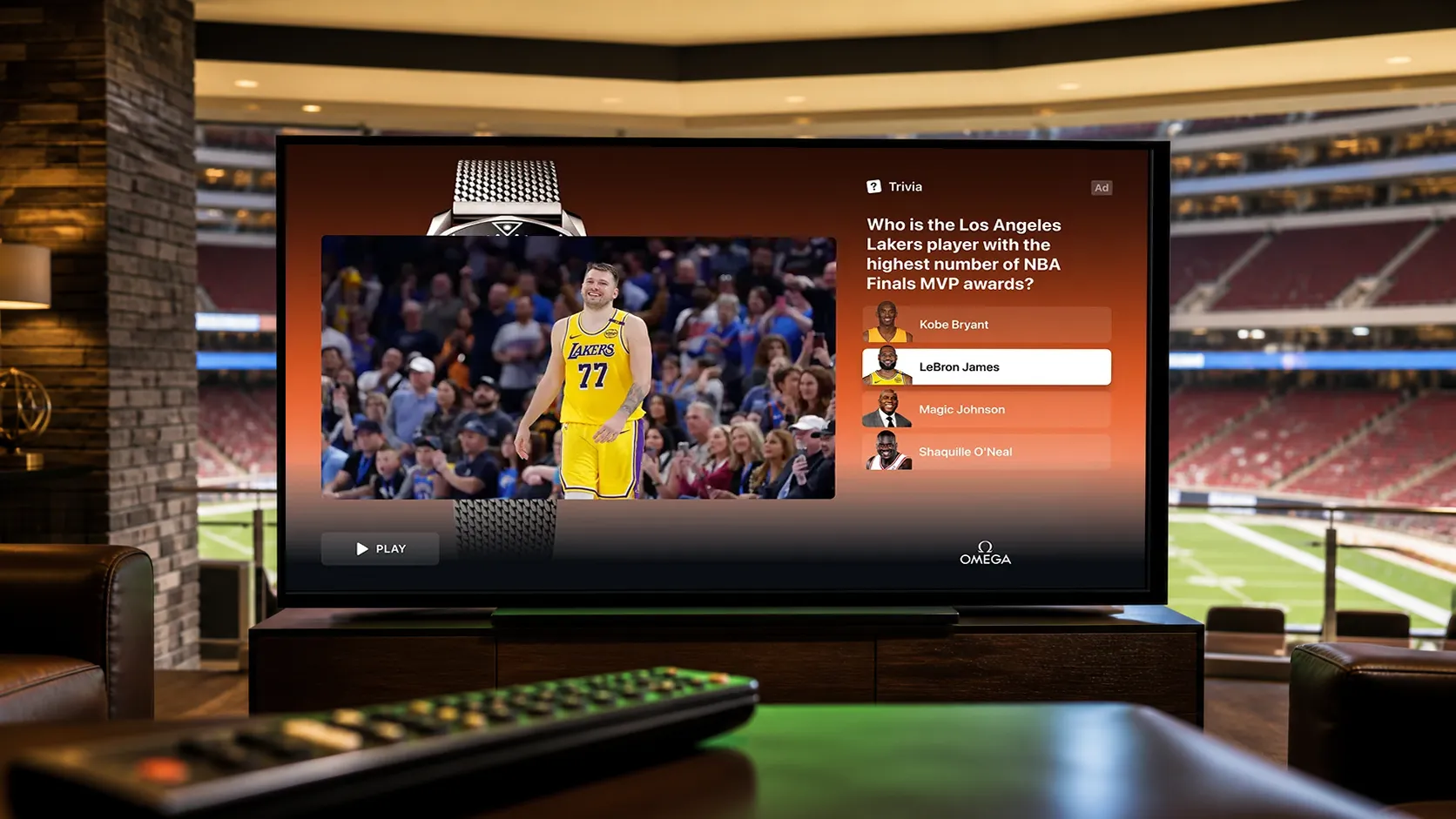
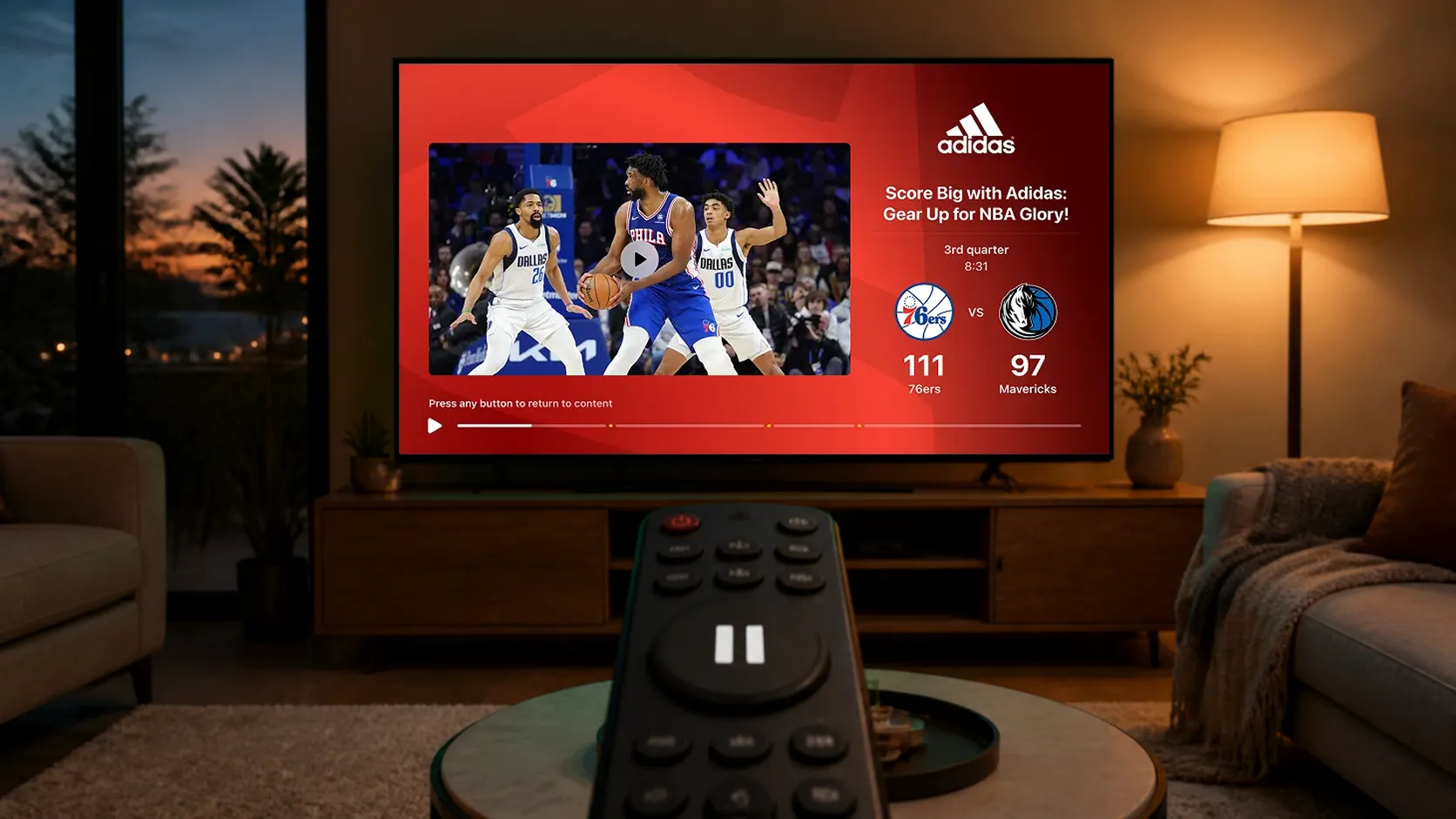
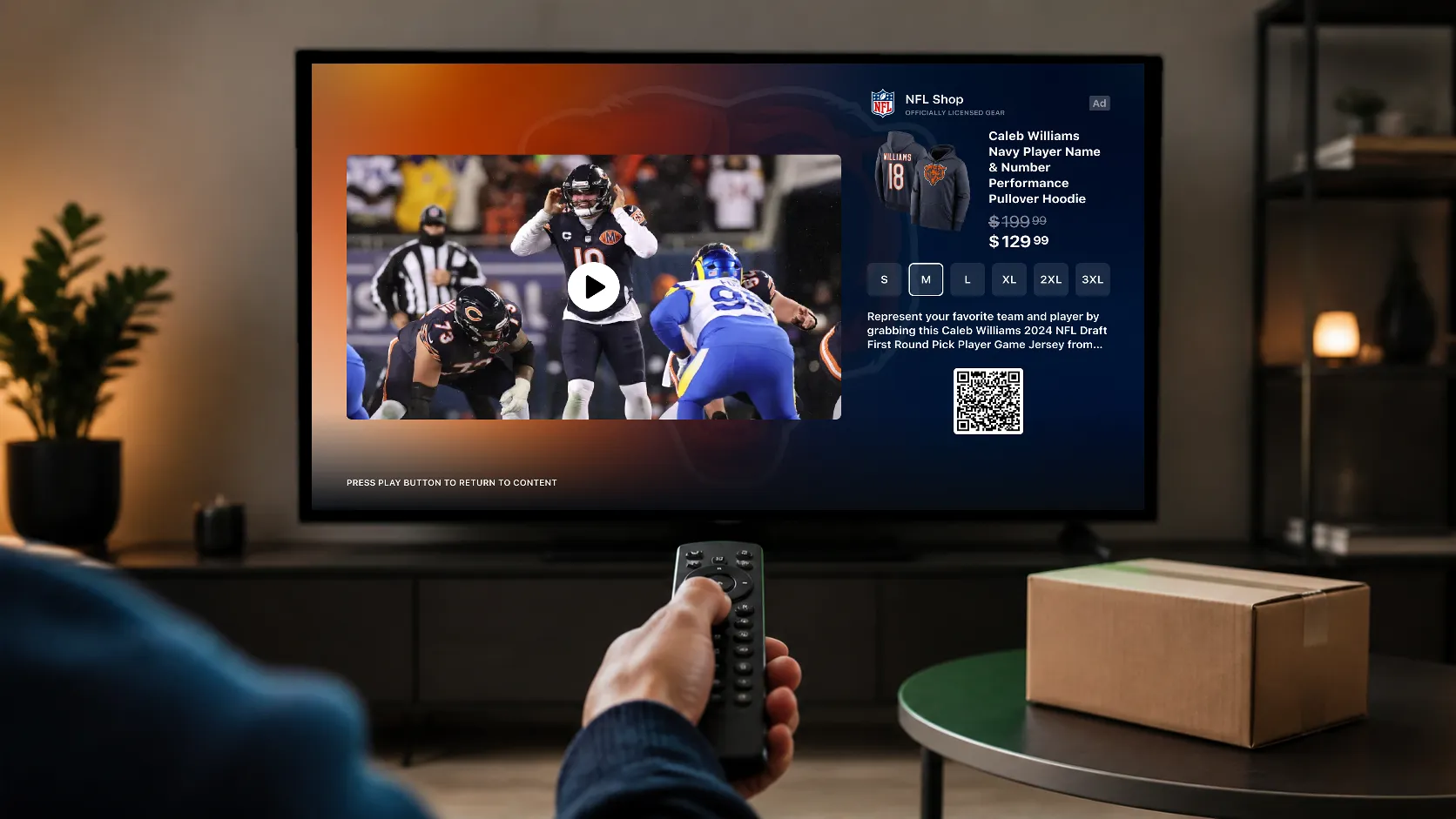
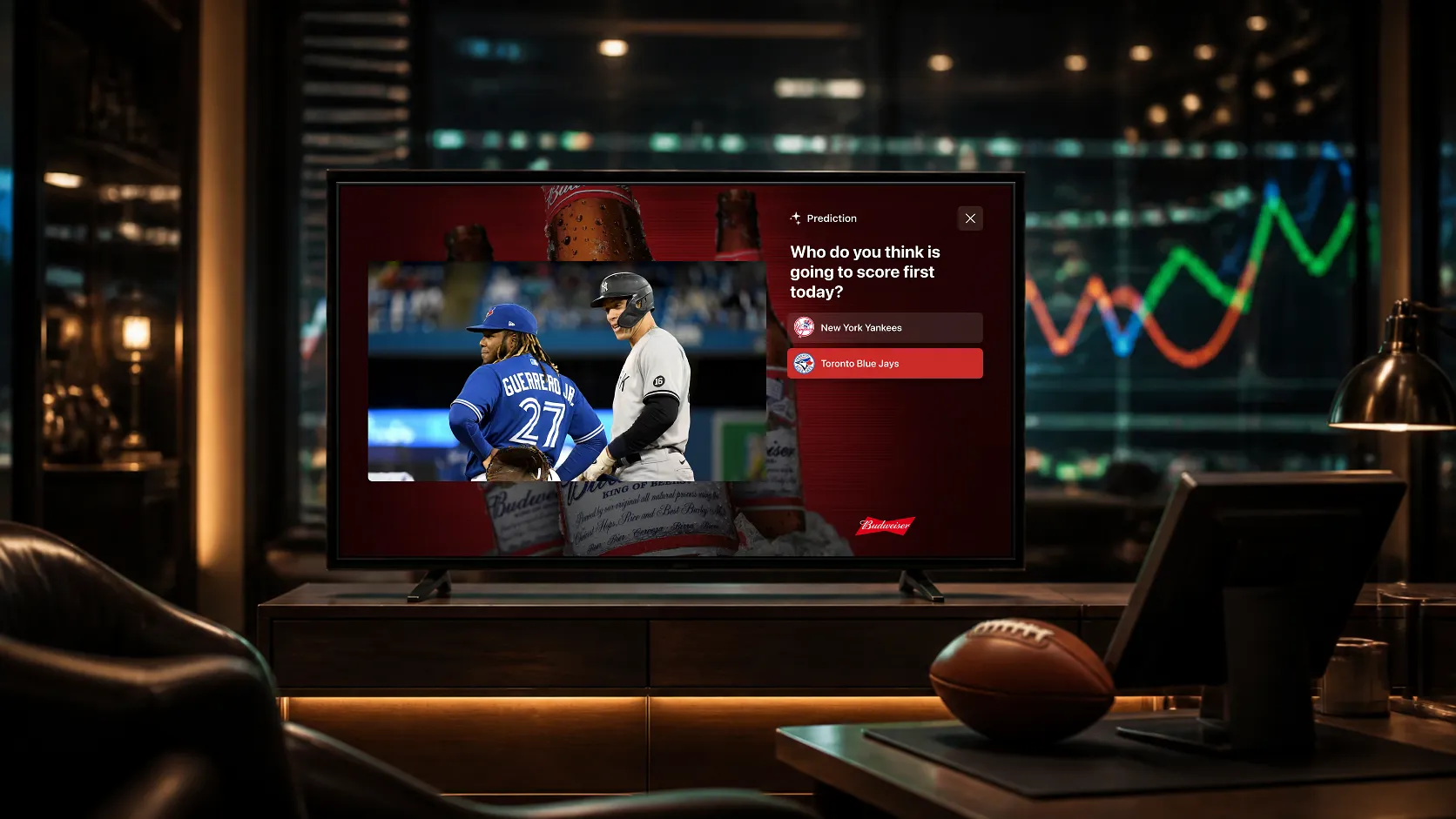
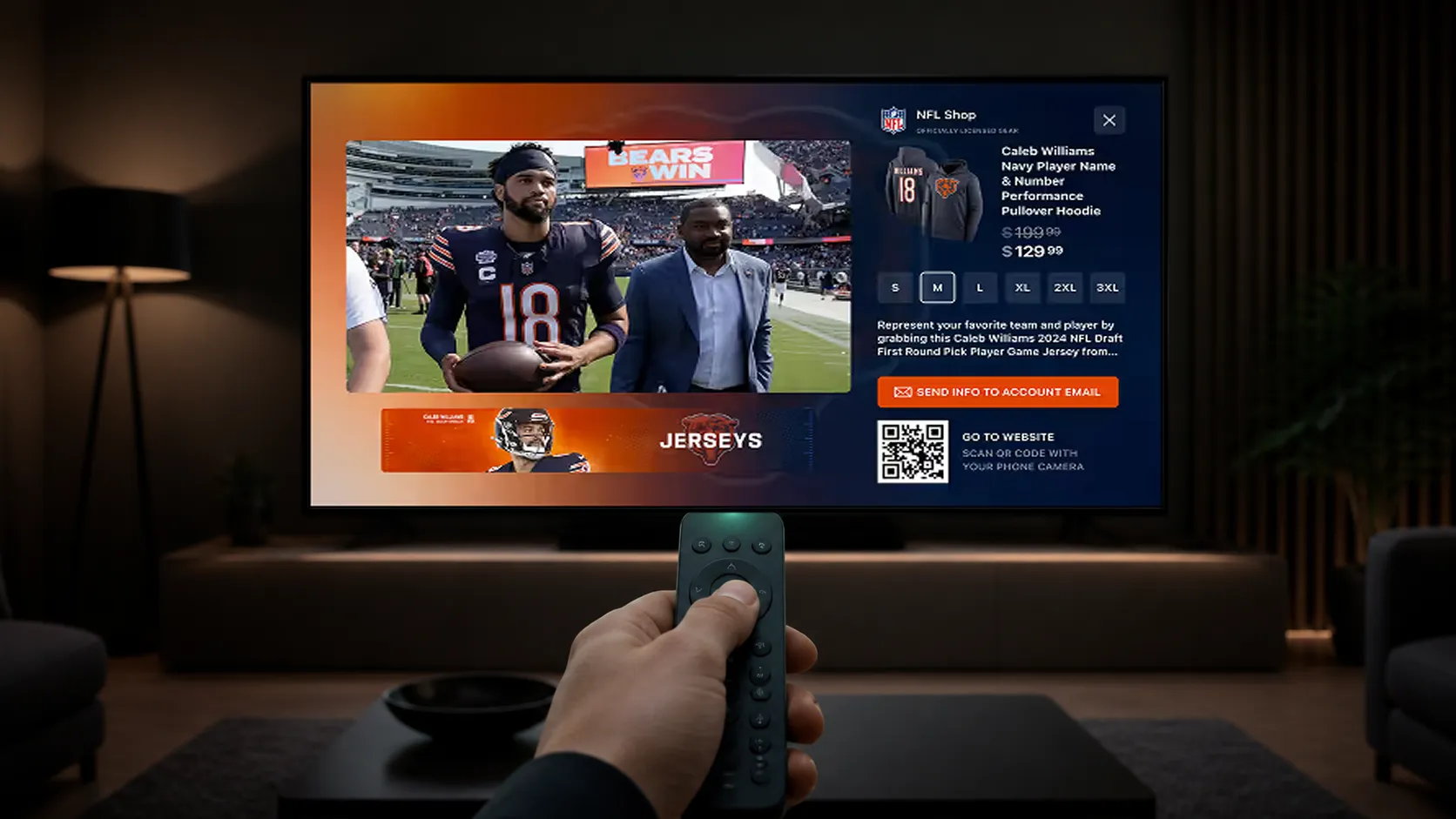
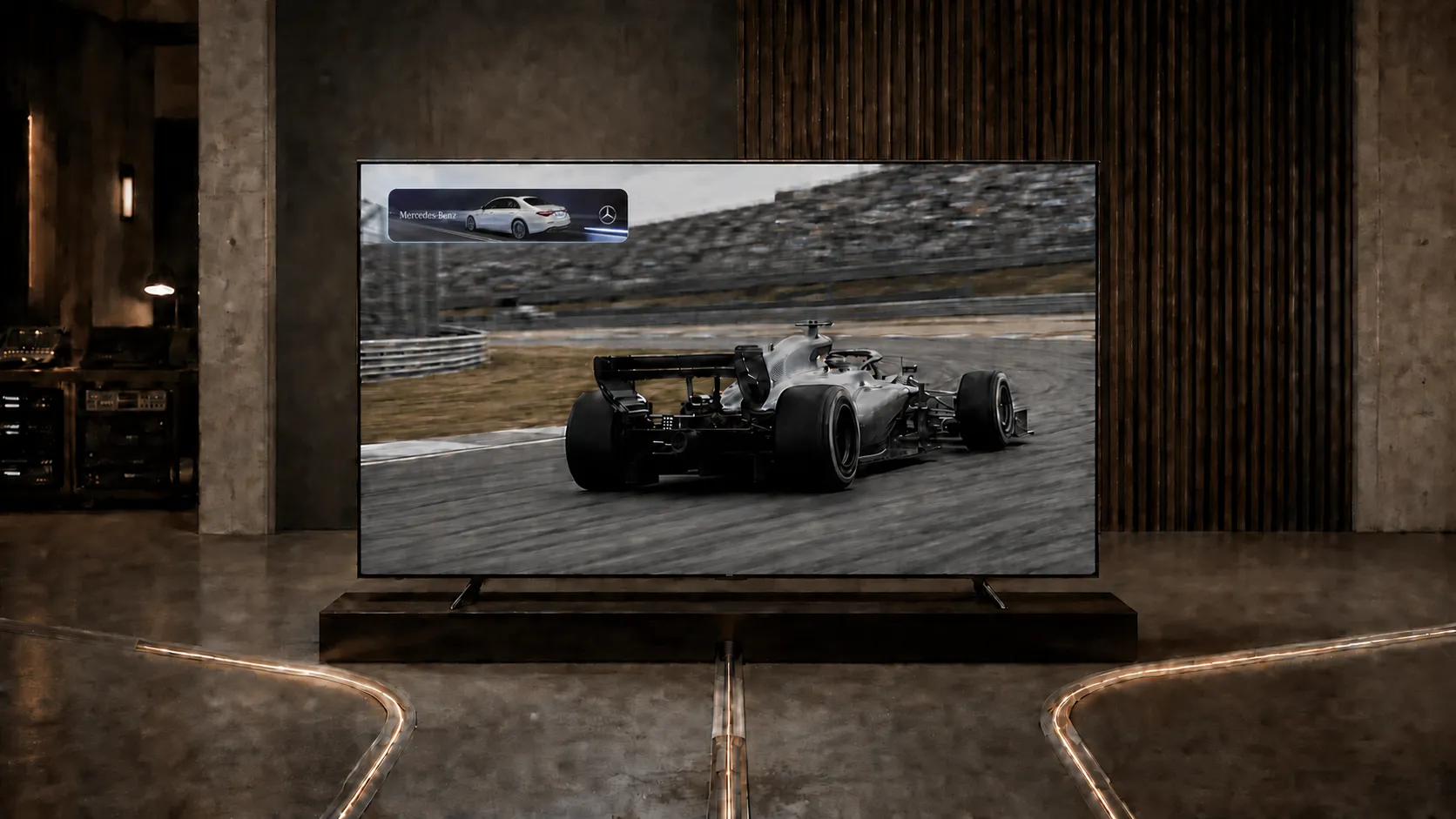
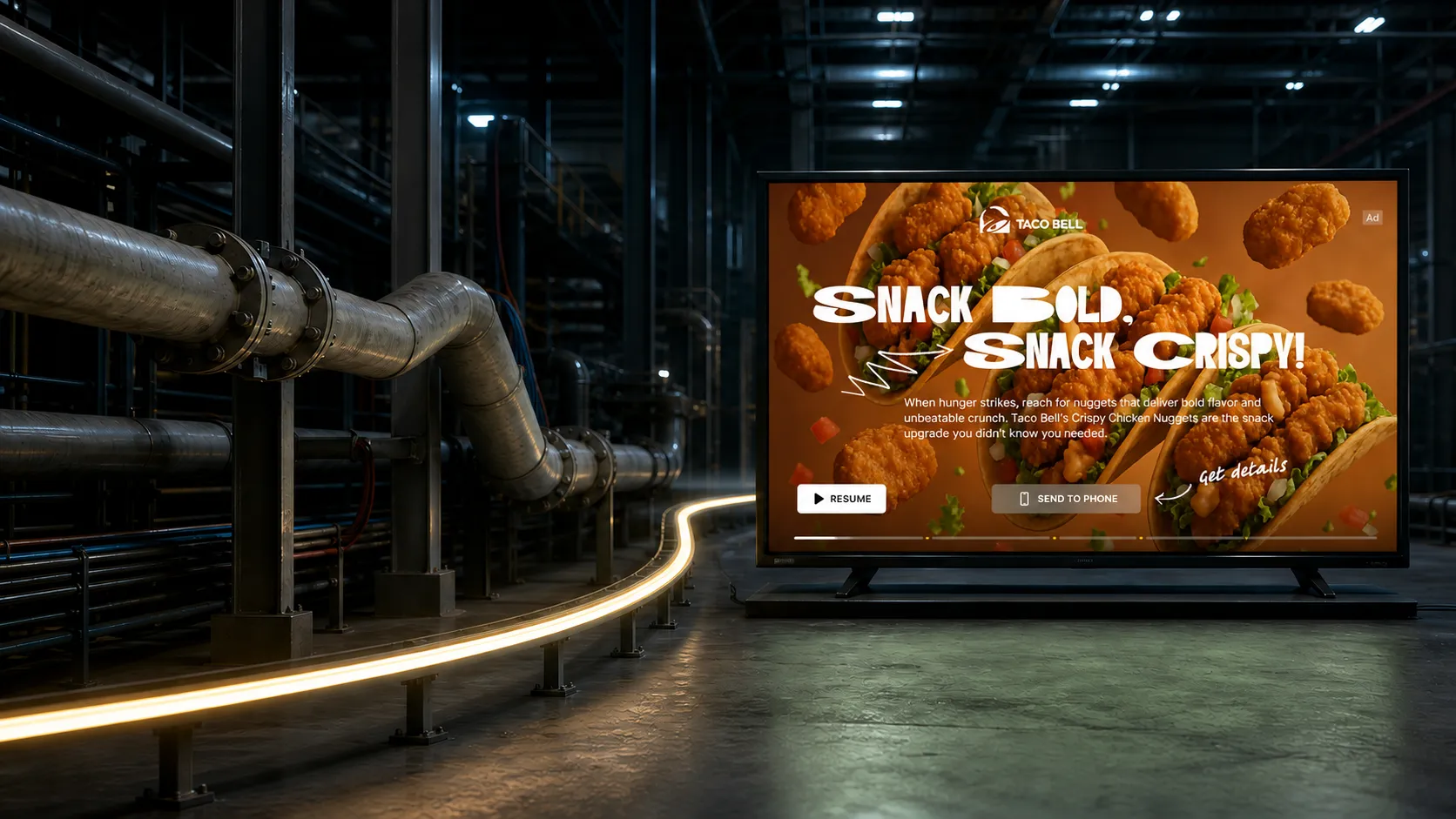
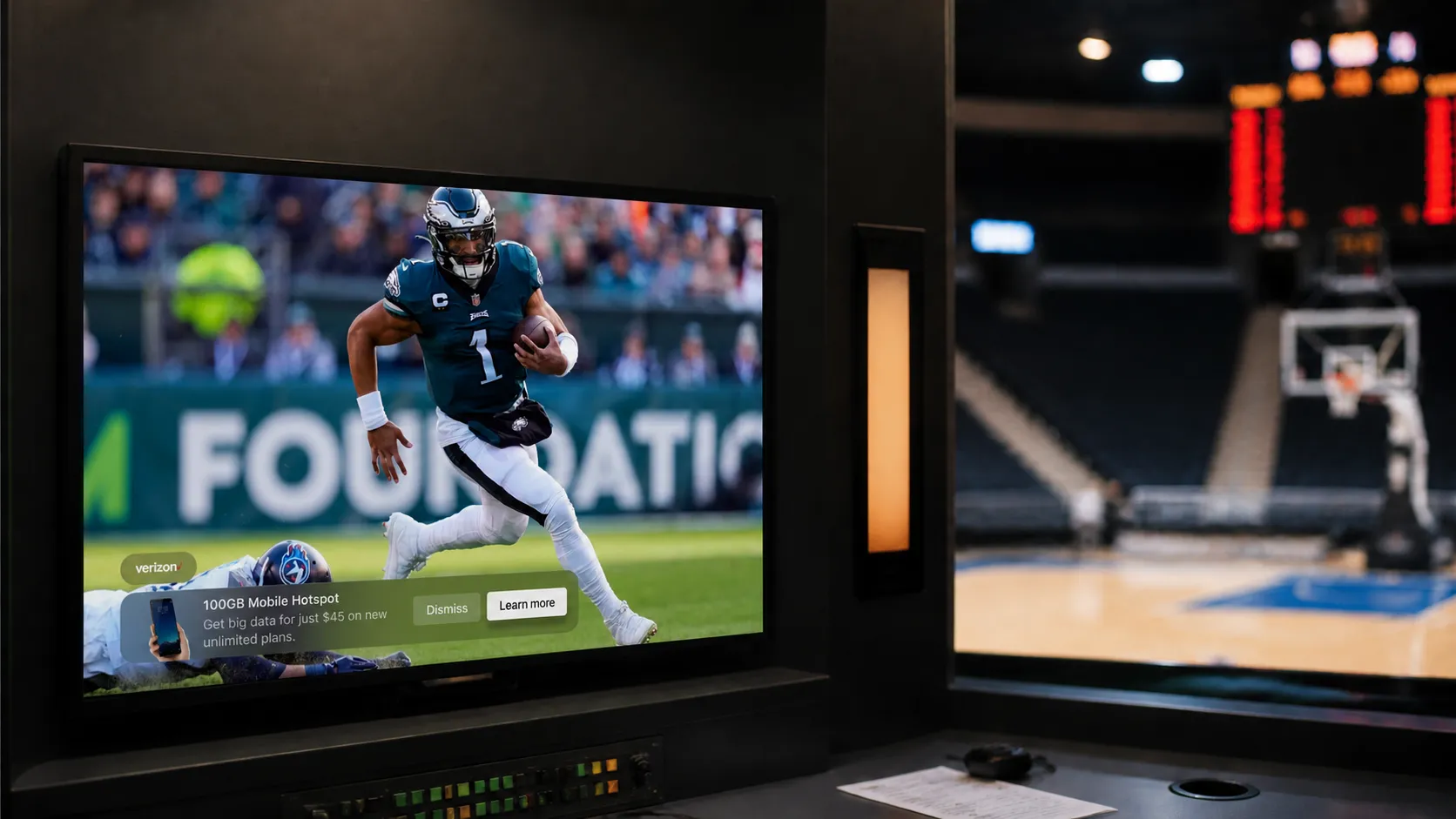
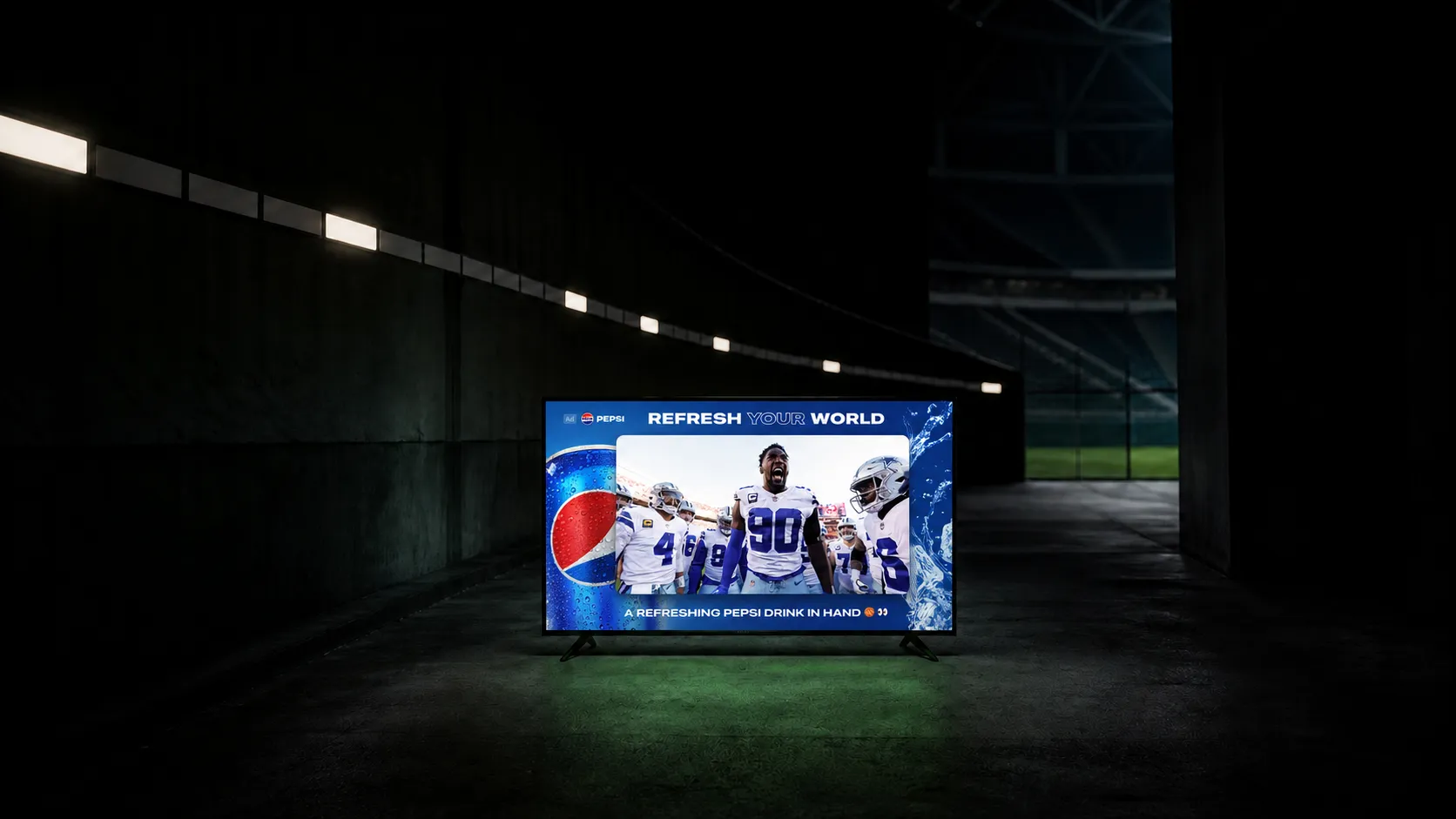
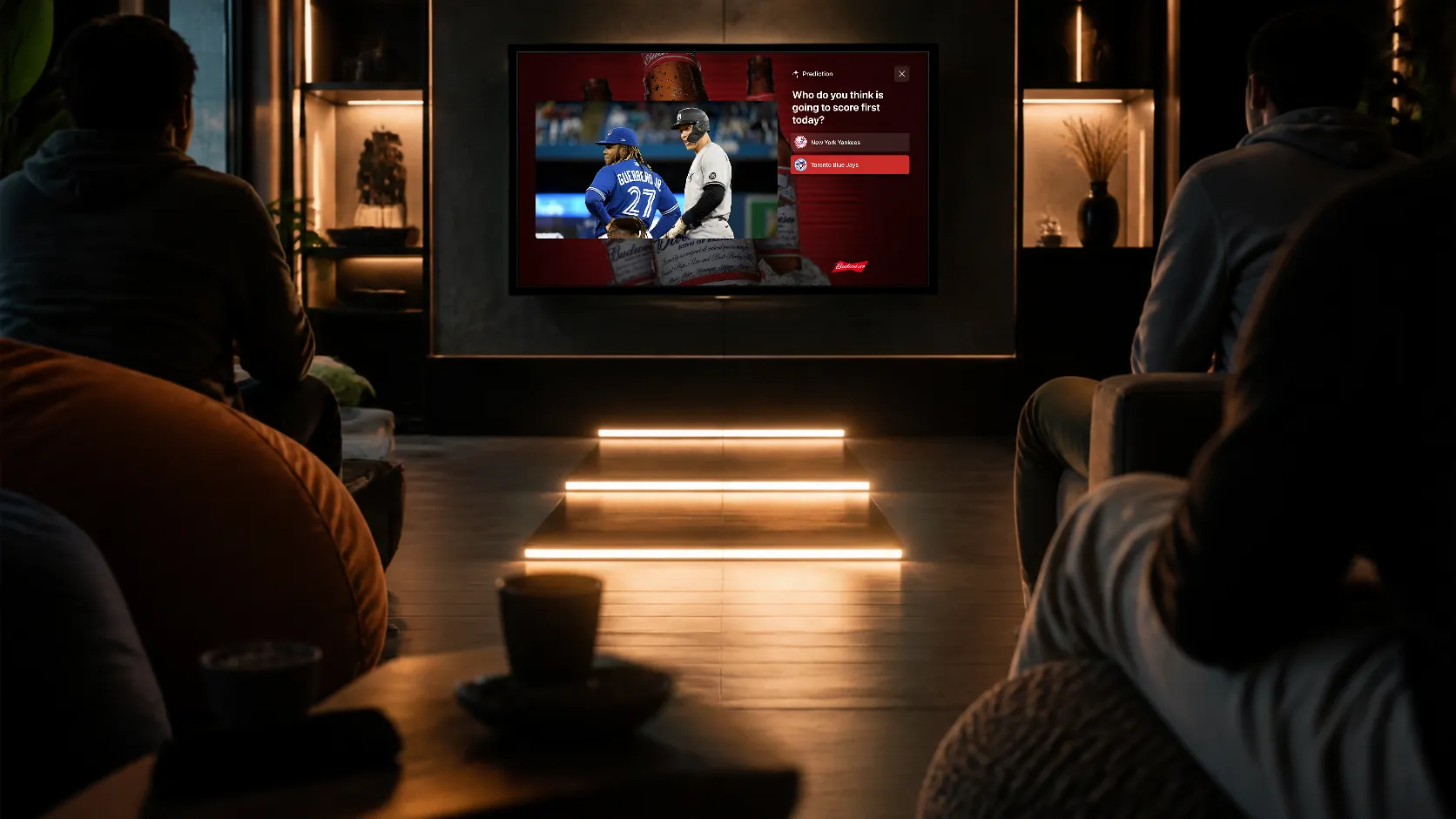
Event-triggered advertising activates an experience in response to a defined signal. For live sports, that signal may describe a goal, timeout, milestone, or other game state. Moment-based and event-driven advertising describe the same general approach when the activation is tied to programming context.
Which signals can create an opportunity?
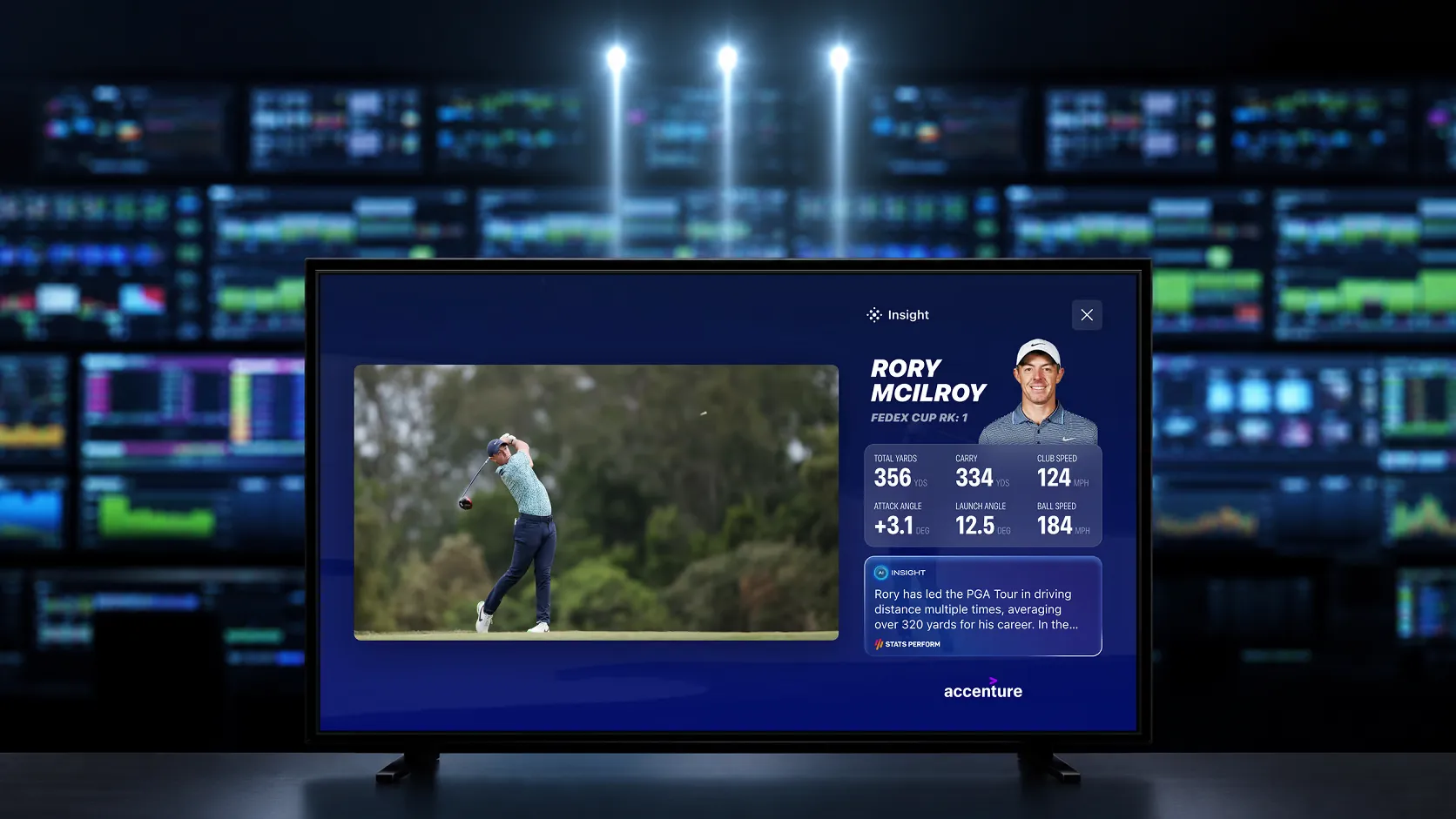
Structured sports data can report a game event. A producer can activate a configured experience. A clock or elapsed-time rule can coordinate a scheduled action. Playback metadata can identify a video ad or other cue.
A signal is a candidate opportunity, not an obligation to show an ad. Its quality depends on coverage, accuracy, delivery timing, and its relationship to what the viewer is watching.
What does Moment Intelligence add?
StreamLayer Moment Intelligence is designed to qualify candidate moments using live context and route them through publisher-controlled activation logic. It feeds the Trigger Engine rather than replacing it. The system’s role is to help distinguish useful opportunities from moments when restraint is preferable.
Do not assume that event-triggered advertising requires frame-by-frame analysis of the core video stream. StreamLayer works with supplied signals and data while leaving the existing video delivery workflow in place.
How does the ad reach the viewer?
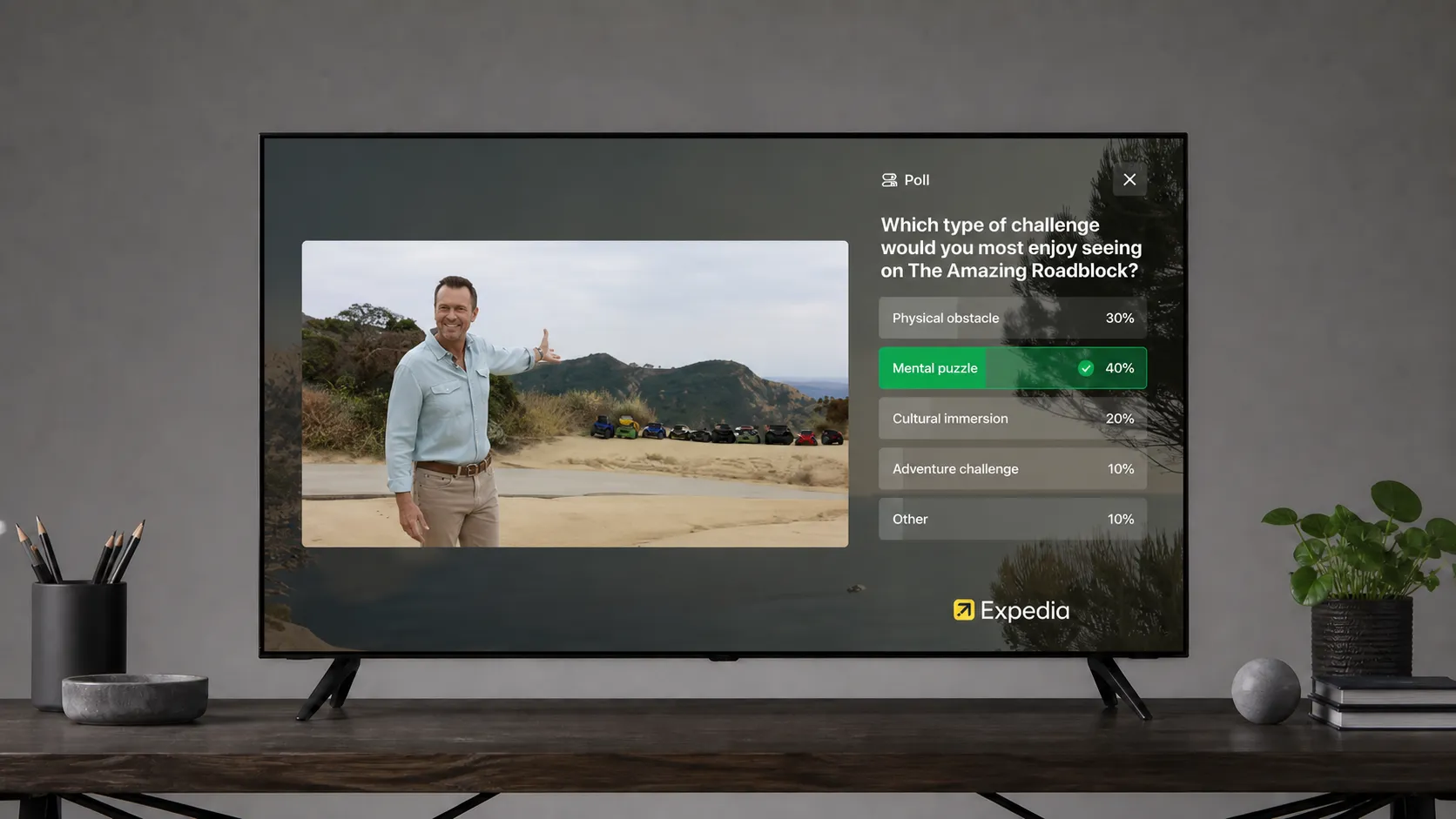
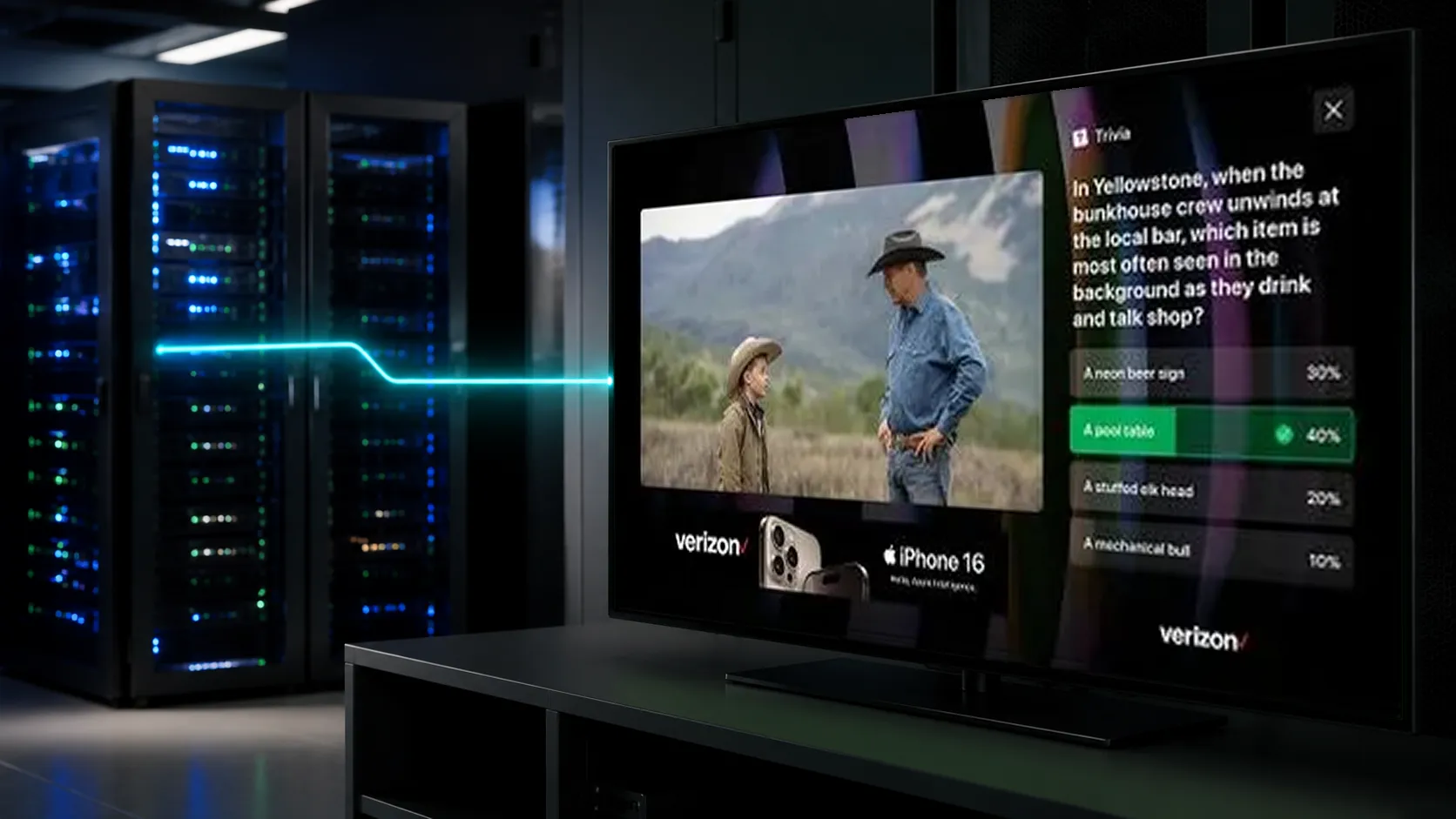
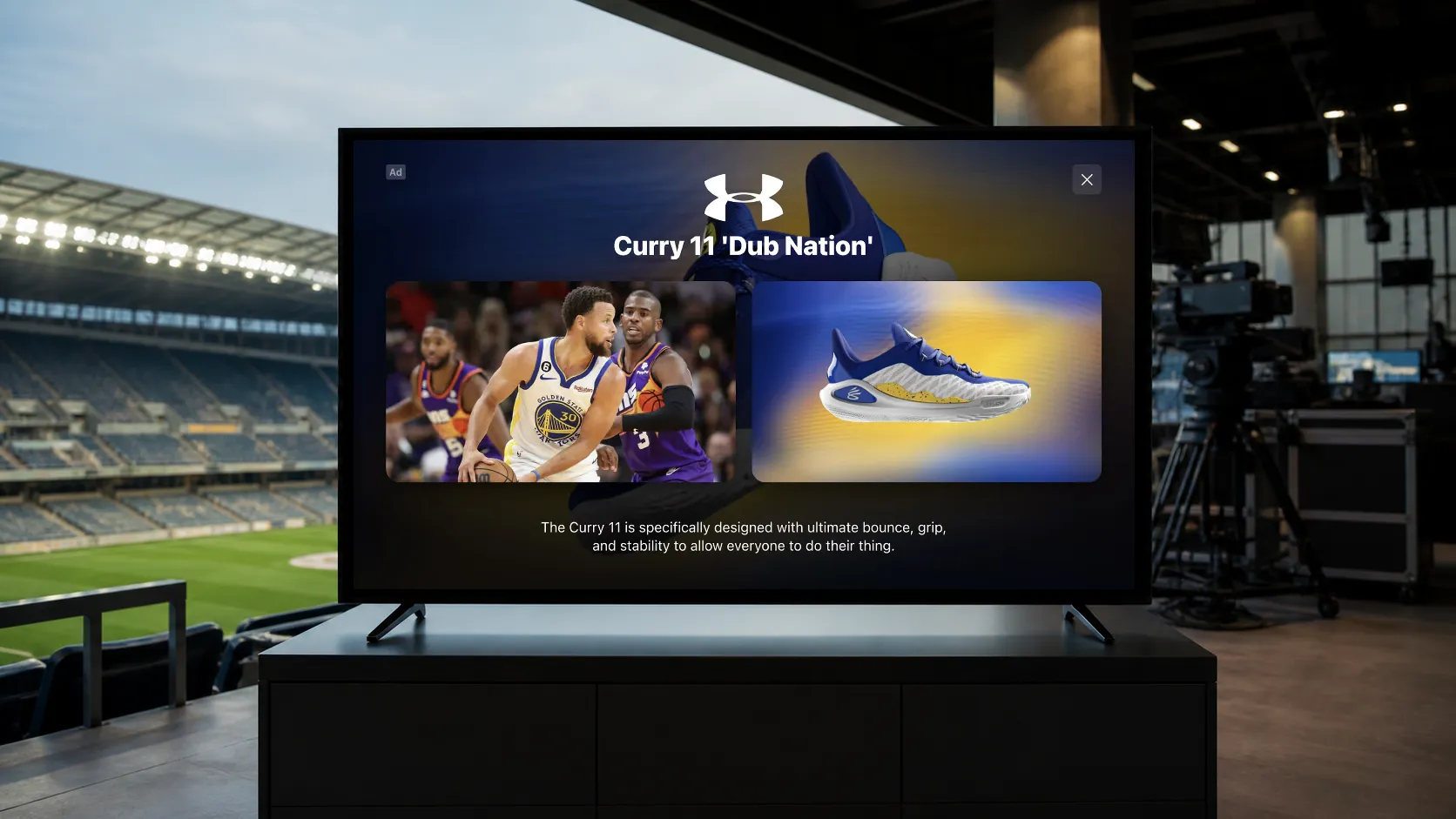
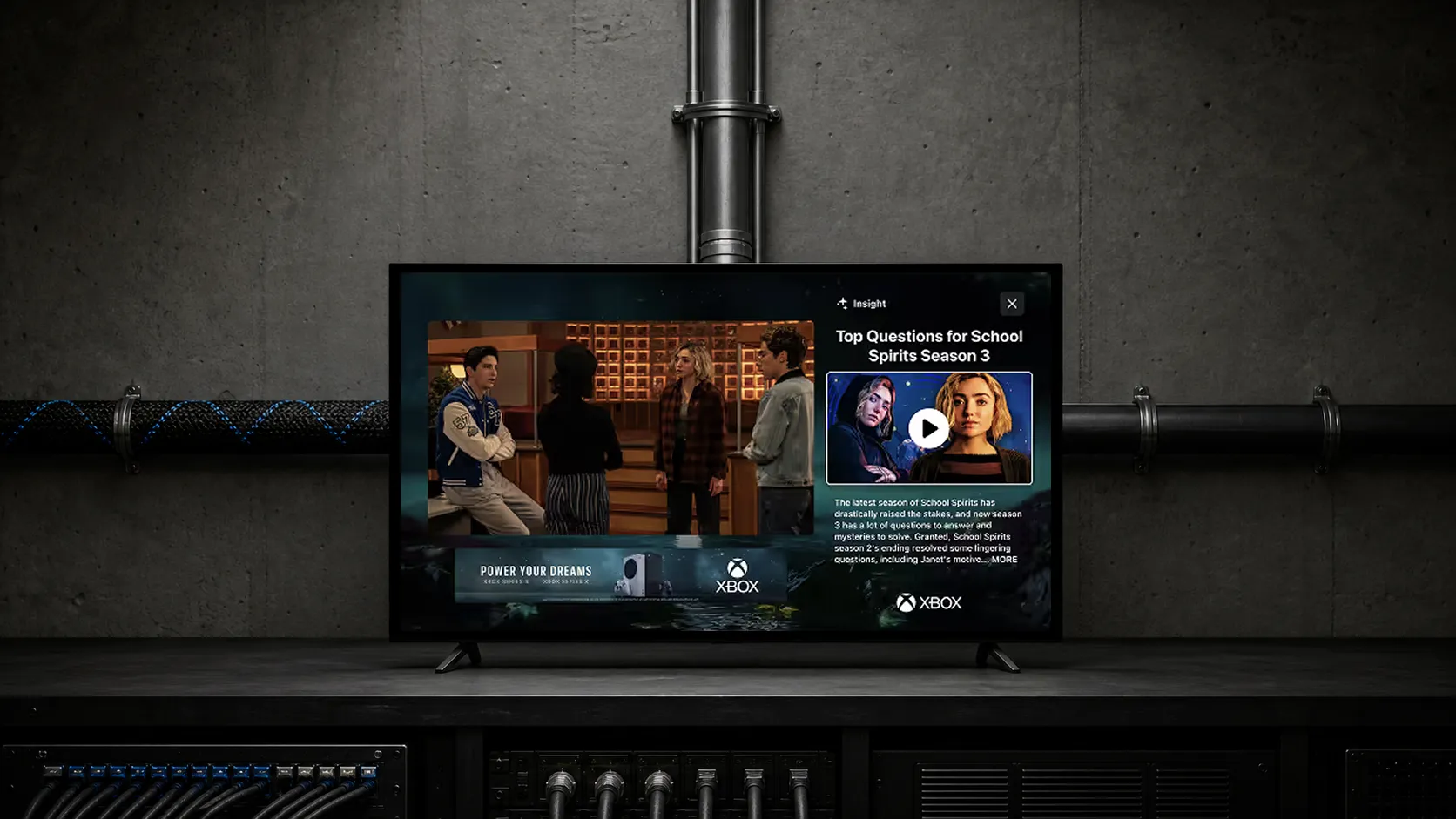
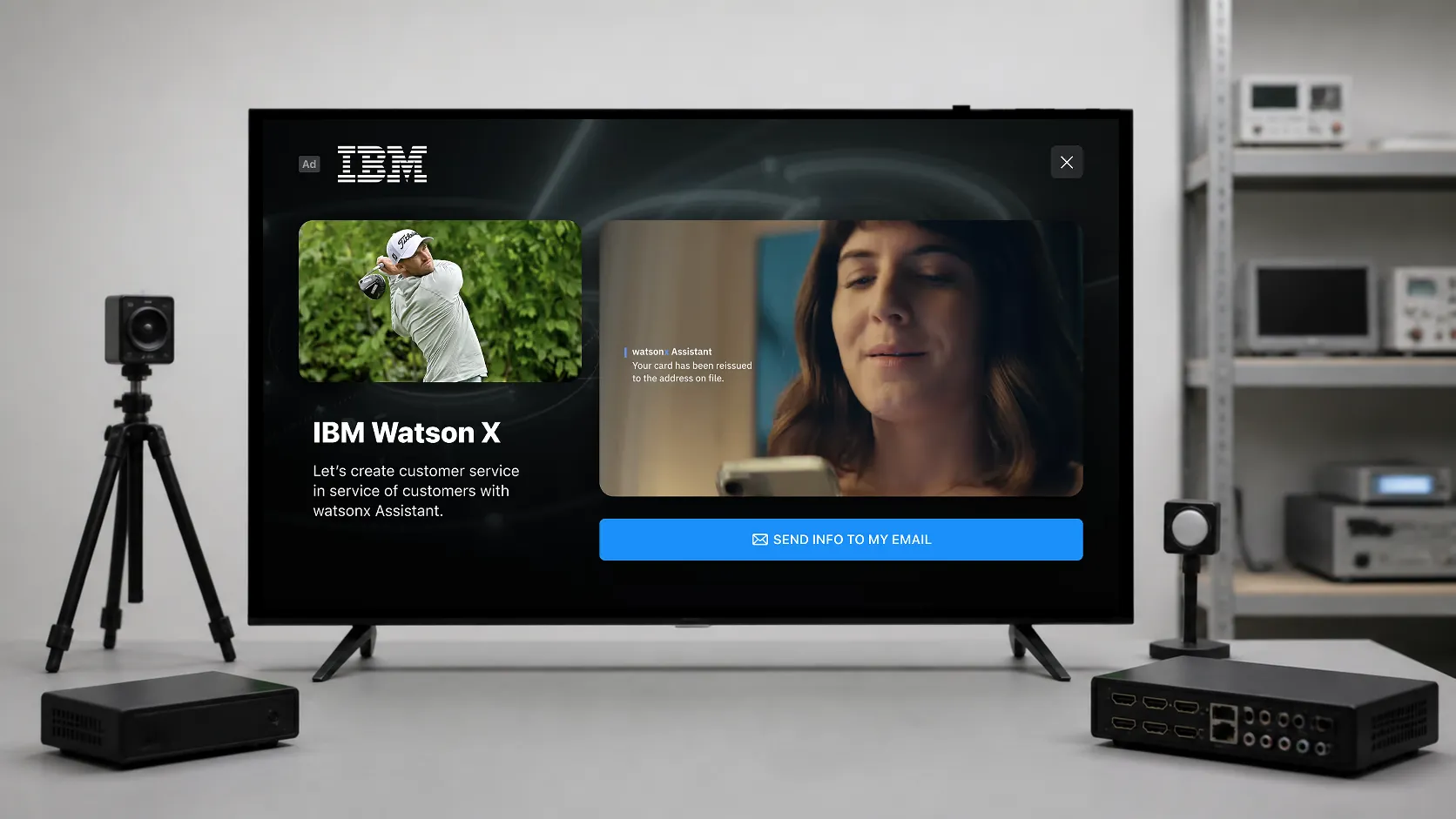
The Trigger Engine evaluates configured conditions and routes eligible activations. StreamLayer SGAI combines server-side orchestration with SDK-rendered advertising inside the streaming app. Direct-sold creative or an integrated programmatic path supplies the campaign assets.
Where an SSP is involved, the SSP runs the auction with DSPs. StreamLayer does not replace that auction. The host app provides the advertising view and controls resizing when the selected layout needs it.
How fast should an event-triggered ad appear?
Evaluate timing relative to the viewer’s playback position. Data-feed delay, stream delay, activation processing, ad decisioning, asset loading, and device rendering are separate parts of the path. A server decision-time target should not be presented as a measured end-to-end display time.
Prepare creative where possible and define what happens when a signal or asset arrives too late. An experience that misses its useful window should be skipped rather than shown over an unrelated moment.
What publisher controls are essential?
Set eligible events, pacing, frequency, exclusions, and closing rules. Protect editorial decisions and the viewing experience when signals conflict or the context is uncertain. A missing campaign or suppressed opportunity can appropriately result in no ad.
Measure candidate events, approved activations, renderings, interactions, errors, and net revenue. Compare those results with viewing behavior and campaign outcomes. See StreamLayer Moment Ads and the integration guide for implementation planning.