How to Evaluate an SGAI Advertising Platform
Updated September 8, 2026 · StreamLayer
How should publishers choose an SGAI platform?
Start with the advertising product you want to launch and evaluate the implementation against it. SGAI describes several approaches to server guidance and client presentation; the label alone does not establish format coverage, integration effort, or commercial results.
Define the inventory goal
A platform for guiding full-screen video playback may solve a different problem from one that renders nonlinear ads, pause ads, or interactive companions. Ask each provider to show the complete delivery path for your use case.
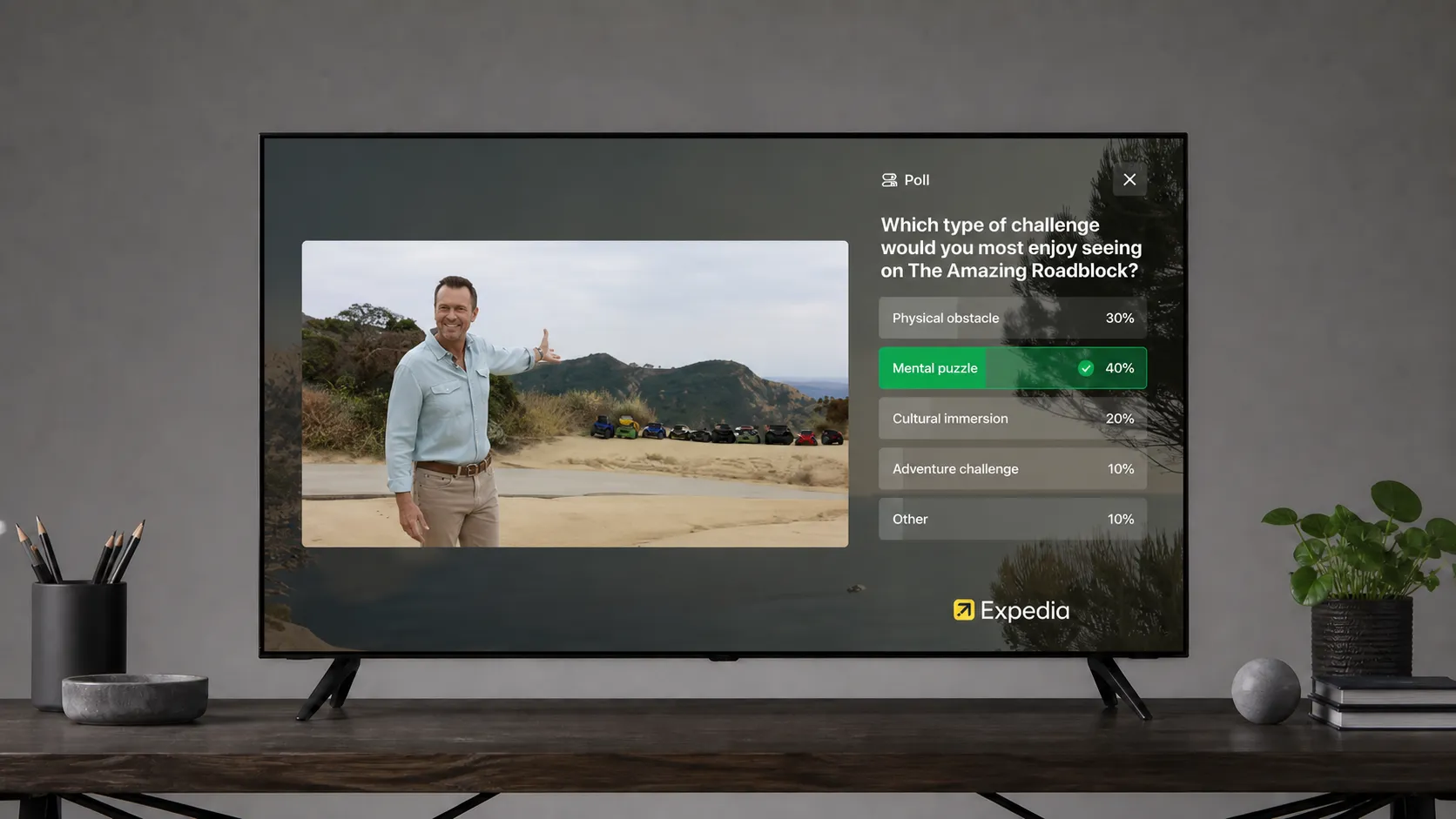
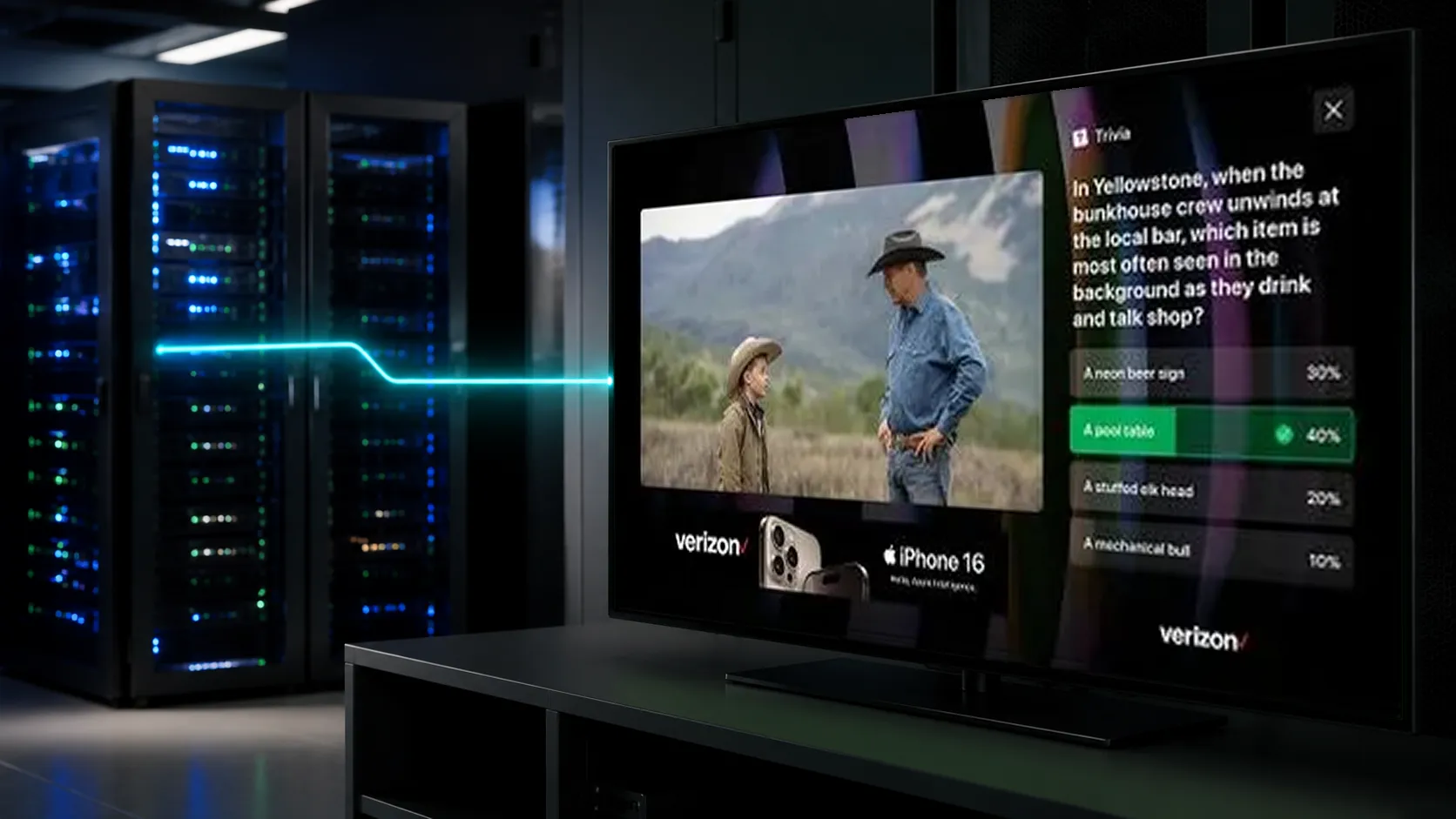
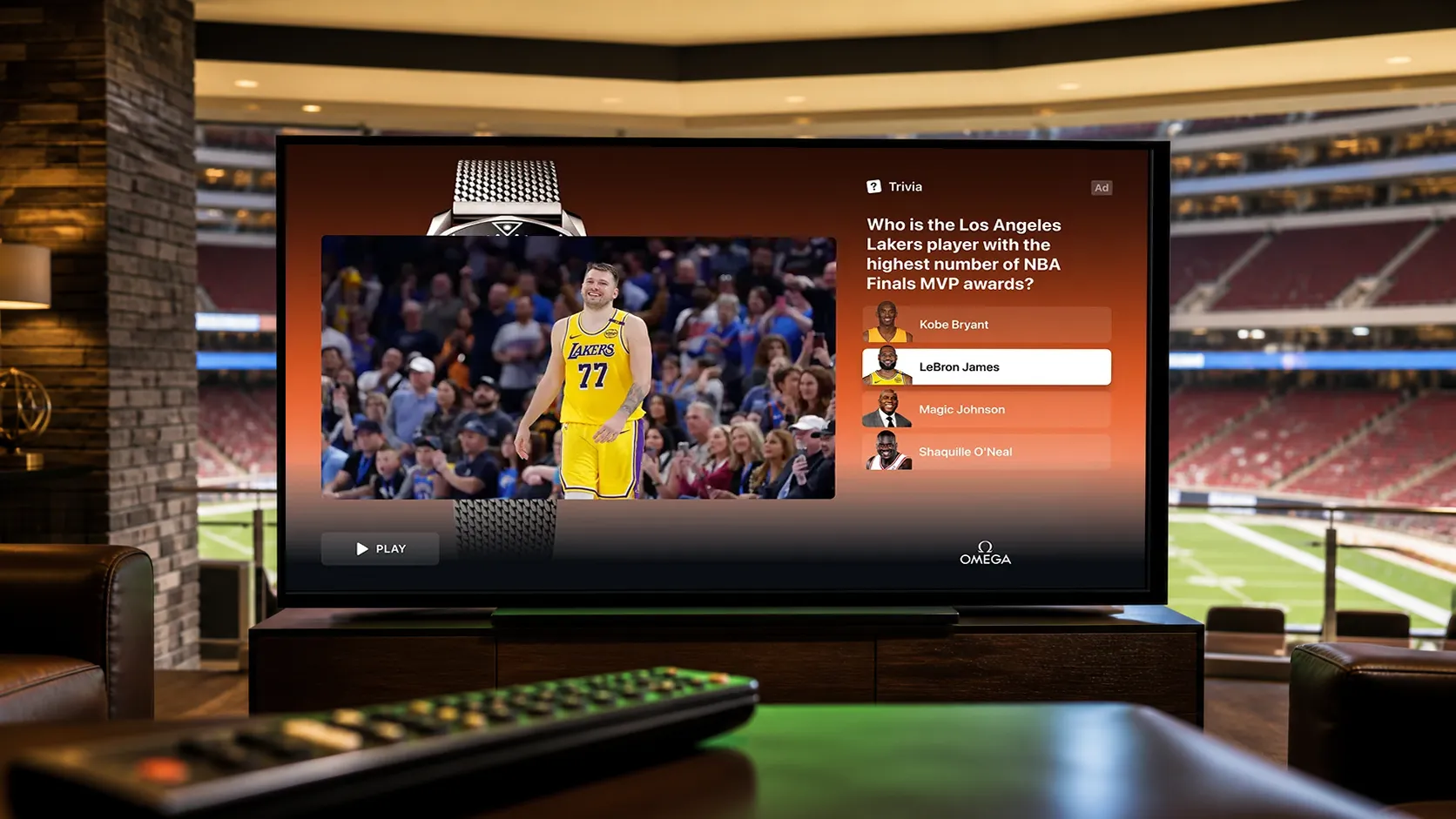
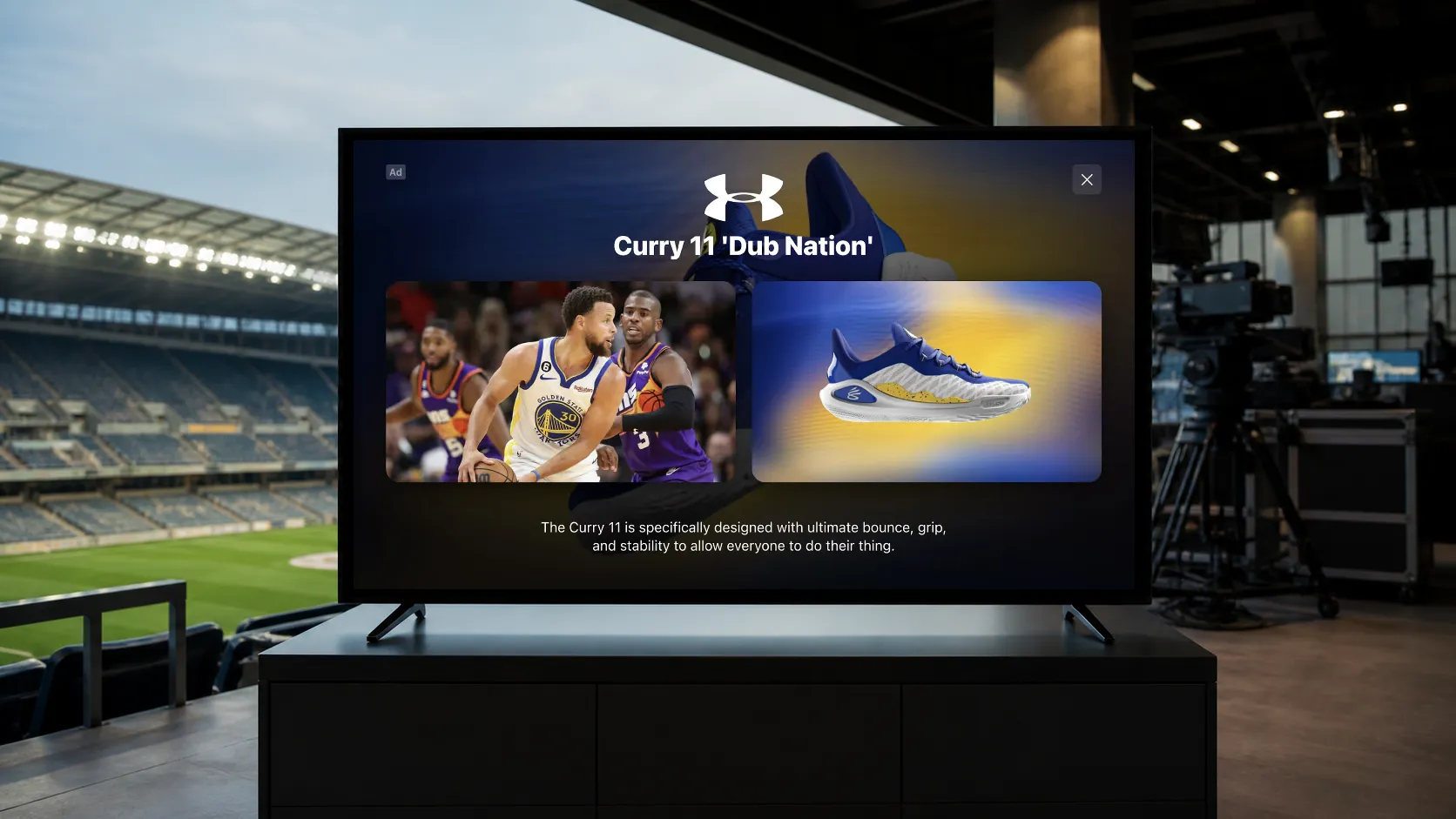
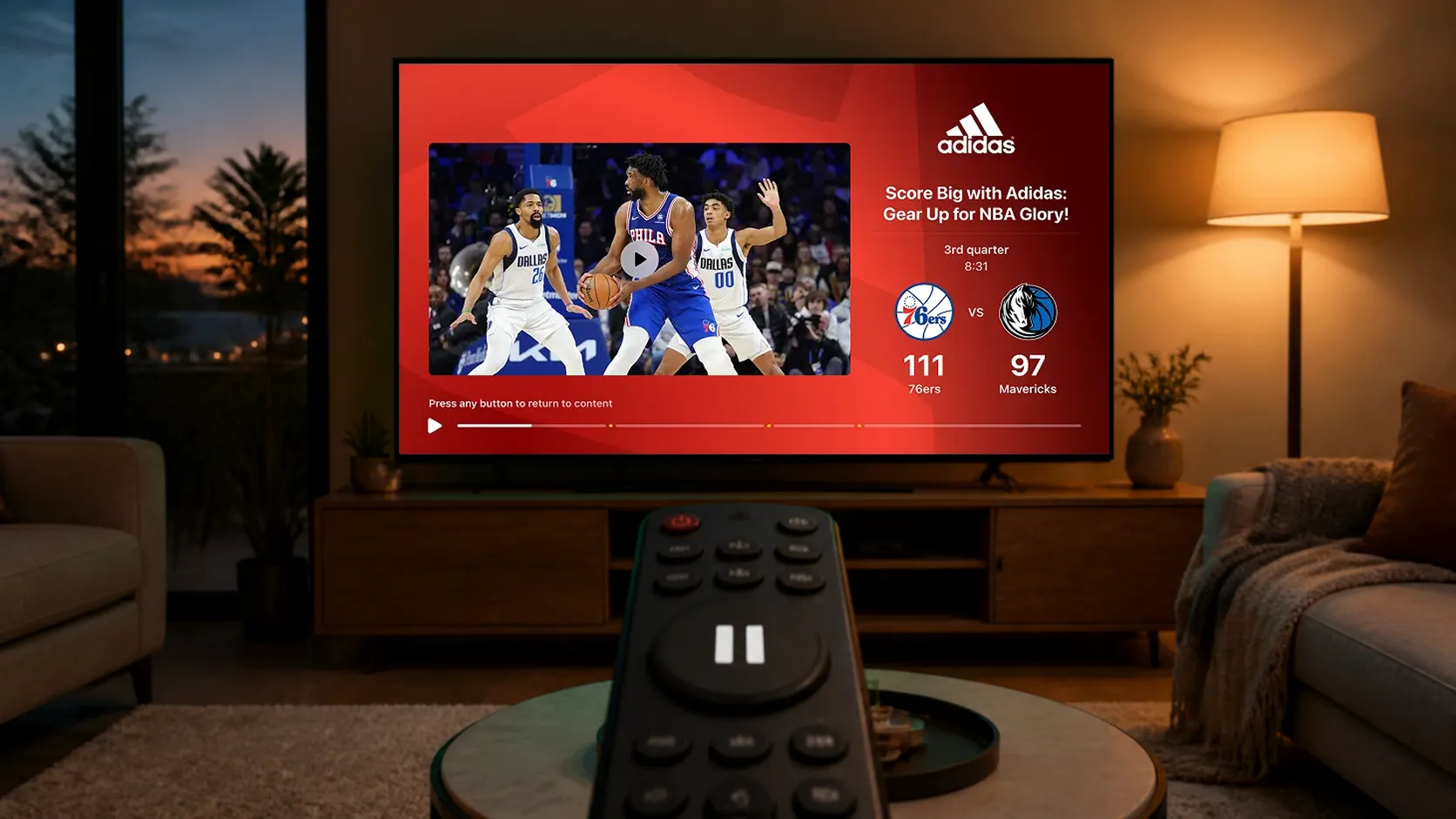
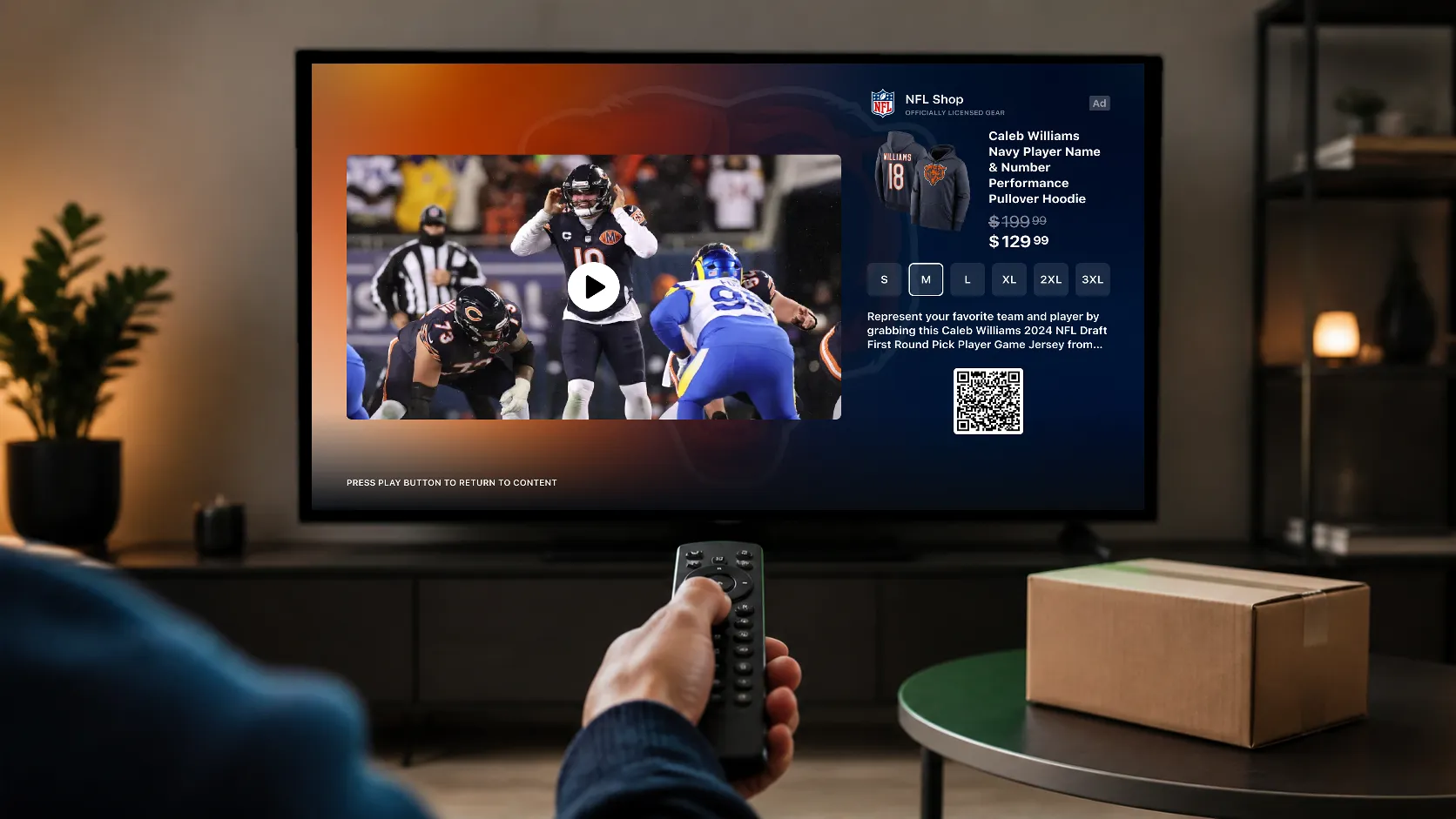
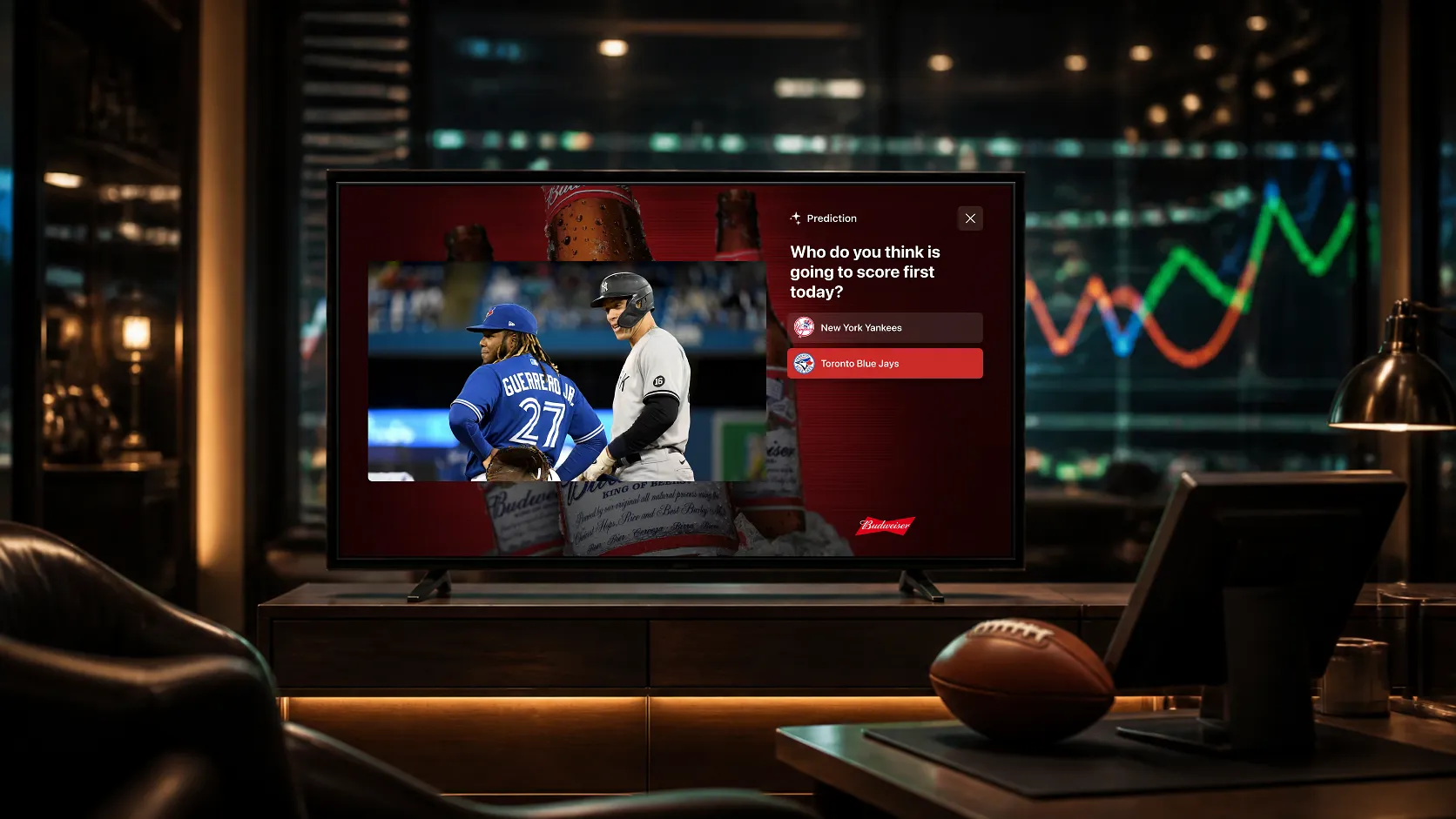
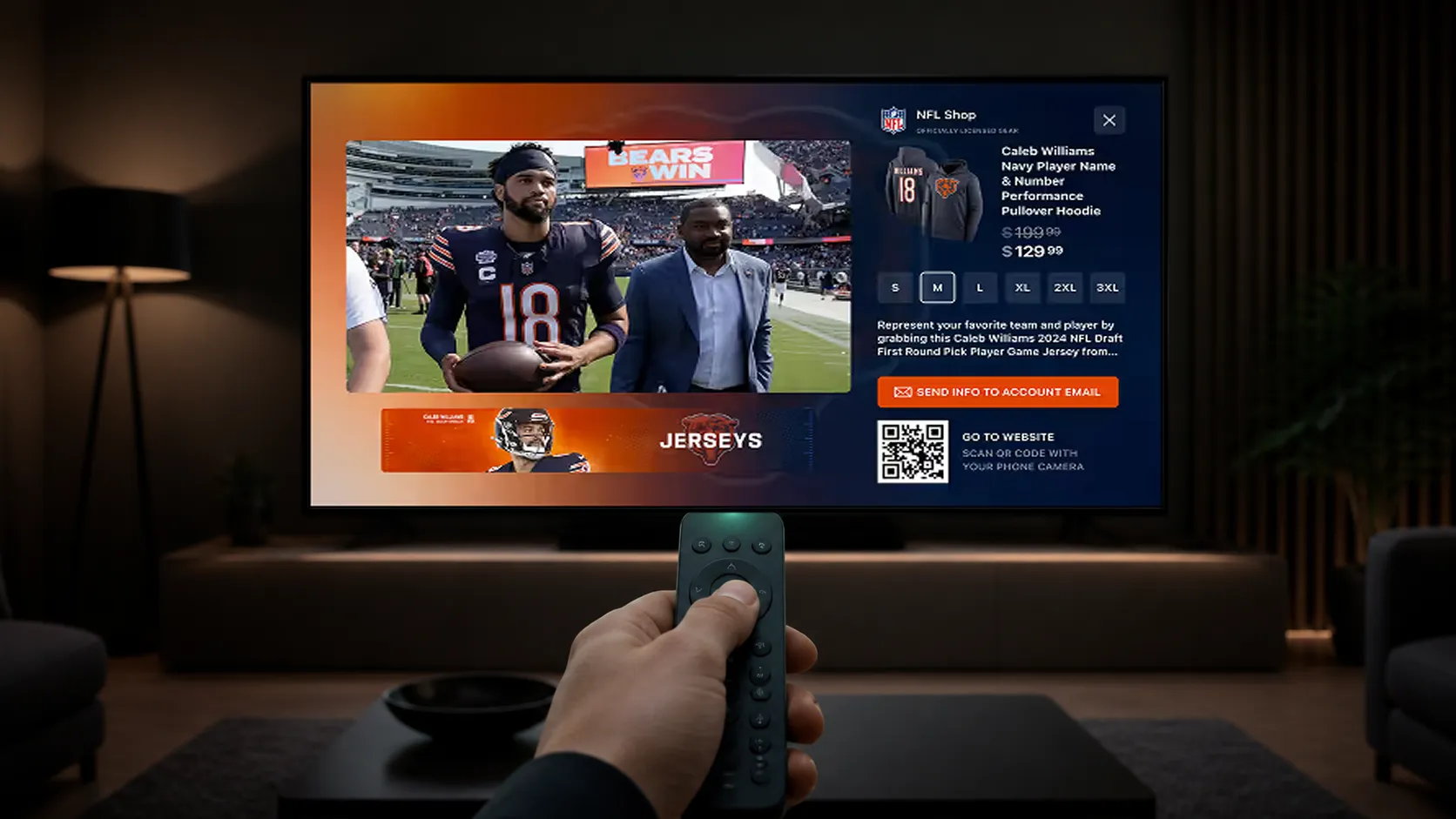
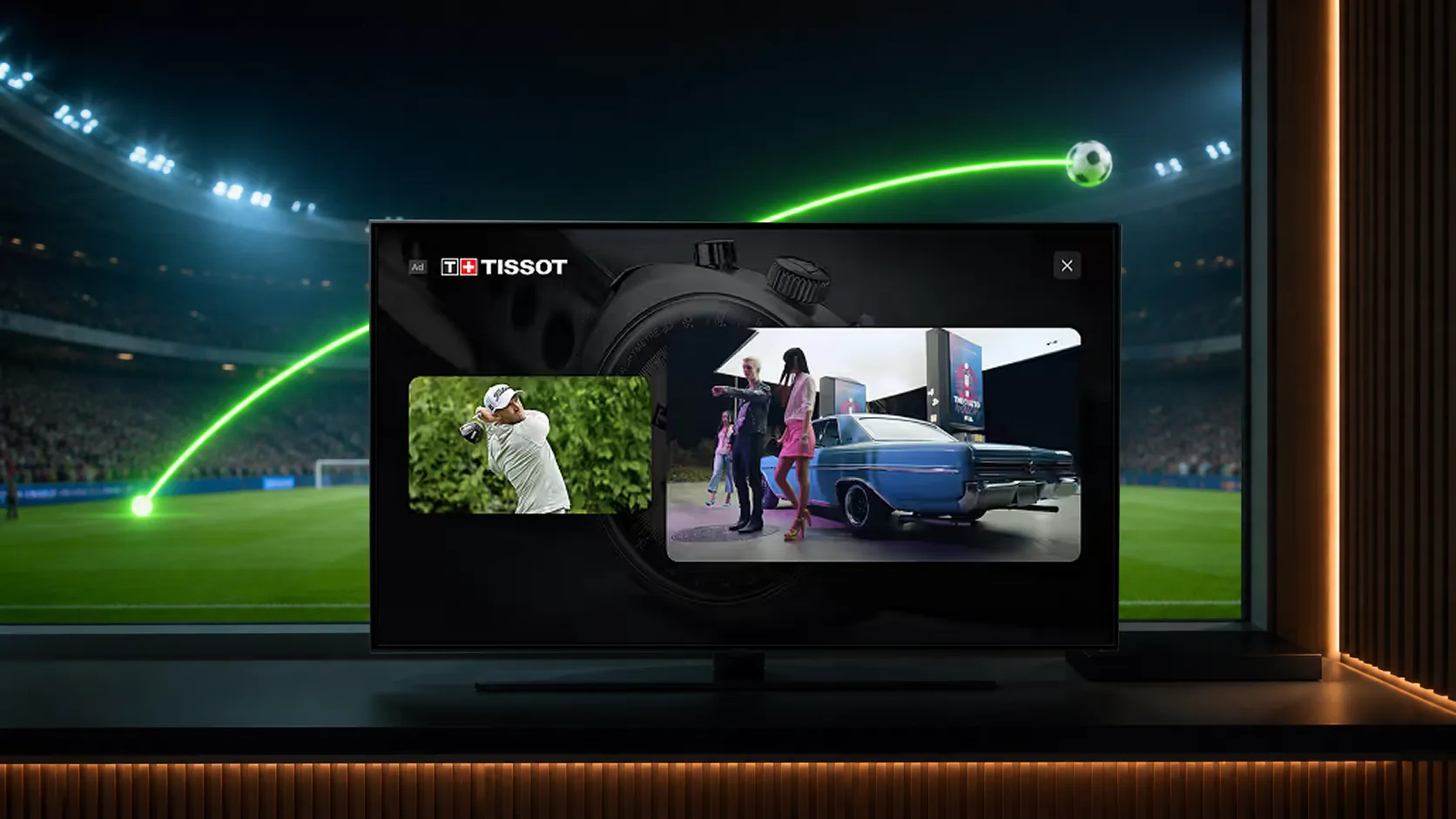
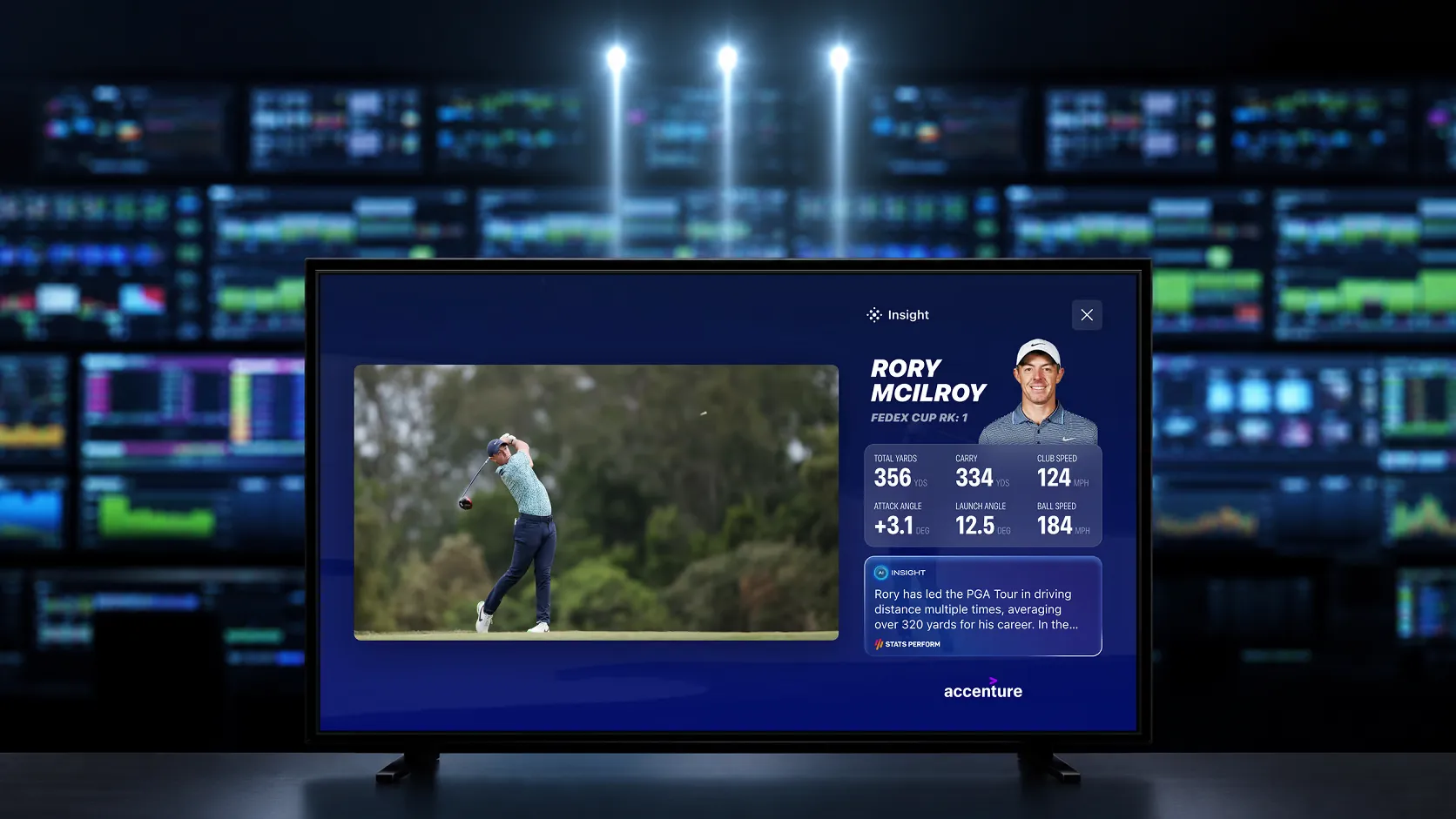
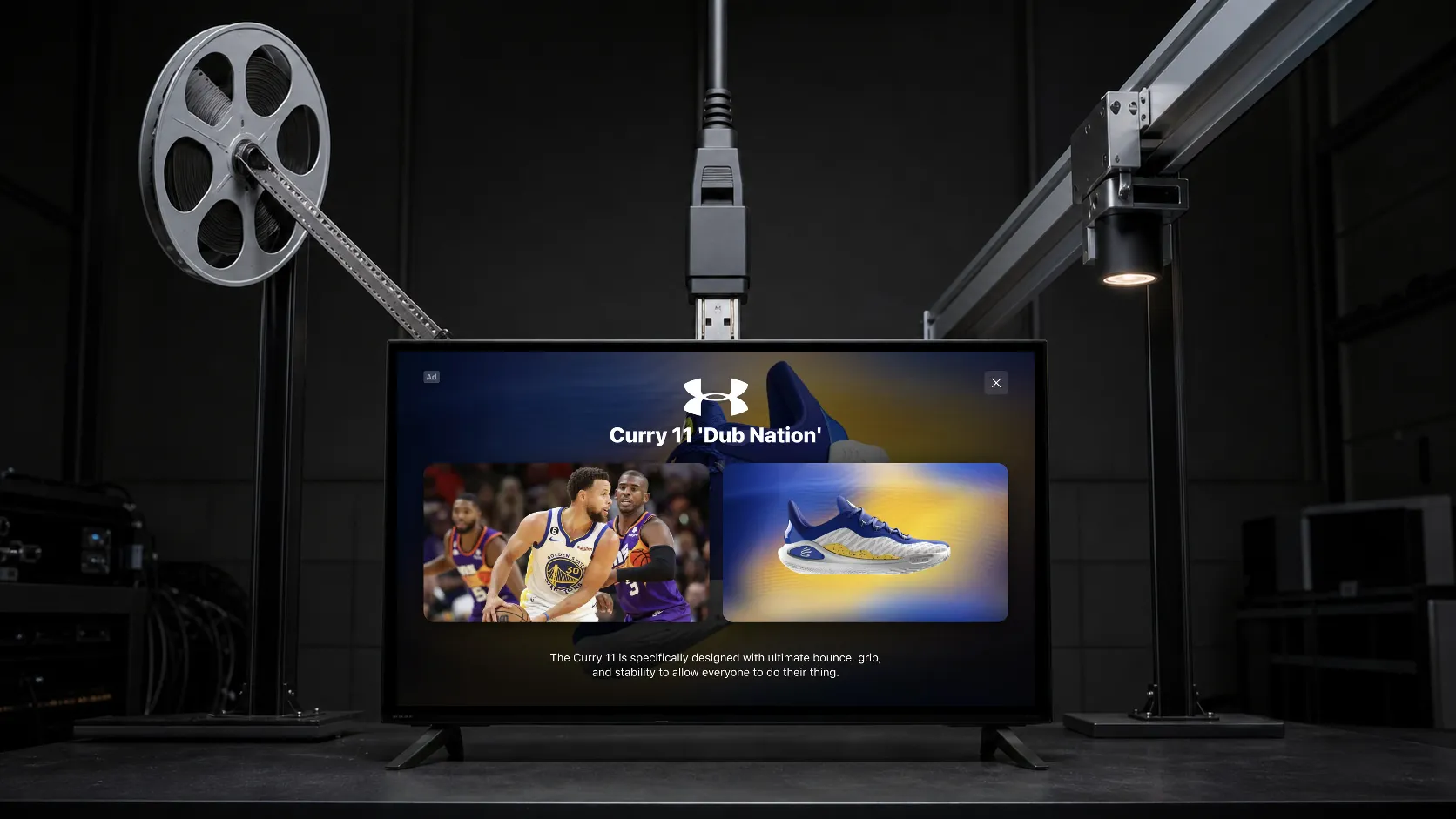
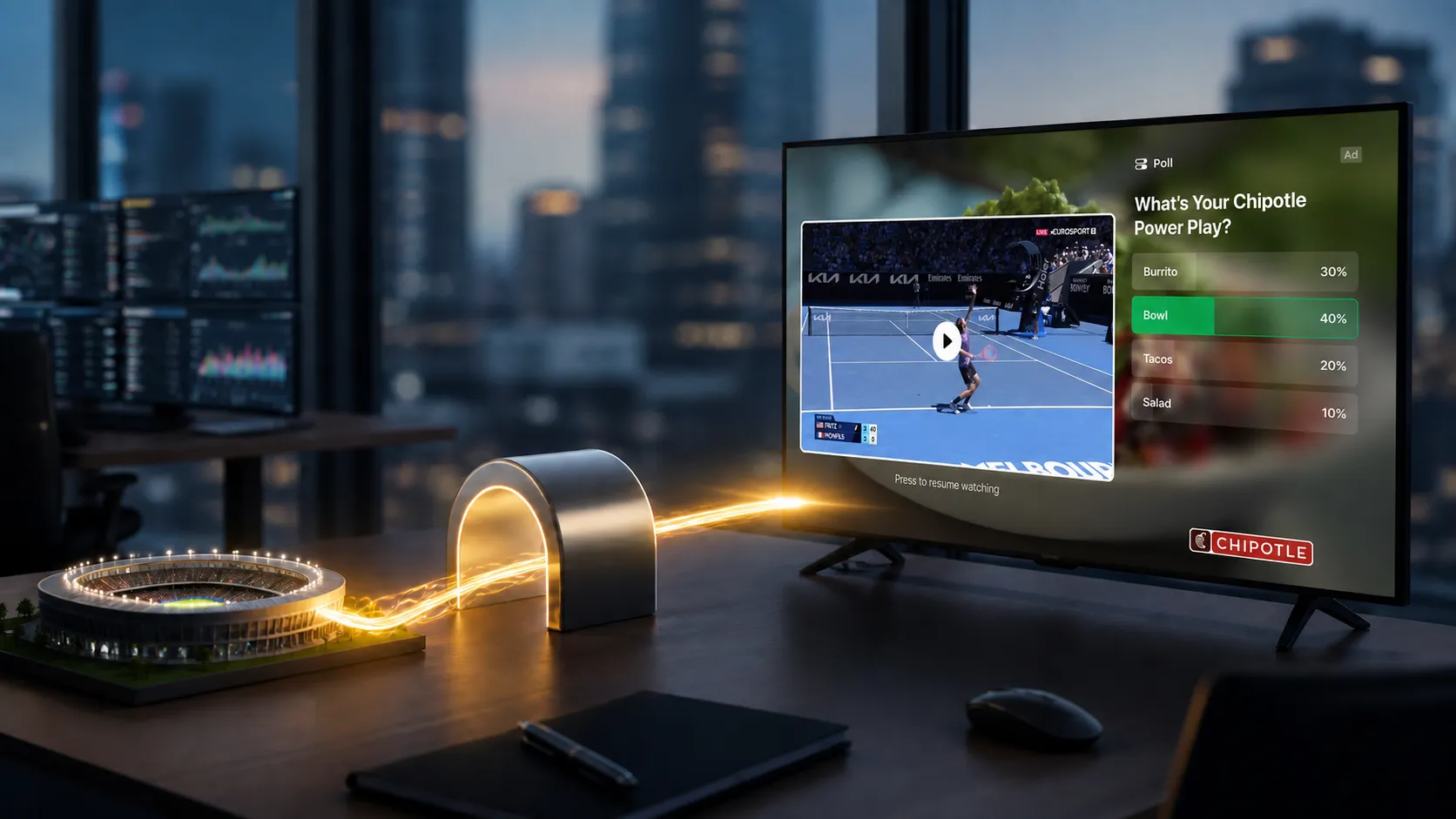
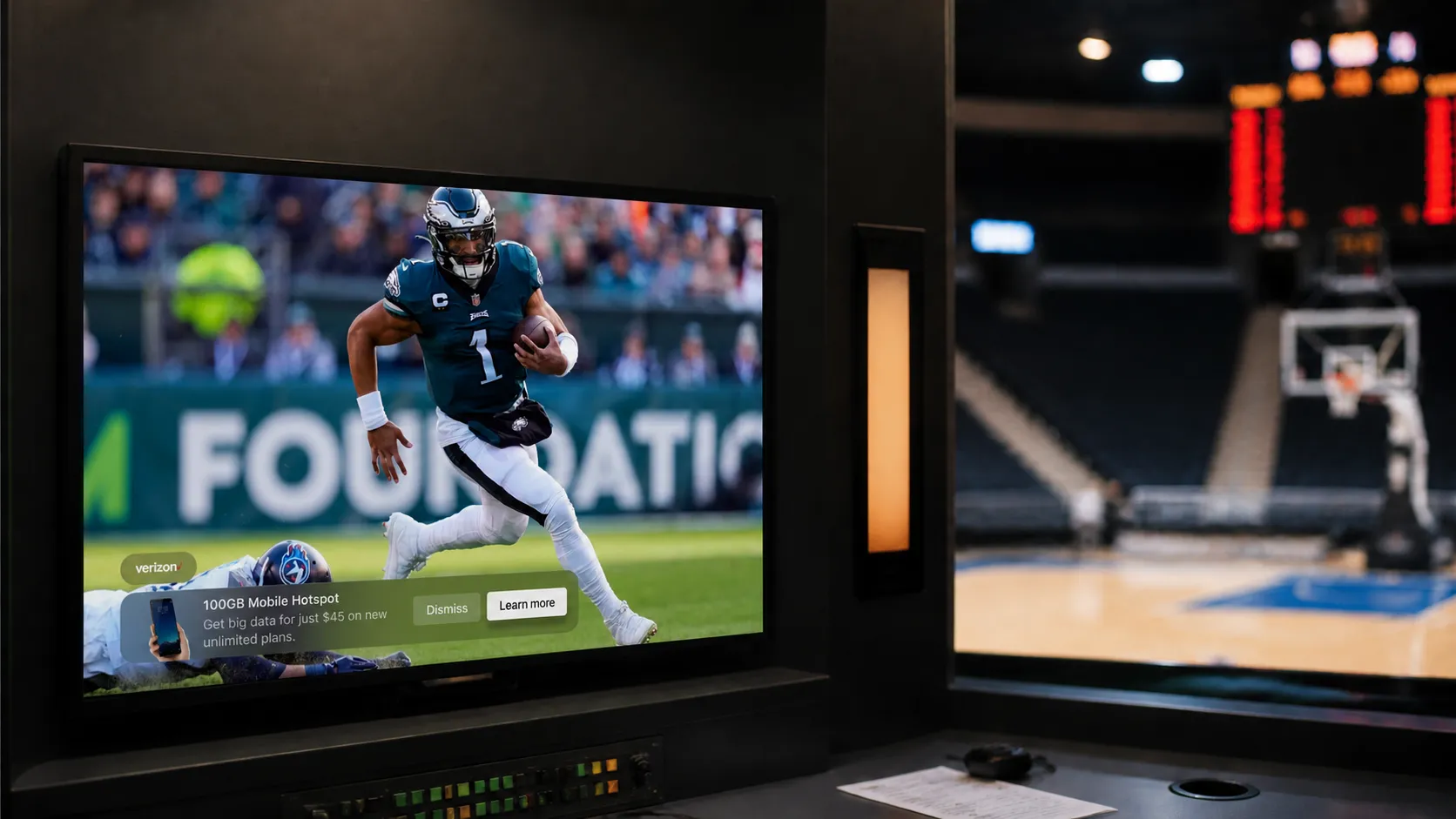
StreamLayer SGAI focuses on server-orchestrated, SDK-rendered advertising alongside the existing stream. Its core products are Live Moment Ads, Pause Ads, and Interactive SSAI.
Test the actual device and format combination
Build a device matrix ordered CTV, mobile, then web. Validate remote focus, touch or pointer input, text readability, video resizing, audio, and closing behavior. A general platform logo does not establish every format and action on every device.
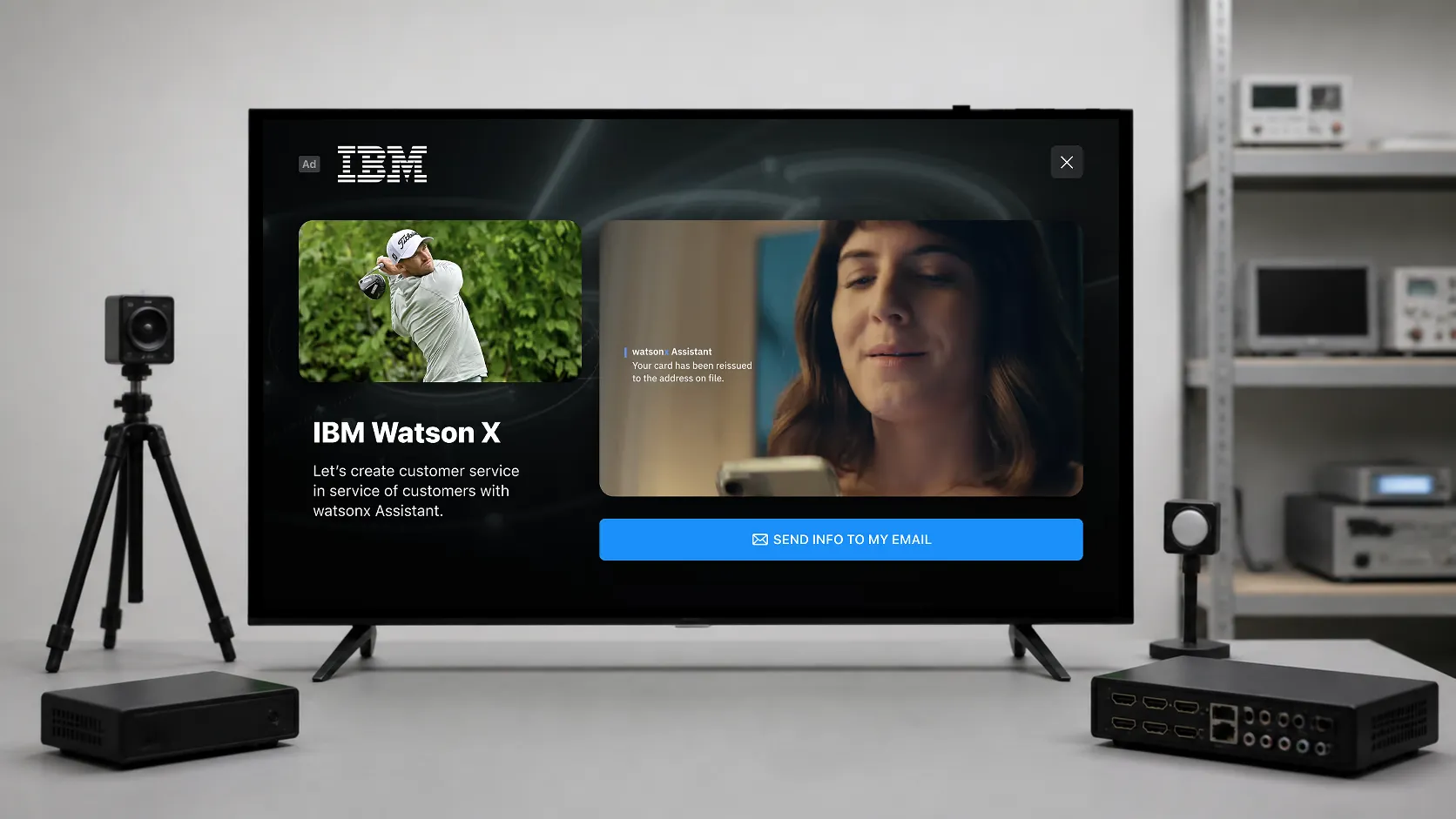
For nonlinear layouts, identify who controls the player and where the interactive view is mounted. For SSAI companions, establish the ad metadata and synchronization signals required.
Check publisher controls
Inspect event eligibility, pacing, frequency, suppression, and creative closing rules. Ask how the system behaves when data is late, a campaign is unavailable, or the viewer changes playback state.
For live sports, assess the supplied event data and contextual qualification separately from video delivery. A candidate moment should still pass publisher protections before activation.
Verify demand and reporting
Confirm the direct-sold and programmatic workflows intended for the launch, including creative requirements and responsibilities across the ad server, SSP, and DSP. An integration does not guarantee paid fill or premium CPMs.
Ask for reporting examples that distinguish video impressions, companion renderings, interactions, and downstream outcomes. Agree on the commercial counting method and how discrepancies are investigated.
Assess integration effort using evidence
Review documentation for the actual player and SDK version. Public integration documentation can establish a starting point, but pre-integration does not eliminate configuration, creative setup, device validation, or launch testing.
For example, an existing player integration may reduce implementation work while still requiring event identifiers, advertising configuration, and campaign validation. Confirm those requirements for your deployment.
Compare total value in a pilot
Include platform fees, creative work, delivery costs, support, and operating effort. Set acceptance criteria for playback, campaign delivery, measurement, viewer response, and net revenue before expanding.
Use the StreamLayer integration guide to prepare a scoped discussion and request a demonstration of your intended use case.