Event-Triggered Programmatic Ads: Integration and Responsibilities
Updated September 8, 2026 · StreamLayer
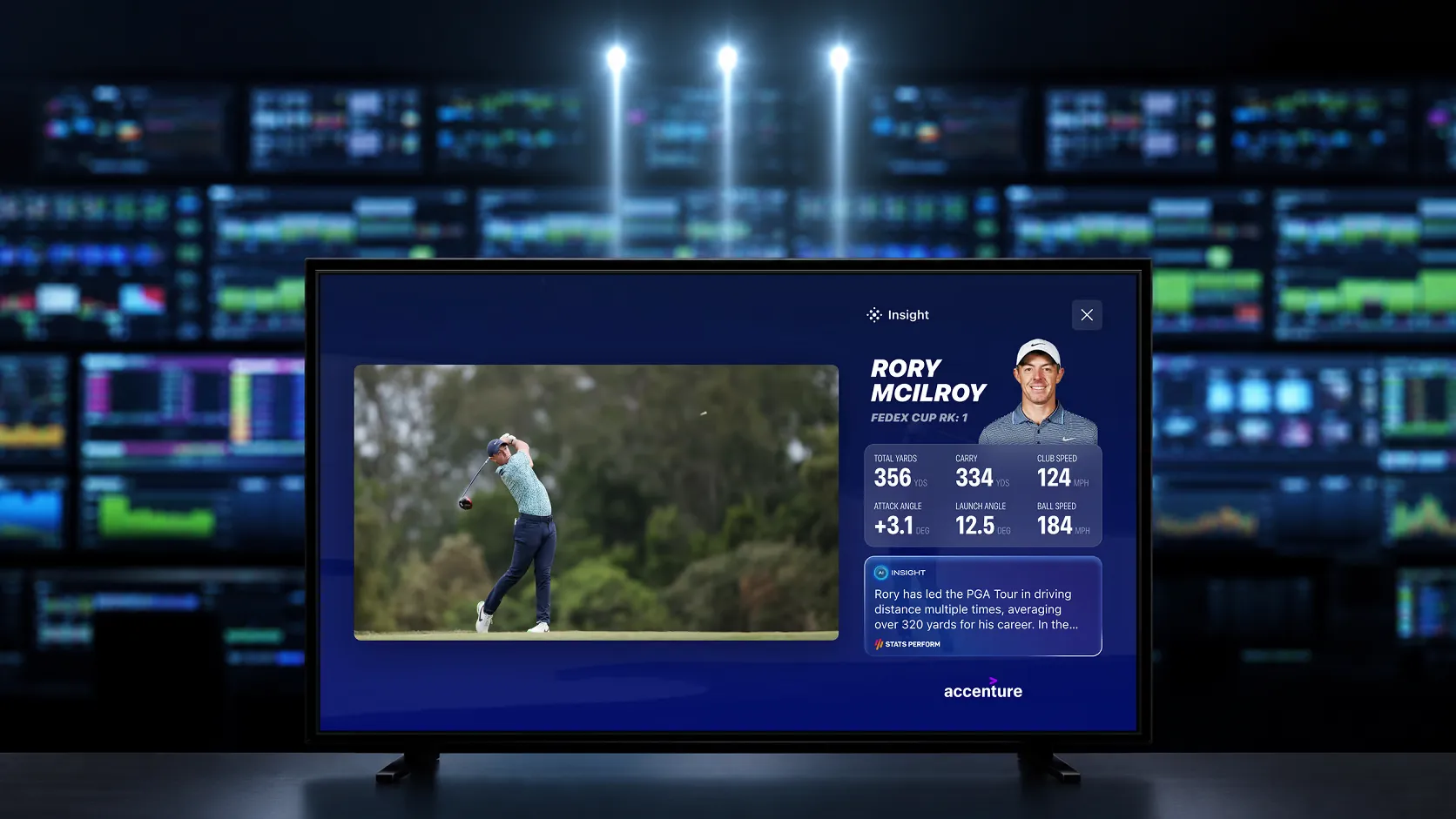
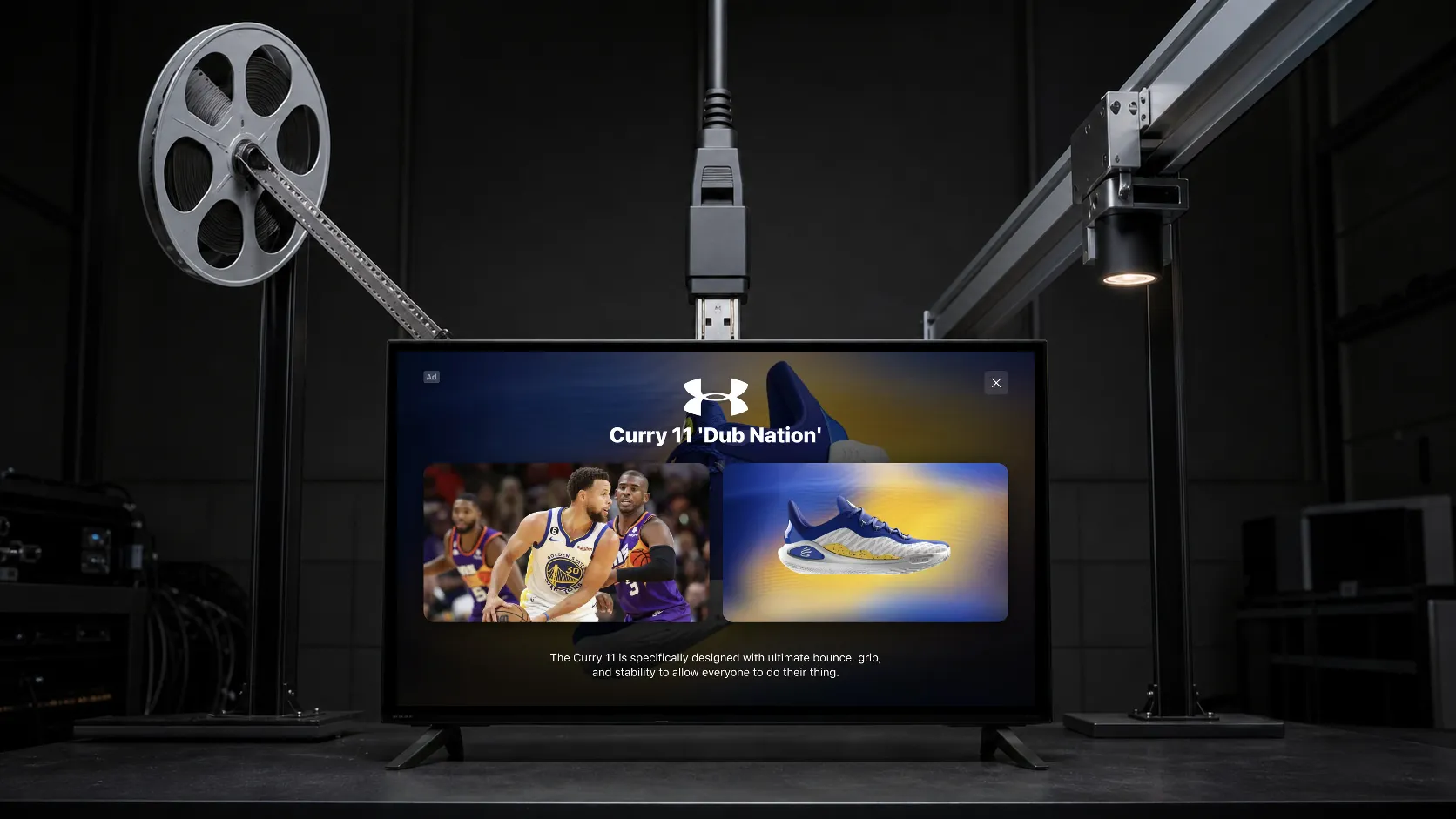
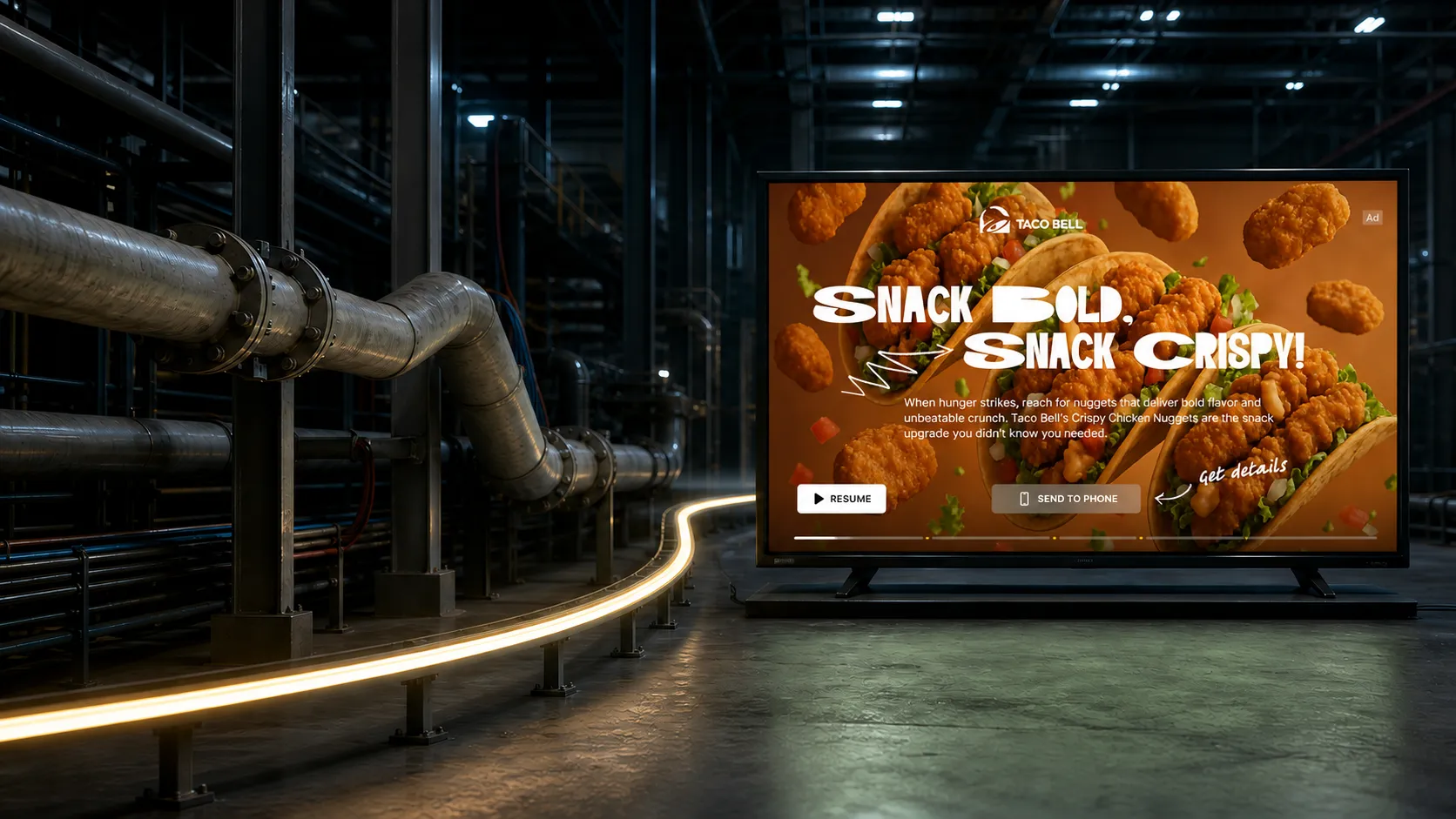
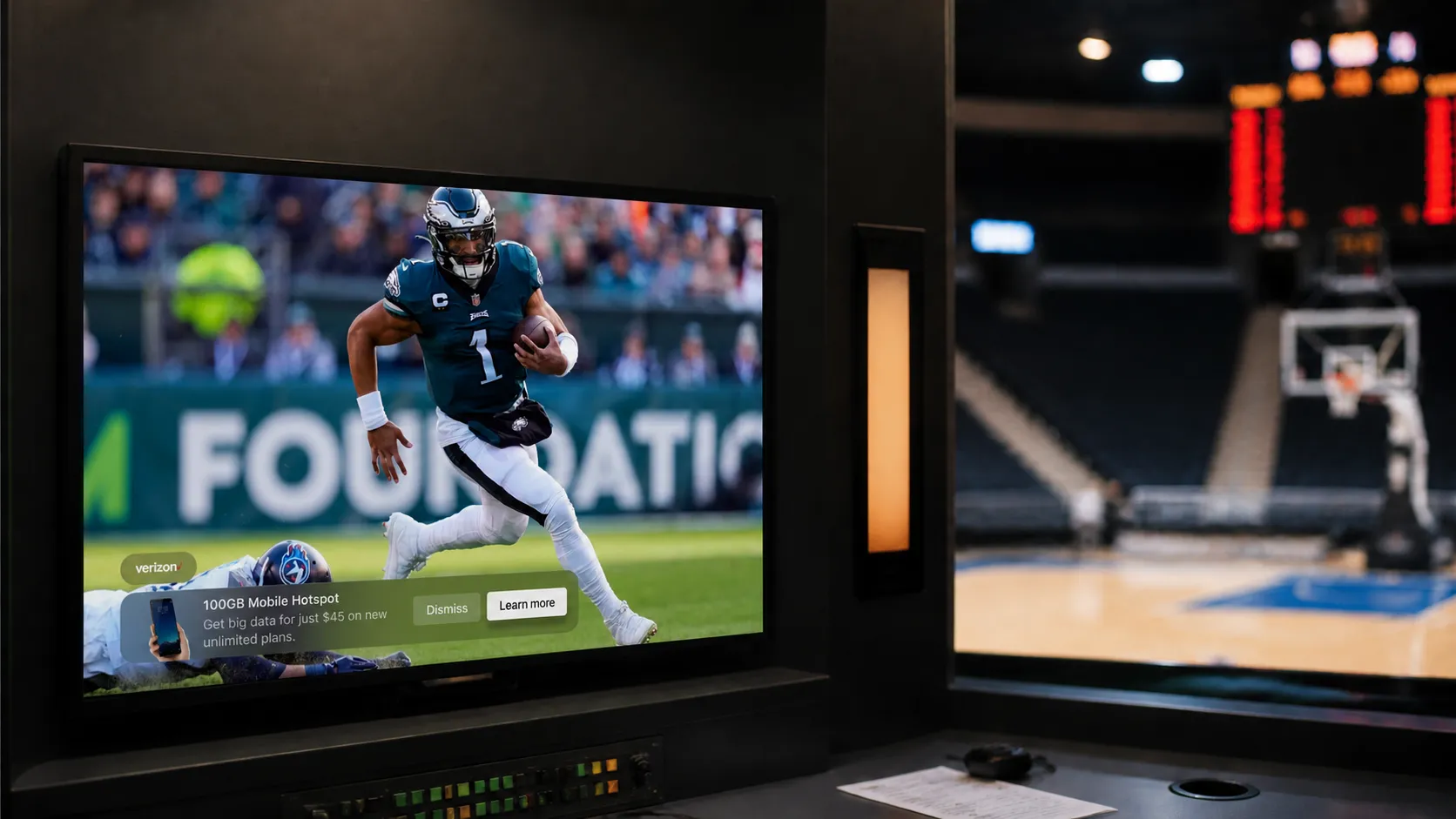
Event-triggered programmatic advertising connects a qualified live moment with an advertising opportunity. StreamLayer can supply event context and render the interactive experience, while the configured advertising stack handles the relevant decisioning and buying workflow.
What happens when a live event creates an opportunity?
A live data signal or configured trigger identifies a candidate moment. Publisher rules determine whether activation is appropriate, considering timing, pacing, content, and existing advertising commitments. A candidate event does not automatically become a sellable impression.
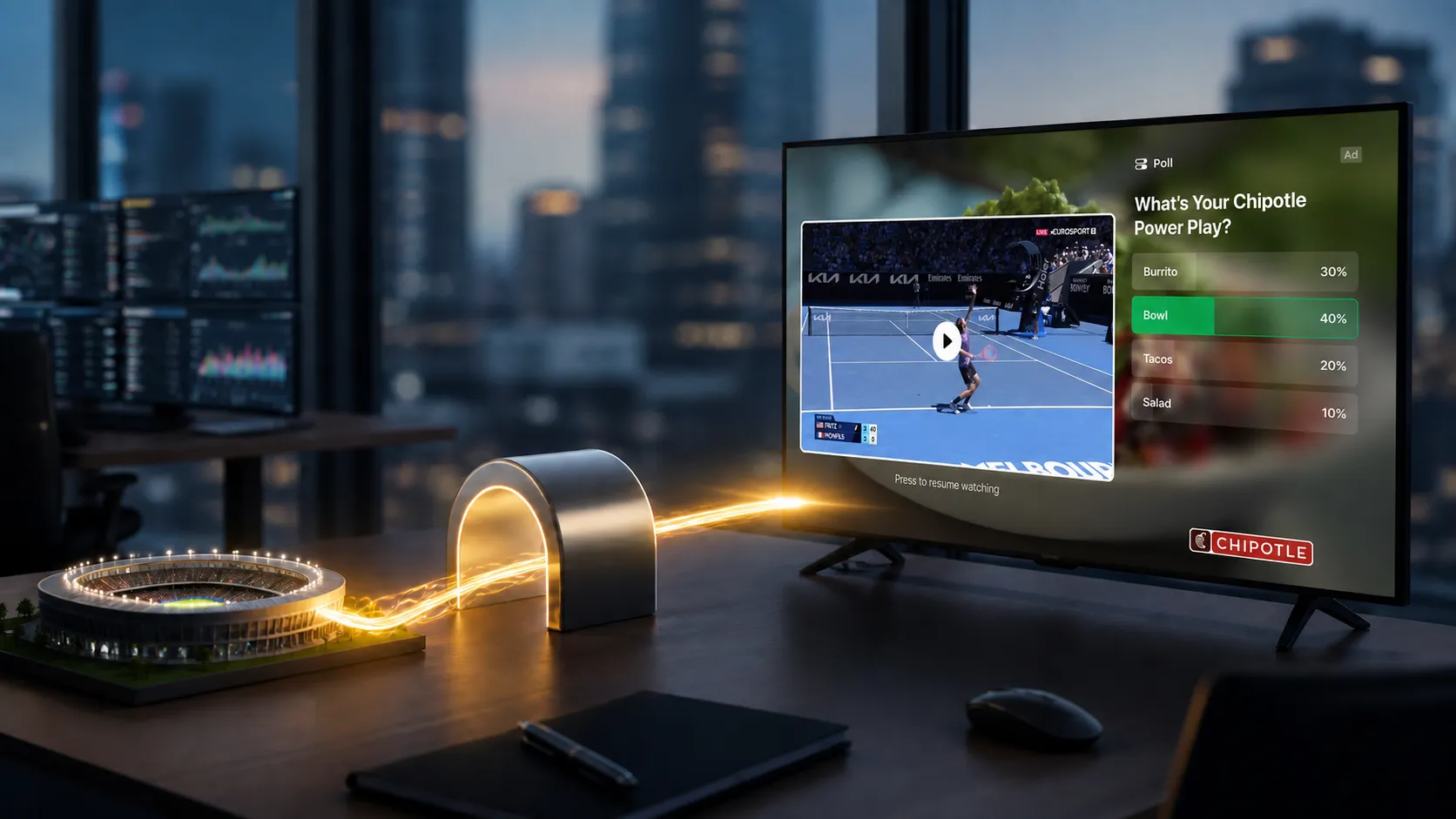
When the opportunity is eligible, the configured integration requests an ad through the applicable ad service or supply path. An SSP can run an auction with DSPs; direct-sold delivery follows the campaign’s configured rules. StreamLayer is not a replacement for those systems.
What should be verified for Google Ad Manager or another ad server?
Confirm the actual inventory setup, creative format, request parameters, demand access, and tracking events. Do not assume that every contextual field is available for buyer targeting or that every nonlinear format is supported through every buying route.
A connection to an ad server does not guarantee fill, a higher clearing price, or unified conversion attribution. Those outcomes depend on the configured demand, eligibility, campaign, and measurement integrations.
How is the experience rendered?
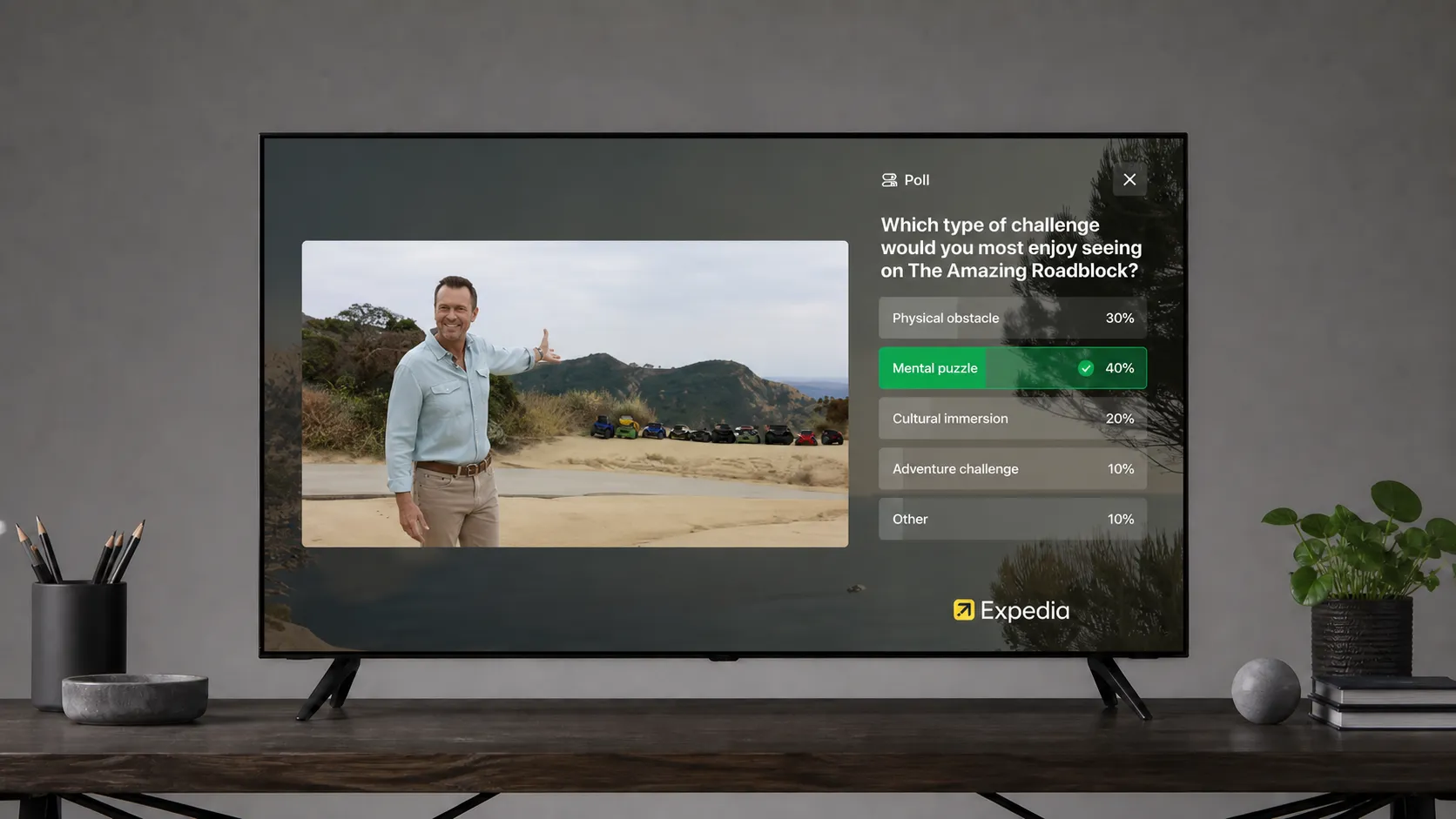
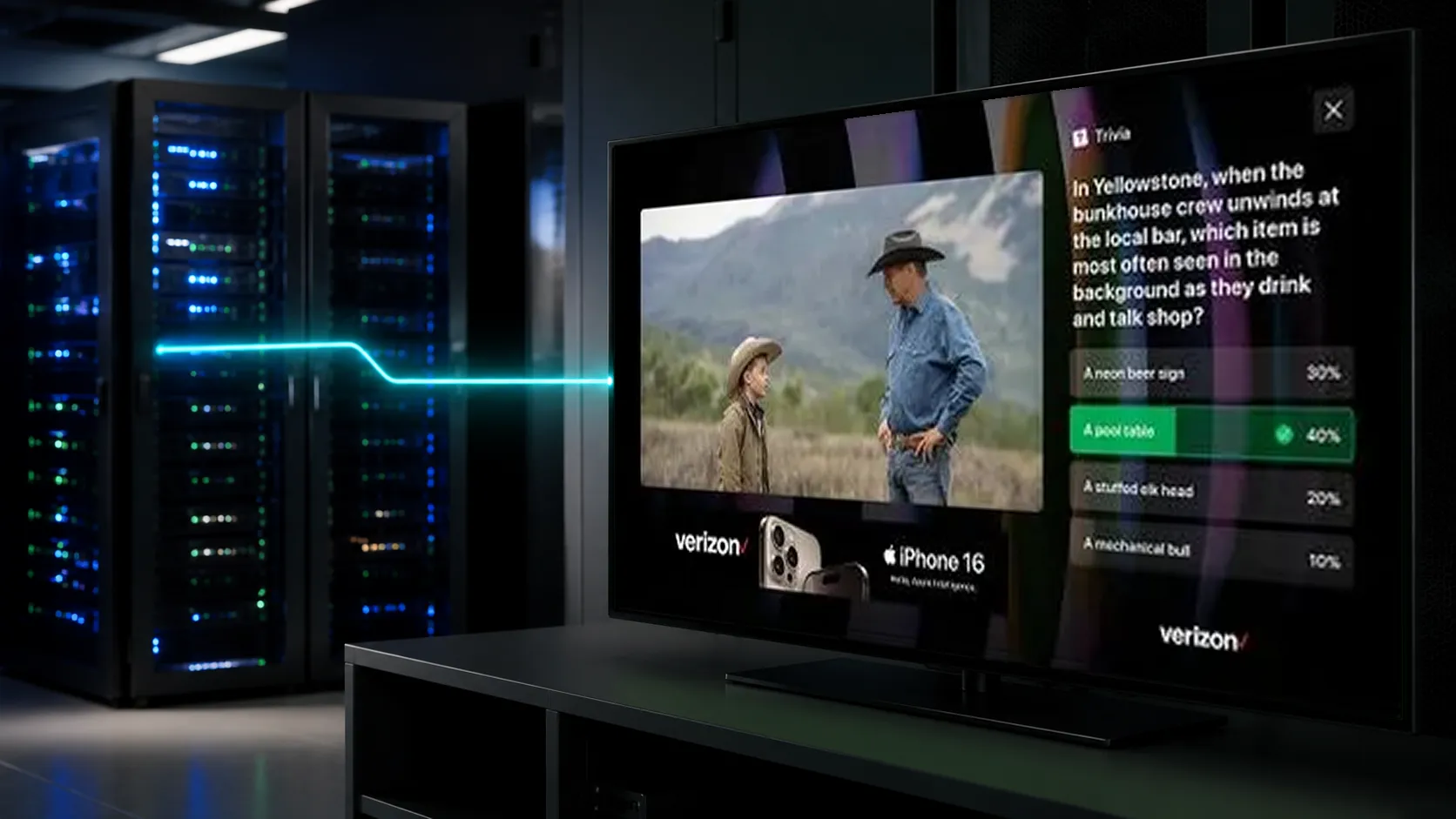
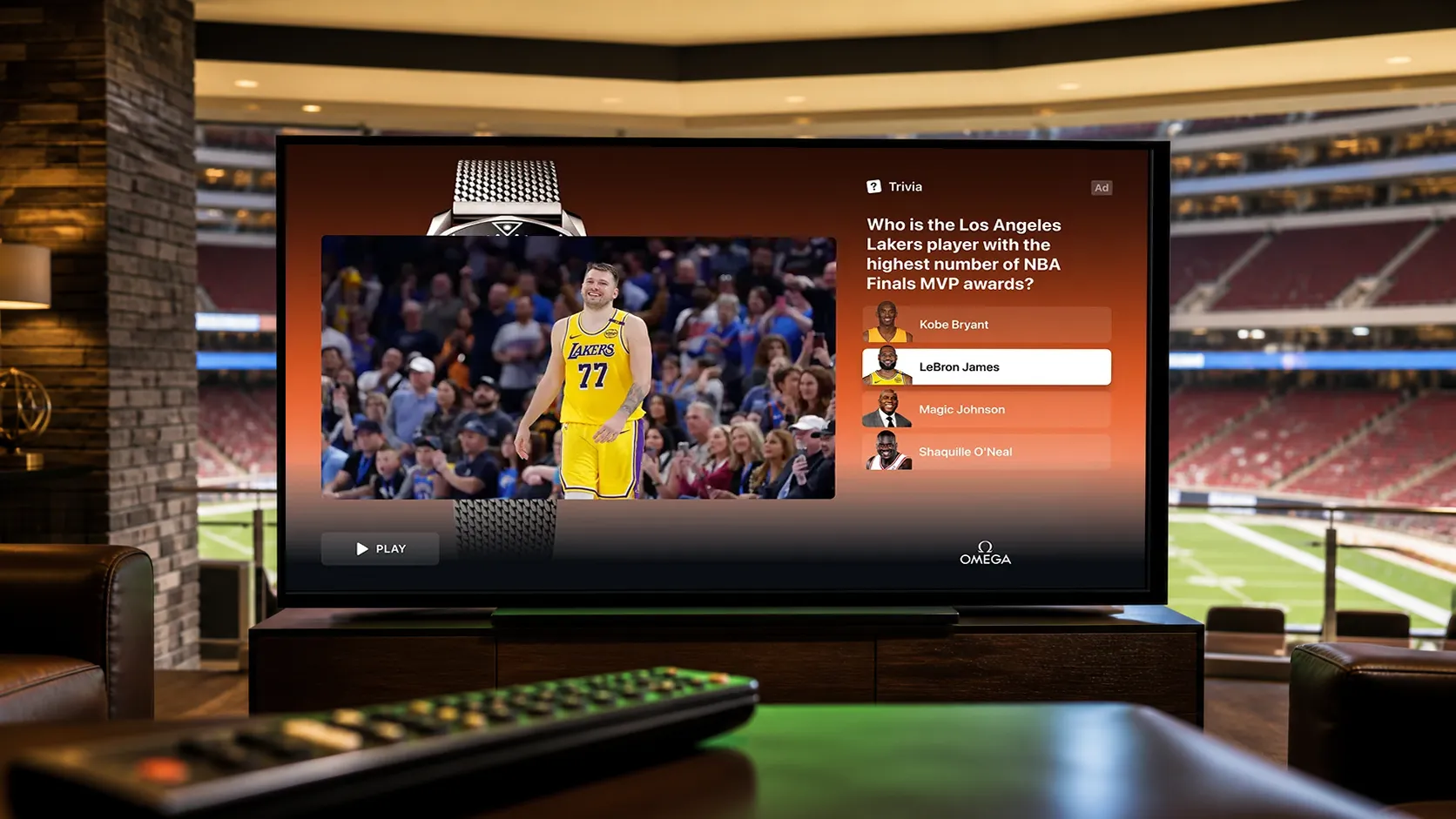
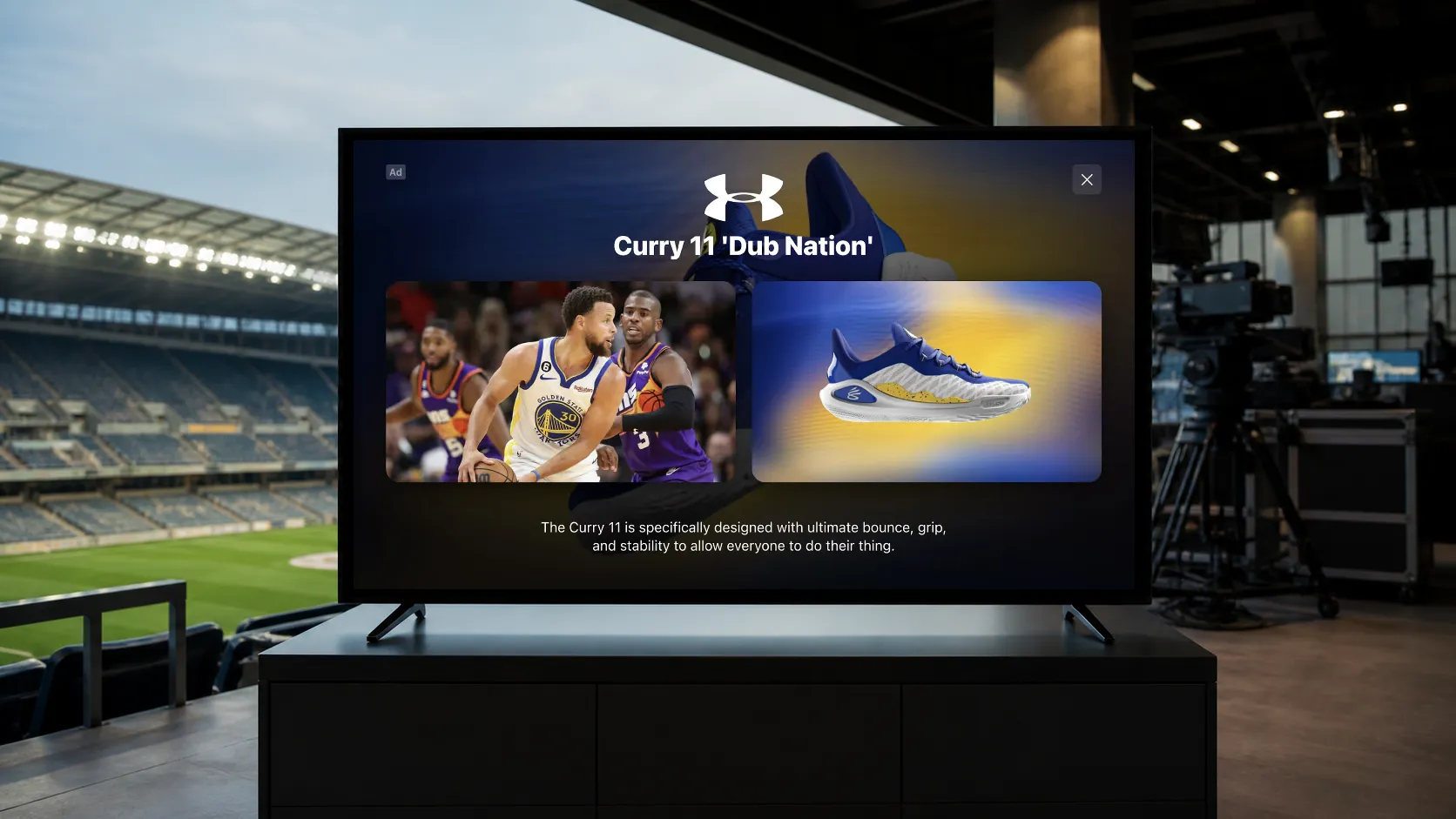
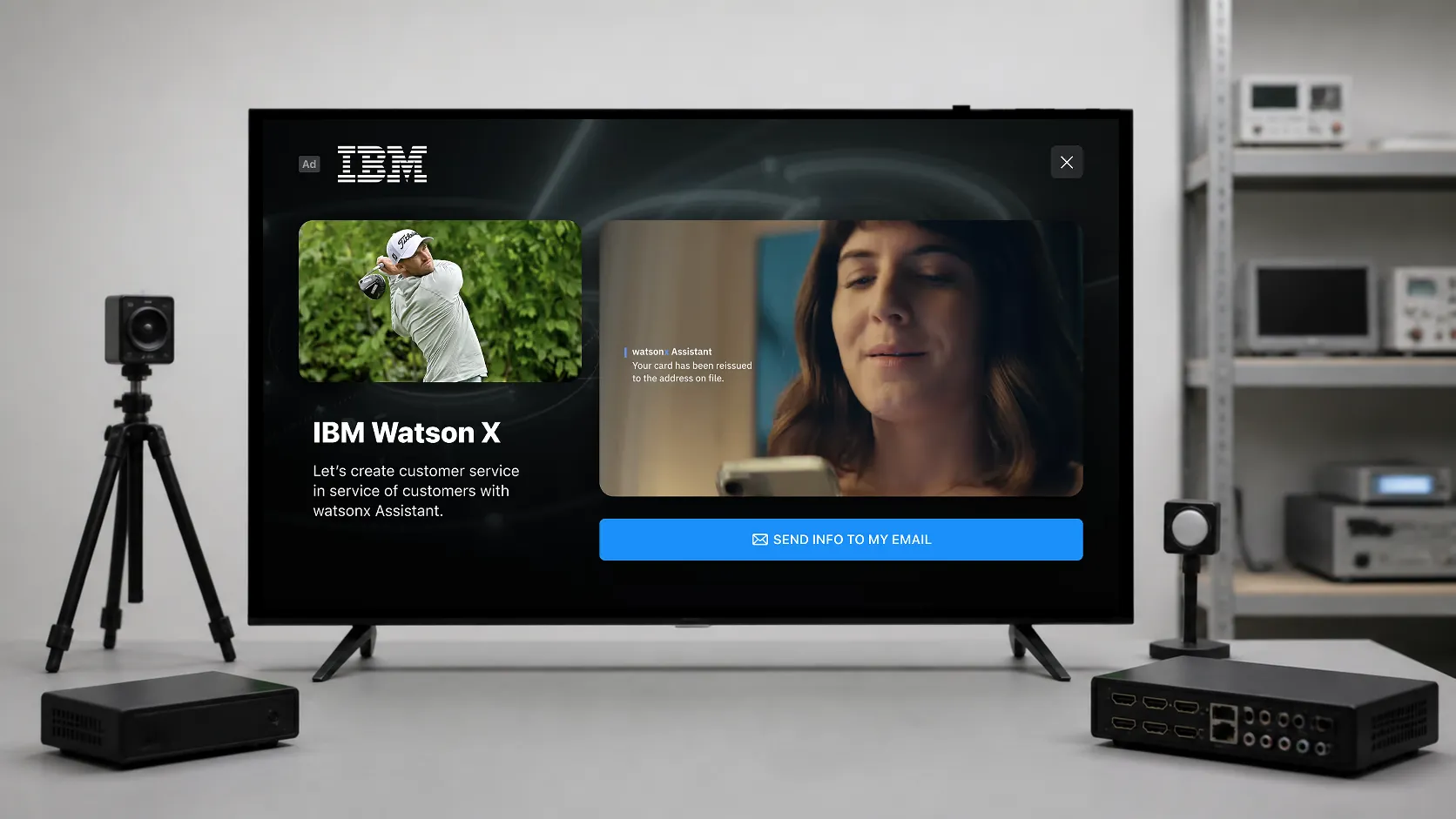
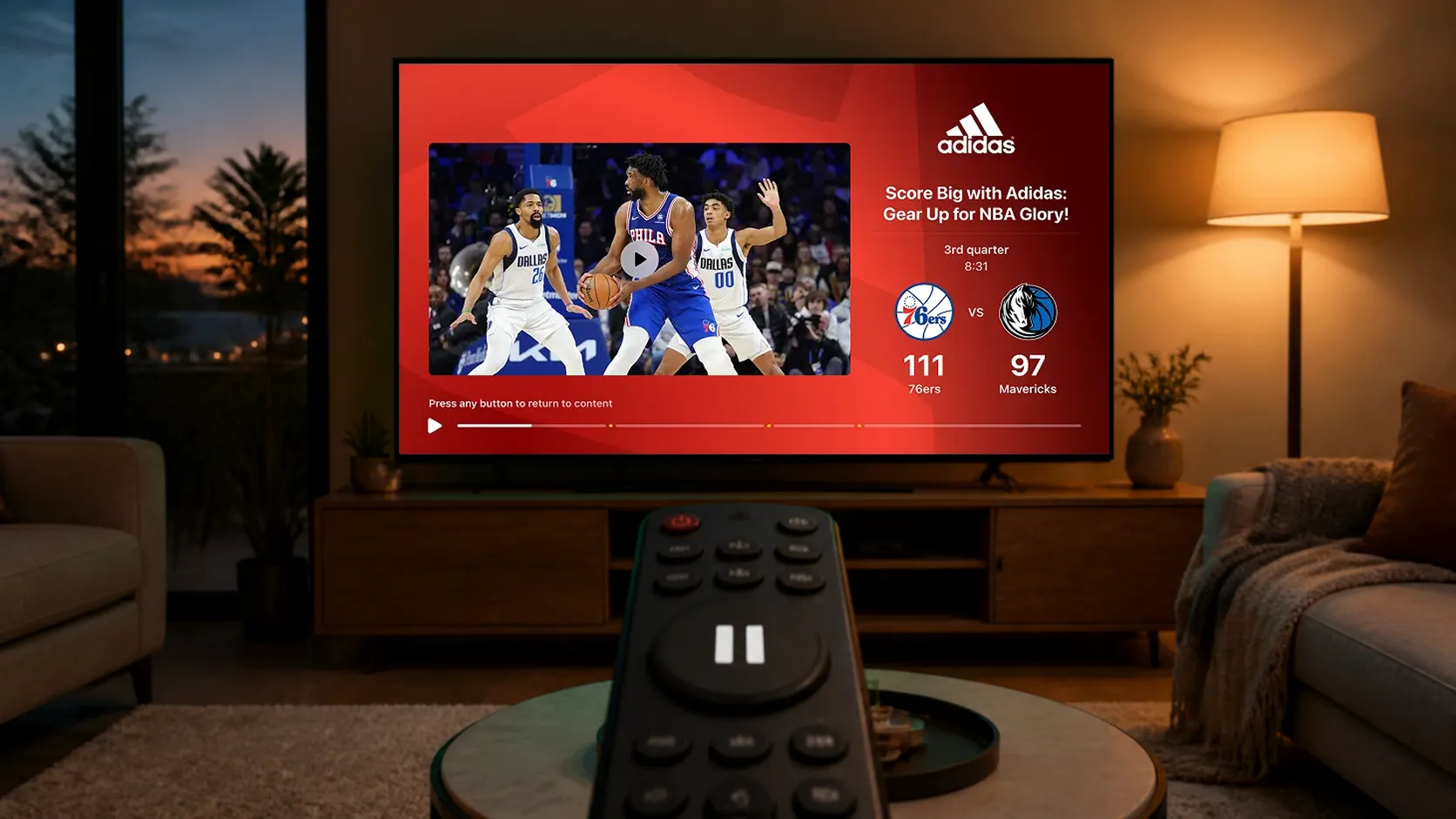
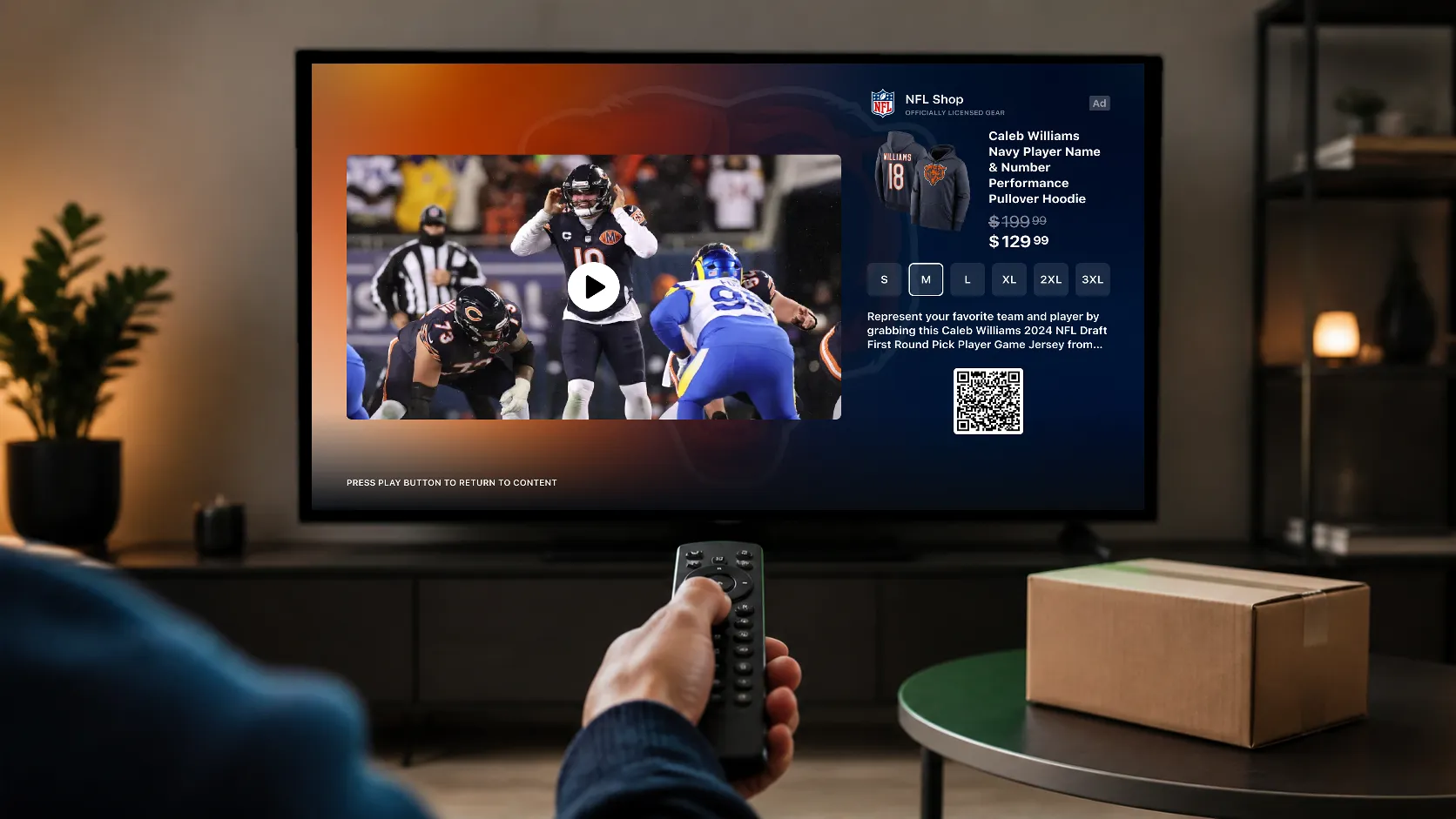
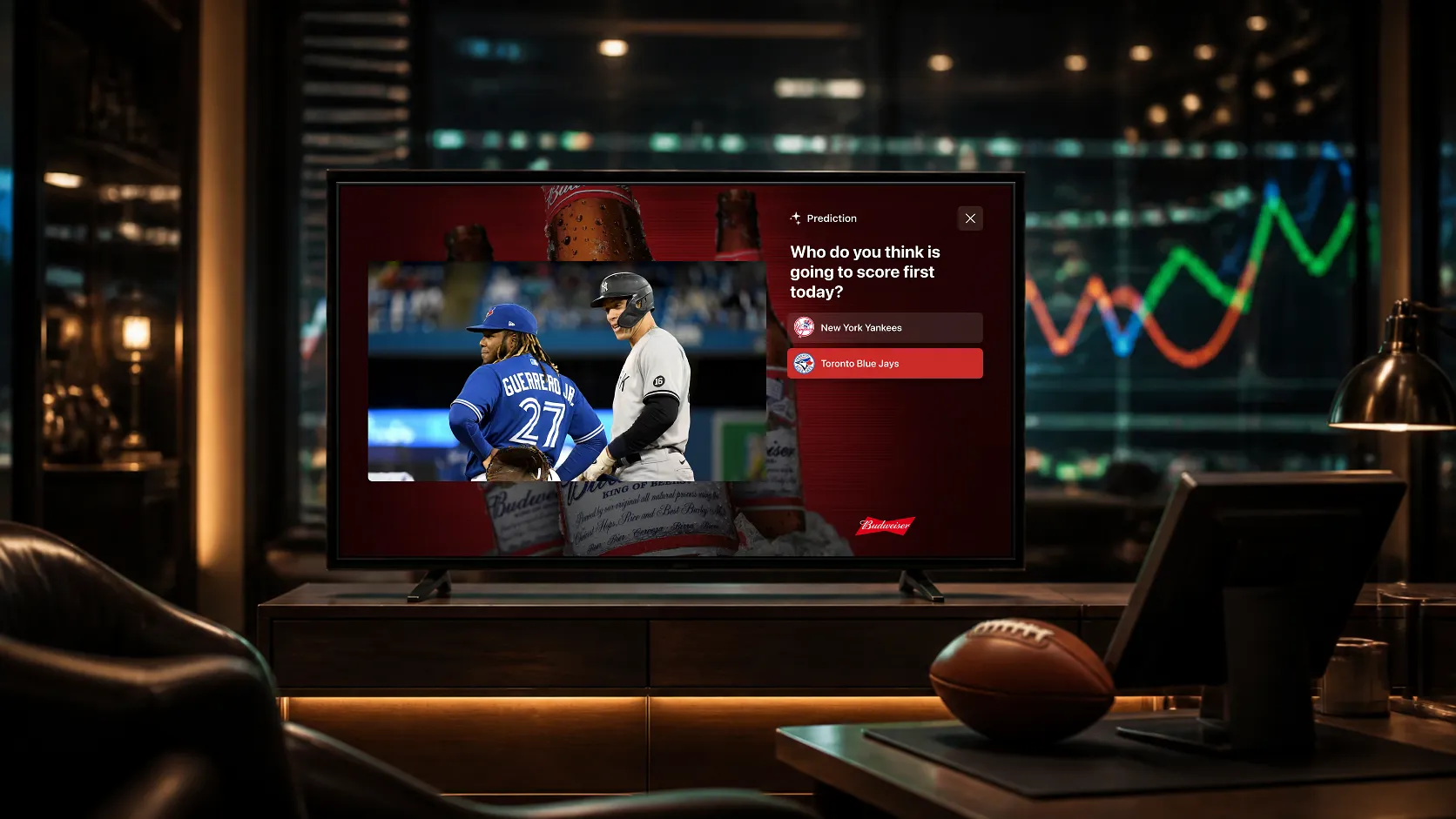
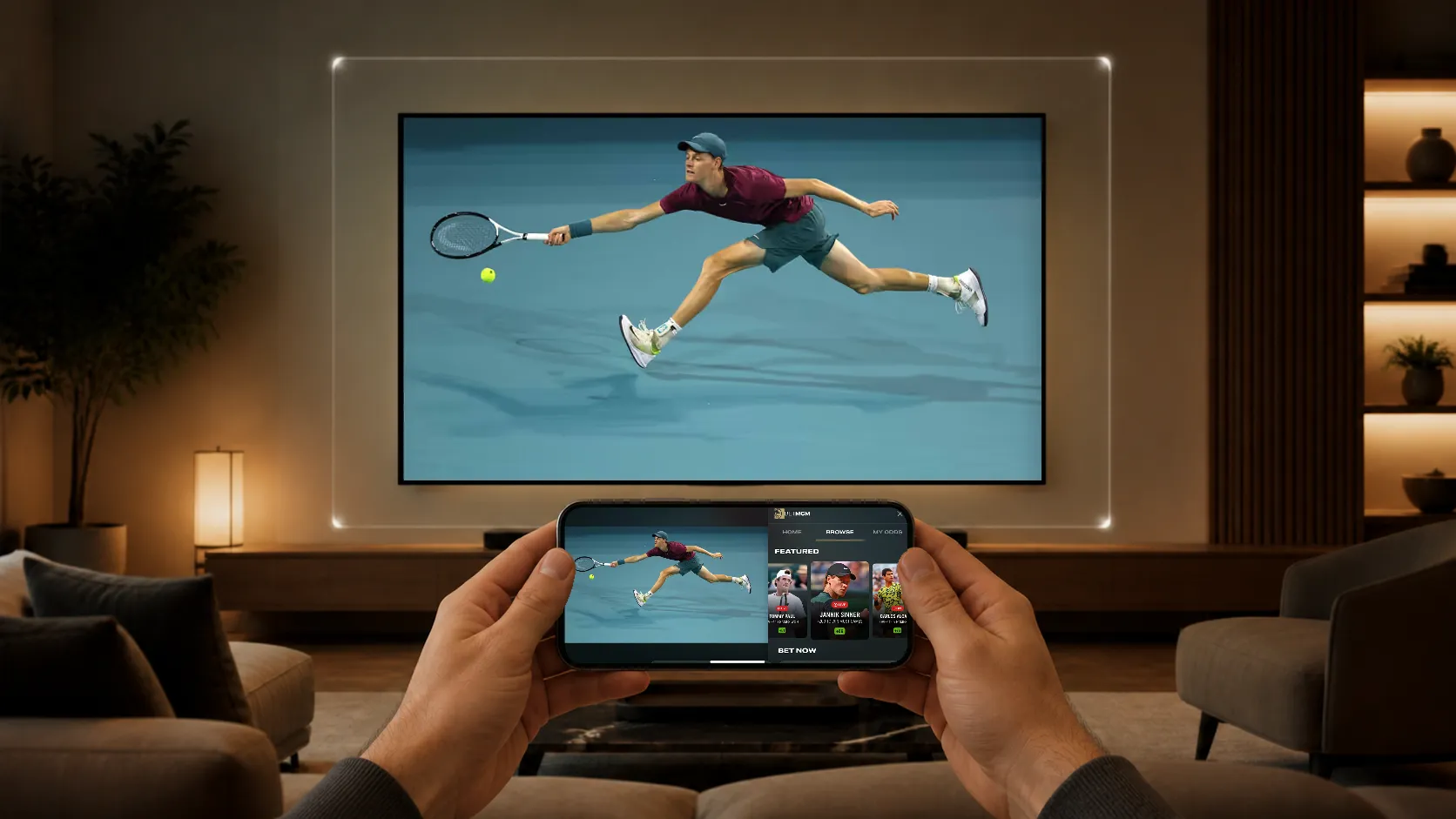
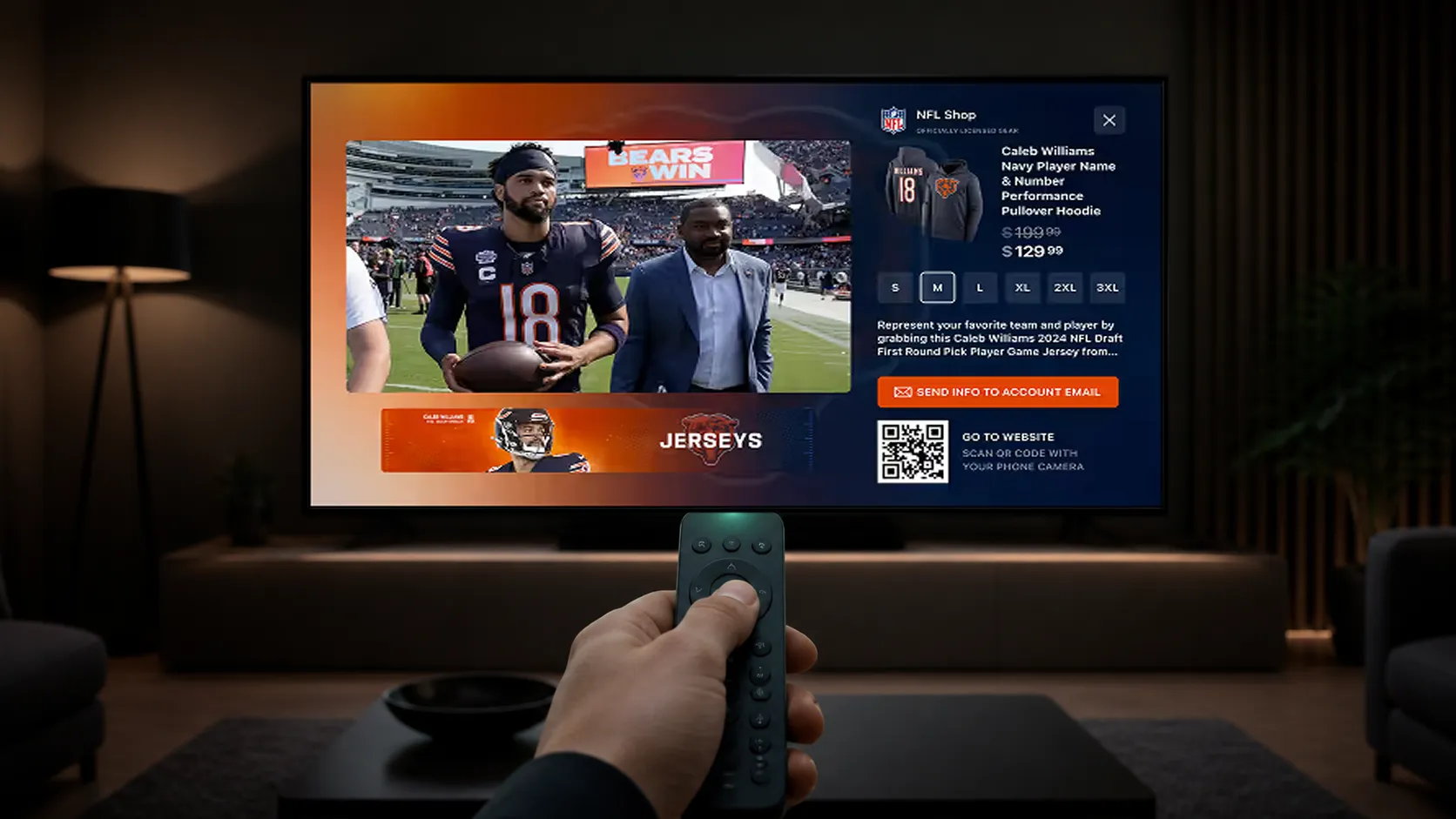
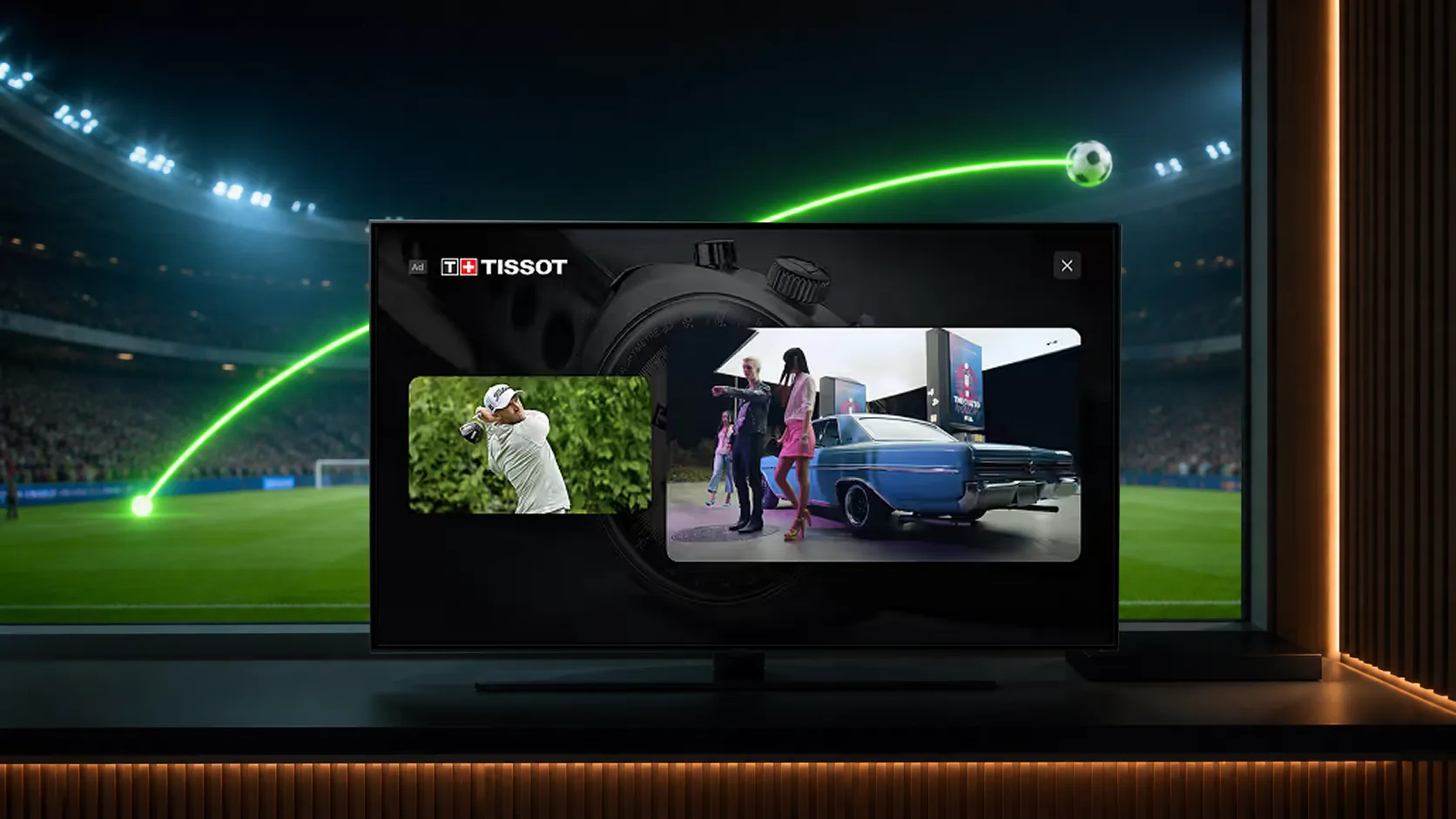
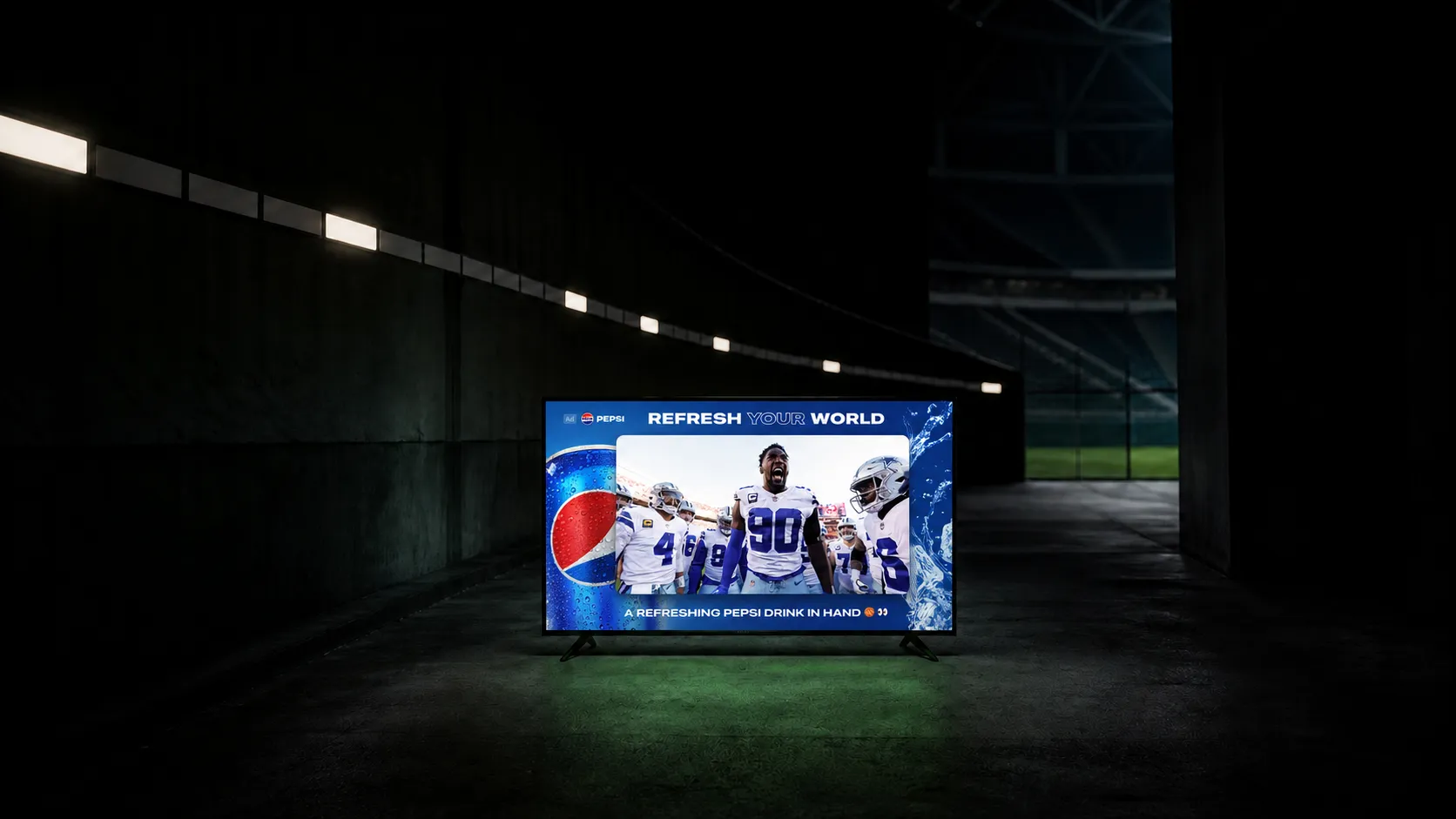
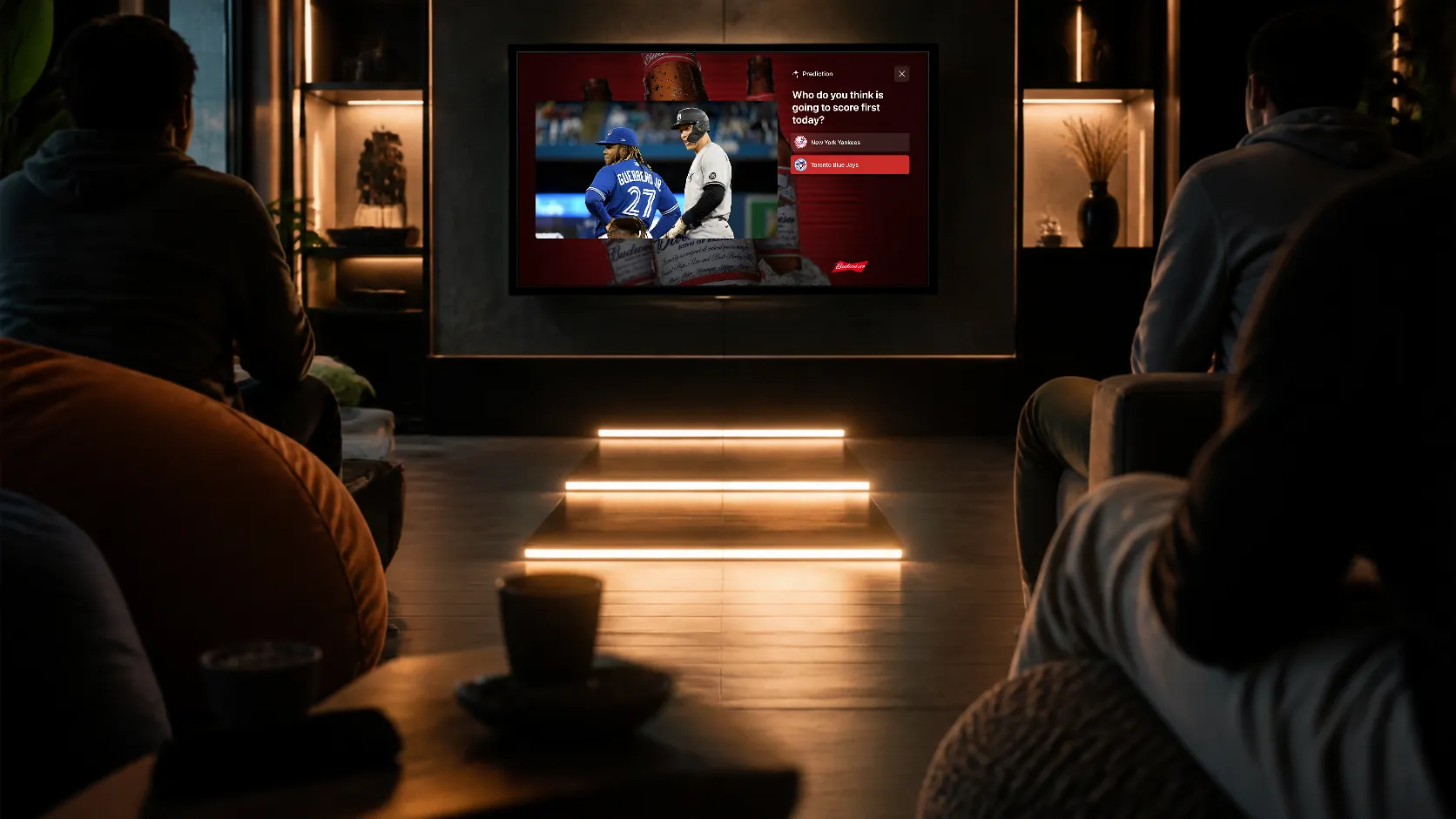
StreamLayer SGAI uses server-side orchestration and the StreamLayer SDK to present interactive advertising inside the streaming app. The host app controls player layout. The underlying video stream stays unchanged.
Where an existing SSAI video ad is involved, Interactive SSAI can add a synchronized companion experience. The video delivery platform continues handling the commercial.
Who owns each part of the integration?
The publisher defines inventory rights, pacing, and viewer protections. The app team implements SDK behavior and player coordination. Advertising operations configures campaigns, demand, and creative eligibility. The participating systems must agree on request, impression, interaction, and error reporting.
Document timeouts and suppression behavior so a late or unavailable ad does not interrupt the program. Validate each intended CTV, mobile, and web environment.
How should a publisher begin?
Start with one supported format and a limited set of events. Validate delivery and reporting before expanding demand. Compare realized net revenue and viewer outcomes with the existing business, rather than projecting revenue from every available minute.
Discuss the integration requirements for a Live Moment Ads pilot.