SGAI for Streaming Publishers: How to Evaluate and Implement It
Updated September 8, 2026 · StreamLayer
What is server-guided ad insertion?
Server-guided ad insertion (SGAI) combines server-side guidance with client-side ad presentation. It describes an architectural approach, not one universal implementation. A publisher should ask how a specific system signals opportunities, selects creative, renders the experience, and reports delivery before comparing vendors.
How do SGAI implementations differ?
Some implementations guide video-ad playback through manifests and separate ad playlists. For example, AWS MediaTailor documents a guided mode that references separate ad playlists. Other implementations use server orchestration and a client SDK to present advertising alongside the video. These approaches can solve different problems; the shared acronym does not establish identical features or device support.
What is StreamLayer SGAI?
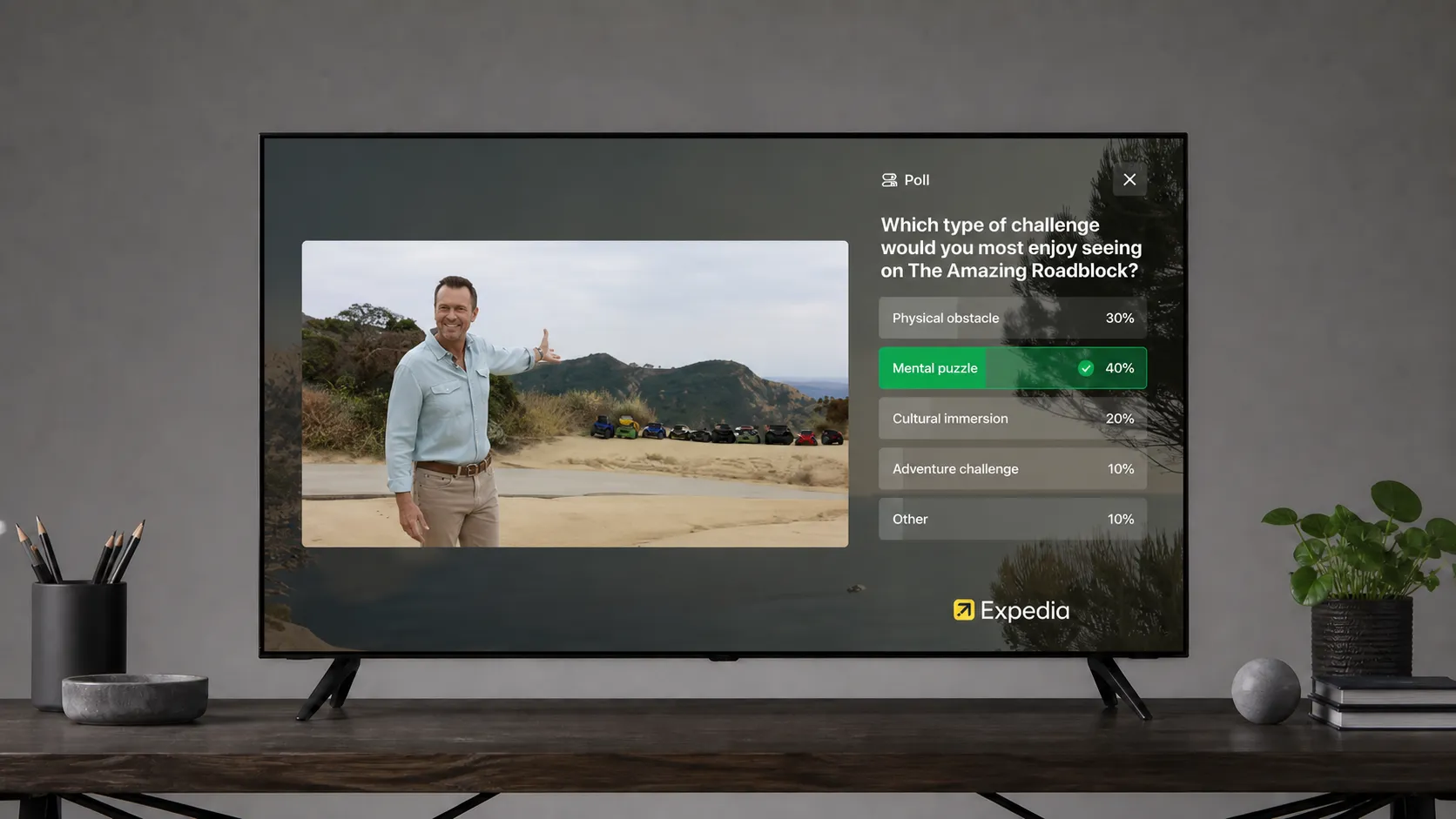
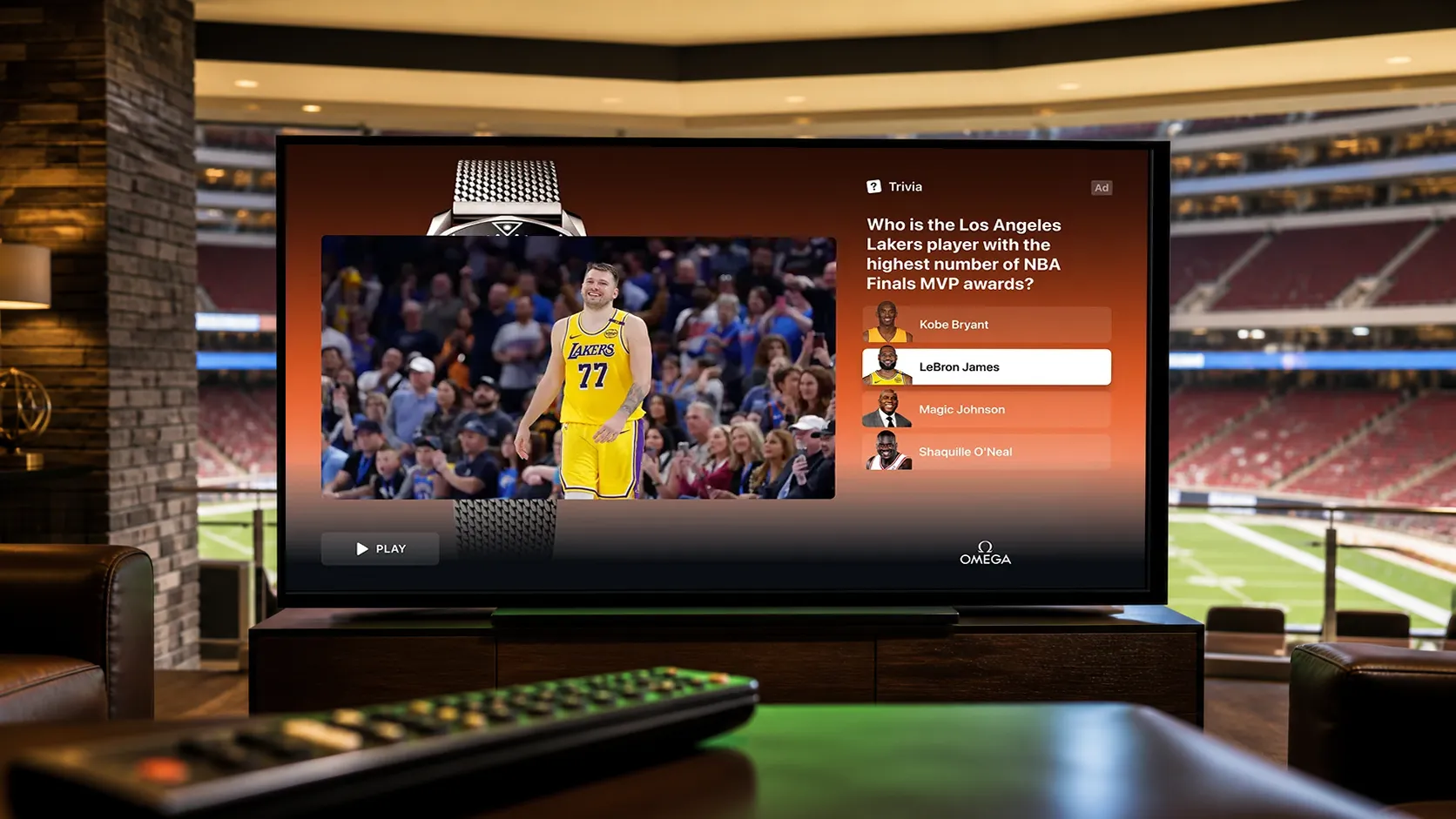
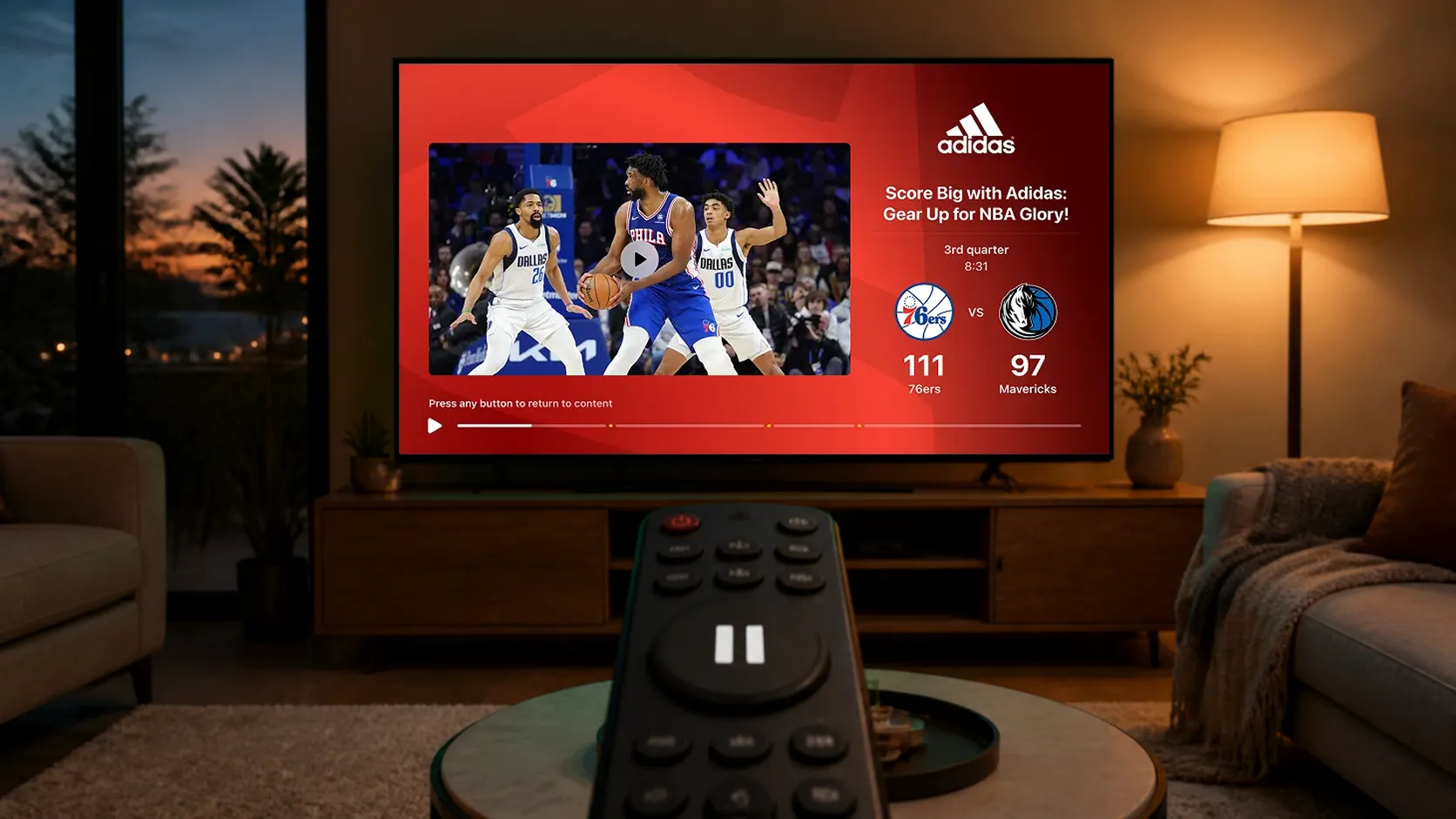
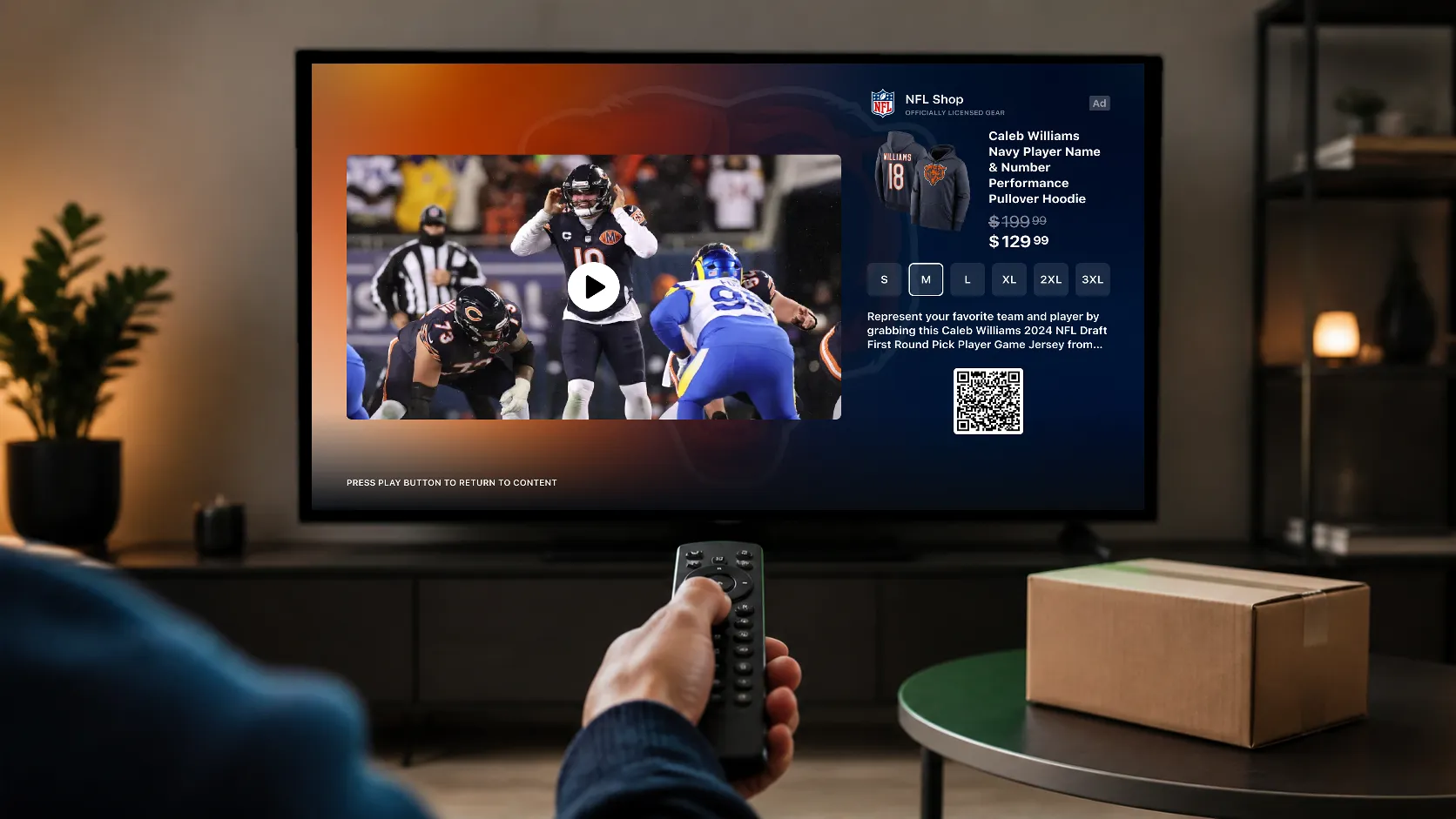
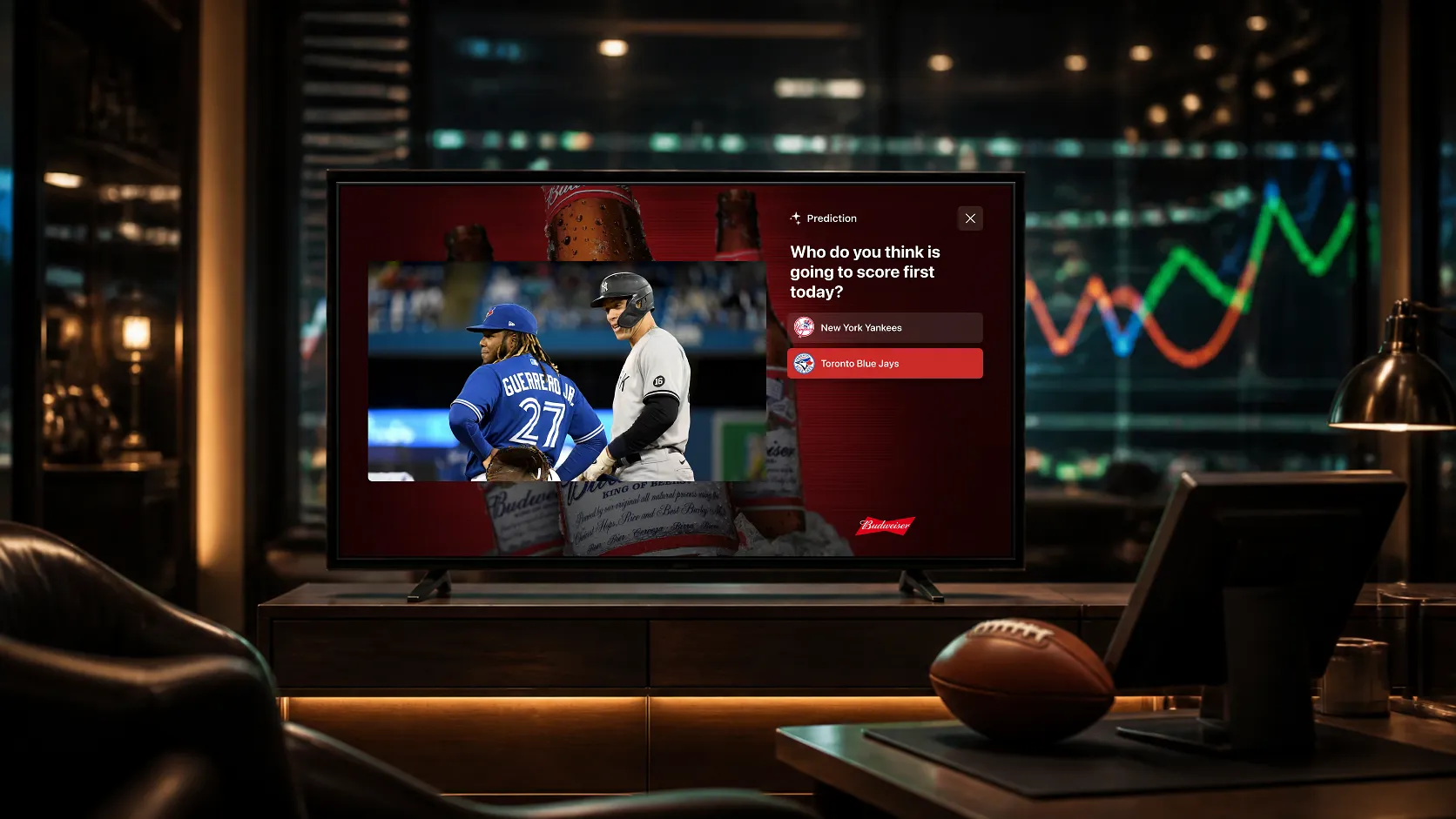
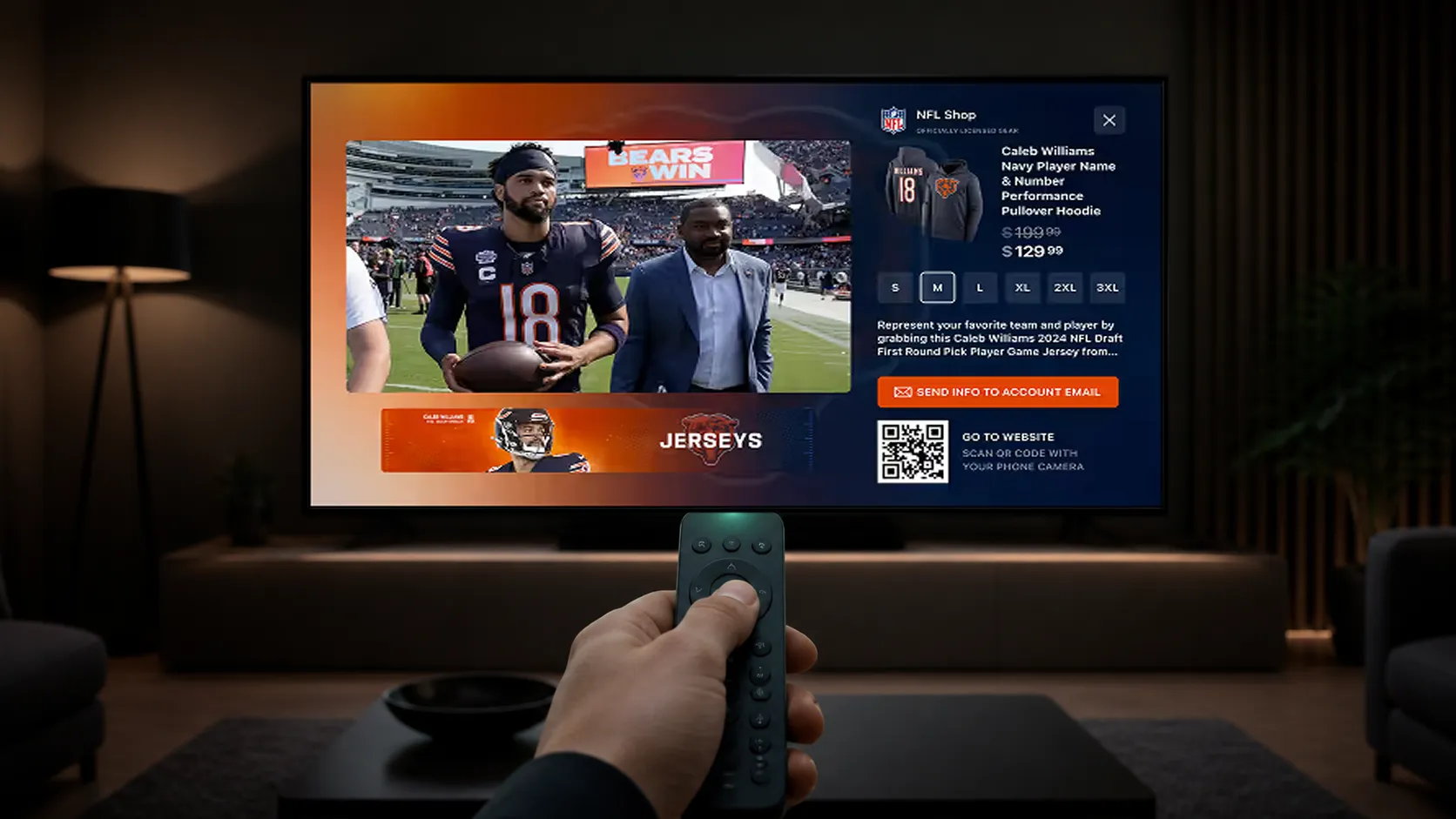
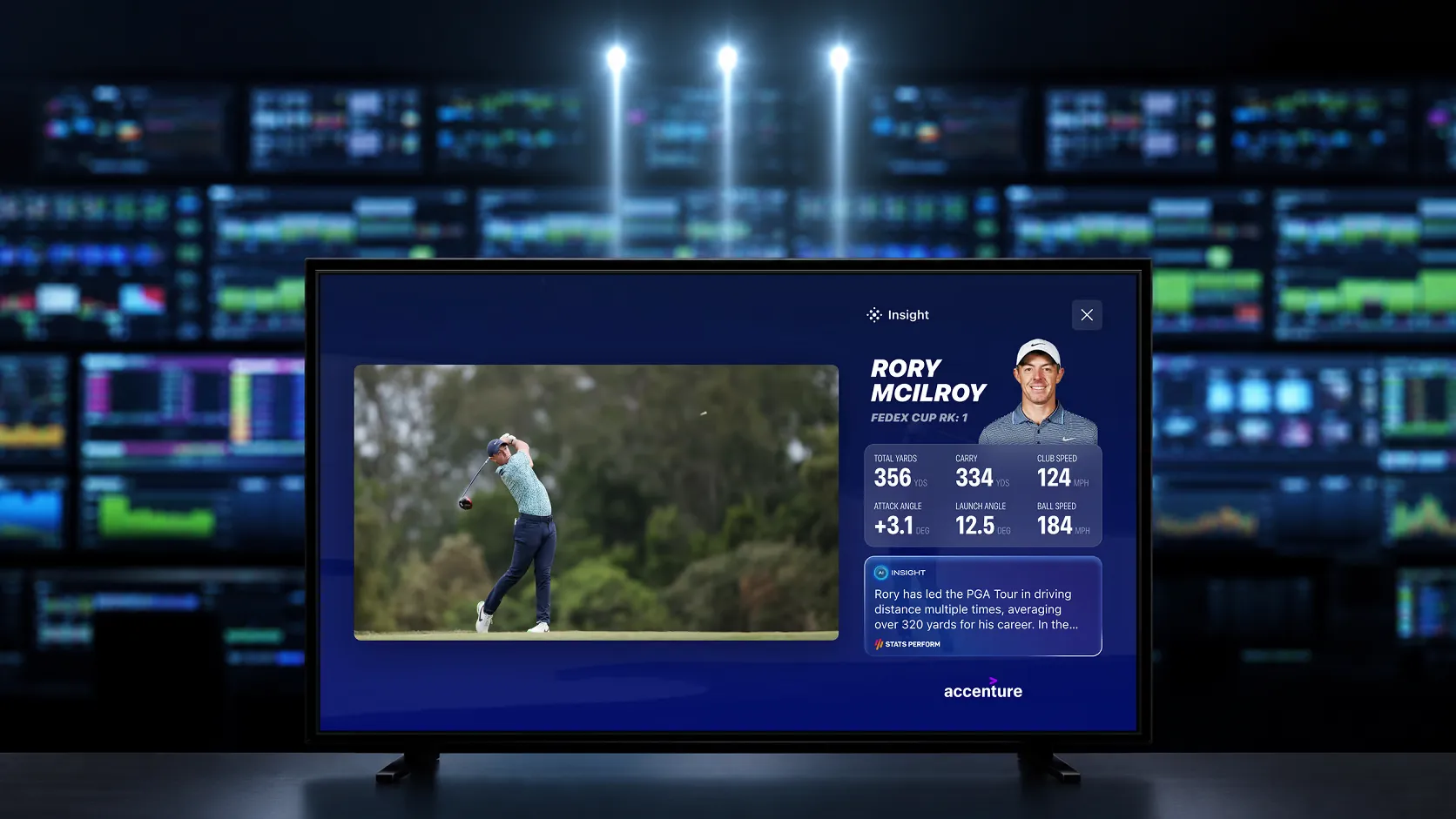
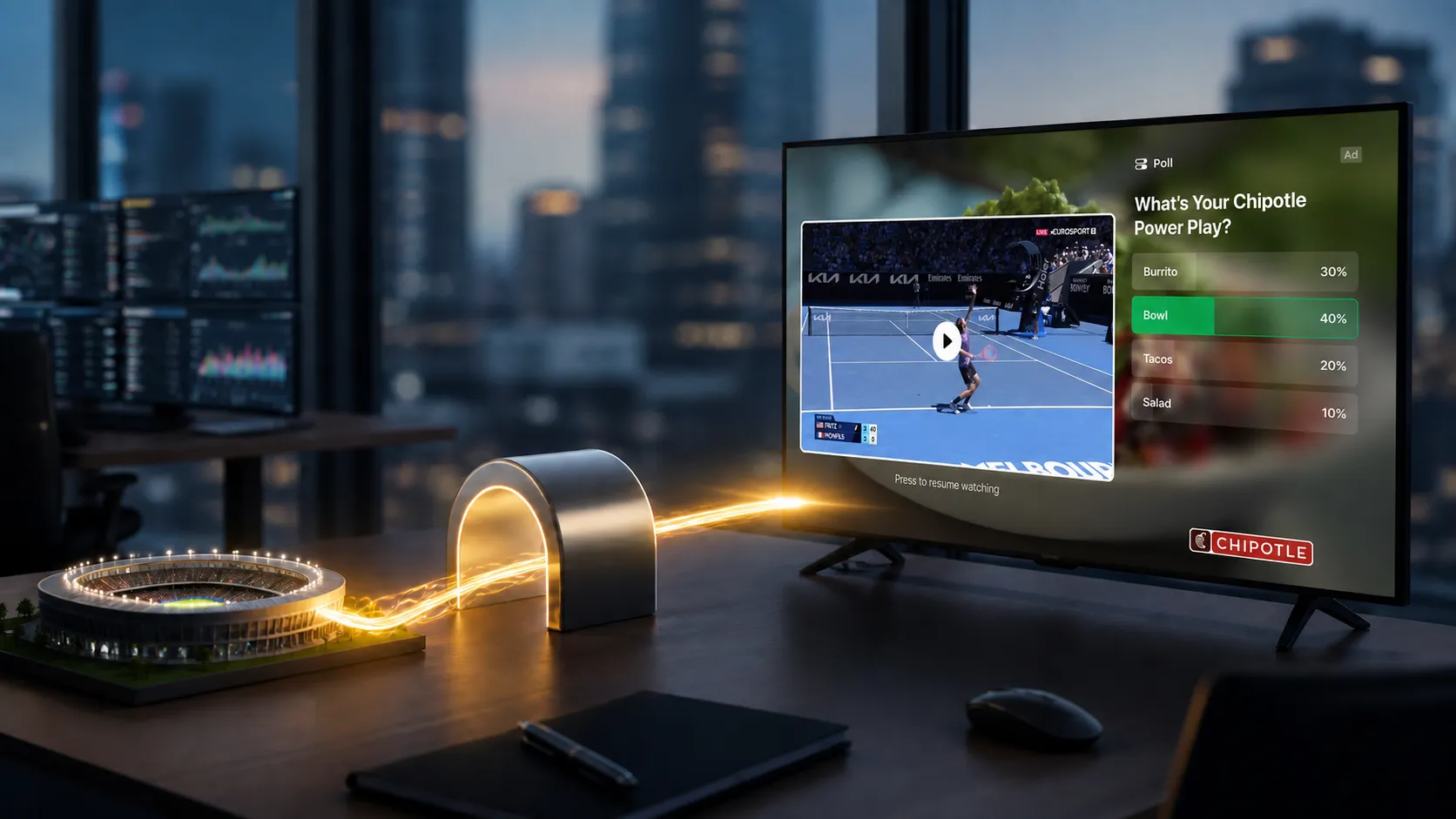
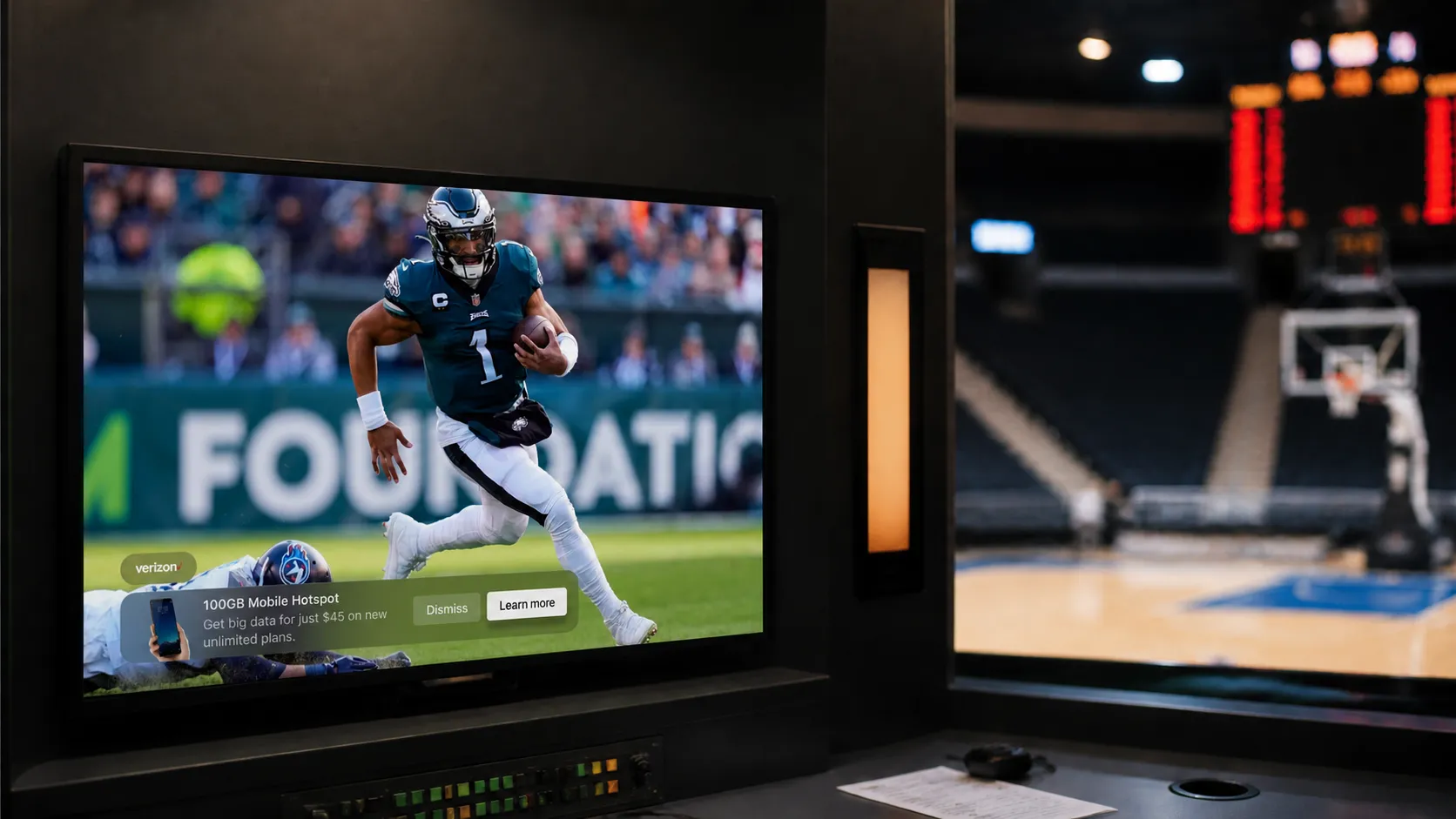
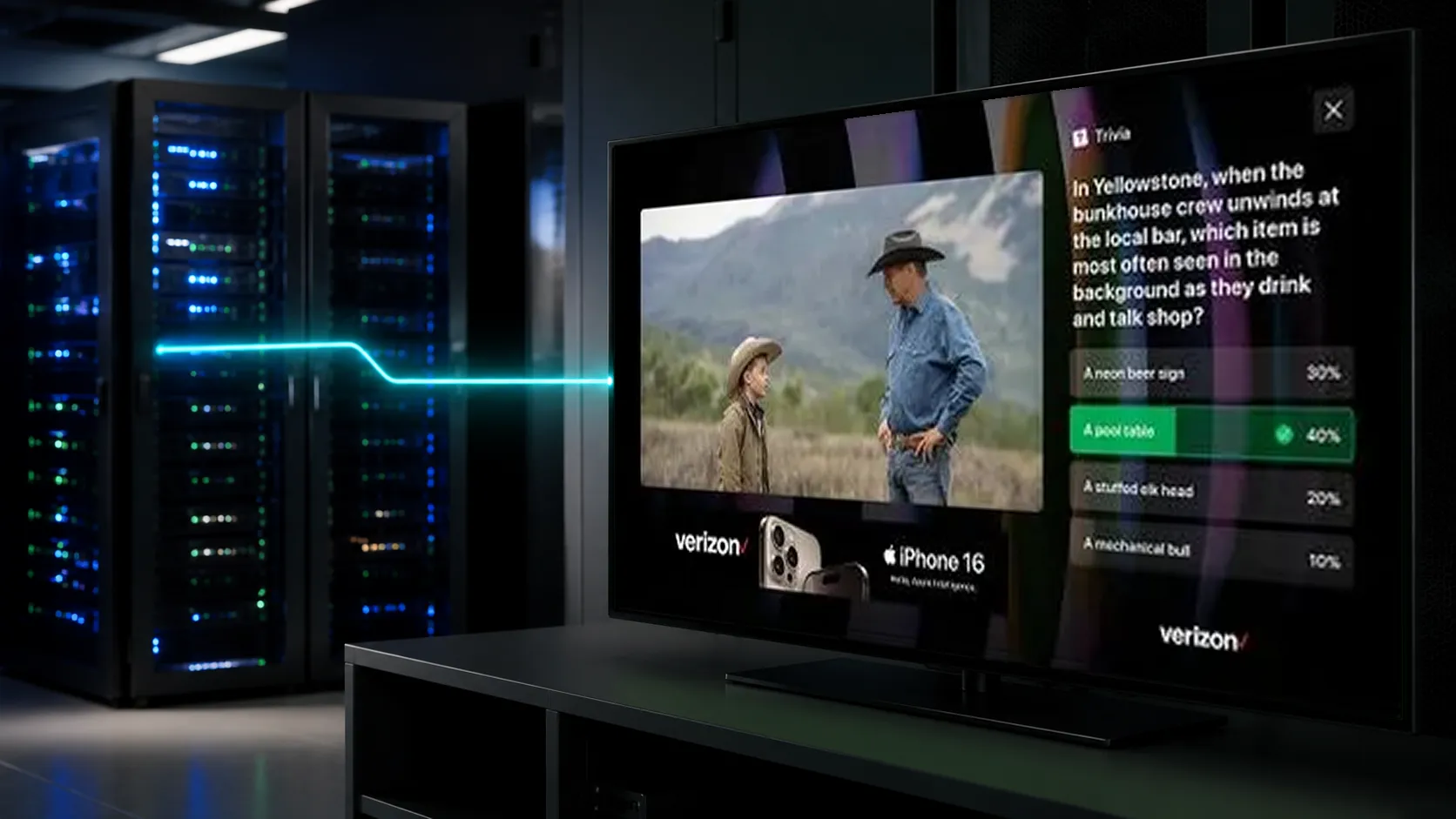
StreamLayer SGAI combines server-side decisioning and orchestration with client SDK rendering. It supports live nonlinear ads, pause ads, and interactive companions for SSAI inventory. The StreamLayer experience is rendered in the publisher’s app, rather than stitched into the core video stream. The host app controls the video view and any resizing needed for layouts such as Side Bar or L-Bar.
Does SGAI replace SSAI?
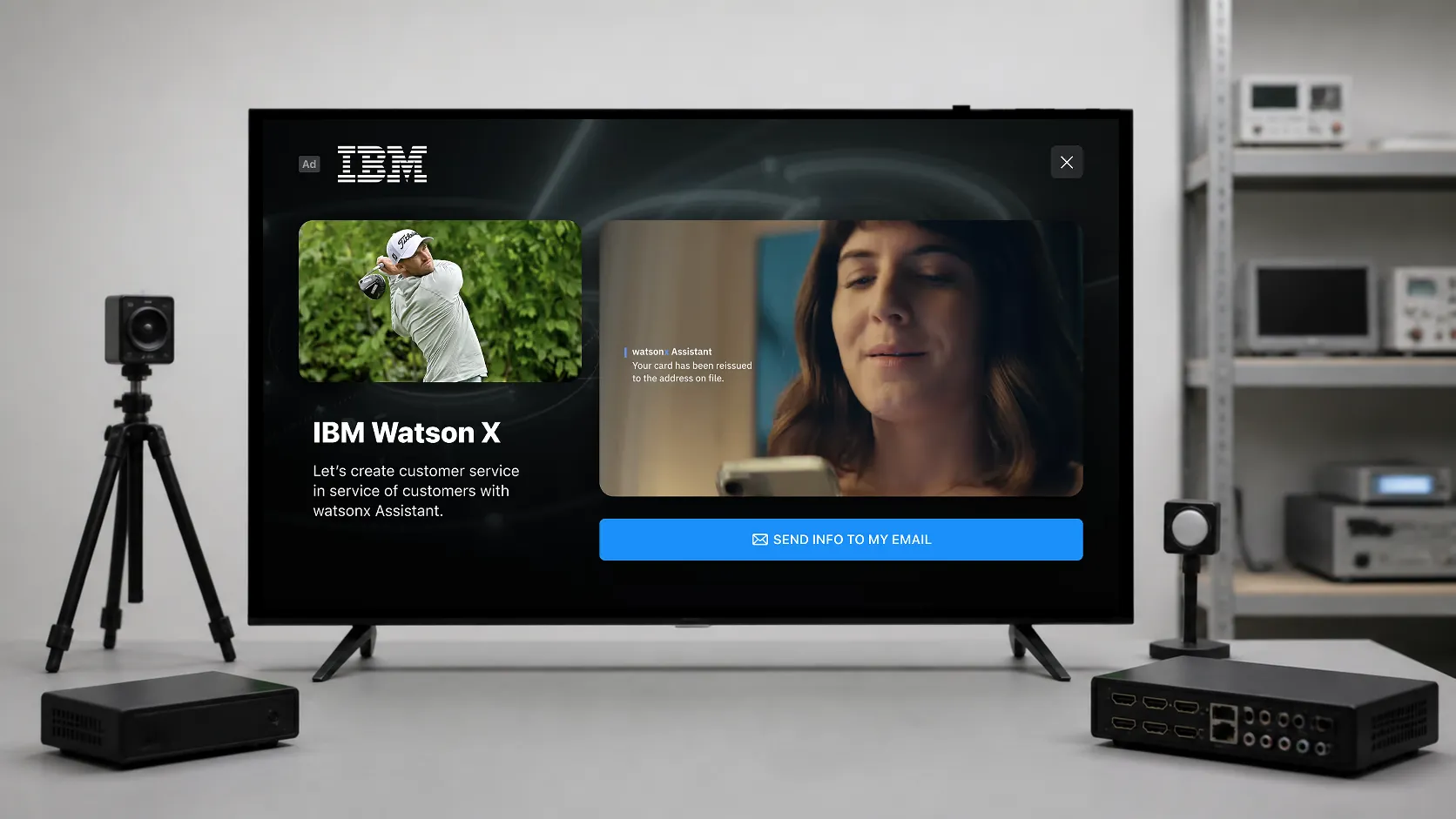
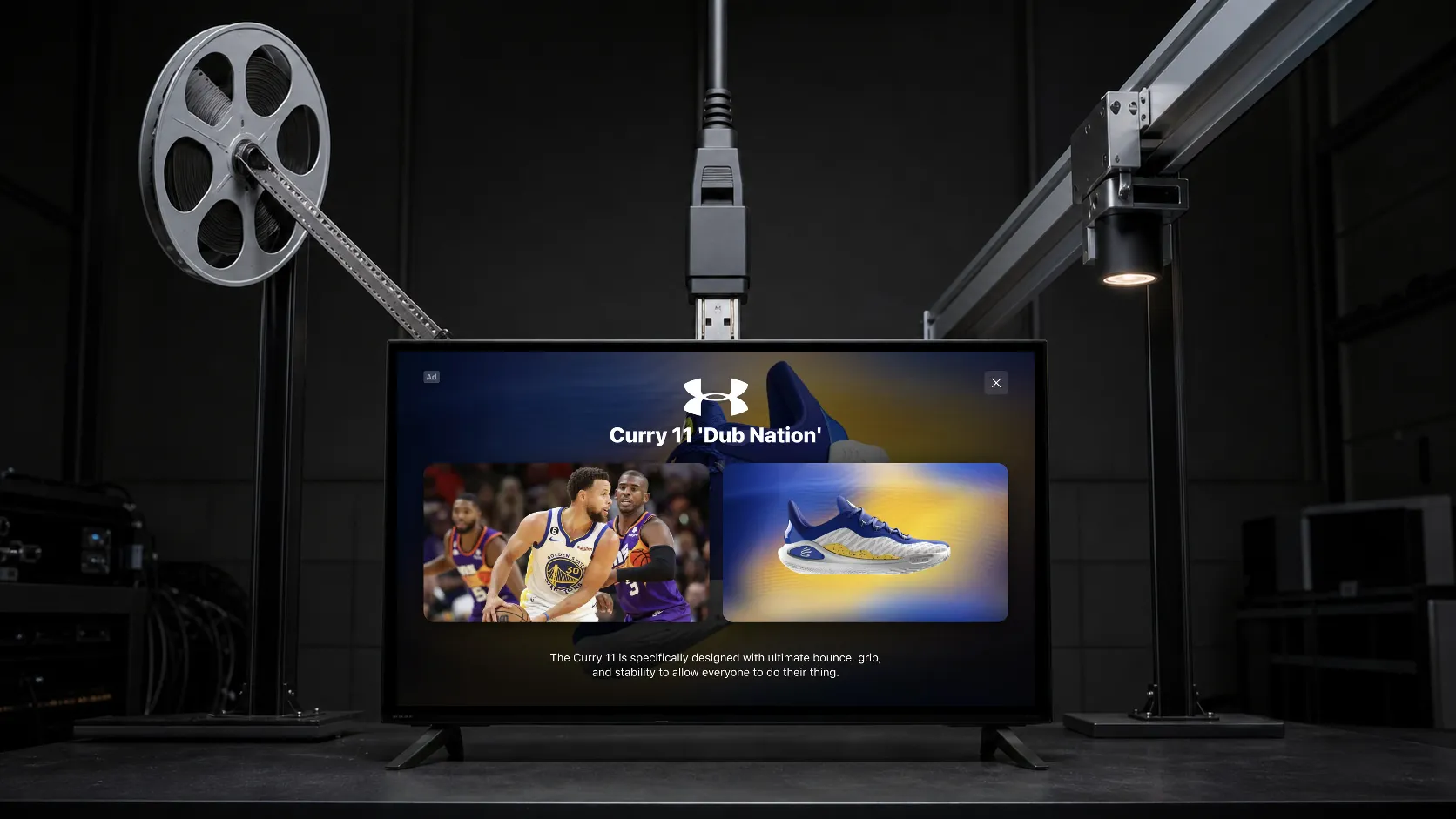
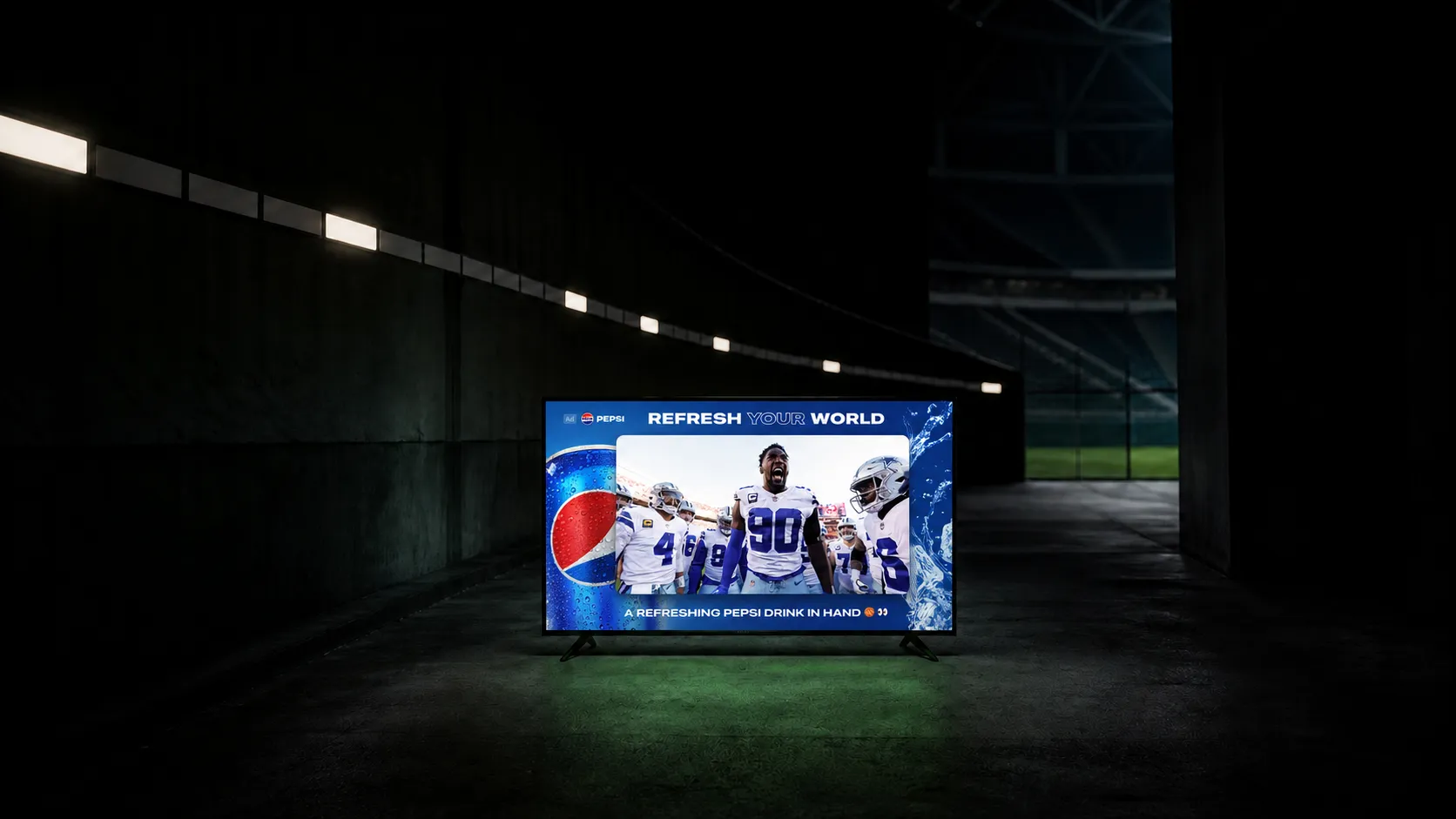
That depends on the implementation and the publisher’s objective. StreamLayer SGAI works alongside existing SSAI, CSAI, ad servers, SSPs, DSPs, and production workflows. For example, an SSAI provider can continue delivering a video spot while StreamLayer Interactive SSAI adds a synchronized companion. It is inaccurate to treat SSAI as incapable of all client-side measurement or companion support: Google’s full-service DAI documentation describes SDK and metadata-based tracking, with companion delivery where applicable.
Which advertising opportunities does StreamLayer support?
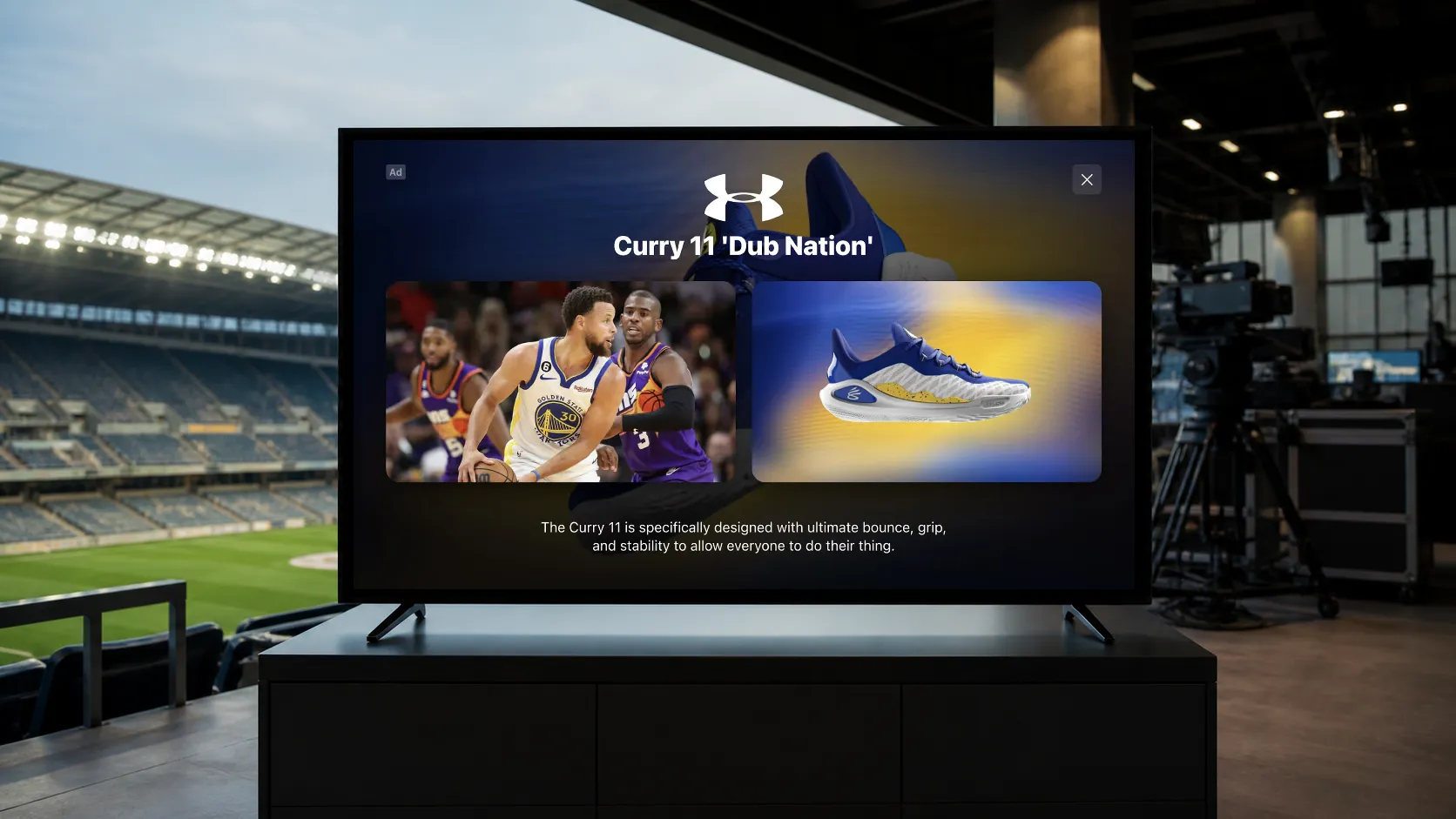
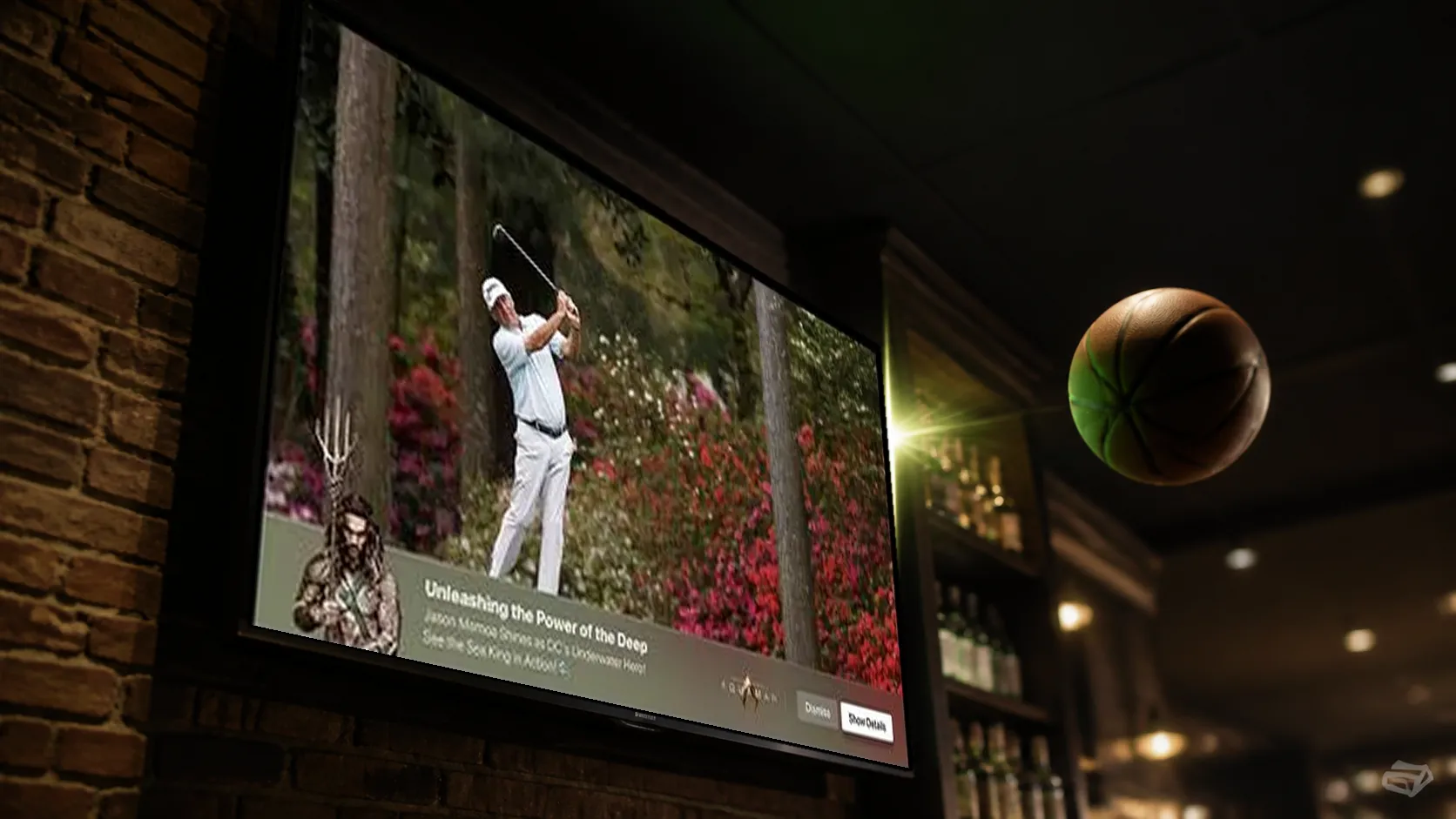
Live Moment Ads appear at selected high-interest moments while programming continues. Pause Ads present interactive creative with still imagery or subtle ambient motion during an eligible viewer pause. The scene should continue to feel paused. Interactive SSAI companions add actions to an existing stitched ad. These are distinct inventory opportunities, with different triggers, creative requirements, and measurement.
What should a publisher evaluate?
Start with one defined use case and a device list ordered CTV, mobile, then web. Confirm signal availability, SDK integration, creative loading, closing behavior, and reporting. Set pacing and suppression rules before enabling live activation. A high-interest event is a candidate opportunity, not an instruction to show an ad every time.
How should results be judged?
Compare realized net revenue with an agreed baseline, including eligible reach, fill, creative costs, and operating effort. Measure exposure and interaction separately, and monitor playback quality and viewer response. The architecture alone does not guarantee higher CPMs, better fill, or zero buffering.
Where should you go next?
Use the CSAI, SSAI, and SGAI comparison for architectural tradeoffs, the integration guide for implementation planning, or the StreamLayer SGAI product page for platform capabilities.