Gamification for Live Sports: Designing Useful Participation
Updated September 8, 2026 · StreamLayer
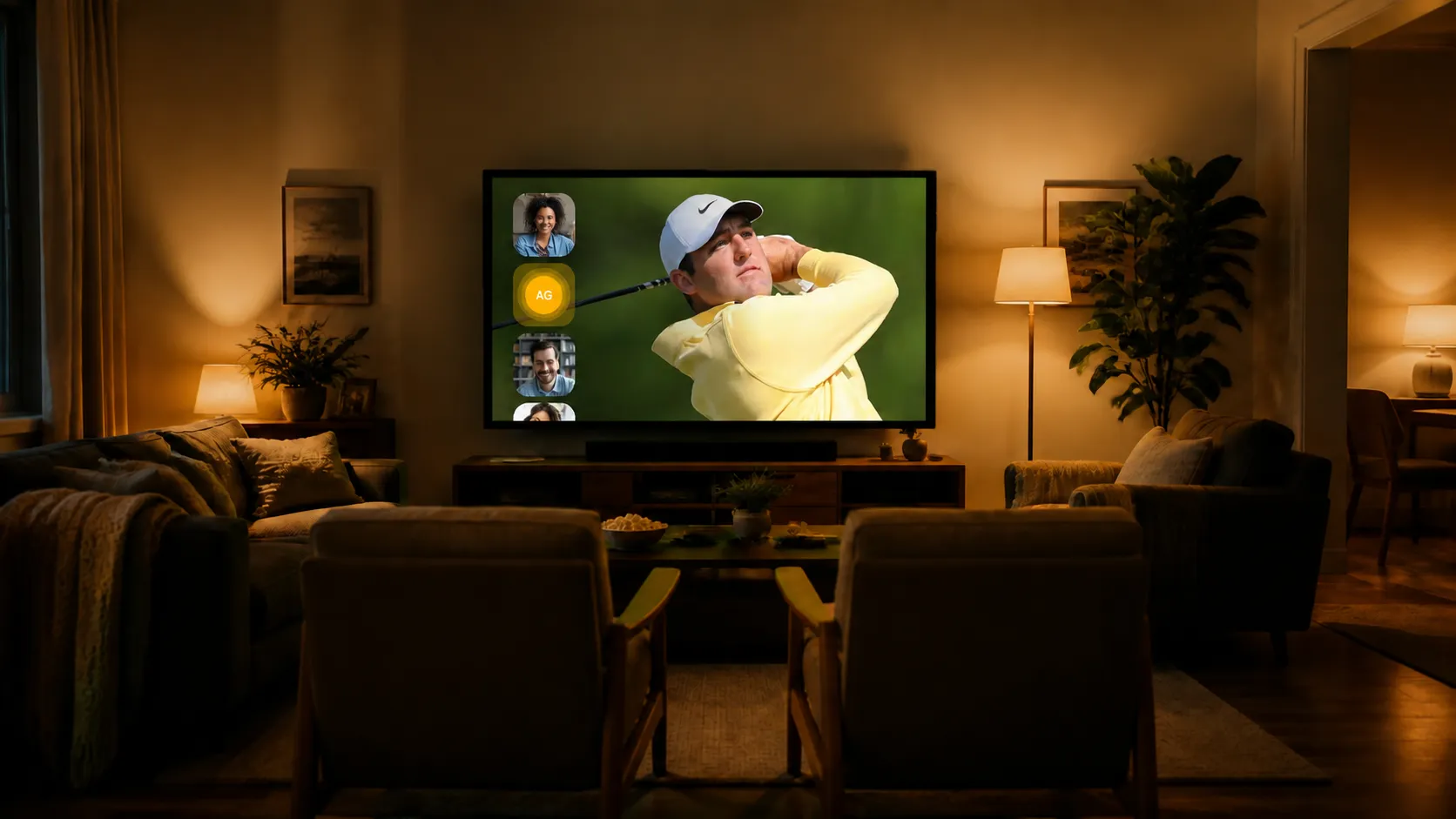
Gamification adds participation mechanics such as predictions, trivia, scores, and leaderboards to live sports viewing. Its value depends on whether fans find the activity relevant and easy to use. A generation label alone does not establish demand or predict a watch-time increase.
Which experiences should a publisher start with?
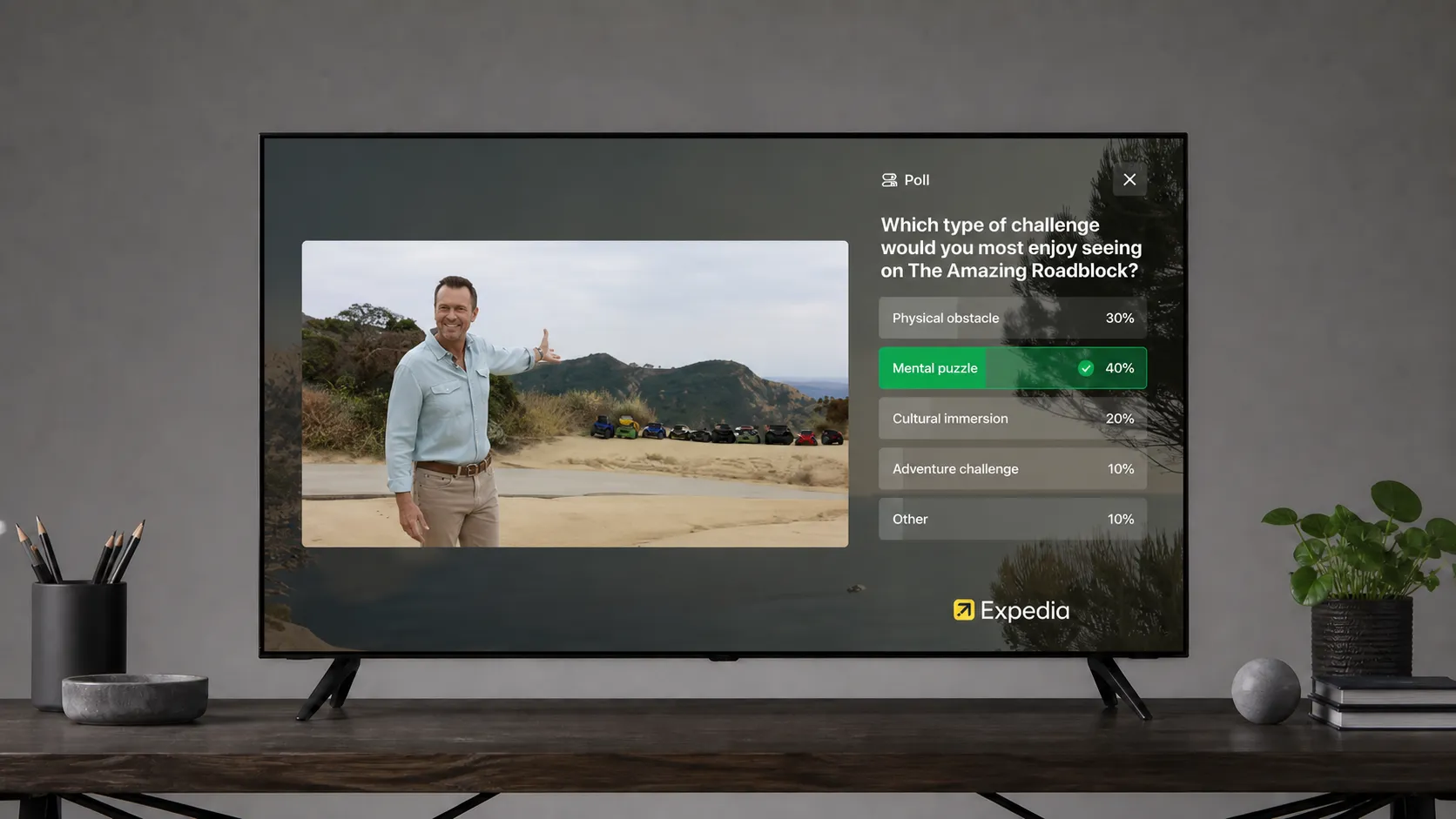
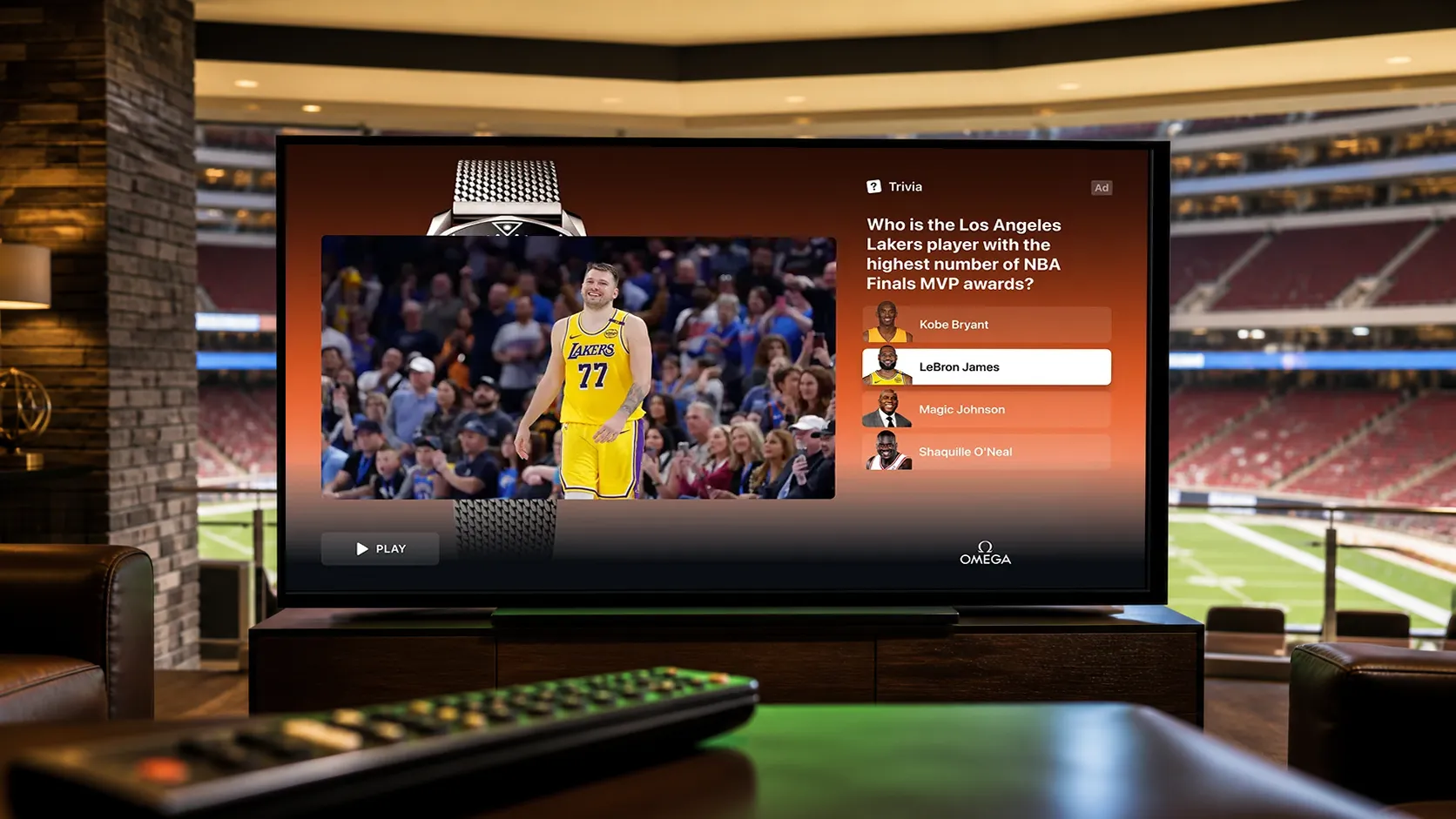
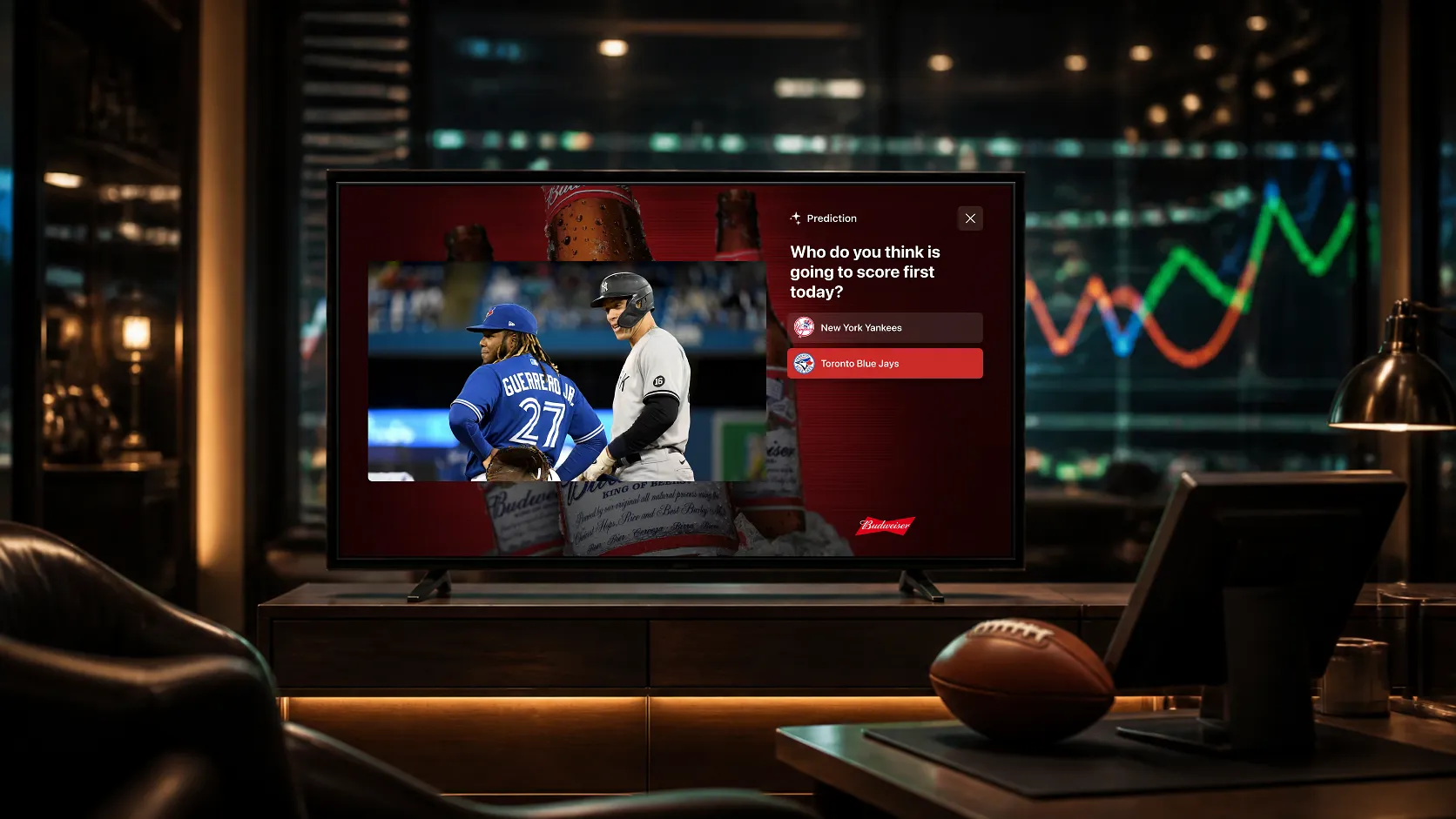
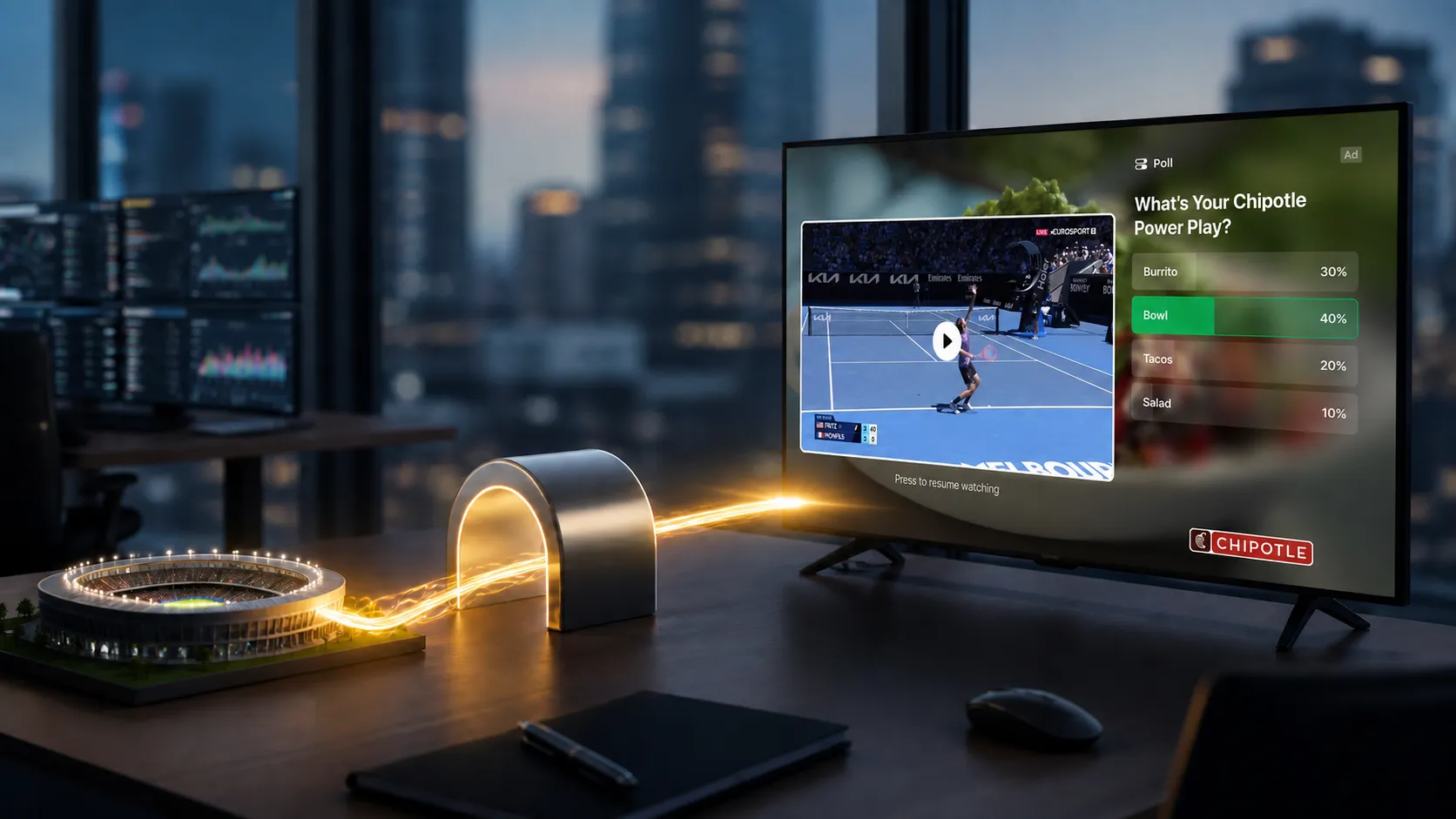
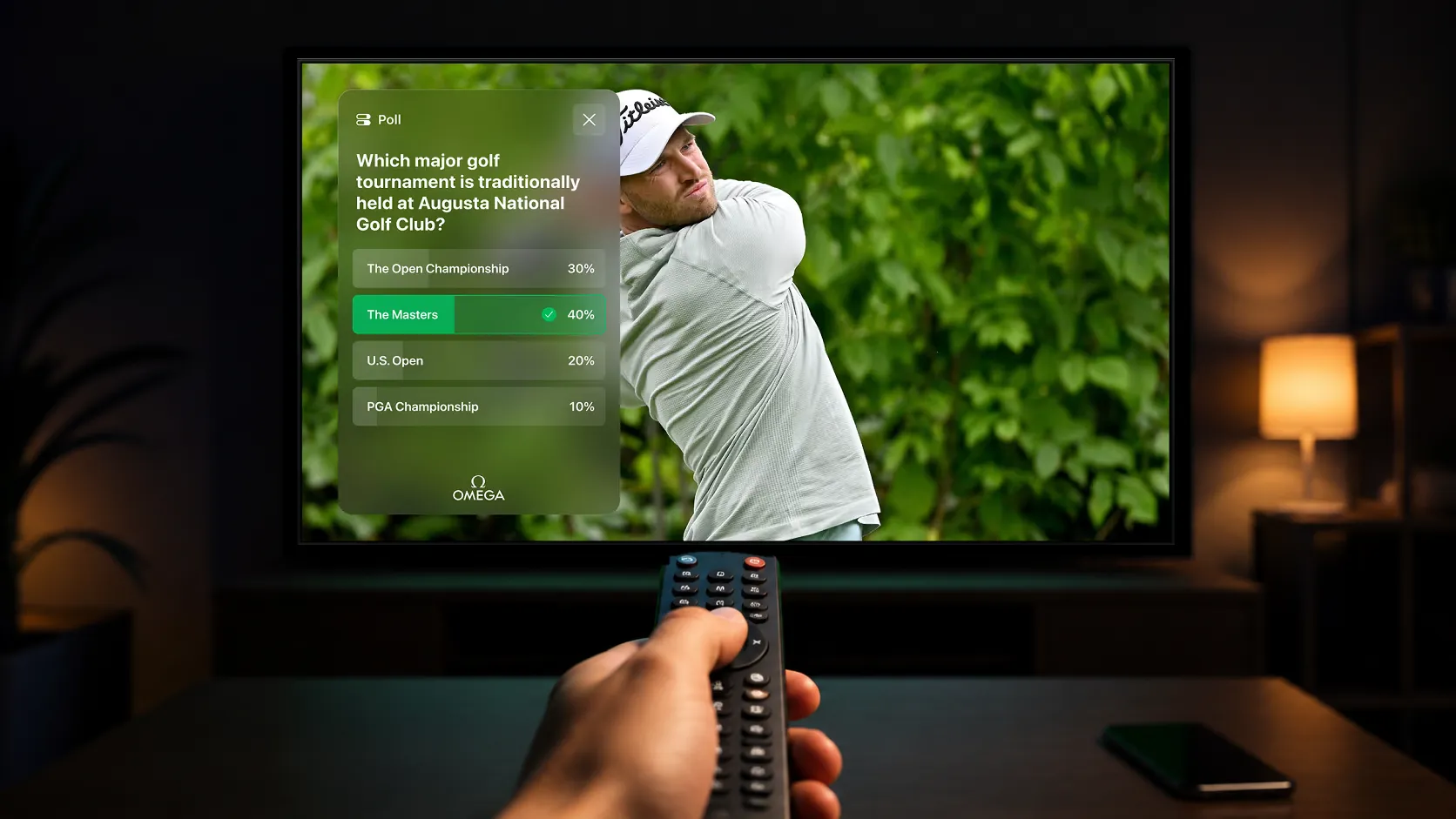
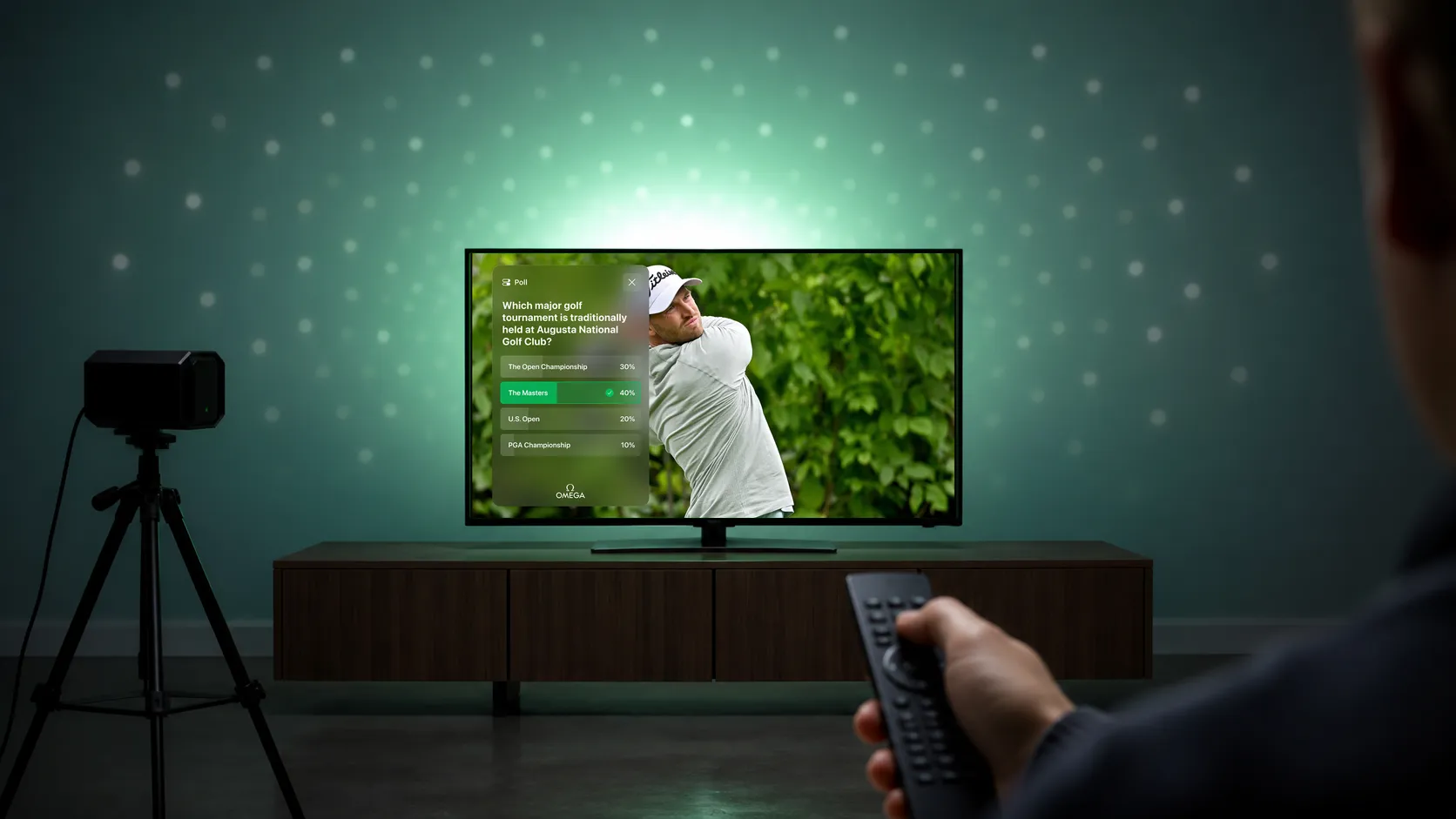
Begin with one activity tied to the program: a prediction before a defined play, trivia during a natural break, or a poll about a talking point. Make participation optional, keep the prompt concise, and show how and when results will appear.
A no-purchase, no-prize entertainment prediction is a different product from a financial event contract or sportsbook wager. Adding entry fees, prizes, or transactions changes the review required; see the prediction experience guide.
How can gamification support advertising?
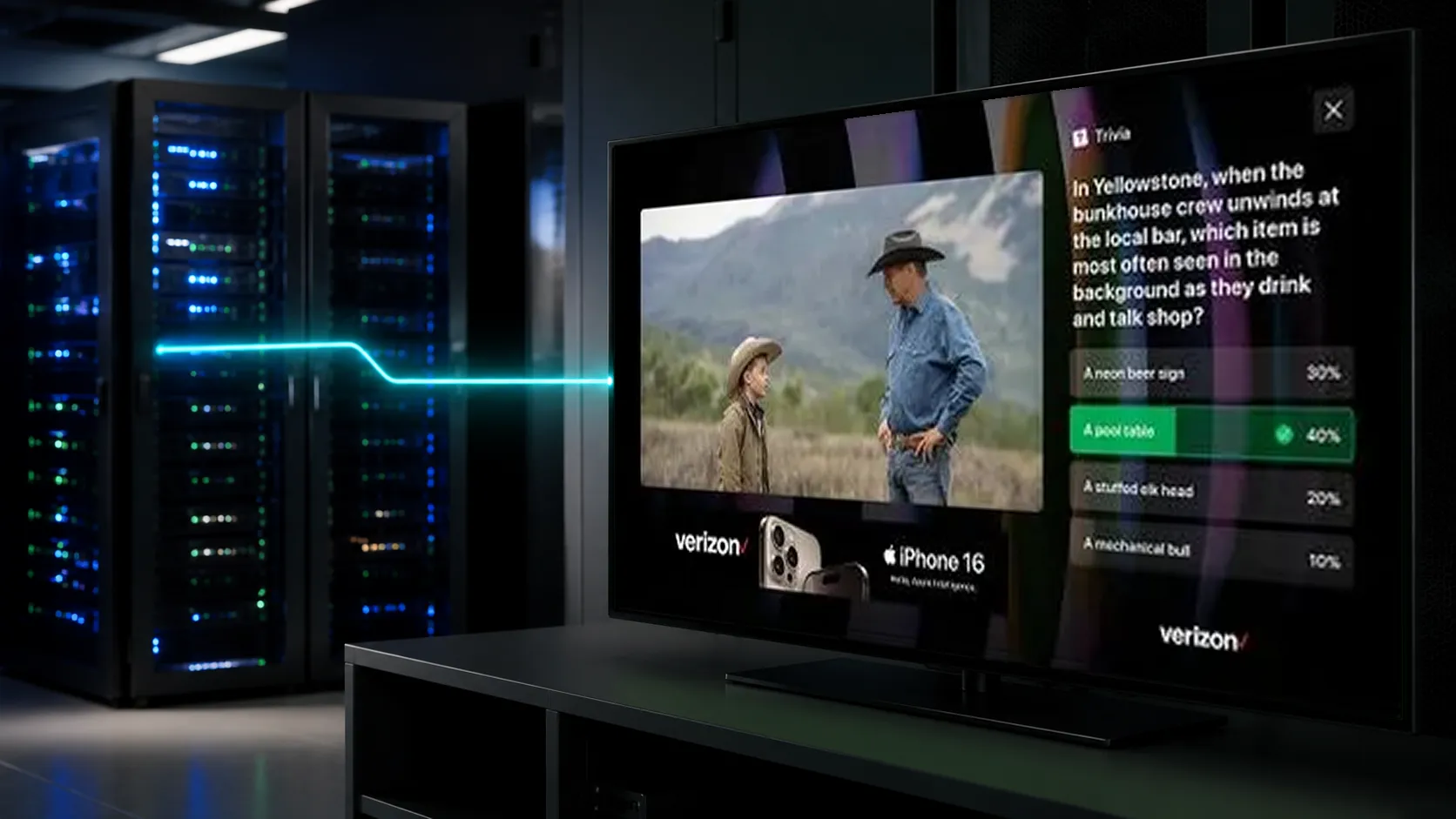
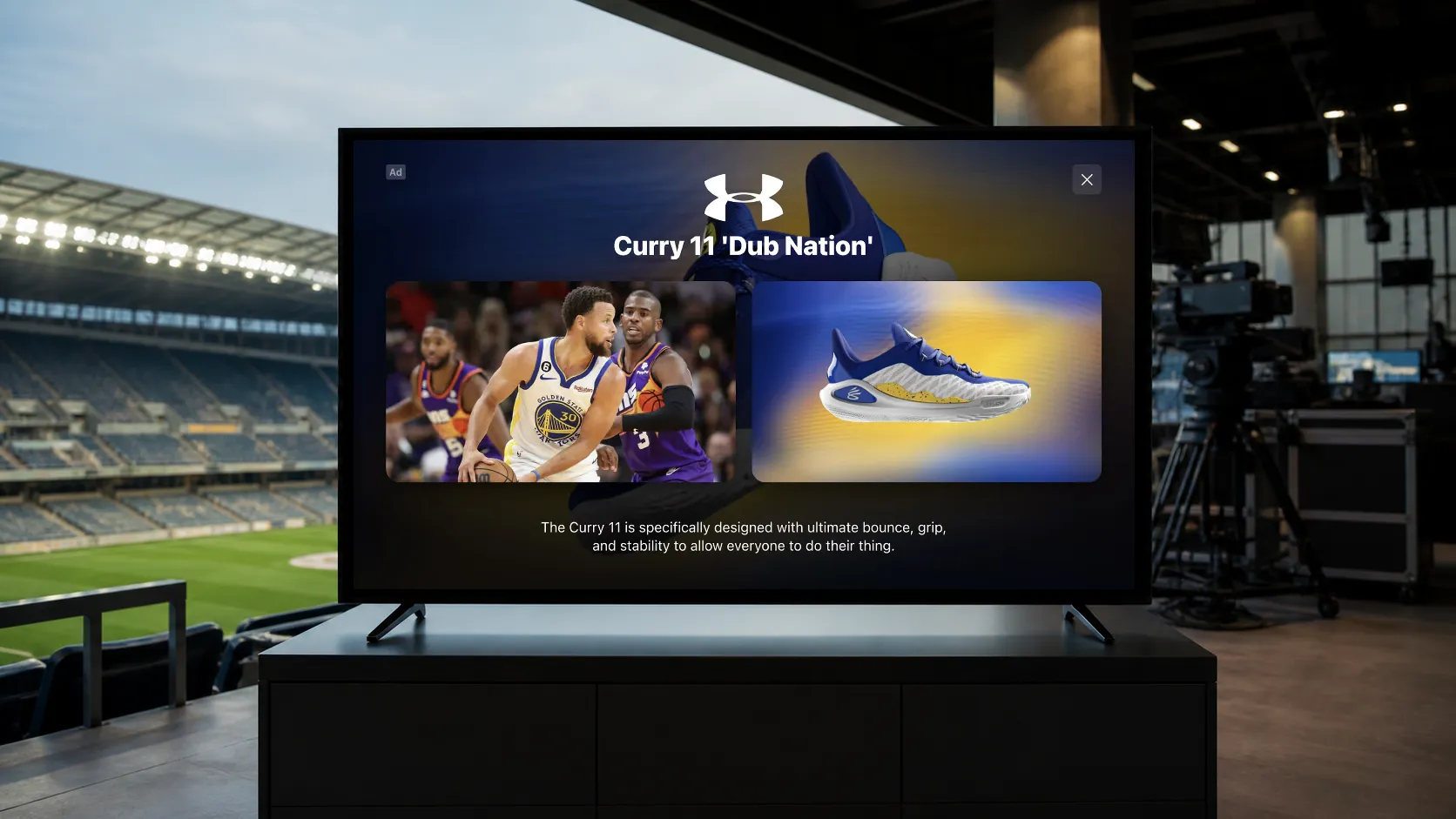
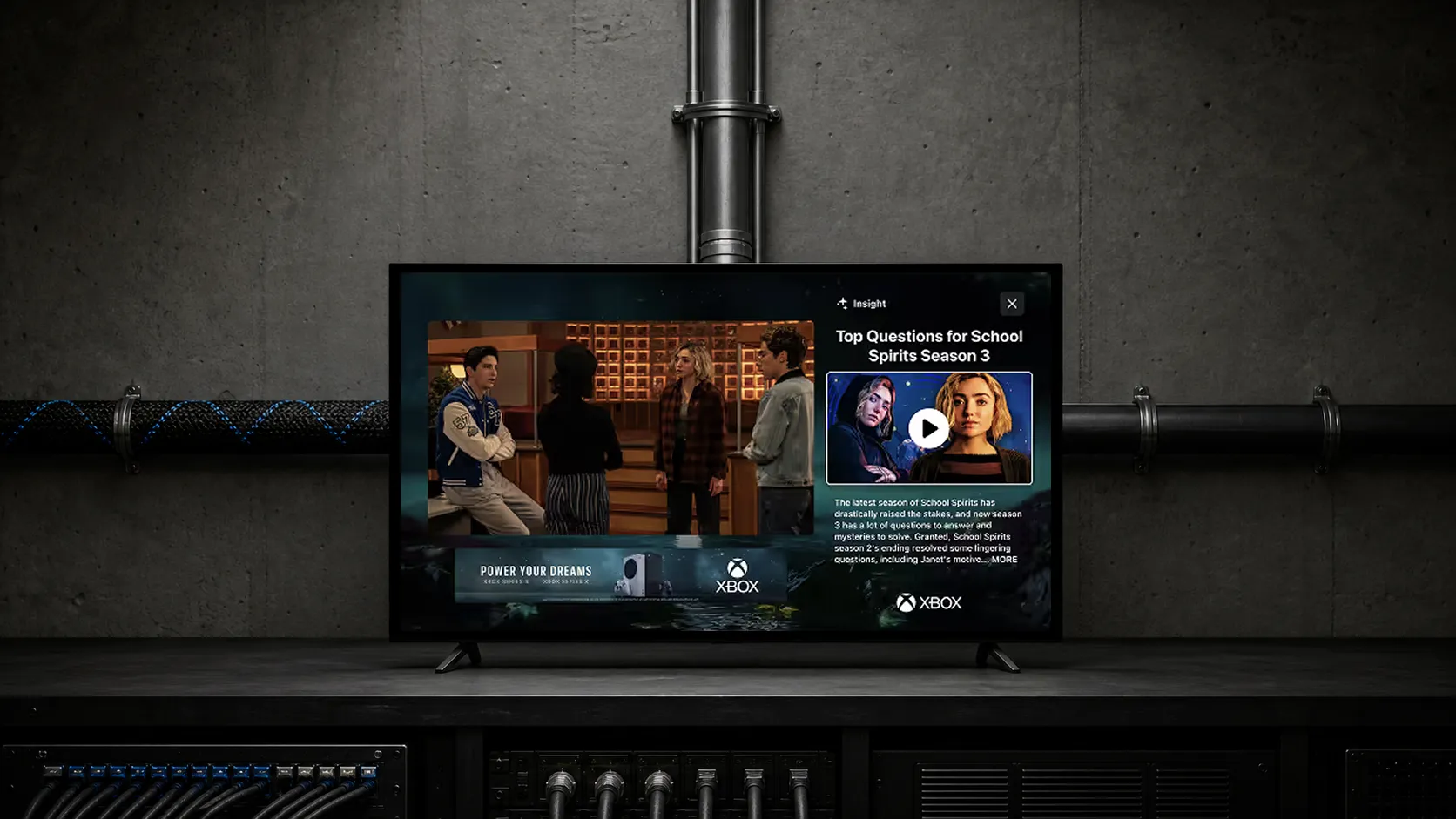
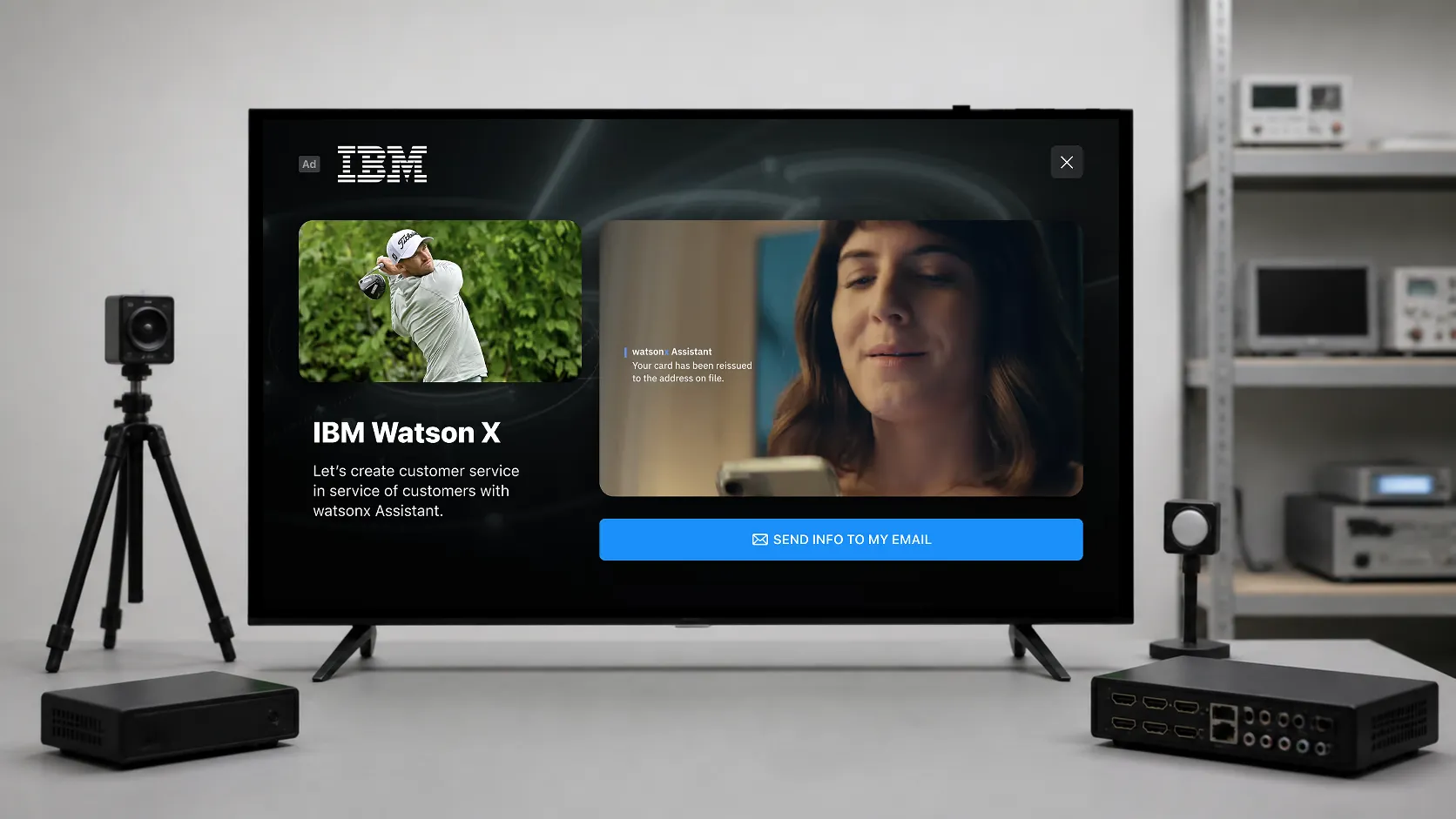
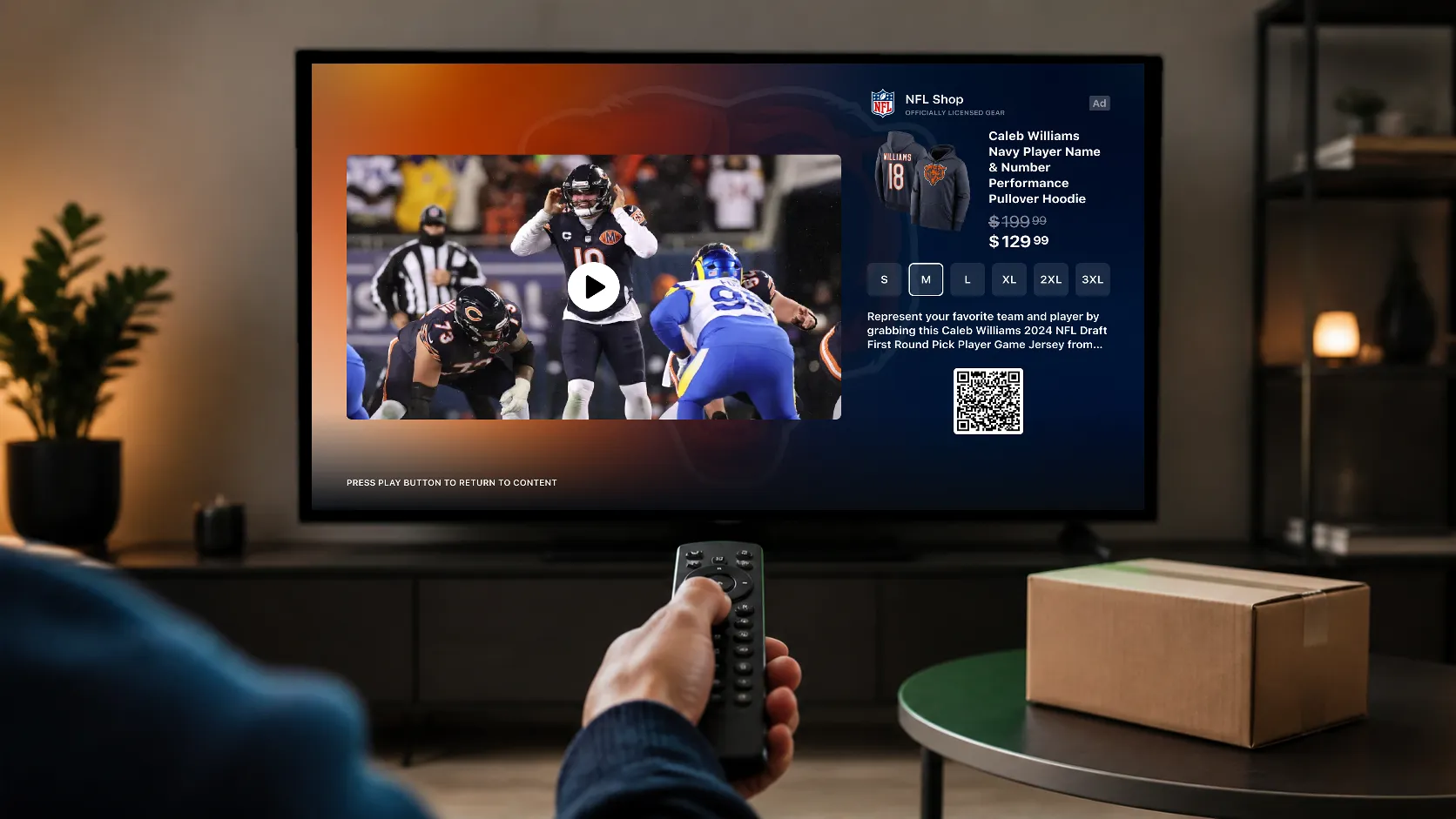
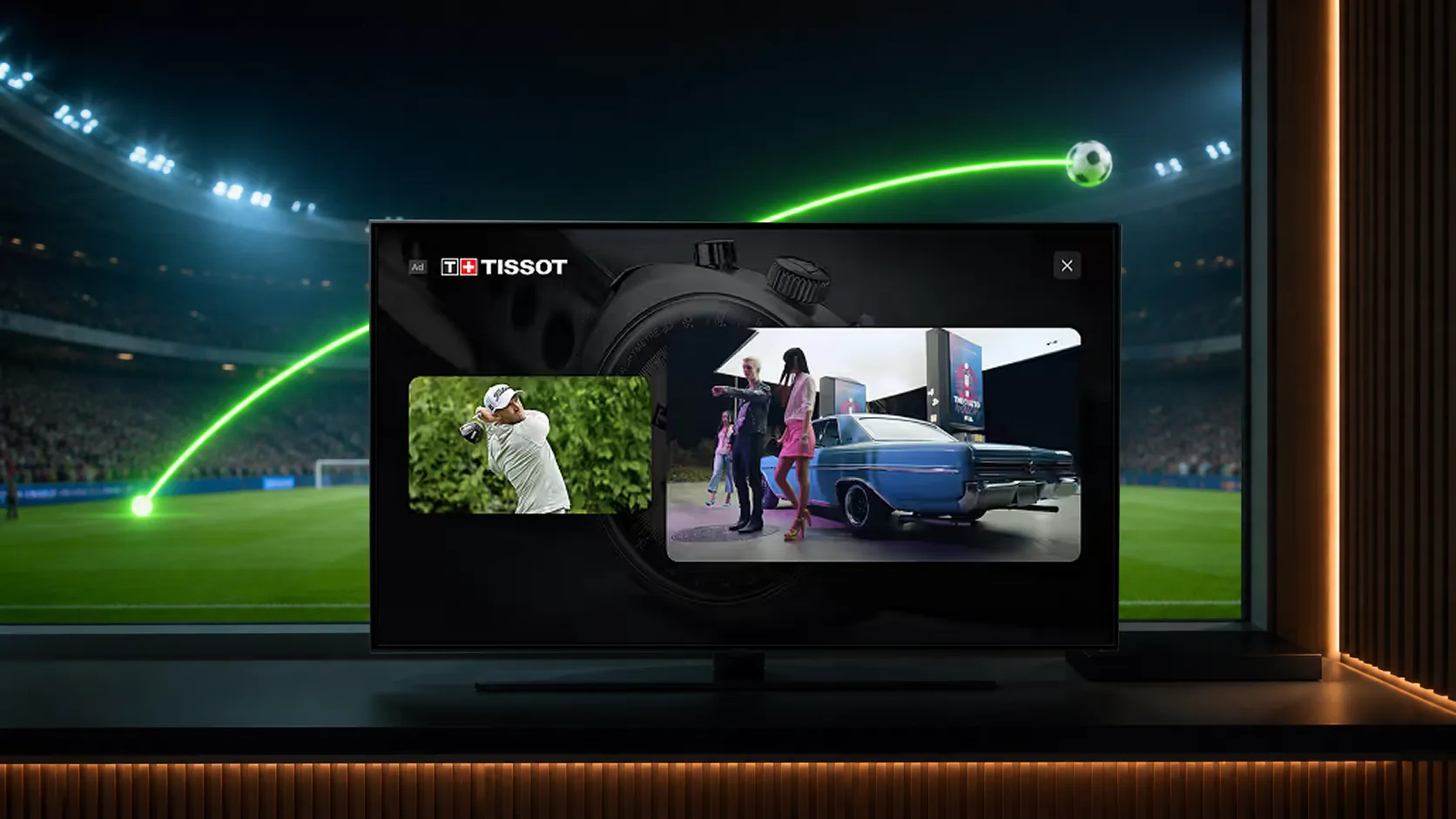
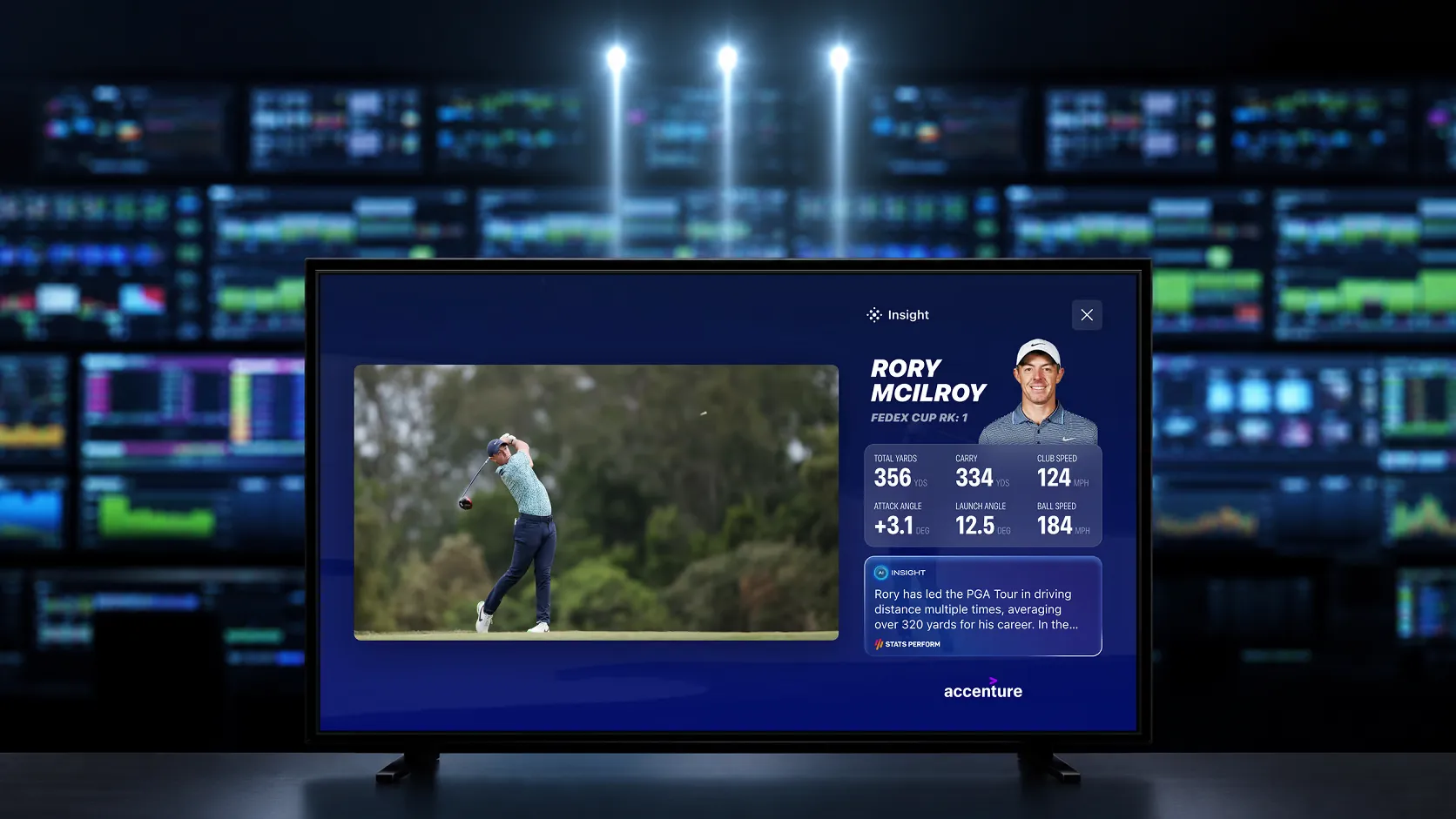
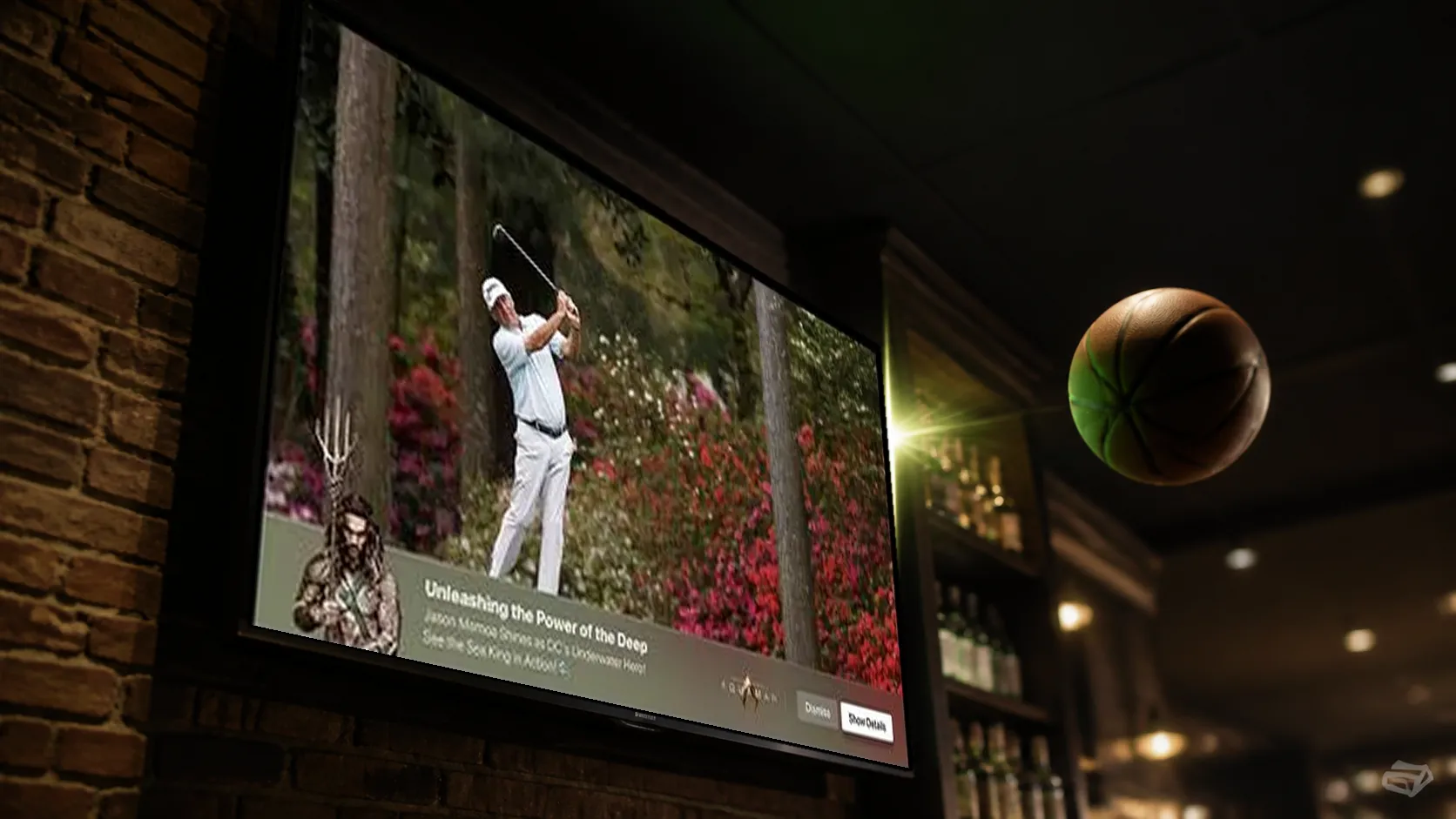
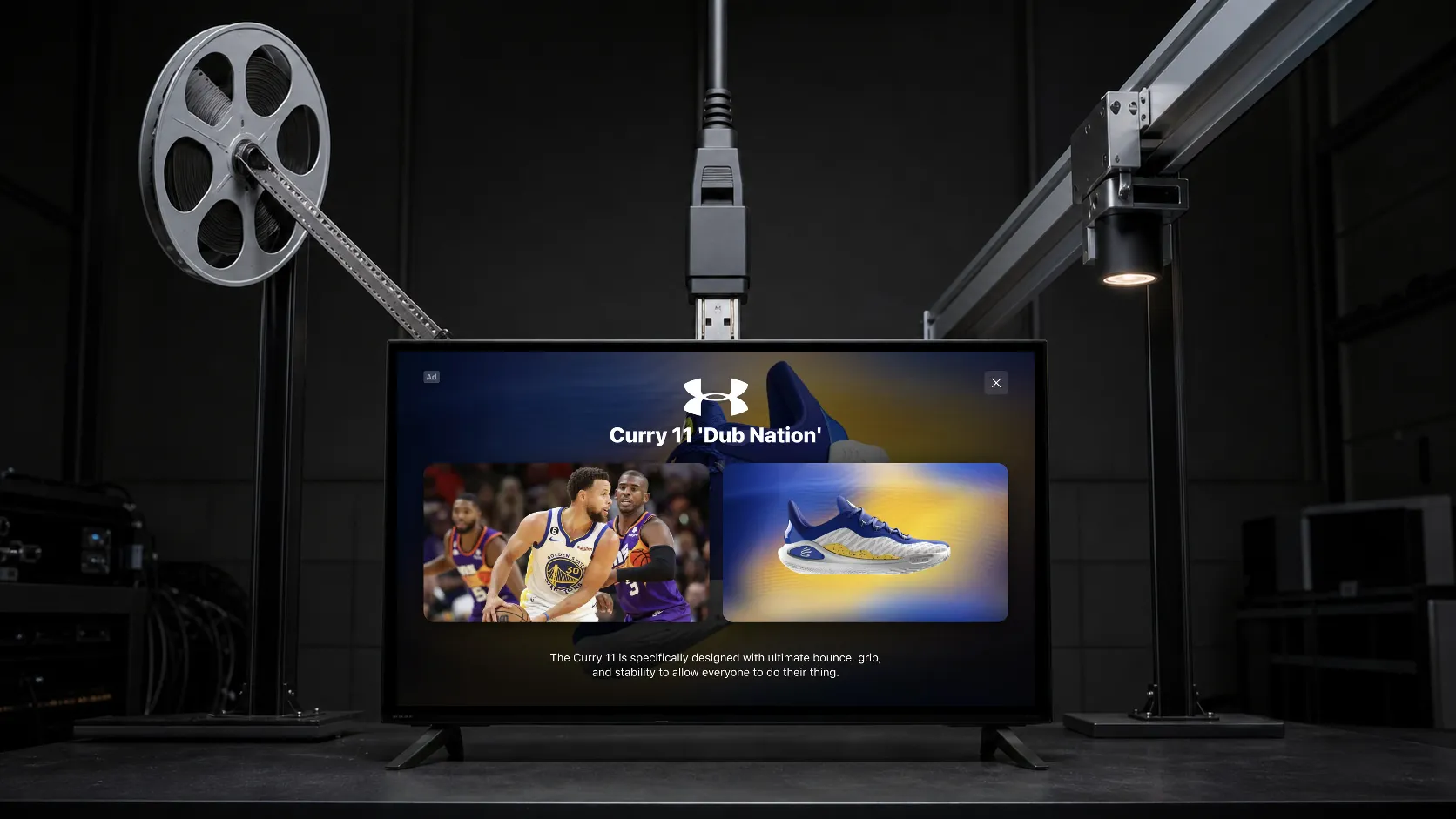
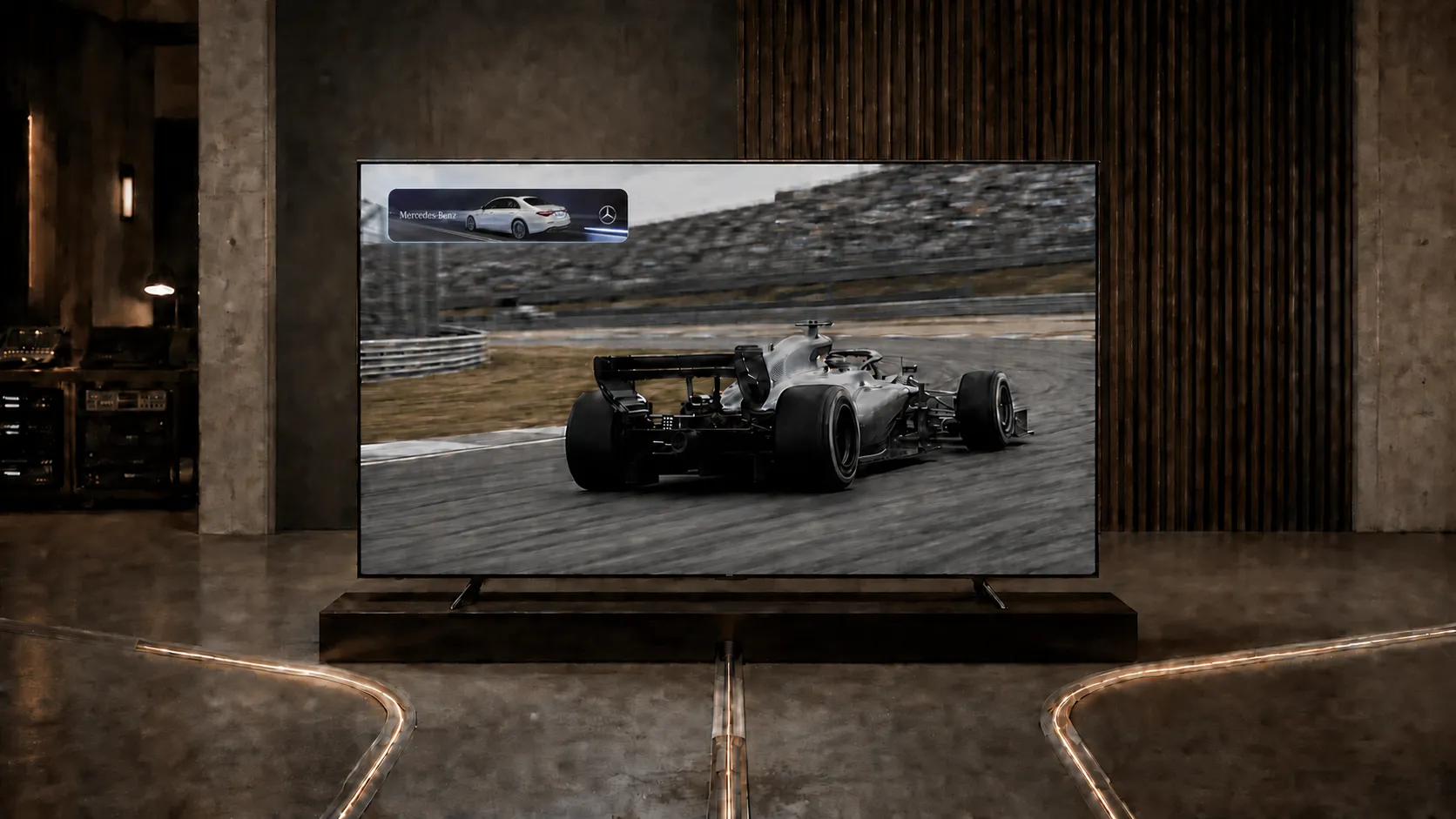
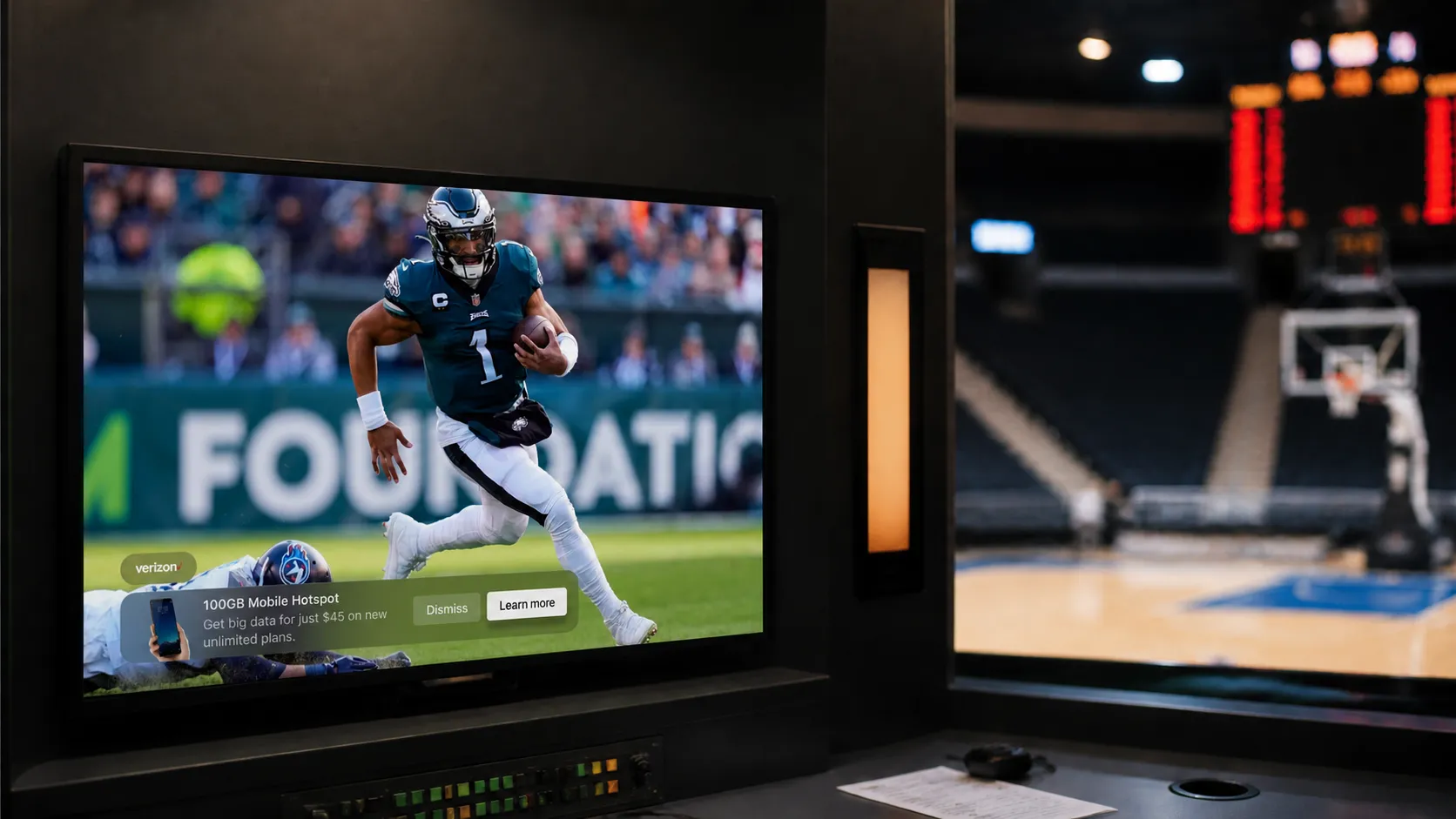
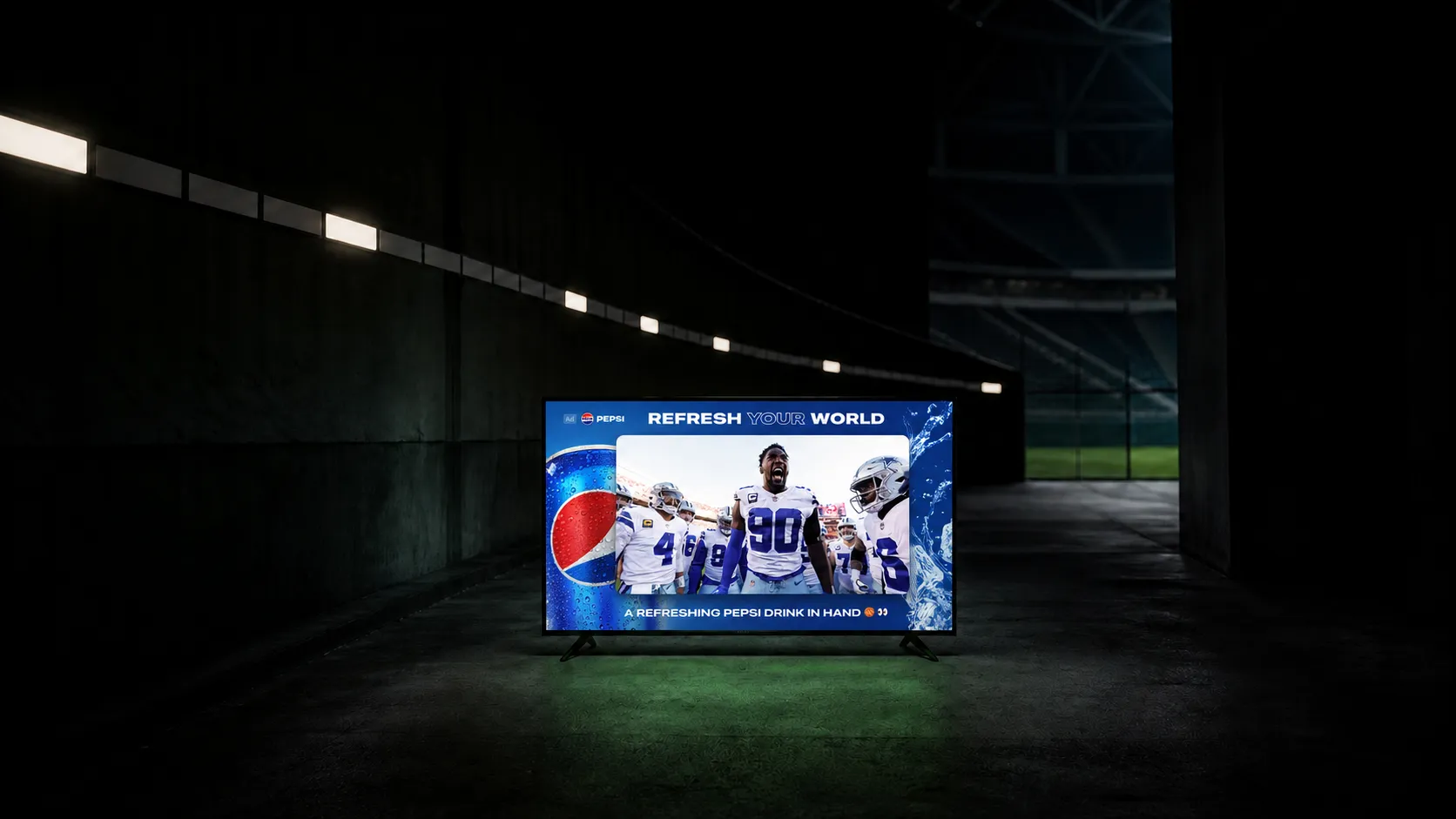
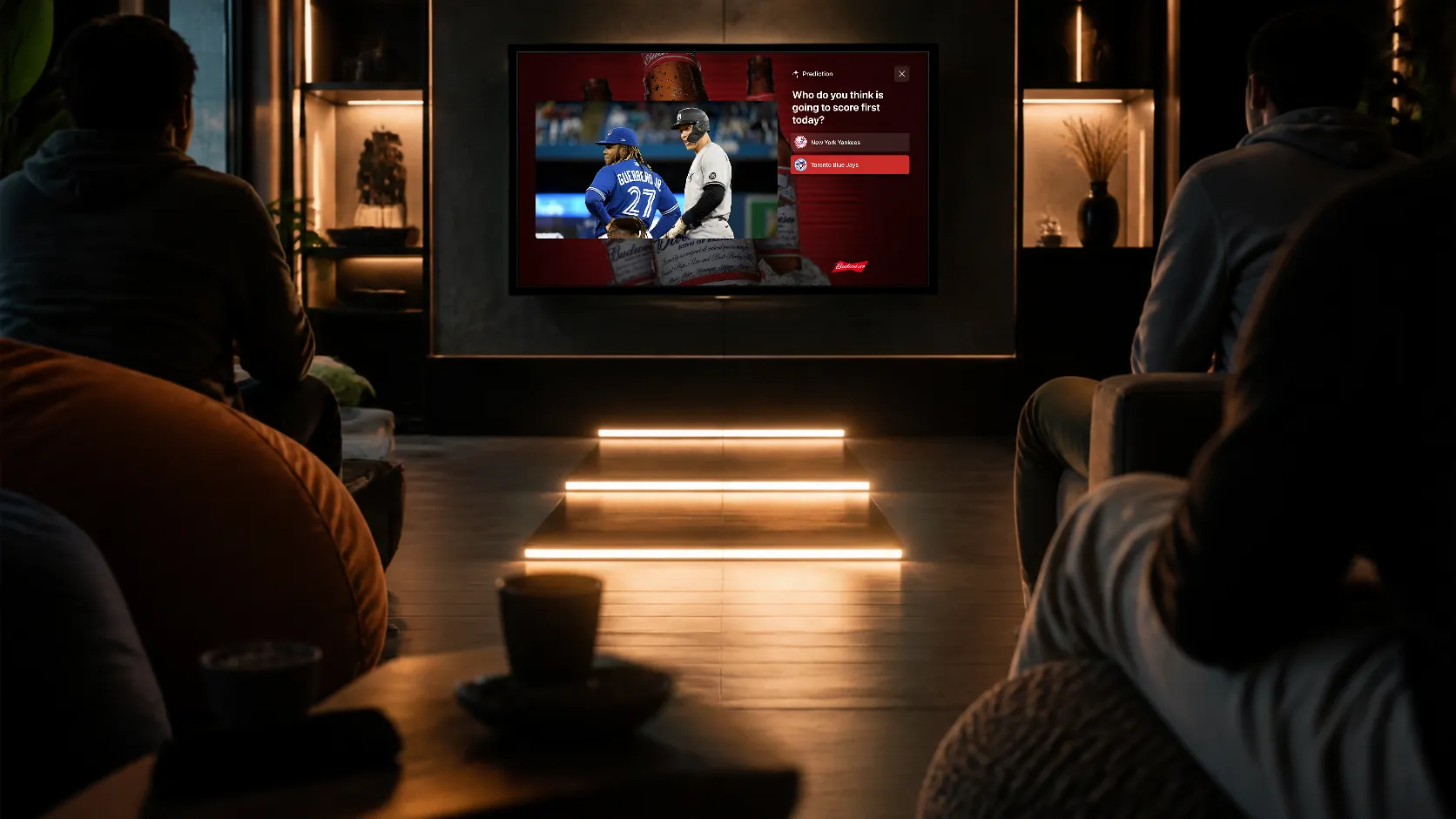
A sponsor can fund a relevant prediction, trivia question, or insight with clear branding. The activity should offer something useful to the viewer and a defined outcome for the advertiser. Keep advertising recognizable and distinguish sponsored placements from editorial information.
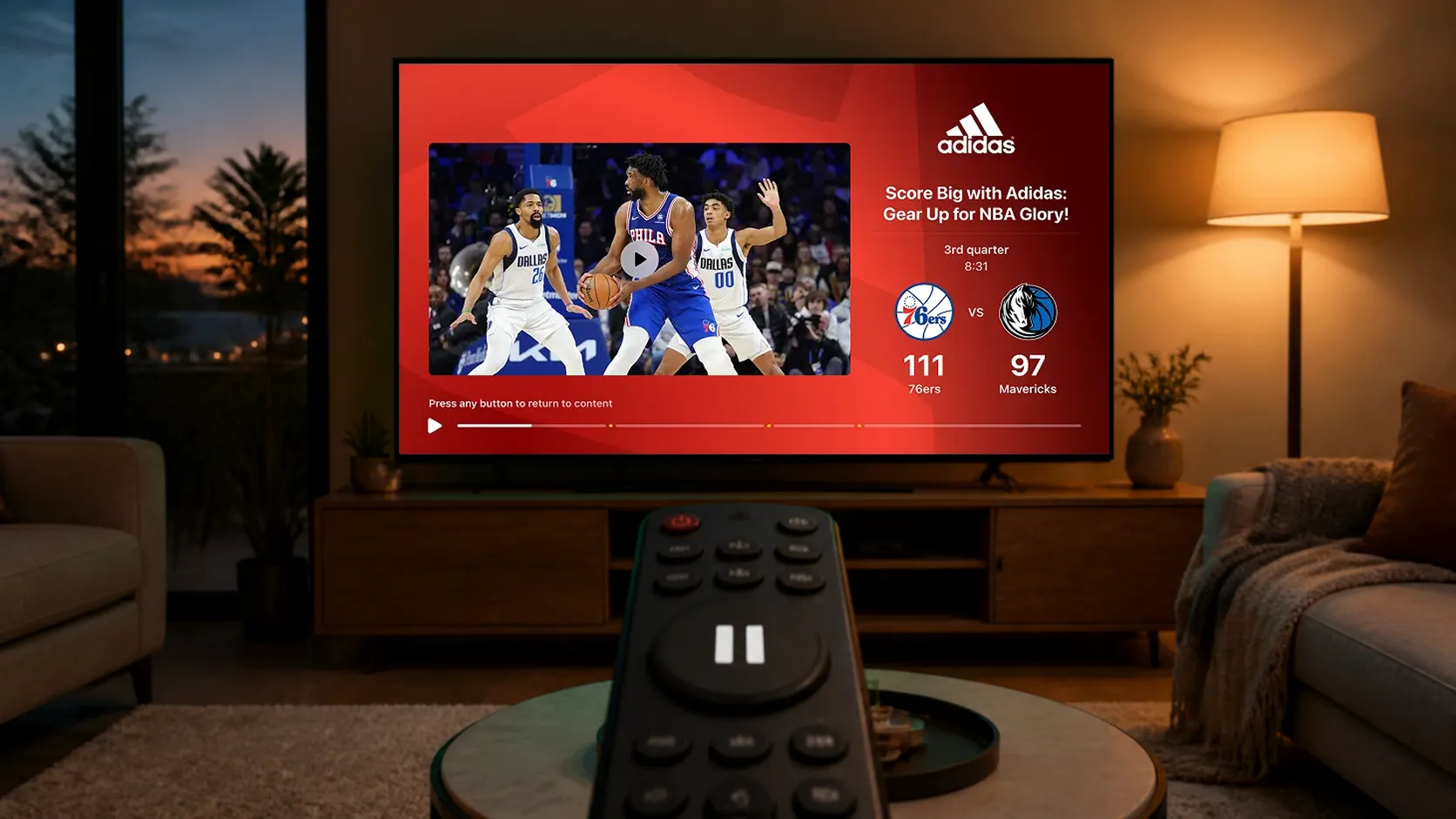
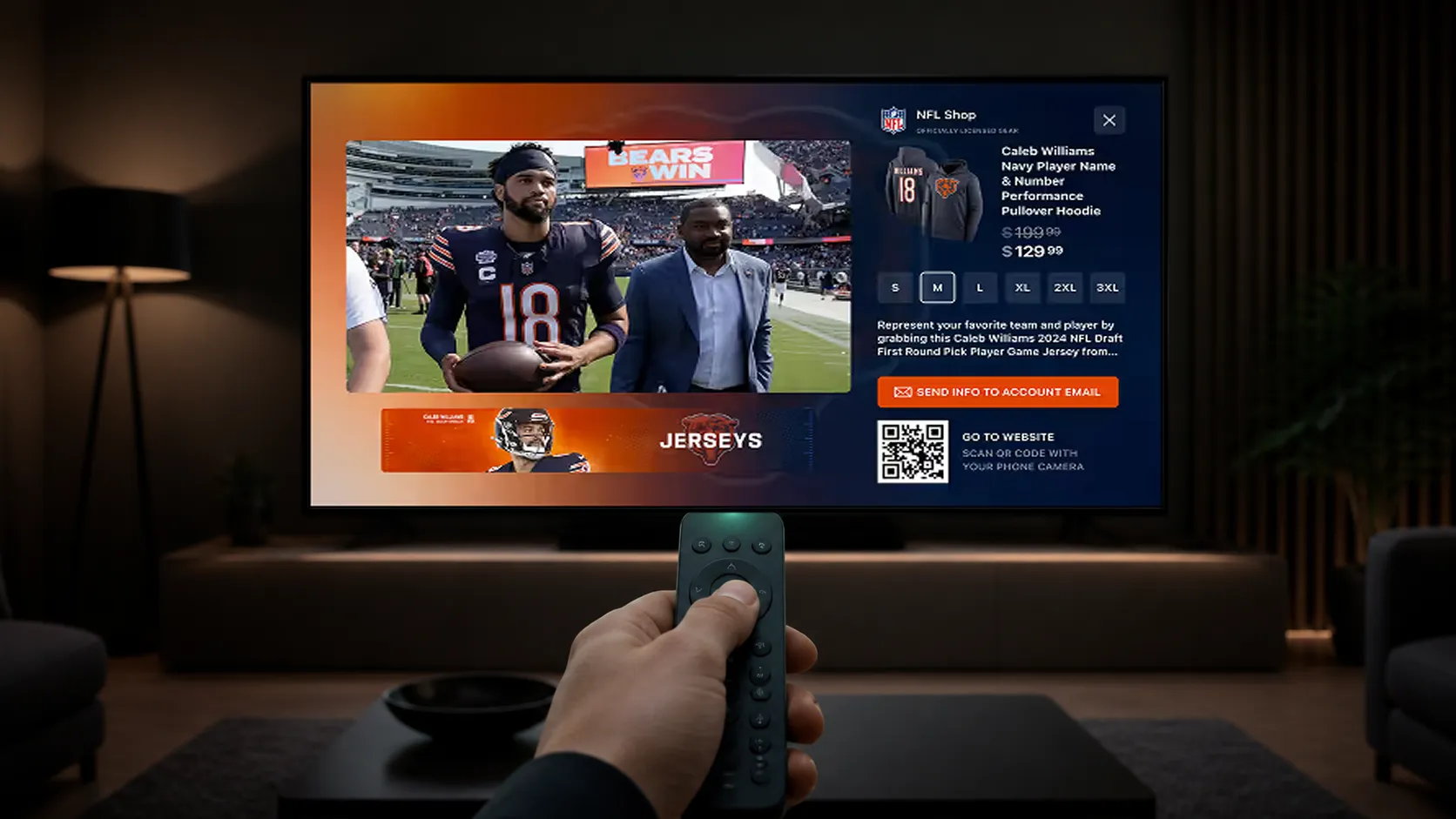
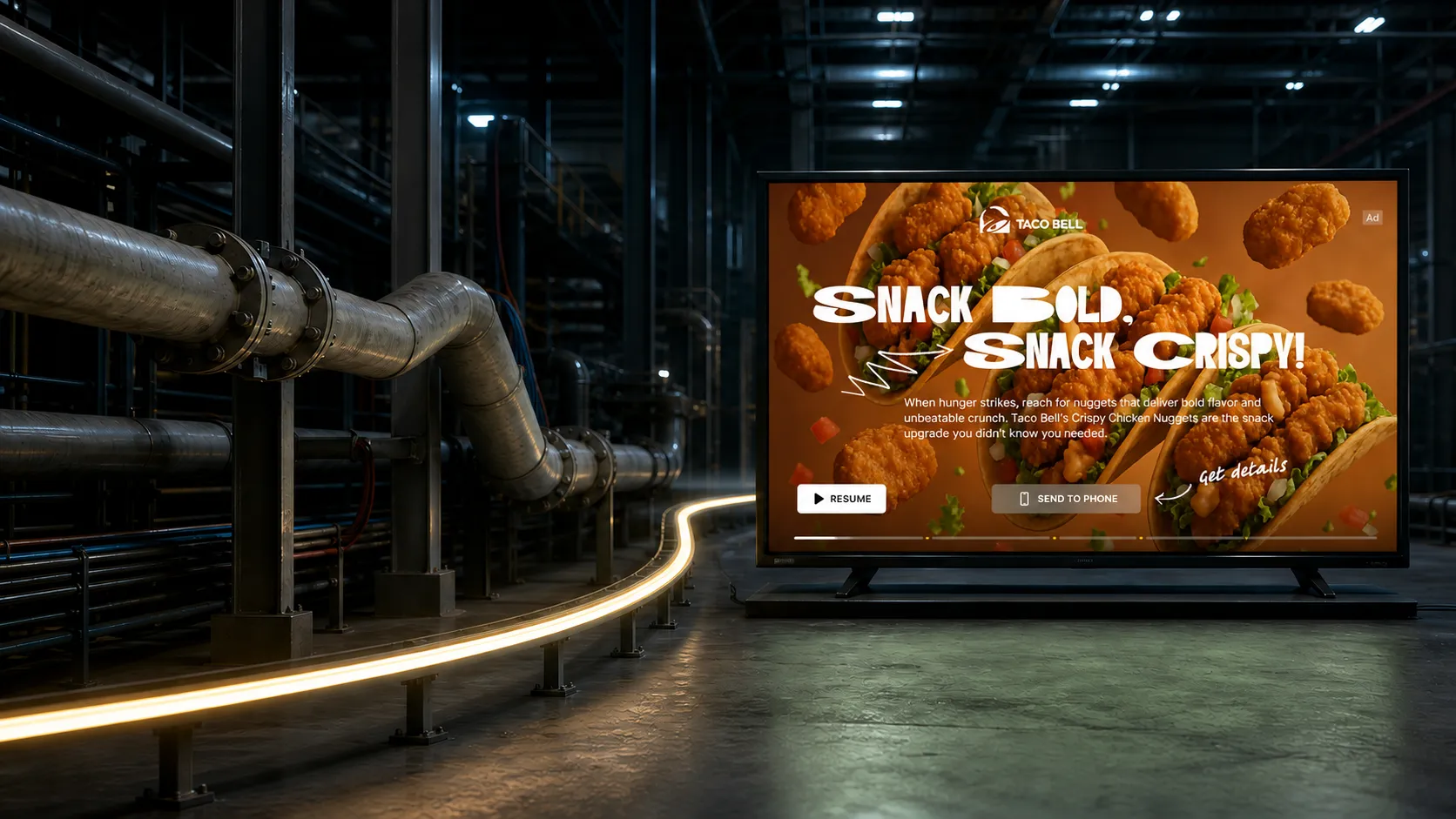
These experiences support StreamLayer’s core advertising offering, including Live Moment Ads and Pause Ads. Sponsorship should be selective; every question or game event does not need an advertiser.
What makes the experience usable?
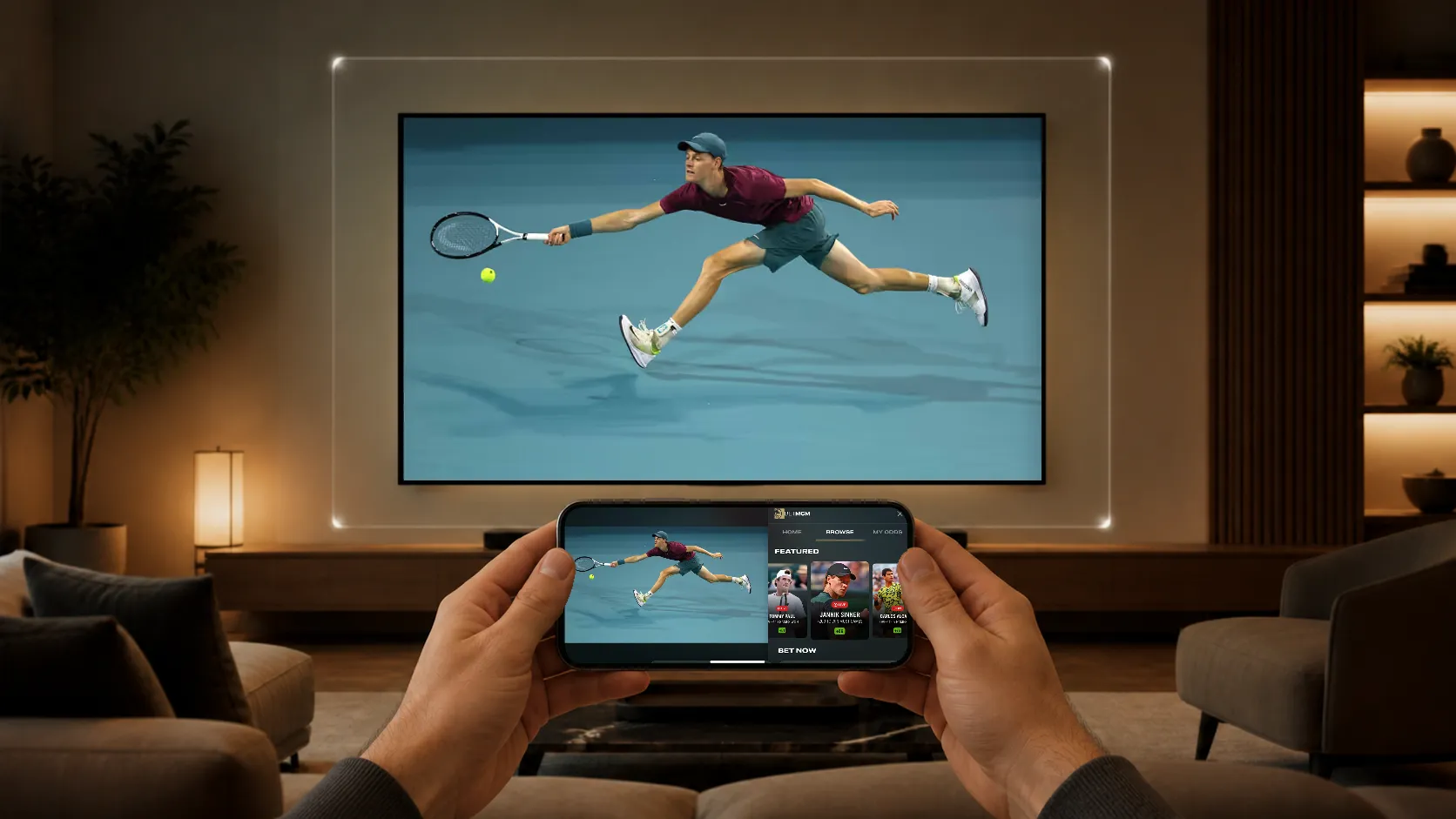
Design first for CTV remote navigation, then adapt for mobile touch and web keyboard or pointer input. Use readable text, clear focus, a short response path, and a visible close control. Protect captions, scores, and the action.
Account for video delay when opening and closing predictions. Stop accepting answers before viewers can know the outcome, and define how corrections, cancellations, or delayed data affect scoring.
How do you measure whether it works?
Track eligible viewers, displayed prompts, participants, completed responses, and repeat participation. Compare viewing behavior with a suitable control or staged rollout. People who already love a sport may be more likely to interact, so longer sessions among participants alone do not prove the feature caused the difference.
Evaluate net sponsorship revenue, operating effort, exits, and complaints alongside participation. Expand only when the feature improves the viewer experience or commercial outcome sufficiently to justify its cost.