CSAI vs SSAI vs SGAI: Which Roles Does Your Stack Need?

Updated September 8, 2026 · StreamLayer
What is the difference between CSAI, SSAI, and SGAI?
CSAI manages ad playback on the client. SSAI inserts video advertising into a server-delivered stream. SGAI combines server guidance with client presentation. These labels describe delivery approaches; they do not, by themselves, prove targeting quality, measurement coverage, or commercial performance.
CSAI: client-controlled playback
In a client-side workflow, the player or its advertising SDK requests and plays advertising. Ad decisioning can still take place on an external ad server; client-side insertion does not mean every decision happens locally. Evaluate startup, transitions, tracking, and failure behavior on the actual player and device. Avoid assuming that one implementation’s weaknesses apply to all CSAI systems.
SSAI: server-side video insertion
SSAI delivers video ads as part of a server-assembled stream. The client may still process metadata and report ad events. Google documents both SDK and API paths for its SSAI implementation, including client tracking. Reliable transitions are an implementation outcome to test, not an unconditional promise made by the acronym.
SGAI: server guidance and client presentation
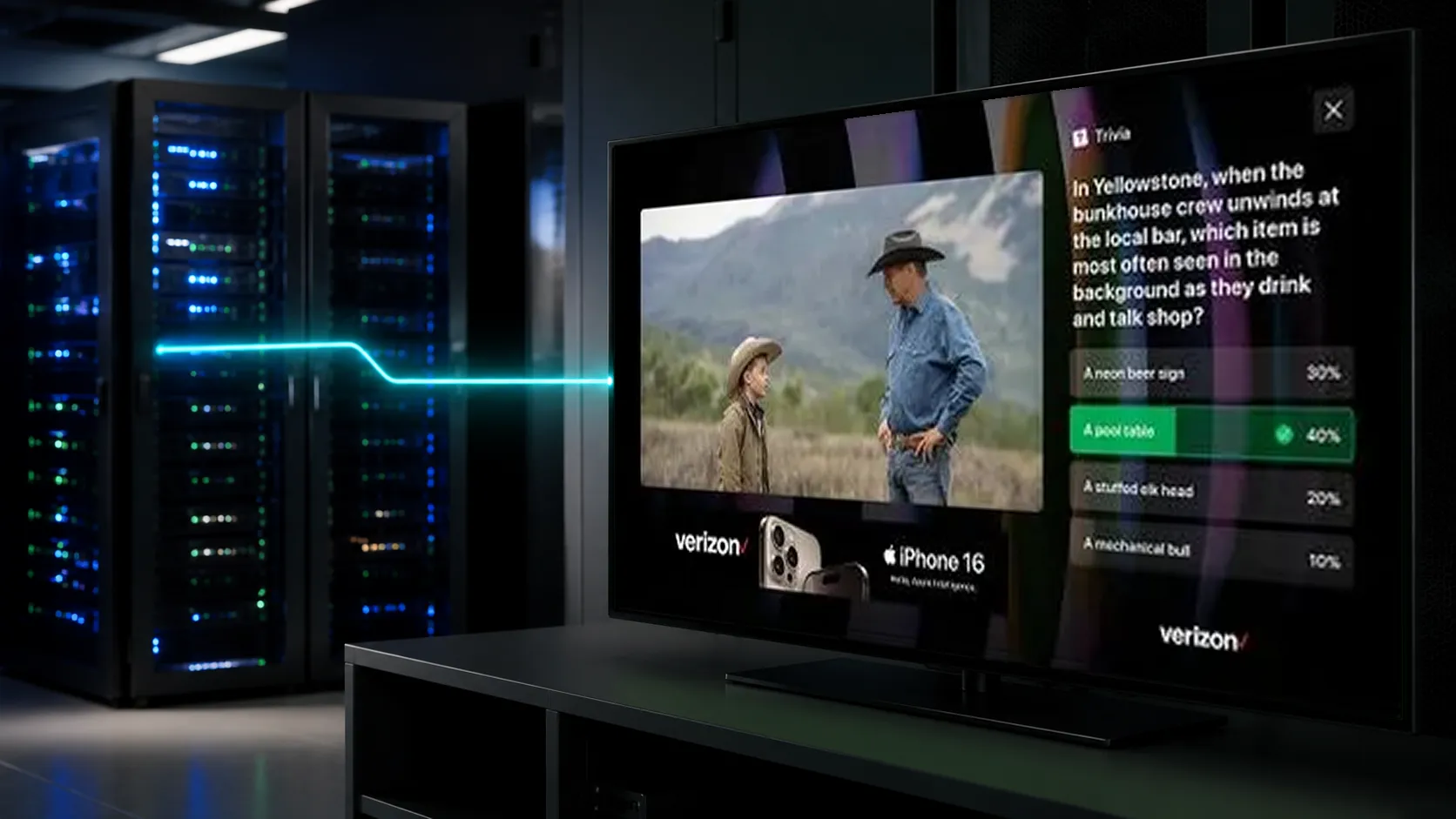
The division of work varies. MediaTailor’s guided mode uses separate ad playlists. StreamLayer SGAI uses server orchestration and SDK-rendered interactive experiences. Ask vendors to draw the delivery path for the use case you intend to launch, rather than comparing the label alone.
Where does StreamLayer fit?
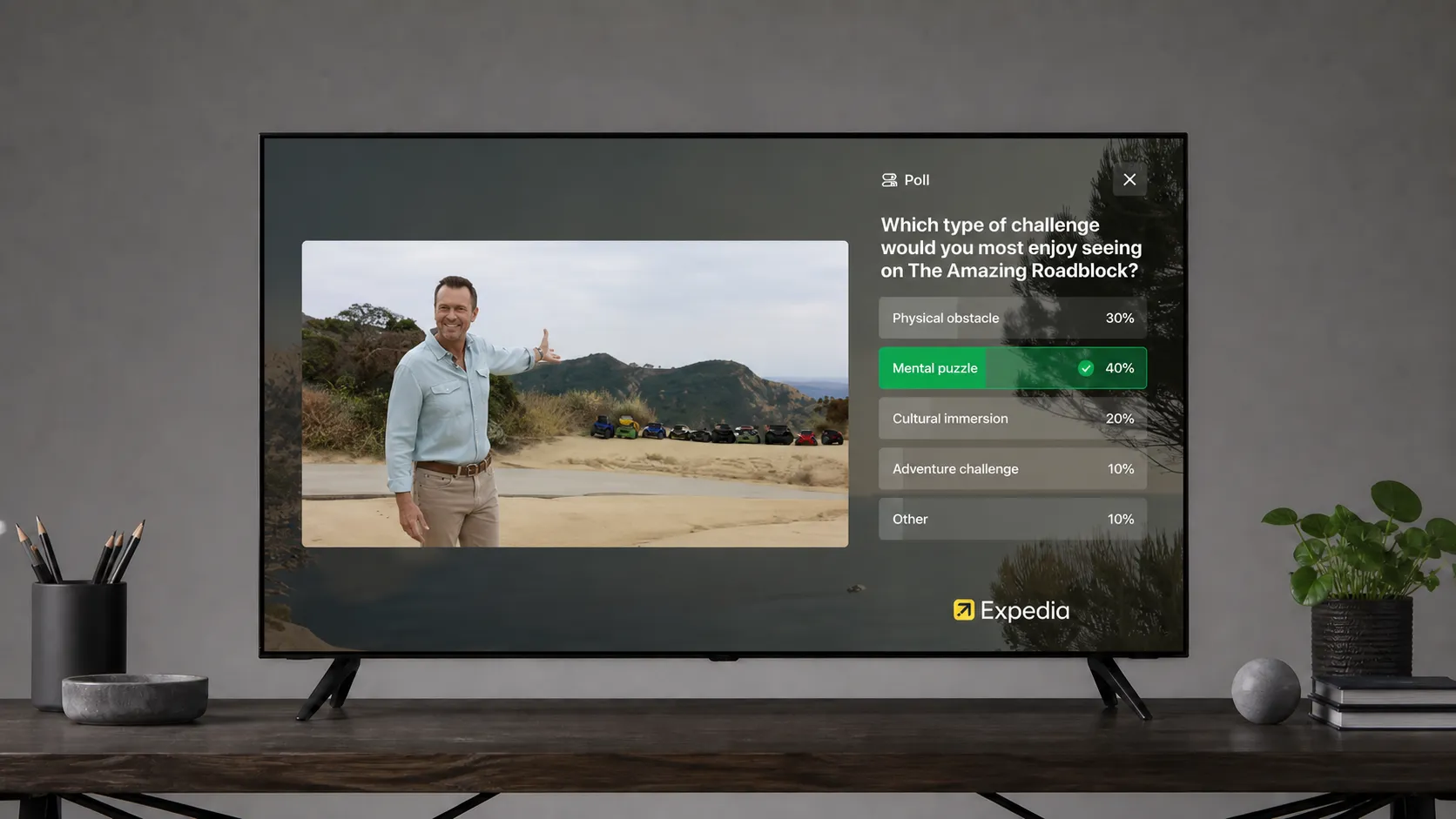
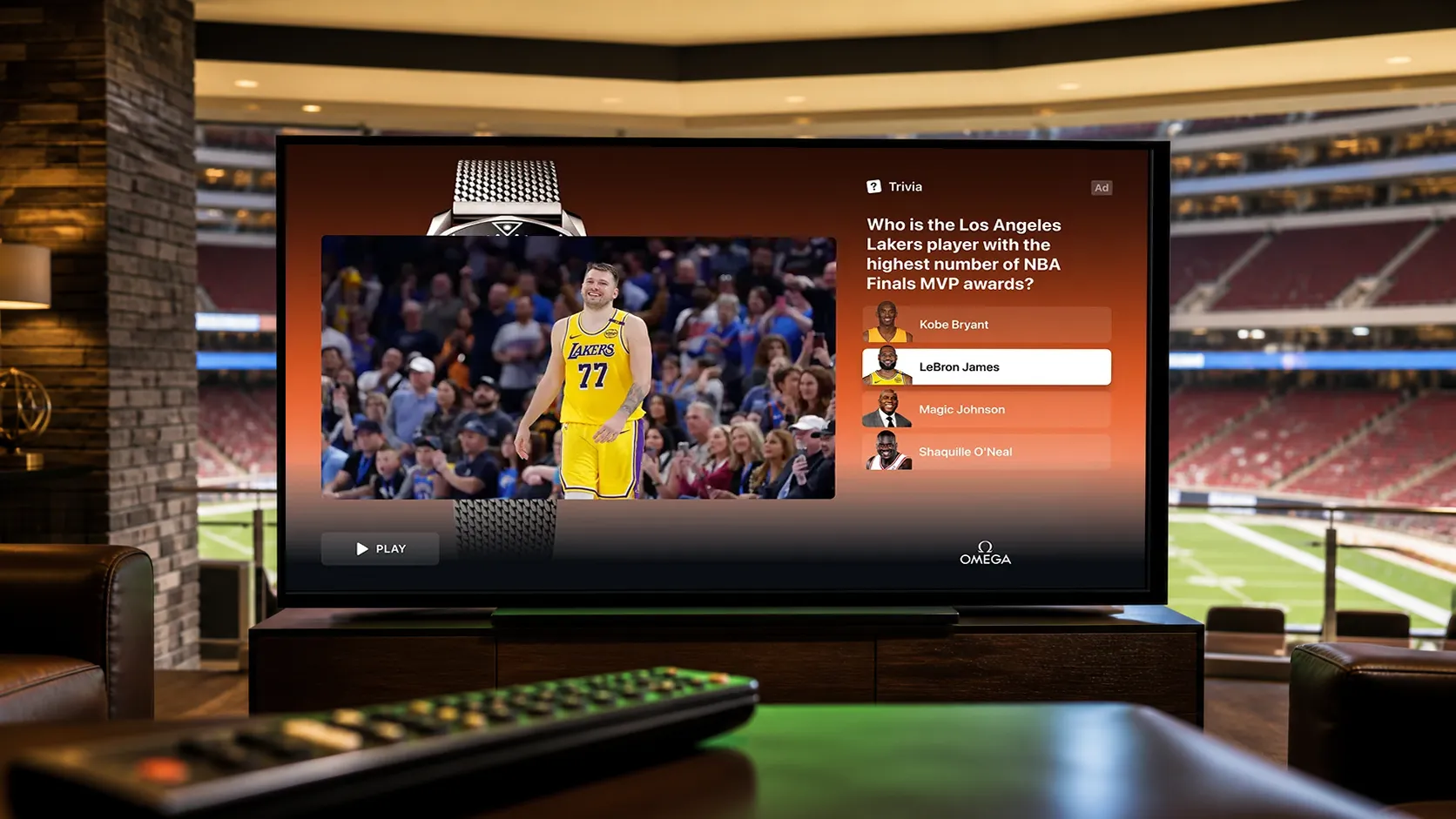
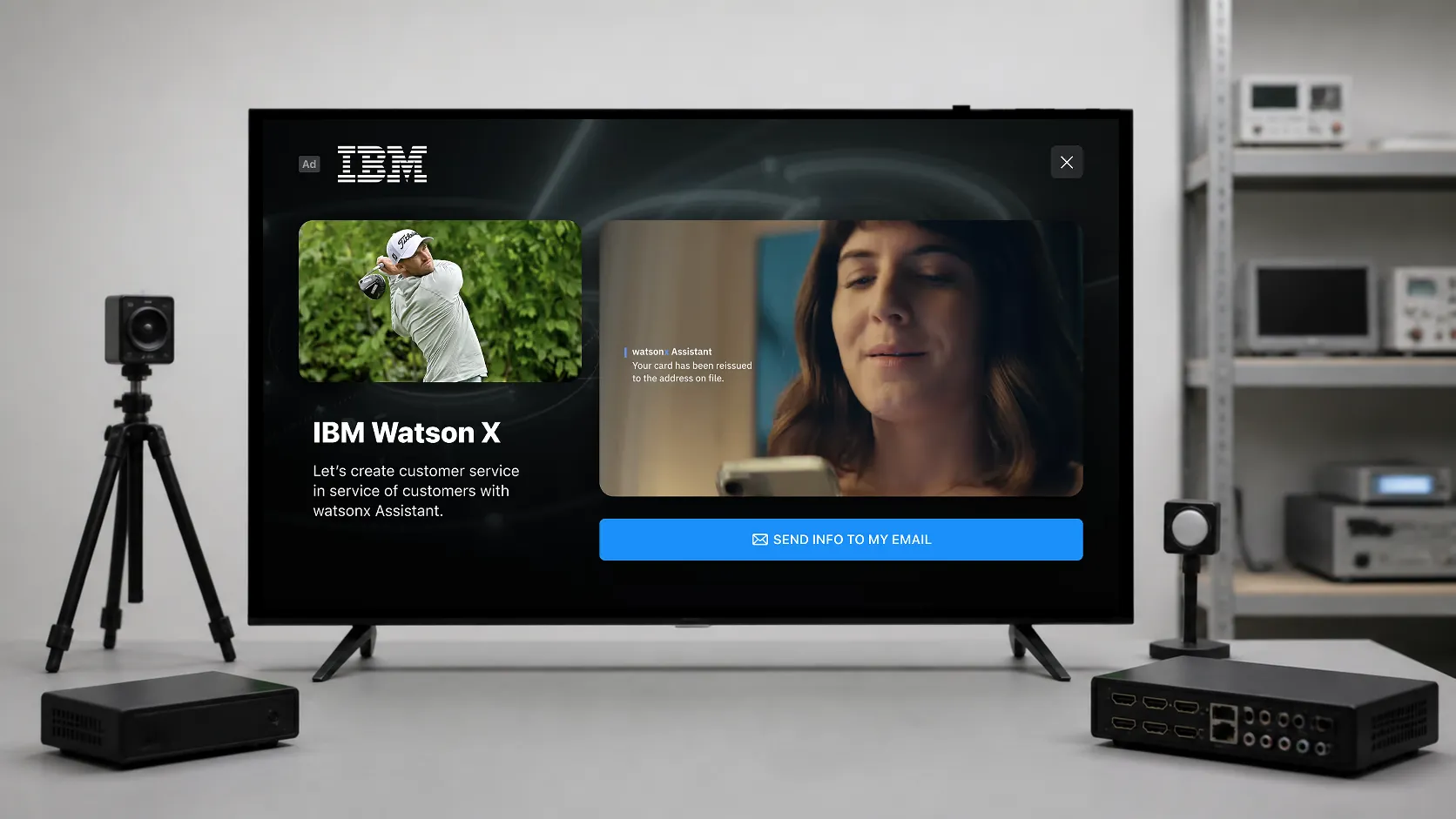
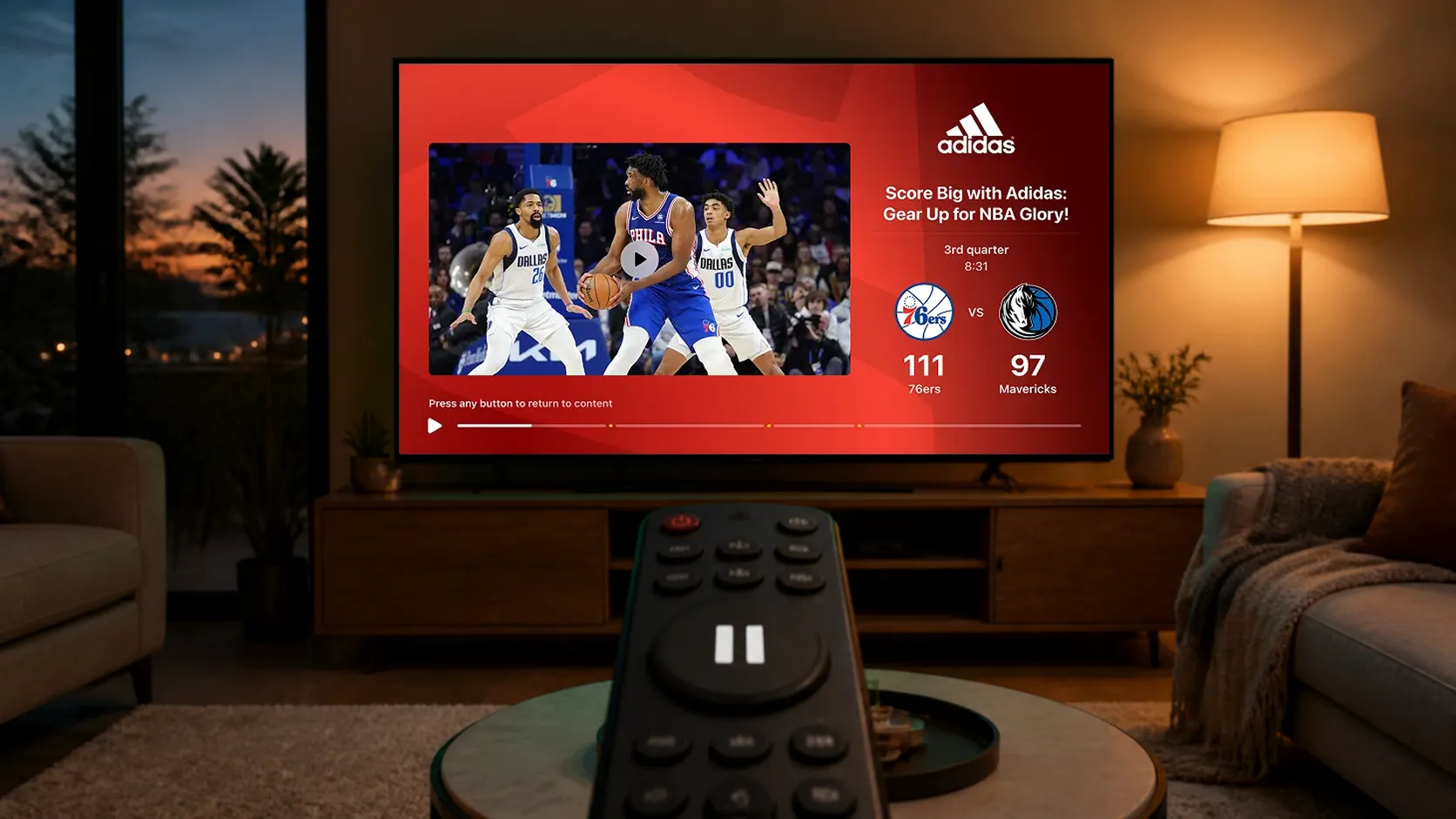
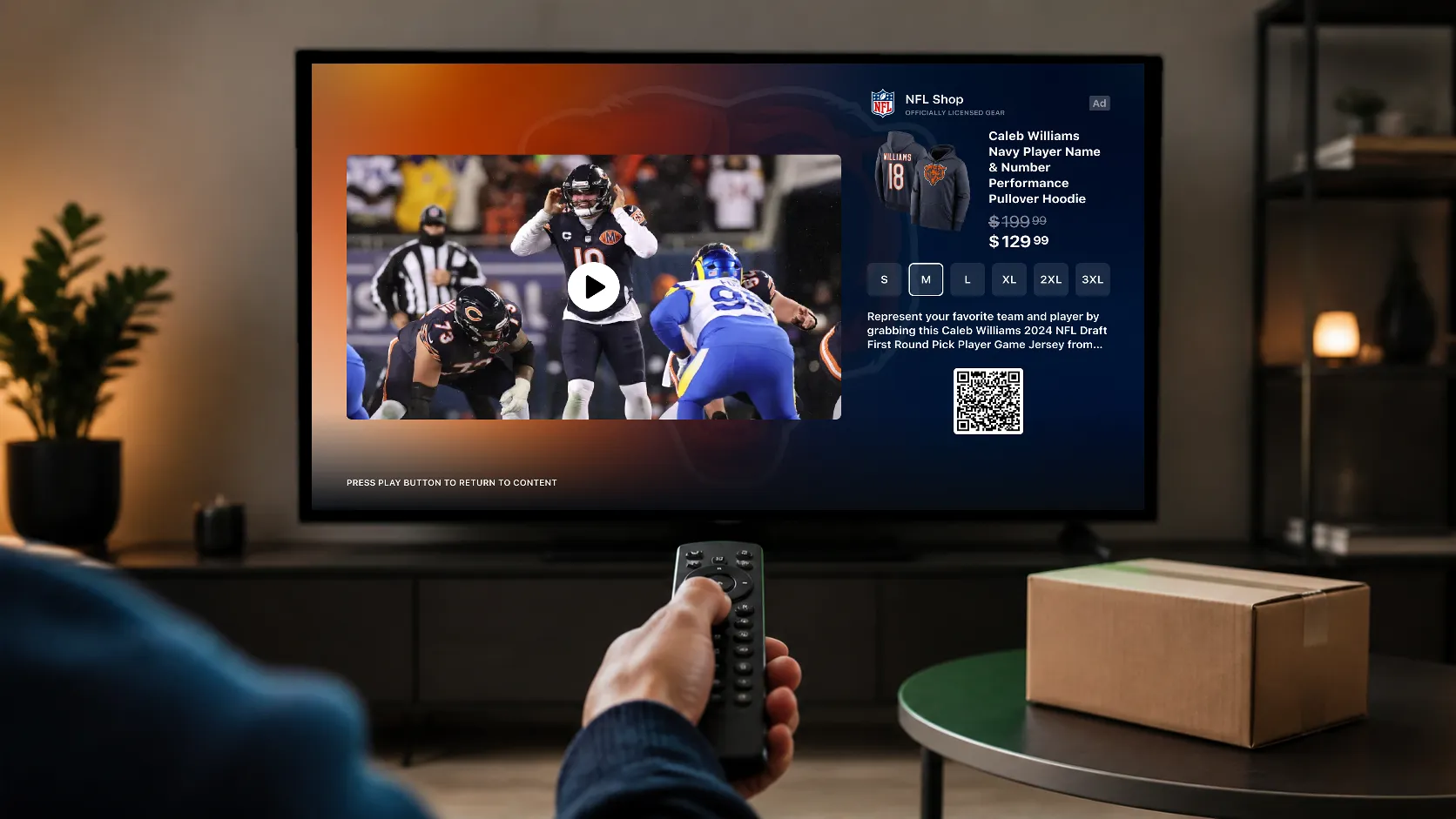
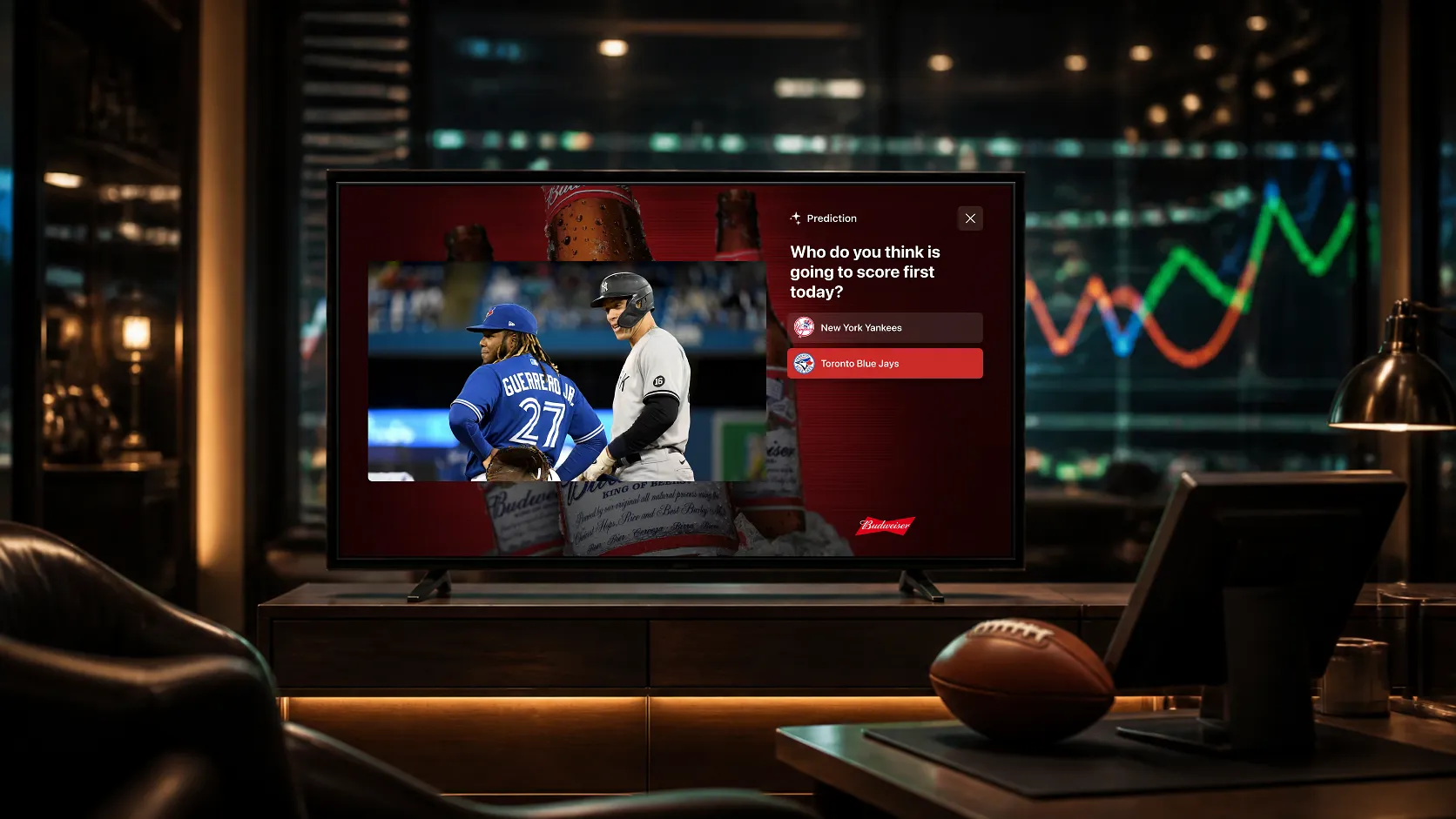
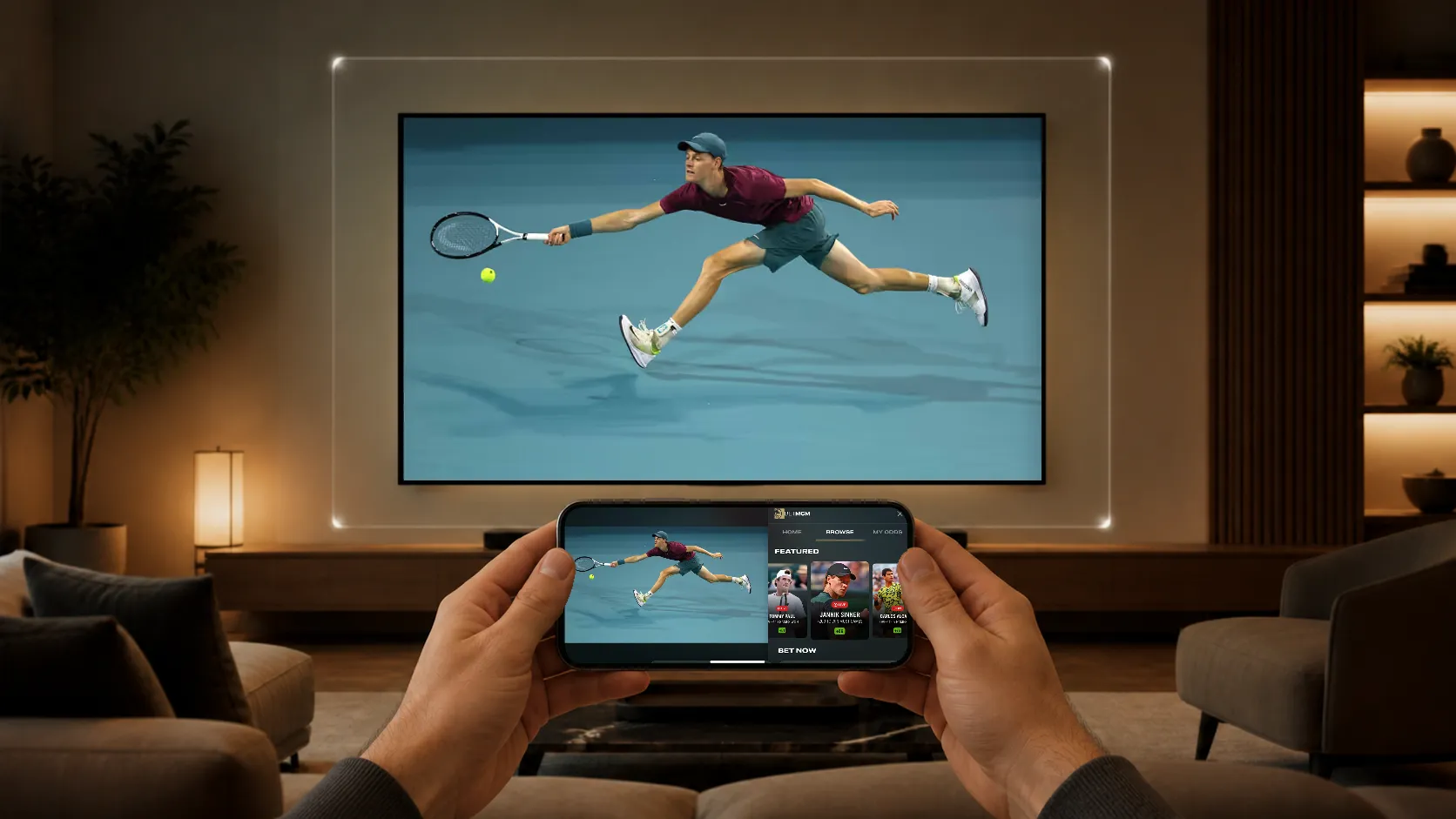
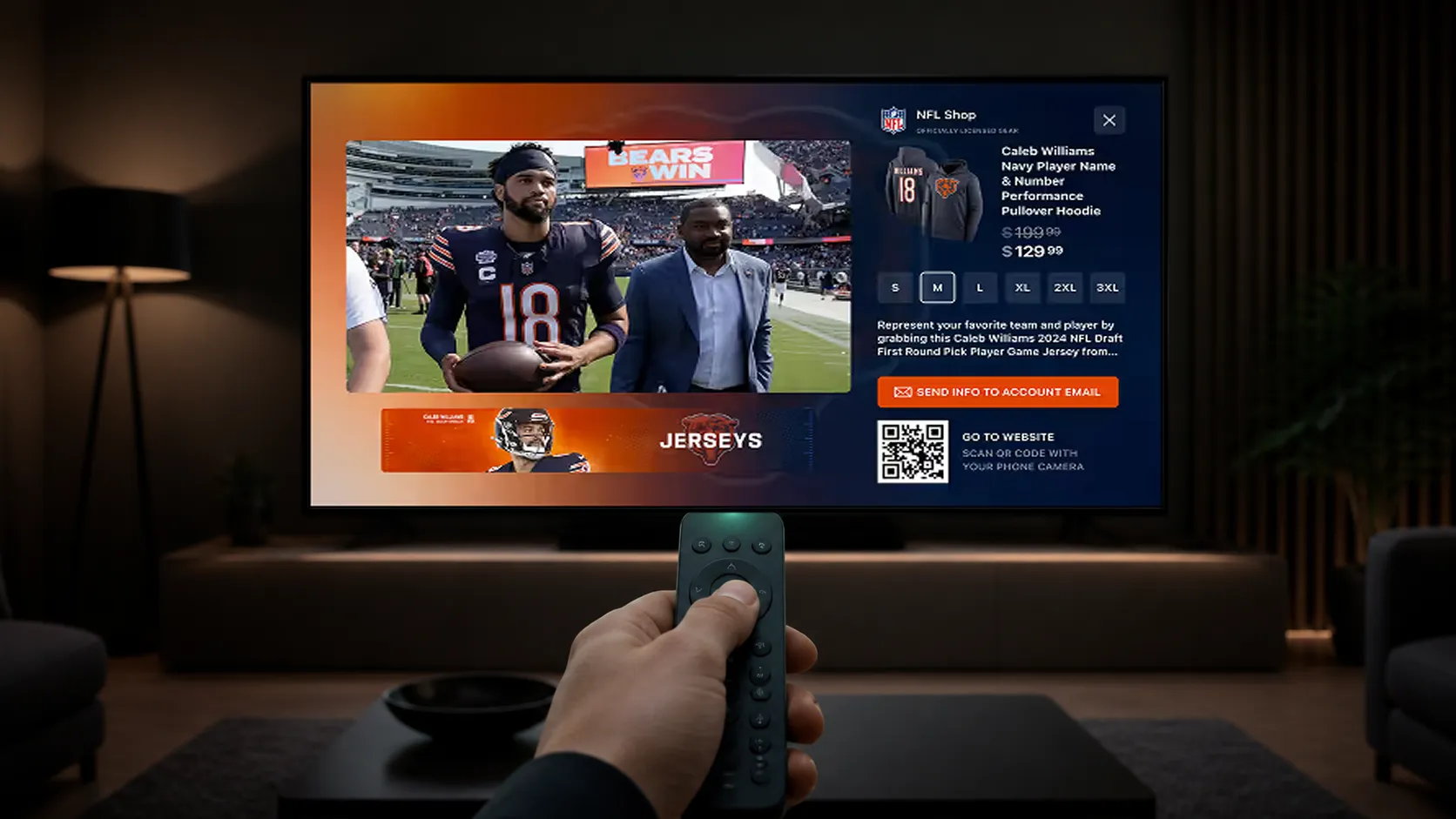
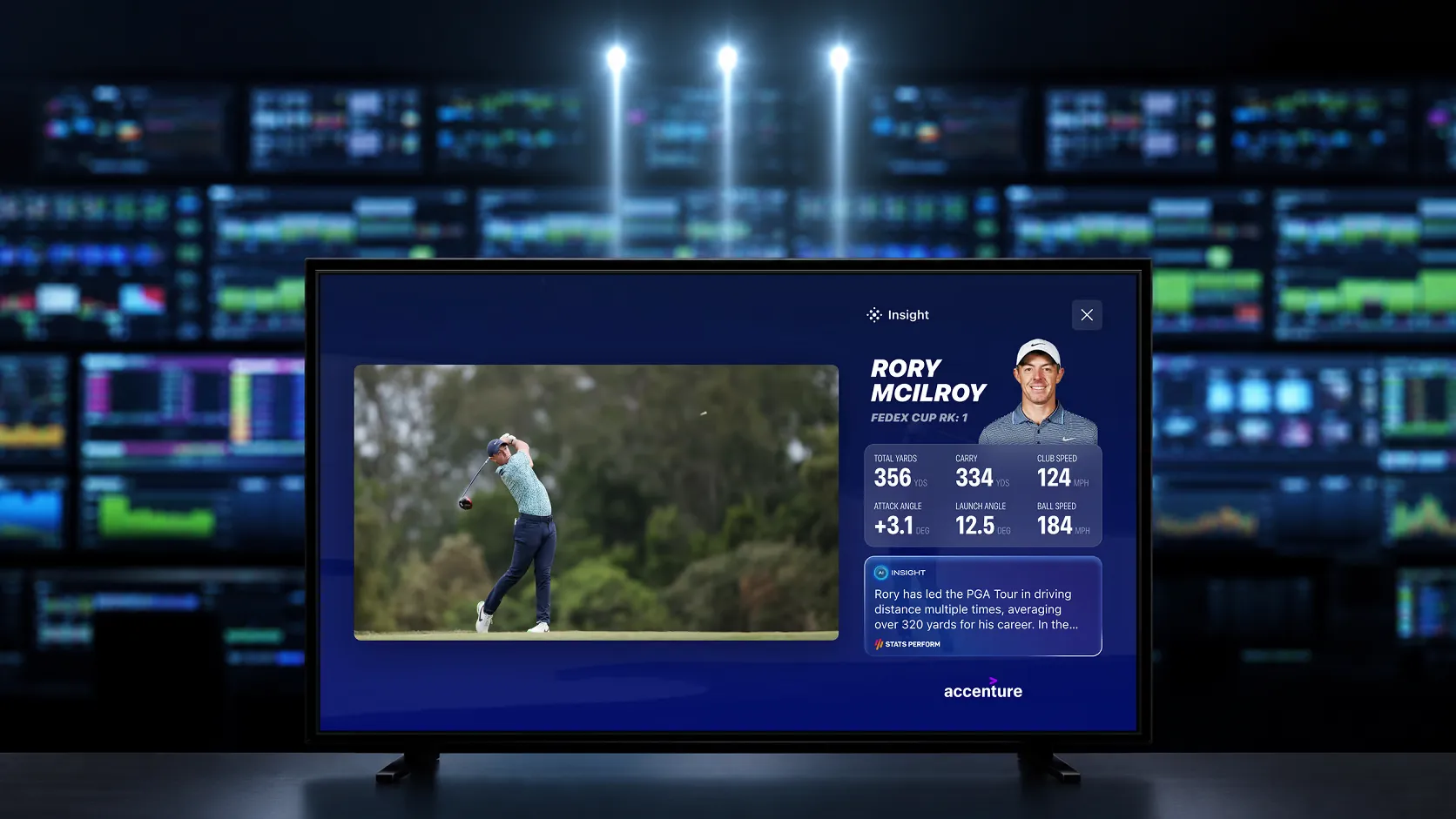
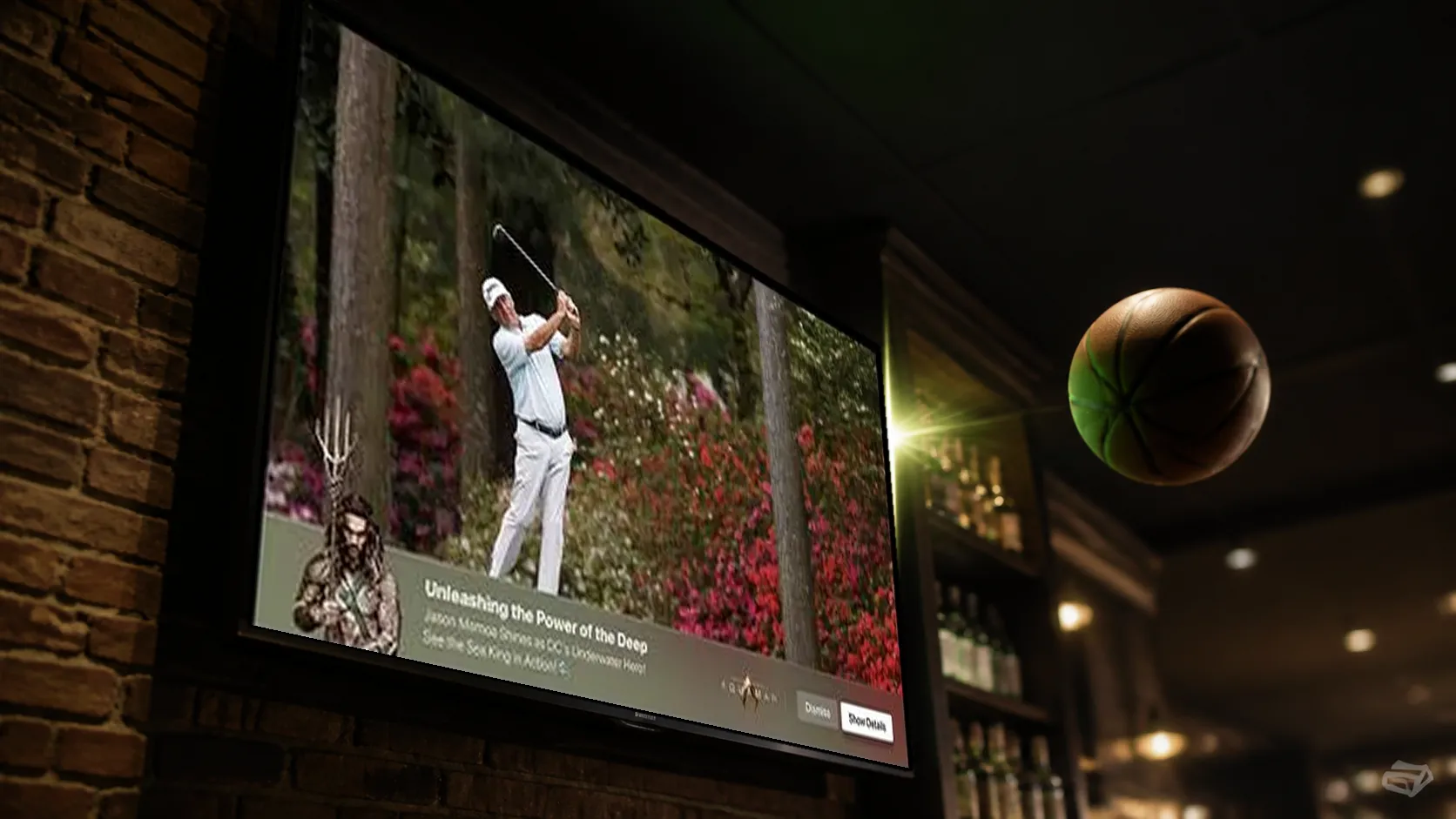
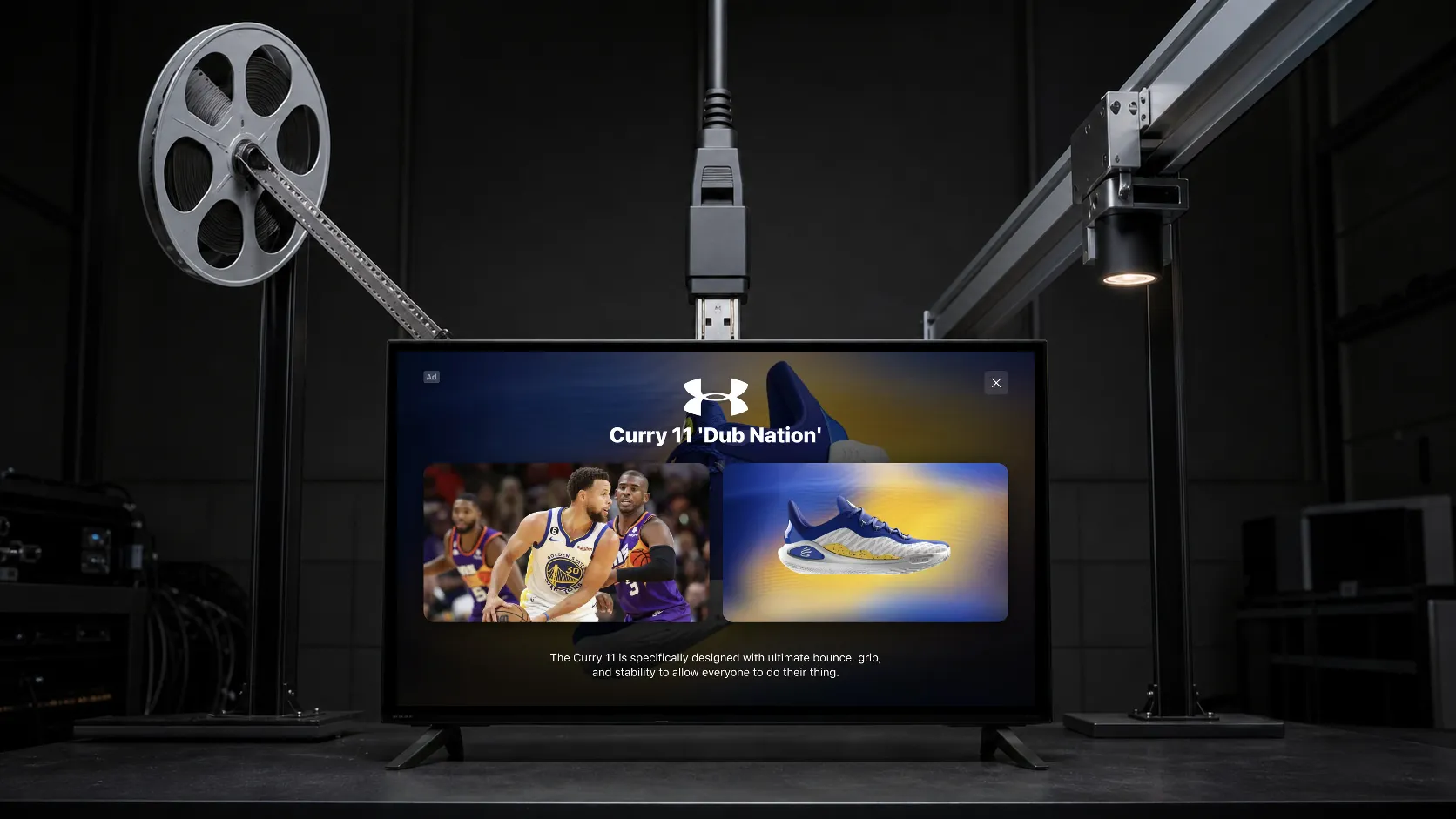
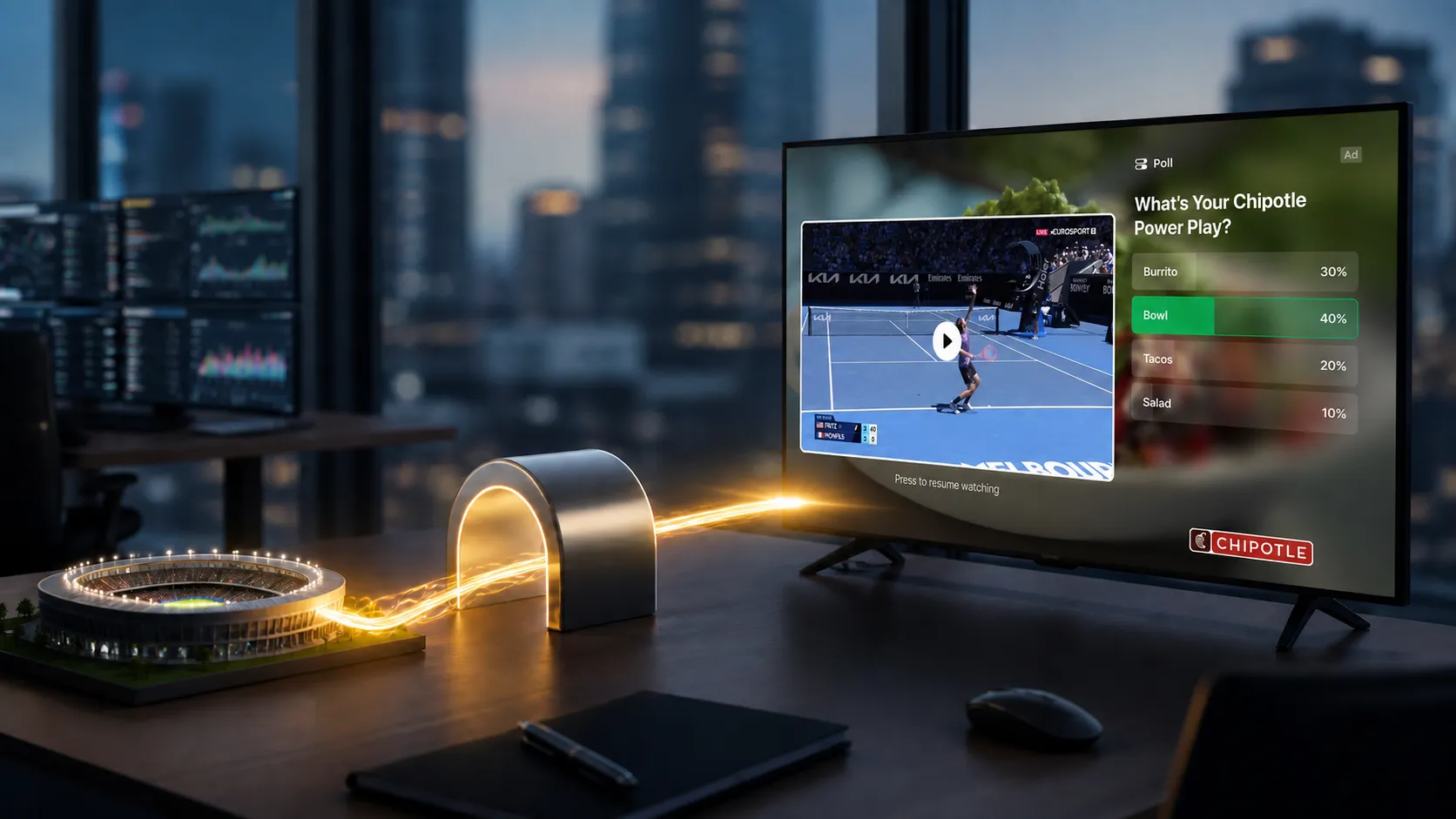
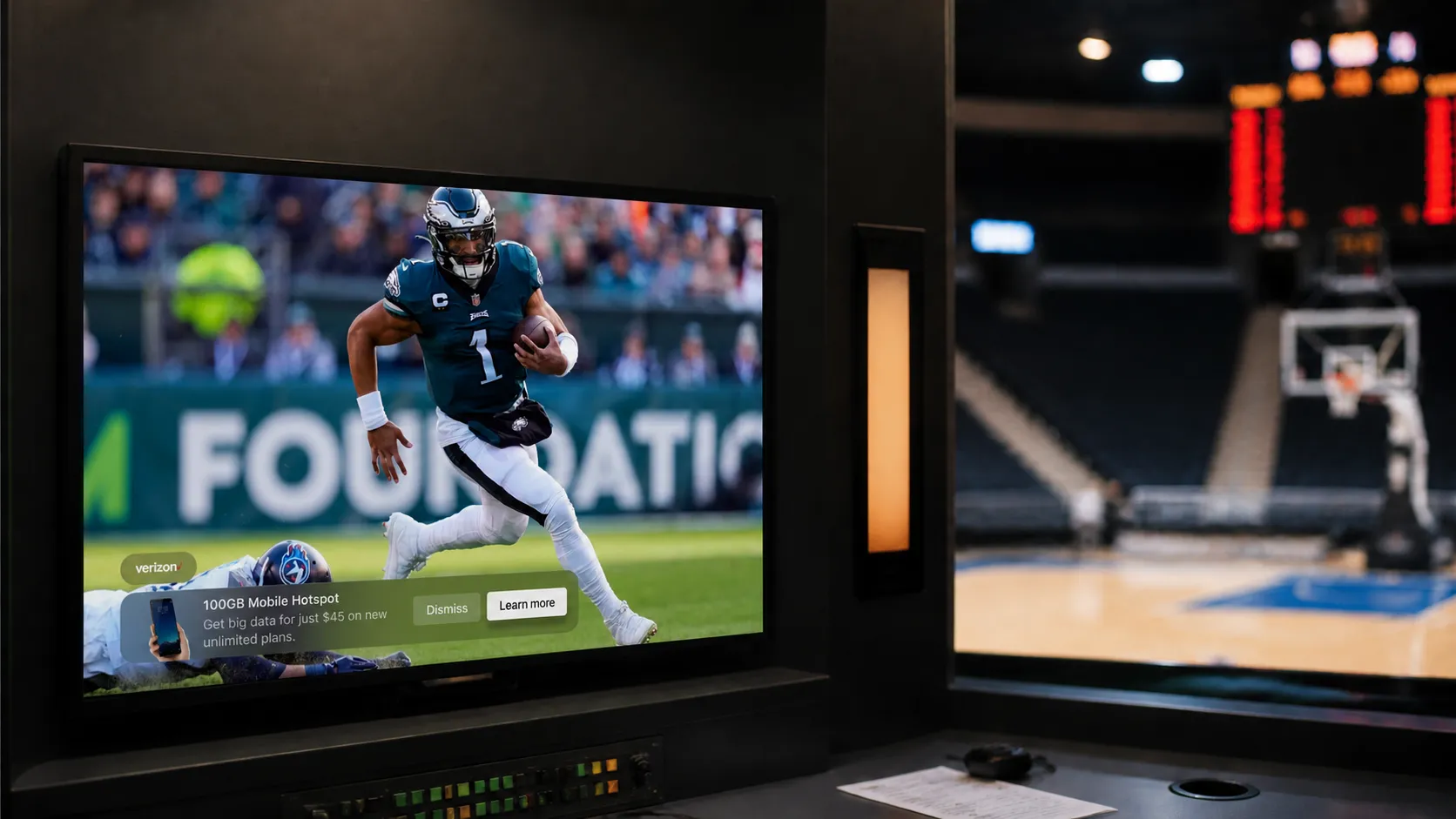
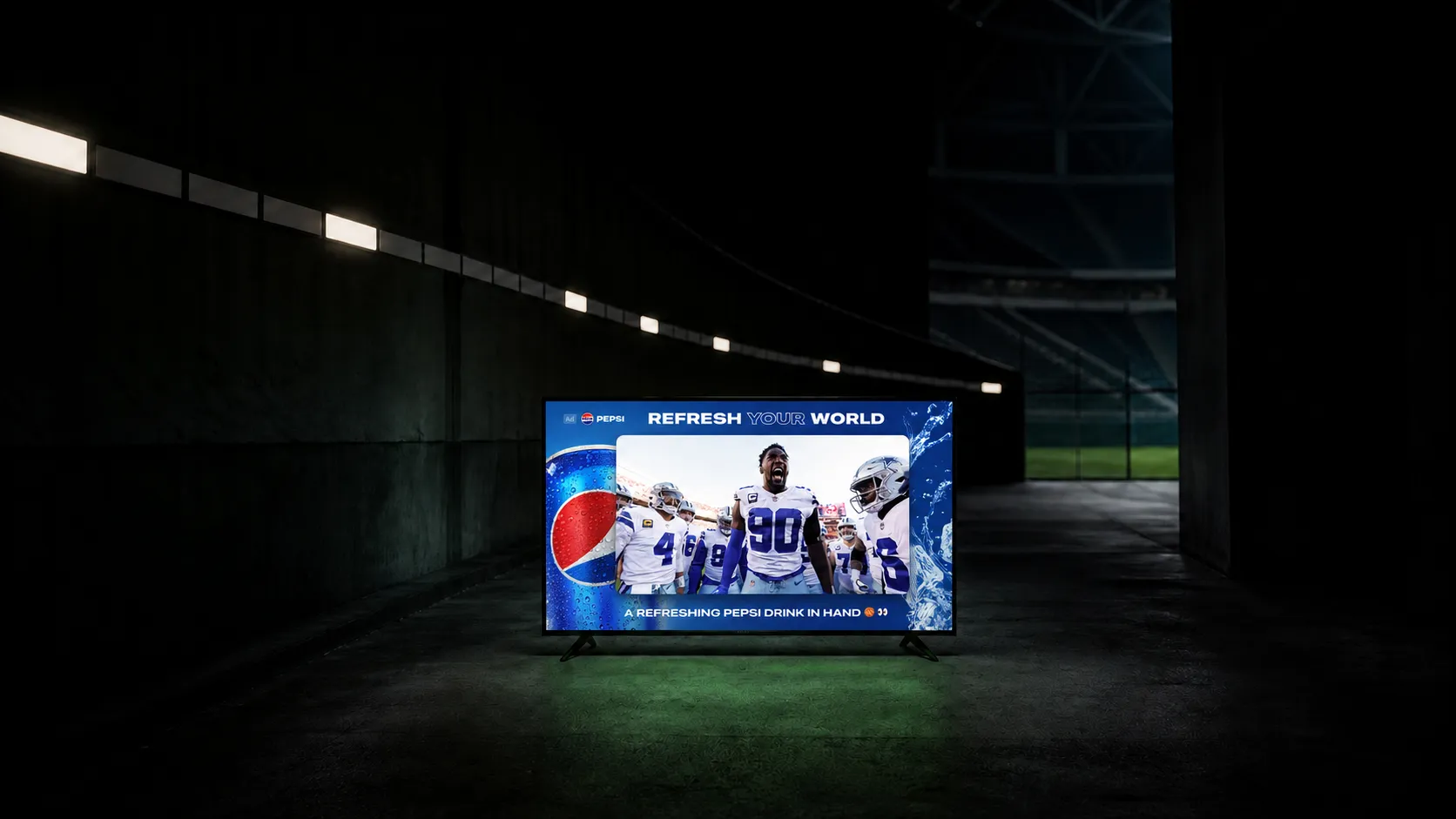
StreamLayer adds live nonlinear ads, interactive pause ads, and synchronized interactive companions. It does not replace the publisher’s SSAI, CSAI, ad server, SSP, DSP, or production workflow. For squeezeback layouts, the host app resizes the video and provides the area in which the SDK presents the companion. For an SSAI spot, the existing provider continues delivering the video creative.
Compare requirements, not blanket rankings
For video delivery, assess startup, rebuffering, transitions, stream recovery, and supported formats. For interactive advertising, assess input controls, creative presentation, action handling, synchronization, and closing behavior. For operations, assess inventory configuration, reporting ownership, troubleshooting, and total cost. For commercial planning, assess available demand and eligible audience reach.
Can these approaches coexist?
Yes. A publisher can retain server-stitched ad breaks, use client logic for tracking, and add StreamLayer experiences around selected moments or pauses. Decide which system owns each signal and report so one campaign does not accidentally count a stitched video impression and its companion as the same event twice.
How should you choose?
Choose the architecture for the problem: video-ad delivery, new nonlinear inventory, pause monetization, or interaction with existing spots. Run a limited pilot on representative CTV, mobile, and web devices. Define success before launch and include viewer protections, not only ad revenue.
Related guides
Start with the SGAI overview, review the integration checklist, and explore Interactive SSAI.