Pause Ad Measurement: Metrics, Revenue, and Pilot Design
September 18, 2026 · StreamLayer
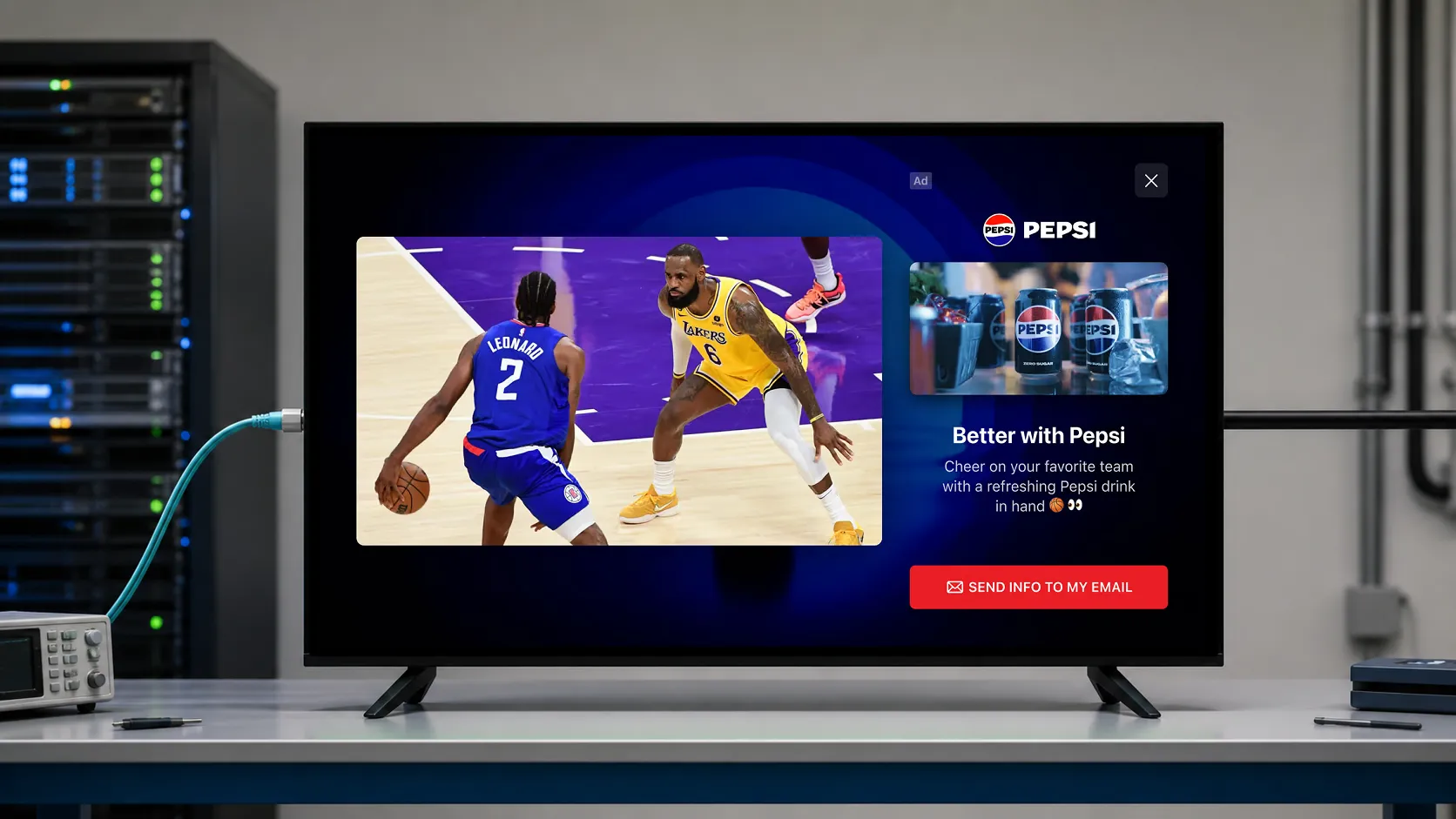
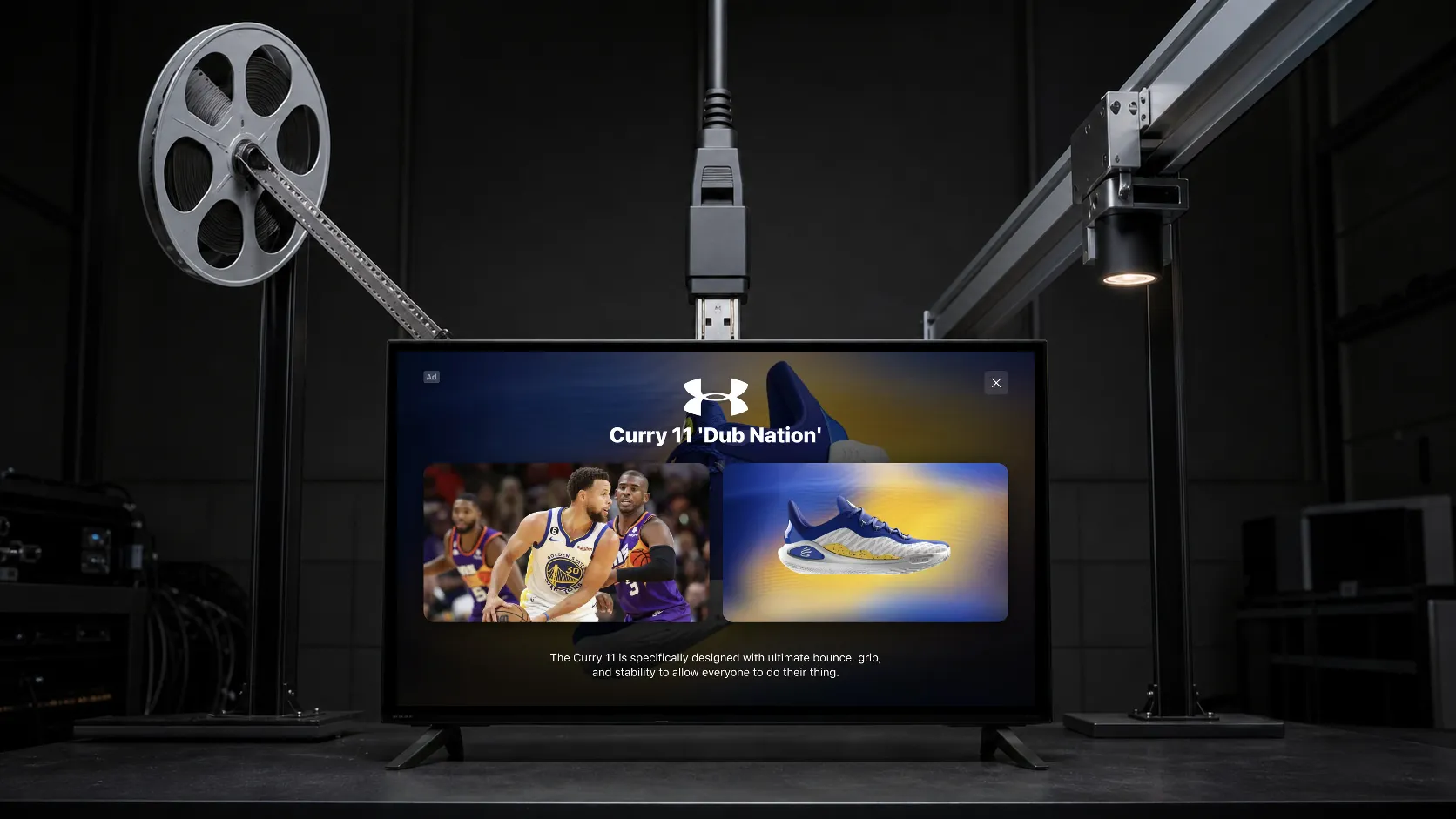
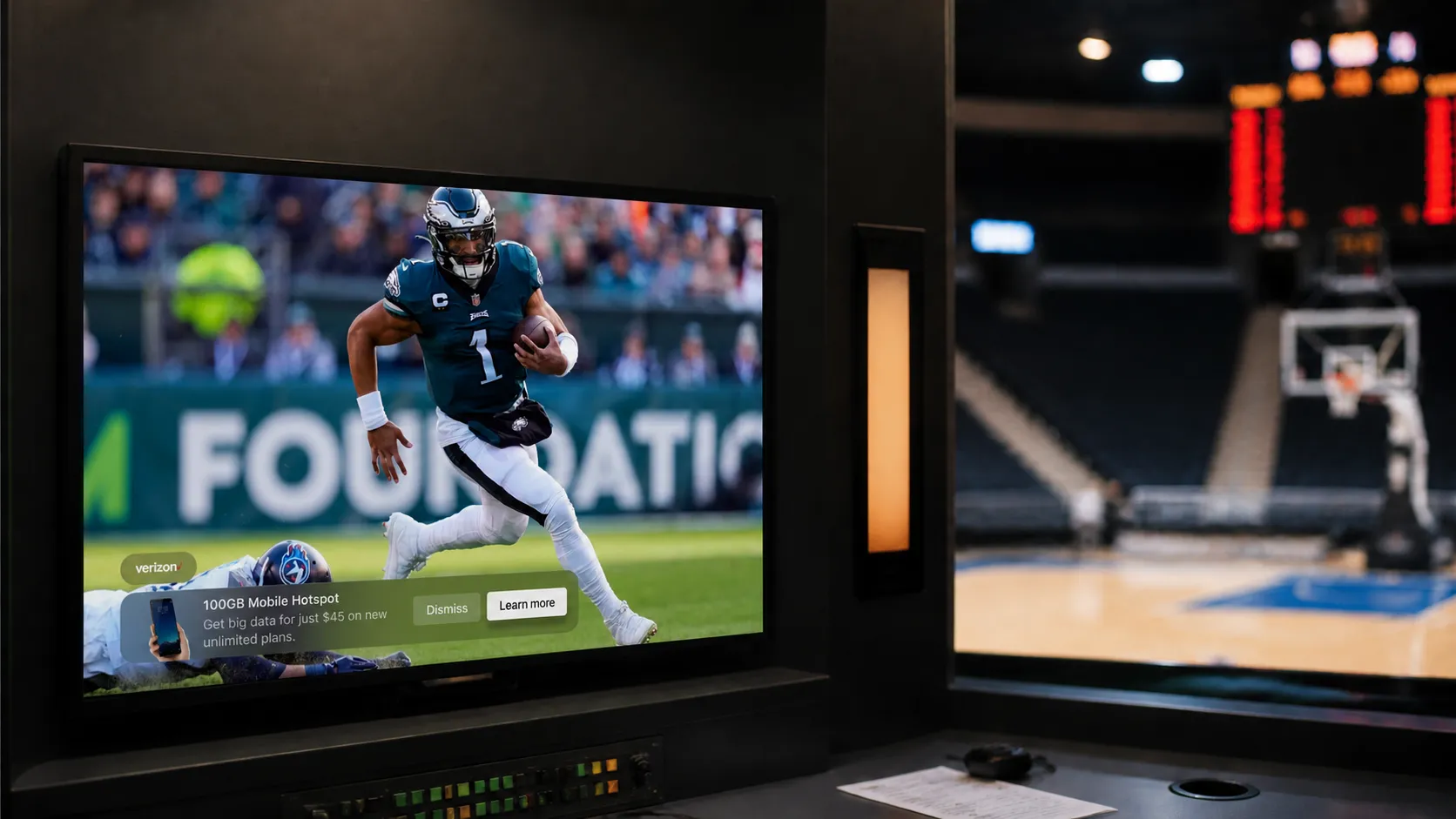
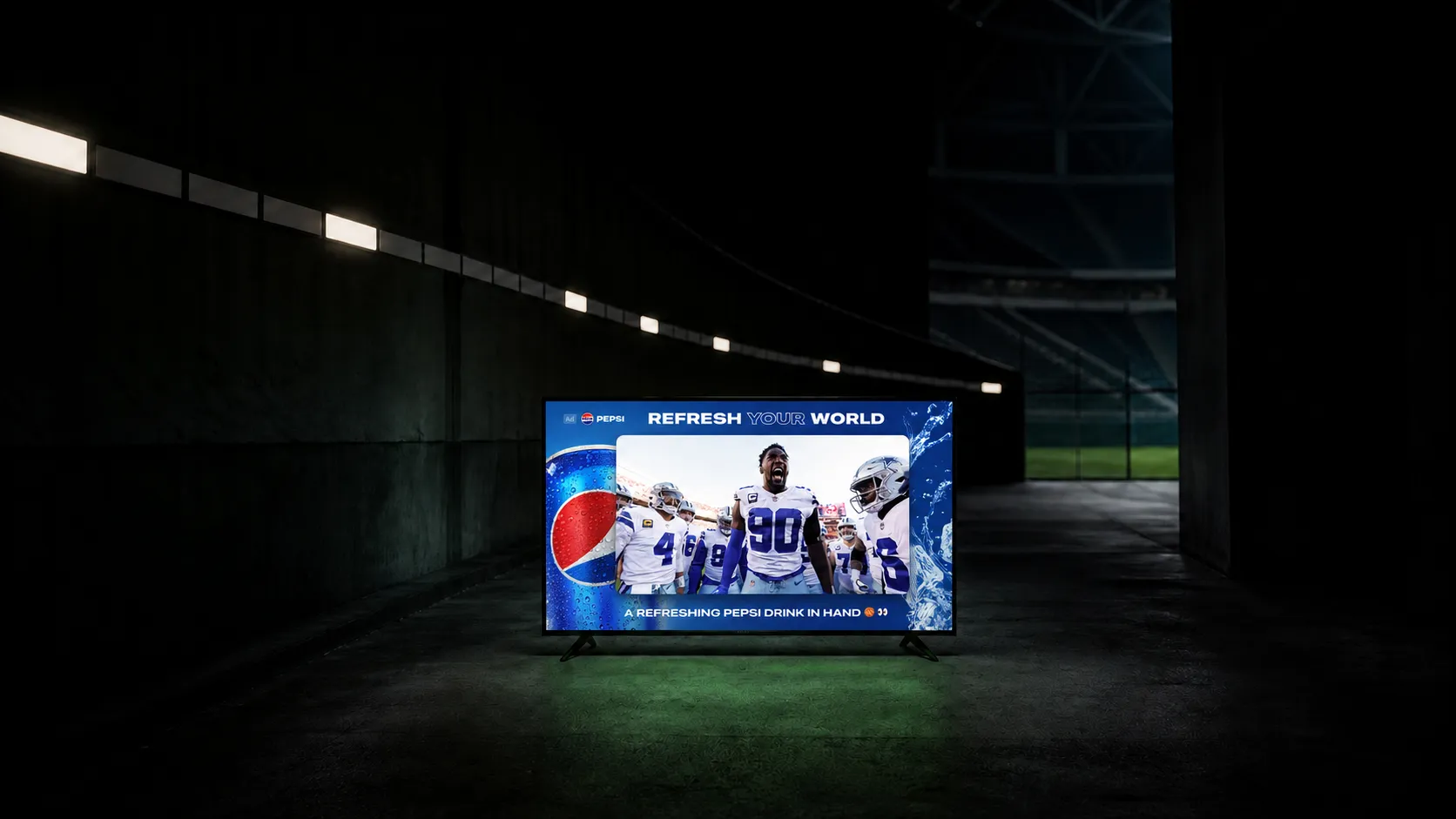
Pause ad measurement should separate delivery, viewer response, and commercial results. An ad rendered on a paused screen is not proof of attention. A QR scan is not a purchase. A revenue forecast is not a campaign result.
The framework below defines a pilot scorecard for publishers evaluating StreamLayer Pause Ads. It contains illustrative calculations, not StreamLayer customer performance claims.
Start with the delivery funnel
- Eligible pauses: pause sessions that meet the configured device, timing, content, and frequency rules.
- Ad requests: requests sent for eligible opportunities, under the agreed request policy.
- Creative readiness: valid creative loaded while the pause opportunity remains active.
- Rendered impressions: ads actually displayed under the agreed impression definition.
- Exposure duration: time the placement remains displayed, bounded by close, resume, or app-state changes.
Do not count an eligible pause as a delivered impression. State whether repeated requests within one pause count separately and how duplicate events are removed. Record no-fill, asset errors, early resumes, and unsupported-device outcomes.
Measure each viewer action separately
Report remote selections, clicks, QR scans, and phone handoffs as distinct events. Define unique and total counts. When calculating a rate, specify both the action and denominator: for example, unique QR scans divided by rendered impressions.
Downstream visits, leads, or purchases require suitable destination tracking, consent, and attribution rules. Report the attribution window and avoid adding overlapping actions together as though they represented different people.
Brand recall or attention requires an appropriate study. Delivery logs alone cannot establish either.
How do you estimate pause ad revenue?
For an illustrative CPM model:
Estimated billable impressions = eligible pauses × render rate × billable share of renders.
Gross media revenue = billable impressions ÷ 1,000 × realized CPM.
Render rate here means rendered ads divided by eligible pauses, incorporating failures, no fill, and early resumes. Do not multiply by a separate fill rate again unless the model has been explicitly redefined to avoid double-counting those losses.
For example, 100,000 eligible pauses, a 60% render rate, and a 100% billable share would produce 60,000 billable impressions. At an assumed $20 realized CPM, gross media revenue would be $1,200. These inputs are hypothetical and are not market benchmarks or a forecast.
Subtract applicable supply fees, platform charges, creative costs, and operating costs to calculate the publisher’s net contribution. Model contract terms as they actually apply; do not assume every fee is a percentage of media revenue.
What establishes incremental revenue?
Compare net contribution with an agreed baseline and account for changes to existing advertising revenue. If an advertiser moves budget from an existing placement to a pause campaign, the pause campaign’s gross revenue is not automatically all incremental.
A controlled holdout, where feasible, helps separate the effect of pause ads from audience, seasonality, content, or demand changes. Keep device mix, eligibility, and campaign conditions comparable. If the comparison is observational, label it accordingly.
Include viewer experience in the scorecard
Track whether ads close correctly on resume, restore the player layout, and preserve remote navigation. Monitor playback errors, session exits, and viewing behavior against the baseline. Review complaints and technical failures separately from engagement.
The goal is additional advertising value with a controlled viewer experience. A higher impression count is not sufficient if it comes from unwanted activations or duplicate measurement.
What should the final pilot report contain?
- Dates, sample size, content, audience, devices, and creative versions.
- Eligibility and frequency rules, pause delay, and closing behavior.
- Requests, renders, billable impressions, exposure duration, and errors.
- Unique and total interactions, defined rates, and attributable outcomes.
- Realized CPM, gross revenue, fees, costs, and net contribution.
- Baseline or holdout method, viewer outcomes, and known limitations.
Agree on decision criteria before launch. Use your pilot to decide which layouts and devices to expand, what creative to revise, and whether the commercial result justifies the operating effort.
Review programmatic delivery responsibilities and the publisher guide, or discuss a pause ads pilot with StreamLayer.